
Contents
- 🌾 Introduction to Smart Farming
- 🤖 Automation in Agriculture
- 📊 Data-Driven Farming with IoT
- 🌱 Precision Agriculture and Crop Monitoring
- 🚜 Autonomous Farm Equipment
- 📈 Increasing Efficiency with Smart Farming
- 🌿 Sustainable Farming Practices with Technology
- 📊 Economic Impact of Smart Farming
- 🌐 Global Adoption and Future of Smart Farming
- 🤝 Collaboration and Innovation in Smart Farming
- 📊 Challenges and Limitations of Smart Farming
- Frequently Asked Questions
- Related Topics
Overview
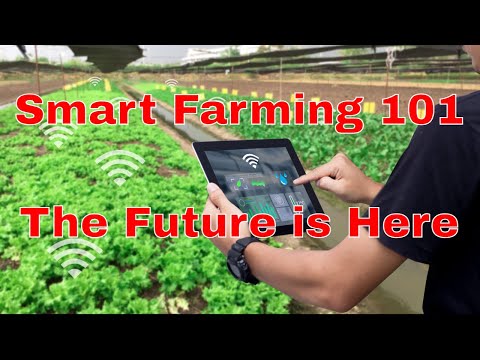
Smart farming equipment is changing the face of agriculture, with the global market projected to reach $15.3 billion by 2025, growing at a CAGR of 13.4% from 2020 to 2025, according to a report by MarketsandMarkets. Companies like John Deere, Granular, and FarmWise are leading the charge, developing innovative solutions such as autonomous tractors, precision irrigation systems, and crop monitoring drones. These technologies are not only increasing crop yields and reducing waste but also promoting sustainable farming practices. However, the adoption of smart farming equipment is not without its challenges, including high upfront costs, limited internet connectivity in rural areas, and concerns over data privacy. As the industry continues to evolve, it's likely that we'll see more collaborations between farmers, technology companies, and governments to address these challenges and unlock the full potential of smart farming. With the global population projected to reach 9.7 billion by 2050, the need for efficient and sustainable farming practices has never been more pressing, and smart farming equipment is poised to play a critical role in meeting this demand.
🌾 Introduction to Smart Farming
The introduction of smart farming equipment has revolutionized the agricultural industry, enabling farmers to increase productivity and efficiency while reducing costs. With the help of Agricultural Technology, farmers can now monitor and control various aspects of their farms remotely. This includes Precision Agriculture techniques, which allow for more accurate planting, irrigation, and harvesting. The use of IoT in Agriculture has also enabled farmers to collect and analyze data on soil moisture, temperature, and crop health, making it easier to make informed decisions. As a result, smart farming equipment has become an essential tool for modern farmers, helping them to stay competitive in a rapidly changing market.
🤖 Automation in Agriculture
Automation in agriculture has been a game-changer for farmers, allowing them to automate repetitive tasks and focus on more strategic aspects of their business. With the help of Autonomous Farming Equipment, farmers can now automate tasks such as planting, pruning, and harvesting. This has not only increased efficiency but also reduced labor costs and improved crop yields. Additionally, Farm Management Software has enabled farmers to track and manage their farm operations more effectively, making it easier to identify areas for improvement. The use of Agricultural Robots has also enabled farmers to automate tasks such as weeding and crop monitoring, reducing the need for manual labor.
📊 Data-Driven Farming with IoT
The use of data-driven farming techniques has enabled farmers to make more informed decisions about their crops and soil. With the help of Data Analytics in Agriculture, farmers can now collect and analyze data on soil moisture, temperature, and crop health. This information can be used to optimize irrigation schedules, fertilizer application, and pest control, reducing waste and improving crop yields. The use of IoT Sensors has also enabled farmers to collect real-time data on weather conditions, soil moisture, and crop health, making it easier to respond to changes in the environment. As a result, data-driven farming has become an essential tool for modern farmers, helping them to stay ahead of the competition.
🌱 Precision Agriculture and Crop Monitoring
Precision agriculture and crop monitoring have become essential tools for modern farmers, enabling them to optimize crop yields and reduce waste. With the help of Precision Agriculture Techniques, farmers can now plant, irrigate, and harvest crops with greater accuracy. The use of Crop Monitoring Systems has also enabled farmers to track the health and development of their crops in real-time, making it easier to identify areas for improvement. Additionally, Soil Sensing Technology has enabled farmers to collect data on soil moisture, pH, and nutrient levels, making it easier to optimize fertilizer application and irrigation schedules.
🚜 Autonomous Farm Equipment
Autonomous farm equipment has revolutionized the way farmers work, enabling them to automate repetitive tasks and focus on more strategic aspects of their business. With the help of Autonomous Tractors, farmers can now automate tasks such as planting, pruning, and harvesting. The use of Agricultural Drones has also enabled farmers to collect data on crop health, soil moisture, and weather conditions, making it easier to make informed decisions. Additionally, Farm Equipment Automation has enabled farmers to automate tasks such as irrigation and fertilization, reducing labor costs and improving crop yields.
📈 Increasing Efficiency with Smart Farming
The use of smart farming equipment has increased efficiency and productivity on farms, enabling farmers to reduce costs and improve crop yields. With the help of Farm Management Software, farmers can now track and manage their farm operations more effectively, making it easier to identify areas for improvement. The use of Precision Agriculture Techniques has also enabled farmers to optimize crop yields and reduce waste, making it easier to stay competitive in a rapidly changing market. Additionally, Agricultural Technology has enabled farmers to collect and analyze data on soil moisture, temperature, and crop health, making it easier to make informed decisions.
🌿 Sustainable Farming Practices with Technology
Sustainable farming practices have become essential for modern farmers, enabling them to reduce their environmental impact while improving crop yields. With the help of Sustainable Agriculture techniques, farmers can now reduce their use of chemical fertilizers and pesticides, making it easier to protect the environment. The use of Organic Farming techniques has also enabled farmers to improve soil health and biodiversity, making it easier to maintain ecosystem services. Additionally, Regenerative Agriculture has enabled farmers to improve soil health, reduce erosion, and promote biodiversity, making it easier to maintain a healthy and productive farm.
📊 Economic Impact of Smart Farming
The economic impact of smart farming equipment has been significant, enabling farmers to reduce costs and improve crop yields. With the help of Agricultural Technology, farmers can now collect and analyze data on soil moisture, temperature, and crop health, making it easier to make informed decisions. The use of Precision Agriculture Techniques has also enabled farmers to optimize crop yields and reduce waste, making it easier to stay competitive in a rapidly changing market. Additionally, Farm Management Software has enabled farmers to track and manage their farm operations more effectively, making it easier to identify areas for improvement.
🌐 Global Adoption and Future of Smart Farming
The global adoption of smart farming equipment has been rapid, with farmers around the world embracing new technologies to improve productivity and efficiency. With the help of Agricultural Technology, farmers can now collect and analyze data on soil moisture, temperature, and crop health, making it easier to make informed decisions. The use of Precision Agriculture Techniques has also enabled farmers to optimize crop yields and reduce waste, making it easier to stay competitive in a rapidly changing market. Additionally, Farm Equipment Automation has enabled farmers to automate tasks such as irrigation and fertilization, reducing labor costs and improving crop yields.
🤝 Collaboration and Innovation in Smart Farming
Collaboration and innovation have been essential for the development of smart farming equipment, enabling farmers to stay ahead of the competition. With the help of Agricultural Technology, farmers can now collect and analyze data on soil moisture, temperature, and crop health, making it easier to make informed decisions. The use of Precision Agriculture Techniques has also enabled farmers to optimize crop yields and reduce waste, making it easier to stay competitive in a rapidly changing market. Additionally, Farm Management Software has enabled farmers to track and manage their farm operations more effectively, making it easier to identify areas for improvement.
📊 Challenges and Limitations of Smart Farming
Despite the many benefits of smart farming equipment, there are also challenges and limitations to its adoption. With the help of Agricultural Technology, farmers can now collect and analyze data on soil moisture, temperature, and crop health, making it easier to make informed decisions. However, the high cost of smart farming equipment can be a barrier to adoption for many farmers. Additionally, the lack of standardization in smart farming equipment can make it difficult for farmers to integrate different systems and technologies.
Key Facts
- Year
- 2022
- Origin
- United States
- Category
- Agricultural Technology
- Type
- Technology
Frequently Asked Questions
What is smart farming equipment?
Smart farming equipment refers to the use of advanced technologies such as sensors, drones, and automation to improve the efficiency and productivity of farming operations. With the help of Agricultural Technology, farmers can now collect and analyze data on soil moisture, temperature, and crop health, making it easier to make informed decisions. The use of Precision Agriculture Techniques has also enabled farmers to optimize crop yields and reduce waste, making it easier to stay competitive in a rapidly changing market.
How does smart farming equipment improve crop yields?
Smart farming equipment improves crop yields by enabling farmers to collect and analyze data on soil moisture, temperature, and crop health. With the help of Precision Agriculture Techniques, farmers can now optimize irrigation schedules, fertilizer application, and pest control, reducing waste and improving crop yields. The use of IoT Sensors has also enabled farmers to collect real-time data on weather conditions, soil moisture, and crop health, making it easier to respond to changes in the environment.
What are the benefits of using autonomous farm equipment?
The benefits of using autonomous farm equipment include increased efficiency, reduced labor costs, and improved crop yields. With the help of Autonomous Tractors, farmers can now automate tasks such as planting, pruning, and harvesting. The use of Agricultural Drones has also enabled farmers to collect data on crop health, soil moisture, and weather conditions, making it easier to make informed decisions.
How does smart farming equipment reduce waste?
Smart farming equipment reduces waste by enabling farmers to optimize irrigation schedules, fertilizer application, and pest control. With the help of Precision Agriculture Techniques, farmers can now reduce the amount of water and fertilizer used, reducing waste and improving crop yields. The use of IoT Sensors has also enabled farmers to collect real-time data on soil moisture, temperature, and crop health, making it easier to respond to changes in the environment.
What is the future of smart farming equipment?
The future of smart farming equipment is exciting, with new technologies and innovations being developed all the time. With the help of Agricultural Technology, farmers will be able to collect and analyze even more data on soil moisture, temperature, and crop health, making it easier to make informed decisions. The use of Autonomous Farming Equipment will also become more widespread, enabling farmers to automate even more tasks and improve efficiency.
How does smart farming equipment improve sustainability?
Smart farming equipment improves sustainability by enabling farmers to reduce their environmental impact. With the help of Sustainable Agriculture techniques, farmers can now reduce their use of chemical fertilizers and pesticides, making it easier to protect the environment. The use of Organic Farming techniques has also enabled farmers to improve soil health and biodiversity, making it easier to maintain ecosystem services.
What are the challenges of adopting smart farming equipment?
The challenges of adopting smart farming equipment include the high cost of the equipment, the lack of standardization, and the need for training and support. With the help of Agricultural Technology, farmers can now collect and analyze data on soil moisture, temperature, and crop health, making it easier to make informed decisions. However, the high cost of smart farming equipment can be a barrier to adoption for many farmers.