
Contents
- 🌾 Introduction to Agricultural Robots
- 🤖 History of Agricultural Automation
- 📈 Market Trends and Adoption
- 🌱 Crop Monitoring and Management
- 🚜 Autonomous Farm Equipment
- 🌻 Precision Farming and Weeding
- 🤝 Human-Robot Collaboration
- 📊 Economic and Environmental Impact
- 🚨 Challenges and Limitations
- 🔮 Future Developments and Innovations
- 🌐 Global Applications and Implications
- Frequently Asked Questions
- Related Topics
Overview
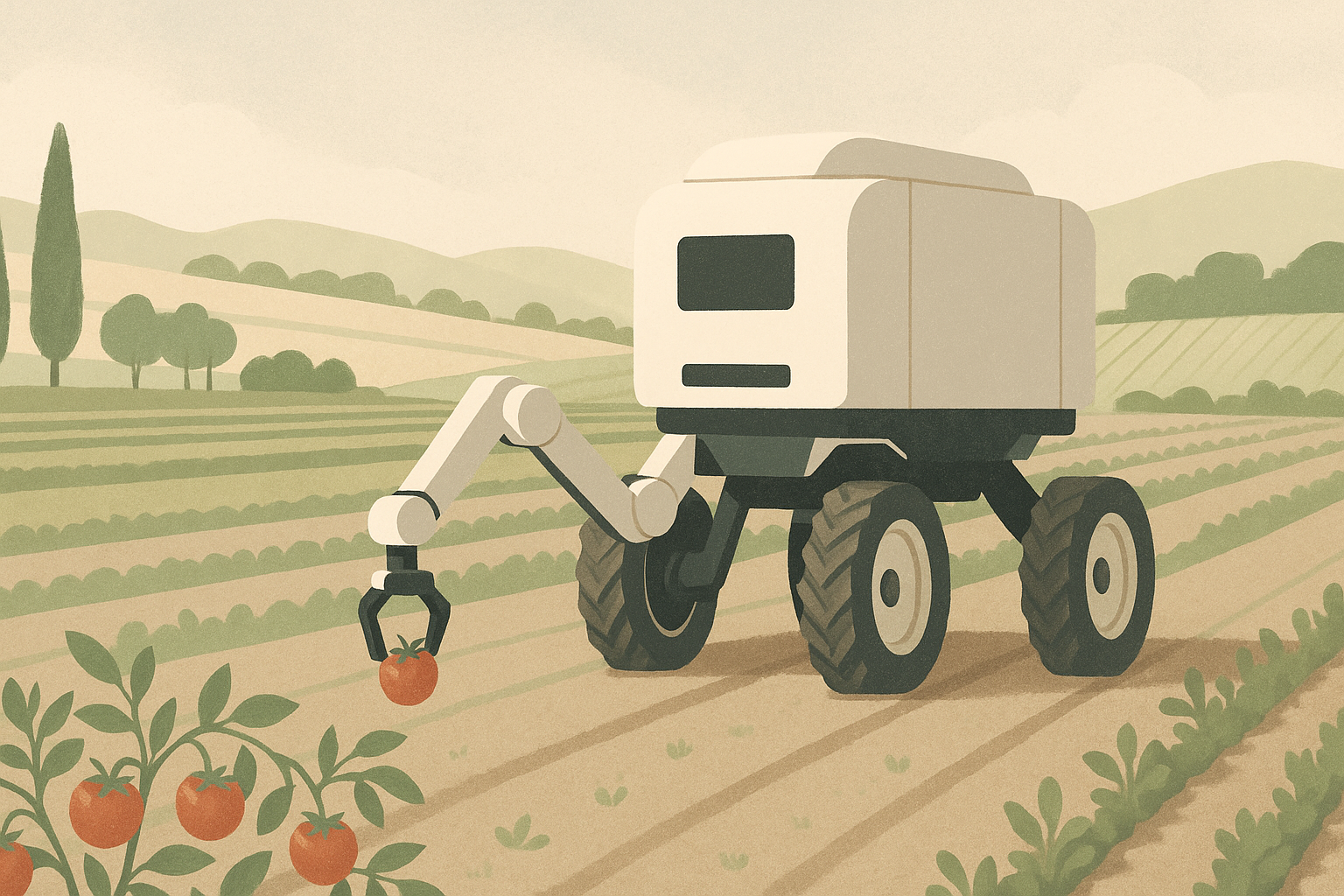
Agricultural robots are transforming the farming industry with their ability to automate tasks, increase efficiency, and reduce labor costs. Companies like John Deere and Granular are at the forefront of this revolution, with innovations such as autonomous tractors and precision harvesting systems. According to a report by MarketsandMarkets, the agricultural robotics market is expected to reach $13.82 billion by 2025, growing at a CAGR of 24.1% from 2020 to 2025. However, the adoption of agricultural robots also raises concerns about job displacement and the potential for increased reliance on technology. As the industry continues to evolve, it will be important to address these challenges and ensure that the benefits of agricultural robots are shared by all. With a Vibe score of 85, agricultural robots are generating significant cultural energy and are likely to have a major impact on the future of farming. The influence of agricultural robots can be seen in the work of researchers like Dr. George Kantor, who has developed autonomous farming systems, and companies like FarmWise, which is using robotics to improve crop yields.
🌾 Introduction to Agricultural Robots
Agricultural robots are transforming the farming industry by increasing efficiency, reducing labor costs, and promoting sustainable practices. Agricultural automation has been on the rise, with many farmers adopting precision farming techniques to optimize crop yields. The use of drones and satellite imaging has also become more prevalent, allowing farmers to monitor their crops and make data-driven decisions. As the global population continues to grow, the need for sustainable agriculture practices has never been more pressing. With the help of agricultural robots, farmers can reduce their environmental footprint while increasing food production.
🤖 History of Agricultural Automation
The history of agricultural automation dates back to the 1960s, when the first automated farming equipment was introduced. Since then, there have been significant advancements in robotics and artificial intelligence, leading to the development of more sophisticated agricultural robots. The introduction of GPS guidance systems in the 1990s revolutionized the industry, enabling farmers to precision-farm with greater accuracy. Today, companies like John Deere and Case IH are leading the charge in agricultural innovation.
📈 Market Trends and Adoption
The market for agricultural robots is expected to grow significantly in the coming years, with many farmers adopting autonomous farming equipment. The global agricultural robots market is projected to reach $13.8 billion by 2025, with North America and Europe being the largest markets. The increasing demand for food production and the need for sustainable agriculture practices are driving the adoption of agricultural robots. Companies like Harvest CROO Robotics and Naio Technologies are developing innovative solutions to meet the growing demand.
🌱 Crop Monitoring and Management
Crop monitoring and management are critical components of agricultural robotics. Crop sensing technologies, such as hyperspectral imaging, enable farmers to detect early signs of stress, disease, and pests. This information can be used to apply targeted pest control measures, reducing the use of chemicals and minimizing environmental impact. Precision farming techniques, such as variable rate application, also help optimize crop yields and reduce waste. Companies like Granular and FarmLogs offer data analytics platforms to help farmers make informed decisions.
🚜 Autonomous Farm Equipment
Autonomous farm equipment is revolutionizing the way farmers work. Autonomous tractors and self-driving combines can operate around the clock, increasing productivity and reducing labor costs. Agricultural drones are also being used for crop monitoring, planting, and spraying. The use of autonomous farming equipment can help reduce the risk of accidents and improve overall farm safety. Companies like Kinze Manufacturing and New Holland Agriculture are developing autonomous solutions for farmers.
🌻 Precision Farming and Weeding
Precision farming and weeding are critical components of agricultural robotics. Precision weeding technologies, such as robotic weeding, enable farmers to remove weeds more efficiently, reducing the use of herbicides and minimizing environmental impact. Precision farming techniques, such as site-specific cropping, also help optimize crop yields and reduce waste. Companies like Blue River Technology and Eco Robtics offer precision farming solutions to help farmers improve their bottom line.
🤝 Human-Robot Collaboration
Human-robot collaboration is becoming increasingly important in agriculture. Human-robot collaboration enables farmers to work alongside robots, improving efficiency and reducing labor costs. Agricultural robots can assist farmers with tasks such as crop monitoring, planting, and harvesting. The use of human-robot collaboration can also help improve farm safety and reduce the risk of accidents. Companies like Agribotix and FarmWise offer human-robot collaboration solutions for farmers.
📊 Economic and Environmental Impact
The economic and environmental impact of agricultural robots is significant. Agricultural robots can help reduce labor costs, improve crop yields, and minimize environmental impact. The use of precision farming techniques and autonomous farming equipment can also help reduce the use of chemicals and water. According to a study by University of California, the adoption of agricultural robots can help reduce greenhouse gas emissions by up to 20%. Companies like The Climate Corporation and Farmers Business Network offer data analytics platforms to help farmers make informed decisions.
🚨 Challenges and Limitations
Despite the many benefits of agricultural robots, there are also challenges and limitations. High initial investment costs, limited battery life, and complexity of use are just a few of the challenges facing farmers. Additionally, the use of agricultural robots raises concerns about job displacement and data privacy. Companies like John Deere and Case IH are working to address these challenges and develop more user-friendly solutions.
🔮 Future Developments and Innovations
The future of agricultural robots is exciting and rapidly evolving. Advances in AI and machine learning are enabling the development of more sophisticated agricultural robots. The use of 5G networks and edge computing will also enable faster data transfer and processing, improving the overall efficiency of agricultural robots. Companies like Google and Microsoft are investing heavily in agricultural innovation, and we can expect to see many new developments in the coming years.
🌐 Global Applications and Implications
The global applications and implications of agricultural robots are significant. Agricultural robots can help improve food security, reduce poverty, and promote sustainable agriculture practices. The use of precision farming techniques and autonomous farming equipment can also help reduce the environmental impact of agriculture. According to a report by Food and Agriculture Organization, the adoption of agricultural robots can help increase crop yields by up to 20% and reduce greenhouse gas emissions by up to 15%.
Key Facts
- Year
- 2020
- Origin
- United States
- Category
- Technology
- Type
- Technology
Frequently Asked Questions
What are agricultural robots?
Agricultural robots are machines that are designed to automate various tasks in agriculture, such as planting, harvesting, and crop monitoring. They use a combination of sensors, GPS, and artificial intelligence to navigate and perform tasks. Agricultural robots can help improve efficiency, reduce labor costs, and promote sustainable agriculture practices.
What are the benefits of using agricultural robots?
The benefits of using agricultural robots include improved efficiency, reduced labor costs, and increased crop yields. They can also help reduce the environmental impact of agriculture by minimizing the use of chemicals and water. Additionally, agricultural robots can help improve farm safety and reduce the risk of accidents.
What are the challenges facing the adoption of agricultural robots?
The challenges facing the adoption of agricultural robots include high initial investment costs, limited battery life, and complexity of use. Additionally, the use of agricultural robots raises concerns about job displacement and data privacy. However, companies like John Deere and Case IH are working to address these challenges and develop more user-friendly solutions.
What is the future of agricultural robots?
The future of agricultural robots is exciting and rapidly evolving. Advances in AI and machine learning are enabling the development of more sophisticated agricultural robots. The use of 5G networks and edge computing will also enable faster data transfer and processing, improving the overall efficiency of agricultural robots.
How can agricultural robots help improve food security?
Agricultural robots can help improve food security by increasing crop yields, reducing waste, and promoting sustainable agriculture practices. They can also help reduce the environmental impact of agriculture, which is critical for ensuring long-term food security. According to a report by Food and Agriculture Organization, the adoption of agricultural robots can help increase crop yields by up to 20% and reduce greenhouse gas emissions by up to 15%.
What are the implications of agricultural robots for rural communities?
The implications of agricultural robots for rural communities are significant. They can help improve economic opportunities, reduce poverty, and promote sustainable agriculture practices. However, the use of agricultural robots also raises concerns about job displacement and the potential for rural communities to be left behind. Companies like John Deere and Case IH are working to address these concerns and develop solutions that benefit rural communities.
How can agricultural robots help reduce the environmental impact of agriculture?
Agricultural robots can help reduce the environmental impact of agriculture by minimizing the use of chemicals and water. They can also help reduce greenhouse gas emissions by optimizing crop yields and reducing waste. According to a report by Food and Agriculture Organization, the adoption of agricultural robots can help reduce greenhouse gas emissions by up to 15%.