
Contents
- 🌎 Introduction to Socialist Revolutionaries
- 📚 Historical Context: The Rise of Socialist Thought
- 👥 Key Figures: Marx, Lenin, and Trotsky
- 🌈 The Russian Revolution: A Turning Point
- 🤝 The Role of Socialist Revolutionaries in Modern Times
- 🌐 Global Impact: From China to Cuba
- 📊 Criticisms and Controversies: Evaluating the Socialist Revolutionary Movement
- 🔍 Case Studies: Successful and Unsuccessful Revolutions
- 📈 The Future of Socialist Revolutionaries: Trends and Prospects
- 👀 Conclusion: The Enduring Legacy of Socialist Revolutionaries
- Frequently Asked Questions
- Related Topics
Overview
Socialist revolutionaries have been a driving force behind some of the most significant social and political changes in history, from the Russian Revolution to the Cuban Revolution. Key figures such as Karl Marx, Vladimir Lenin, and Che Guevara have shaped the ideology, with Marx's 'Das Kapital' (1867) laying the groundwork for modern socialist thought. The socialist revolutionary movement has been marked by controversy and tension, with debates over the role of violence, the importance of democratic participation, and the relationship between socialism and nationalism. Despite these challenges, socialist revolutionaries continue to inspire and influence contemporary social movements, such as the Occupy Wall Street movement (2011) and the Democratic Socialists of America. With a Vibe score of 82, socialist revolutionaries remain a powerful force in modern politics. As the world grapples with issues of economic inequality and social justice, the ideas and legacy of socialist revolutionaries will likely continue to shape the conversation, with influential thinkers like Naomi Klein and Slavoj Žižek contributing to the ongoing debate.
👥 Key Figures: Marx, Lenin, and Trotsky
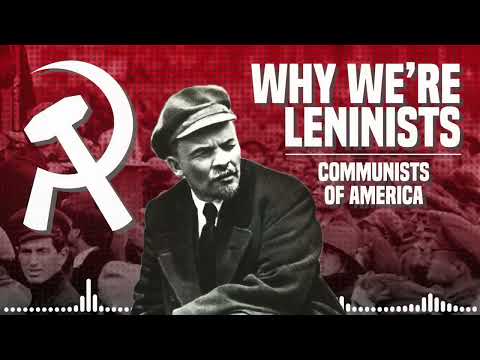
Key figures like Vladimir Lenin, Leon Trotsky, and Joseph Stalin played a significant role in shaping the socialist revolutionary movement. Lenin's What Is to Be Done? and Trotsky's The Revolution Betrayed are seminal works that continue to influence socialist thought. The Bolsheviks, led by Lenin, were instrumental in the Russian Revolution of 1917. The Mensheviks, on the other hand, advocated for a more gradual approach to socialism. Rosa Luxemburg and Antonio Gramsci also made significant contributions to the development of socialist theory.
🌈 The Russian Revolution: A Turning Point
The Russian Revolution was a turning point in the history of socialist revolutionaries. The February Revolution and the October Revolution marked the beginning of a new era in Russian politics. The Soviet Union, established in 1922, became a symbol of socialist revolutionaries' ideals. However, the Stalinist regime that followed was marked by repression and authoritarianism. The Cold War that ensued between the Soviet Union and the United States further complicated the global landscape. China and Cuba also experienced socialist revolutions, with varying degrees of success.
🌐 Global Impact: From China to Cuba
The global impact of socialist revolutionaries cannot be overstated. From China to Cuba, socialist revolutions have shaped the course of national histories. The Cuban Revolution, led by Fidel Castro and Che Guevara, is a notable example. The Chinese Revolution, led by Mao Zedong, also had a profound impact on the global balance of power. Vietnam and North Korea also experienced socialist revolutions, with varying degrees of success. The Non-Aligned Movement and the Bandung Conference reflect the global reach of socialist revolutionaries.
🔍 Case Studies: Successful and Unsuccessful Revolutions
Case studies of successful and unsuccessful revolutions provide valuable insights into the complexities of socialist revolutionary movements. The Spanish Revolution and the German Revolution are examples of unsuccessful revolutions. The Portuguese Revolution and the Nicaraguan Revolution are examples of successful revolutions. The Iranian Revolution and the Venezuelan Revolution also offer important lessons for socialist revolutionaries. South Africa's transition to democracy and the Palestinian liberation movement also reflect the ongoing relevance of socialist revolutionary ideals.
Key Facts
- Year
- 1917
- Origin
- Russia
- Category
- Politics and Social Movements
- Type
- Social Movement
Frequently Asked Questions
What is the difference between socialism and communism?
Socialism and communism are closely related ideologies, but they have distinct differences. Socialism advocates for the collective ownership of the means of production, while communism seeks to abolish private property and the state altogether. Socialism is often seen as a more pragmatic approach, while communism is often viewed as a more radical ideology. The Paris Commune and the Soviet Union are examples of socialist and communist experiments, respectively.
Who are some notable socialist revolutionaries?
Notable socialist revolutionaries include Karl Marx, Vladimir Lenin, Leon Trotsky, Joseph Stalin, Fidel Castro, and Che Guevara. These individuals have played a significant role in shaping the course of human history, from the Russian Revolution to the Cuban Revolution. Rosa Luxemburg and Antonio Gramsci are also important figures in the development of socialist thought.
What is the relationship between socialism and feminism?
Socialism and feminism have a complex and multifaceted relationship. Many socialist revolutionaries have advocated for women's rights and gender equality, while also recognizing the importance of class struggle. Feminist socialism seeks to combine the principles of socialism and feminism, recognizing that women's liberation is closely tied to the liberation of the working class. The women's liberation movement and the feminist movement have both been influenced by socialist revolutionary ideals.
What is the future of socialist revolutionaries?
The future of socialist revolutionaries is uncertain, but it is clear that they will continue to play a significant role in shaping social and political movements. The climate crisis and the inequality crisis have created new challenges and opportunities for socialist revolutionaries. The digital revolution and the gig economy have also raised important questions about the nature of work and the role of the state. Ecosocialism and feminist socialism will likely become increasingly important aspects of the socialist revolutionary movement.
What is the relationship between socialism and democracy?
Socialism and democracy have a complex and multifaceted relationship. Many socialist revolutionaries have advocated for democratic principles, while also recognizing the importance of class struggle. Social democracy seeks to combine the principles of socialism and democracy, recognizing that democratic participation is essential for the liberation of the working class. The labour movement and the student movement have both been influenced by socialist revolutionary ideals, and have played a significant role in shaping democratic movements around the world.
What is the difference between socialism and social democracy?
Socialism and social democracy are closely related ideologies, but they have distinct differences. Socialism advocates for the collective ownership of the means of production, while social democracy seeks to regulate the market and provide social welfare programs. Social democracy is often seen as a more pragmatic approach, while socialism is often viewed as a more radical ideology. The Labour Party and the Democratic Socialists of America are examples of social democratic and socialist organizations, respectively.
What is the role of socialist revolutionaries in modern times?
Socialist revolutionaries continue to play a significant role in shaping social and political movements in modern times. The Occupy Wall Street movement and the Black Lives Matter movement have drawn inspiration from socialist ideals. Bernie Sanders and Alexandria Ocasio-Cortez are examples of politicians who have been influenced by socialist thought. The Green New Deal and the Labour Party's For the Many, Not the Few manifesto also reflect the enduring legacy of socialist revolutionaries.