
Contents
- 🎵 Introduction to Sound Art
- 🔊 History of Sound Art
- 🎧 Key Concepts and Theories
- 👂 Interdisciplinary Nature of Sound Art
- 🔍 Analysis and Critique of Sound Art
- 🎶 Notable Sound Artists and Their Works
- 📚 Sound Art in the Context of Contemporary Art
- 🔜 Future of Sound Art
- 📊 Sound Art and Technology
- 👥 Sound Art Communities and Festivals
- 📝 Sound Art and Its Relationship to Other Art Forms
- 🔝 Conclusion and Controversies in Sound Art
- Frequently Asked Questions
- Related Topics
Overview
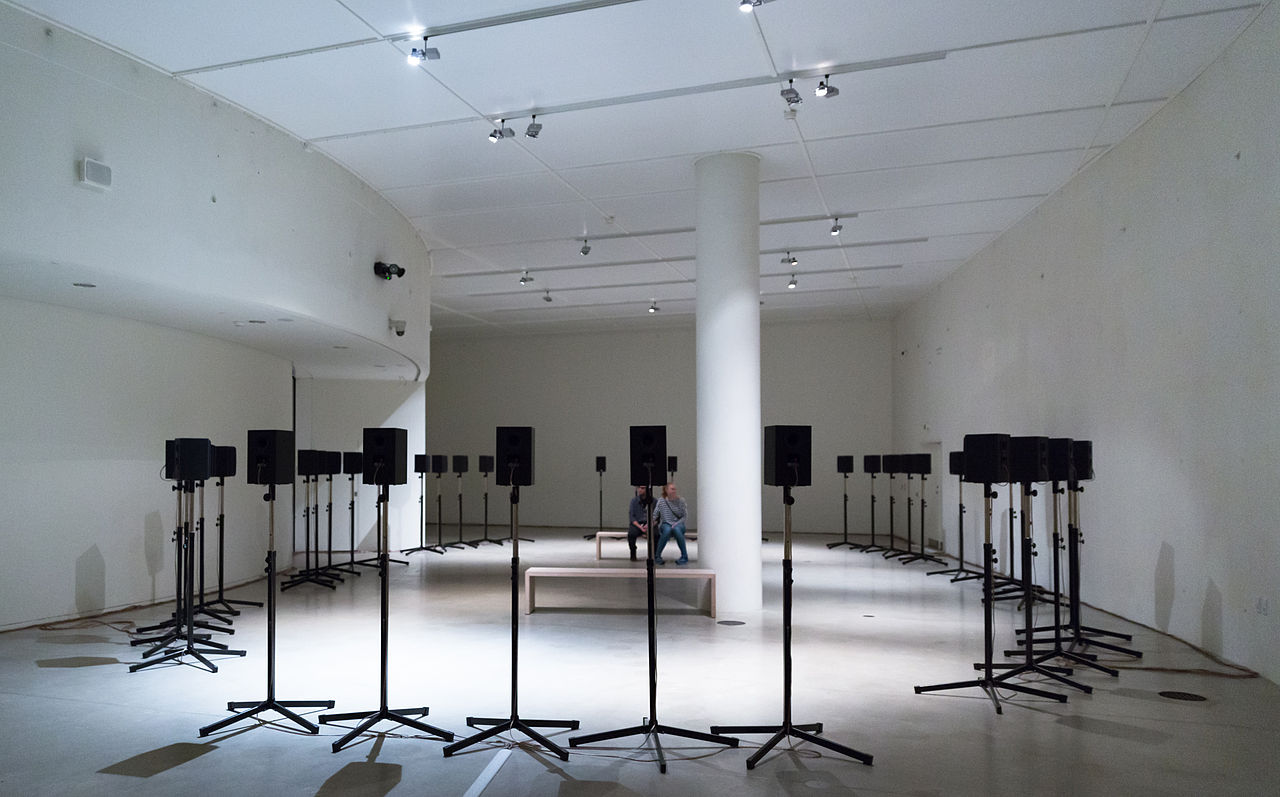
Sound art is an artistic activity that utilizes sound as a primary time-based medium or material, often incorporating elements of music, performance art, and visual art. According to Brandon LaBelle, sound art as a practice 'harnesses, describes, analyzes, performs, and interrogates the condition of sound and the process by which it operates.' This definition highlights the complexity and interdisciplinary nature of sound art, which can be seen in the works of artists such as Christina Kubisch and Bernard Parmegiani. As a genre, sound art has been influenced by various movements, including futurism and dadaism. The use of sound as a primary medium has also led to the development of new technologies and techniques, such as field recording and sound synthesis.
🔊 History of Sound Art
The history of sound art is a rich and diverse one, spanning multiple decades and incorporating a wide range of styles and techniques. From the early experiments of Luigi Russolo and Ferruccio Busoni to the contemporary works of Carsten Höller and Cecilia Alemani, sound art has evolved significantly over time. The development of new technologies, such as tape music and electronic music, has also played a crucial role in shaping the genre. As a result, sound art has become an important part of contemporary art, with many museums and galleries now featuring sound art exhibitions and installations. The influence of sound art can also be seen in other genres, such as music and film.
🎧 Key Concepts and Theories
At its core, sound art is concerned with the manipulation and transformation of sound, often using techniques such as looping and layering. This can involve the use of field recordings, found sounds, and other materials to create complex and immersive soundscapes. Theoretical frameworks, such as acoustics and psychoacoustics, also play a crucial role in understanding the properties and behaviors of sound. As a result, sound art often intersects with other disciplines, such as physics and psychology. The use of sound art in therapy and education is also becoming increasingly popular, with many practitioners using sound to promote relaxation and learning. The relationship between sound art and cognition is also an area of ongoing research and debate.
👂 Interdisciplinary Nature of Sound Art
One of the key characteristics of sound art is its interdisciplinary nature, which often involves collaboration between artists, musicians, and technicians. This can result in the creation of hybrid forms, such as sound installations and live performances. The use of sound art in public art and community art projects is also becoming increasingly popular, with many artists using sound to engage with local communities and promote social change. As a result, sound art has become an important part of urban planning and community development. The influence of sound art can also be seen in other genres, such as architecture and design. The relationship between sound art and sustainability is also an area of ongoing research and debate.
🔍 Analysis and Critique of Sound Art
The analysis and critique of sound art often involve a range of different approaches and methodologies, from formal analysis to cultural criticism. This can involve examining the technical and material properties of sound art, as well as its cultural and historical context. The use of hermeneutics and phenomenology can also provide valuable insights into the meaning and significance of sound art. As a result, sound art has become an important area of study in art history and musicology. The influence of sound art can also be seen in other genres, such as literary studies and philosophy. The relationship between sound art and technology is also an area of ongoing research and debate.
🎶 Notable Sound Artists and Their Works
There are many notable sound artists who have made significant contributions to the genre, including John Cage, Karlheinz Stockhausen, and Christian Marclay. These artists have pushed the boundaries of sound art, experimenting with new techniques and technologies to create innovative and groundbreaking works. The use of sound art in film and theater is also becoming increasingly popular, with many artists using sound to enhance the visual and dramatic elements of a performance. As a result, sound art has become an important part of contemporary culture. The influence of sound art can also be seen in other genres, such as dance and poetry. The relationship between sound art and fashion is also an area of ongoing research and debate.
📚 Sound Art in the Context of Contemporary Art
Sound art has also become an important part of contemporary art, with many museums and galleries now featuring sound art exhibitions and installations. The use of sound art in public art and community art projects is also becoming increasingly popular, with many artists using sound to engage with local communities and promote social change. As a result, sound art has become an important part of urban planning and community development. The influence of sound art can also be seen in other genres, such as architecture and design. The relationship between sound art and sustainability is also an area of ongoing research and debate. The use of sound art in therapy and education is also becoming increasingly popular, with many practitioners using sound to promote relaxation and learning.
🔜 Future of Sound Art
The future of sound art is likely to involve the continued development of new technologies and techniques, such as artificial intelligence and virtual reality. This could result in the creation of new and innovative forms of sound art, such as immersive sound and interactive sound. The use of sound art in public art and community art projects is also likely to continue, with many artists using sound to engage with local communities and promote social change. As a result, sound art is likely to remain an important part of contemporary culture. The influence of sound art can also be seen in other genres, such as music and film. The relationship between sound art and technology is also an area of ongoing research and debate.
📊 Sound Art and Technology
The use of technology in sound art has been a key factor in its development, from the early experiments of Luigi Russolo and Ferruccio Busoni to the contemporary works of Carsten Höller and Cecilia Alemani. The development of new technologies, such as tape music and electronic music, has also played a crucial role in shaping the genre. As a result, sound art has become an important part of contemporary art, with many museums and galleries now featuring sound art exhibitions and installations. The influence of sound art can also be seen in other genres, such as music and film. The relationship between sound art and technology is also an area of ongoing research and debate.
👥 Sound Art Communities and Festivals
Sound art communities and festivals have become an important part of the genre, providing a platform for artists to showcase their work and engage with audiences. The use of sound art in public art and community art projects is also becoming increasingly popular, with many artists using sound to engage with local communities and promote social change. As a result, sound art has become an important part of urban planning and community development. The influence of sound art can also be seen in other genres, such as architecture and design. The relationship between sound art and sustainability is also an area of ongoing research and debate.
📝 Sound Art and Its Relationship to Other Art Forms
Sound art has also become an important part of contemporary culture, influencing a wide range of other art forms, including music, film, and theater. The use of sound art in dance and poetry is also becoming increasingly popular, with many artists using sound to enhance the visual and dramatic elements of a performance. As a result, sound art has become an important part of contemporary art, with many museums and galleries now featuring sound art exhibitions and installations. The influence of sound art can also be seen in other genres, such as literary studies and philosophy. The relationship between sound art and fashion is also an area of ongoing research and debate.
🔝 Conclusion and Controversies in Sound Art
In conclusion, sound art is a complex and multifaceted genre that has evolved significantly over time. From its early experiments to its contemporary forms, sound art has become an important part of contemporary art and contemporary culture. The use of sound art in public art and community art projects is also becoming increasingly popular, with many artists using sound to engage with local communities and promote social change. As a result, sound art is likely to remain an important part of urban planning and community development. The influence of sound art can also be seen in other genres, such as architecture and design. The relationship between sound art and sustainability is also an area of ongoing research and debate.
Key Facts
- Category
- topic
- Type
- topic
Frequently Asked Questions
What is sound art?
Sound art is an artistic activity that utilizes sound as a primary time-based medium or material. It often incorporates elements of music, performance art, and visual art. Sound art can take many forms, including sound installations, live performances, and sound sculptures. The use of sound art in public art and community art projects is also becoming increasingly popular, with many artists using sound to engage with local communities and promote social change.
What are the key characteristics of sound art?
The key characteristics of sound art include its use of sound as a primary medium, its often interdisciplinary nature, and its use of a wide range of techniques and technologies. Sound art can also be interactive, immersive, and site-specific, and can incorporate elements of music, performance art, and visual art. The use of sound art in therapy and education is also becoming increasingly popular, with many practitioners using sound to promote relaxation and learning.
Who are some notable sound artists?
Some notable sound artists include John Cage, Karlheinz Stockhausen, and Christian Marclay. These artists have pushed the boundaries of sound art, experimenting with new techniques and technologies to create innovative and groundbreaking works. The use of sound art in film and theater is also becoming increasingly popular, with many artists using sound to enhance the visual and dramatic elements of a performance.
What is the future of sound art?
The future of sound art is likely to involve the continued development of new technologies and techniques, such as artificial intelligence and virtual reality. This could result in the creation of new and innovative forms of sound art, such as immersive sound and interactive sound. The use of sound art in public art and community art projects is also likely to continue, with many artists using sound to engage with local communities and promote social change.
How does sound art relate to other art forms?
Sound art has become an important part of contemporary art and contemporary culture, influencing a wide range of other art forms, including music, film, and theater. The use of sound art in dance and poetry is also becoming increasingly popular, with many artists using sound to enhance the visual and dramatic elements of a performance. The relationship between sound art and fashion is also an area of ongoing research and debate.
What are some common techniques used in sound art?
Some common techniques used in sound art include looping, layering, and sampling. Sound artists may also use a wide range of instruments and technologies, including electronic music equipment, field recording equipment, and sound synthesis software. The use of sound art in therapy and education is also becoming increasingly popular, with many practitioners using sound to promote relaxation and learning.
How does sound art relate to technology?
The use of technology in sound art has been a key factor in its development, from the early experiments of Luigi Russolo and Ferruccio Busoni to the contemporary works of Carsten Höller and Cecilia Alemani. The development of new technologies, such as tape music and electronic music, has also played a crucial role in shaping the genre. The relationship between sound art and technology is also an area of ongoing research and debate.