
Contents
- 🌿 Introduction to Species
- 🔬 Defining Species: A Complex Task
- 🧬 DNA Sequence and Species Classification
- 🔍 Morphology and Behaviour in Species Definition
- 🦜 Ecological Niche and Species Adaptation
- 🔎 The Concept of Chronospecies in Palaeontology
- 📊 Estimating the Total Number of Species
- 📚 Binomial Nomenclature: The Two-Part Name
- 🌐 Species Discovery and Description
- 🌟 Species Conservation and the Future of Biodiversity
- 🌎 The Impact of Human Activity on Species
- 👥 The Role of Humans in Shaping the Future of Species
- Frequently Asked Questions
- Related Topics
Overview
The concept of species has been debated by biologists, taxonomists, and philosophers for centuries, with over 8.7 million identified species on Earth, according to a 2019 study published in the journal PLOS Biology. The historian sees species as a product of evolutionary history, with the first species classifications dating back to Aristotle in 350 BCE. However, the skeptic questions the validity of species as a fixed concept, citing the existence of hybrid zones and ring species, which challenge traditional notions of species boundaries. The fan of biodiversity is awed by the sheer variety of species, from the 6,000 species of frogs to the 1,000 species of coral, each with its unique characteristics and adaptations. The engineer wonders how species interact and adapt to their environments, with some species, like the axolotl, having the unique ability to regrow limbs. As we look to the future, the futurist asks: what will be the impact of climate change, habitat destruction, and species extinction on the delicate balance of ecosystems, with some estimates suggesting that up to 1 million species could go extinct in the next few decades, as reported by the IPBES Global Assessment in 2019.
🌿 Introduction to Species
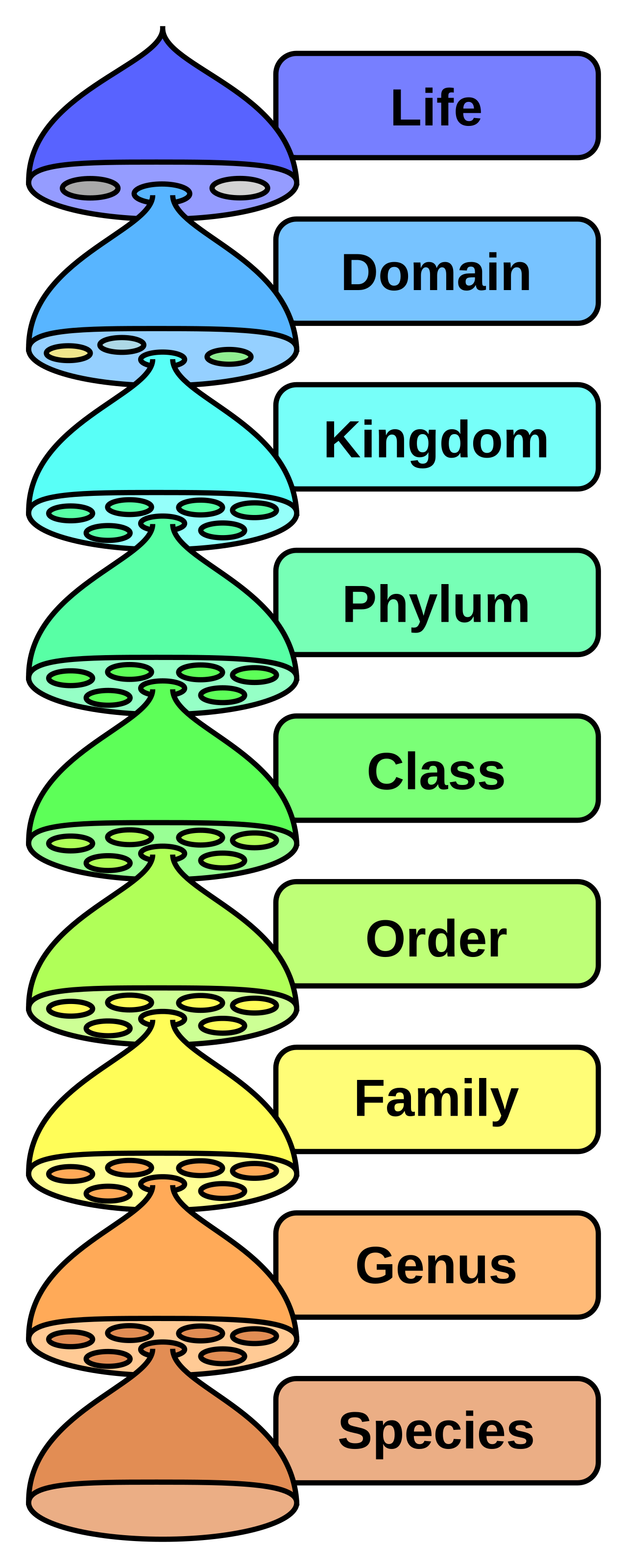
The concept of a species is the foundation of biology, and understanding its complexities is essential for grasping the intricacies of life on Earth. A species is the basic unit of classification and a taxonomic rank of an organism, as well as a unit of biodiversity. According to the species classification definition, a species is the largest group of organisms in which any two individuals of the appropriate sexes or mating types can produce fertile offspring, typically by sexual reproduction. This concept is closely related to the idea of reproductive isolation, which is a key factor in the formation of new species. The study of species is also deeply connected to the field of ecology, which examines the relationships between organisms and their environment.
🔬 Defining Species: A Complex Task
Defining a species can be a complex task, as it involves considering various factors such as karyotype, DNA sequence, morphology, behaviour, or ecological niche. The most commonly used definition is based on the ability of individuals to produce fertile offspring, but this is not always possible to determine, especially in the case of fossil species. In such cases, palaeontologists use the concept of the chronospecies, which is based on the idea that a species can be defined by its morphological characteristics and its position in the fossil record. This concept is closely related to the field of paleontology, which studies the history of life on Earth. The study of species is also connected to the idea of evolution, which explains how species change over time.
🧬 DNA Sequence and Species Classification
The use of DNA sequence in species classification has revolutionized the field of taxonomy, allowing for more accurate and precise identification of species. By analyzing the DNA sequence of an organism, scientists can determine its relationships to other organisms and identify its position in the tree of life. This is particularly useful for identifying species that are difficult to distinguish based on morphology alone, such as microorganisms. The study of DNA sequence is also closely related to the field of genetics, which examines the structure and function of genes. The use of DNA sequence in species classification is also connected to the idea of phylogeny, which is the study of the evolutionary relationships between organisms.
🔍 Morphology and Behaviour in Species Definition
Morphology and behaviour are also important factors in defining a species. The shape and structure of an organism's body, as well as its behaviour and physiology, can provide important clues about its relationships to other organisms. For example, the peacock is a species of bird that is known for its distinctive morphology and behaviour, including its brightly coloured plumage and elaborate courtship displays. The study of morphology and behaviour is closely related to the field of ethology, which examines the behaviour of animals. The study of morphology is also connected to the idea of anatomy, which is the study of the structure of living organisms.
🦜 Ecological Niche and Species Adaptation
The ecological niche of an organism is also an important factor in defining a species. The ecological niche refers to the specific environment and resources that an organism requires to survive and reproduce. For example, the polar bear is a species that is adapted to the Arctic environment, with a thick layer of fur and a white coat that helps it to blend in with the snow and ice. The study of ecological niche is closely related to the field of ecosystem ecology, which examines the relationships between organisms and their environment. The study of ecological niche is also connected to the idea of adaptation, which is the process by which organisms become better suited to their environment.
🔎 The Concept of Chronospecies in Palaeontology
The concept of chronospecies is used by palaeontologists to define species that are known only from fossil remains. Since fossil reproduction cannot be examined, palaeontologists use the concept of chronospecies to define species based on their morphological characteristics and their position in the fossil record. This concept is closely related to the field of fossil record, which is the study of the history of life on Earth as recorded in the fossil record. The study of chronospecies is also connected to the idea of geologic time scale, which is the study of the timing and relationships of events in Earth's history.
📊 Estimating the Total Number of Species
Estimating the total number of species on Earth is a difficult task, but the most recent rigorous estimate suggests that there are between 8 and 8.7 million species of eukaryotes. This is a staggering number, and it highlights the incredible diversity of life on Earth. However, it is estimated that only about 14% of these species had been described by 2011, which means that there is still much work to be done to fully understand the diversity of life on our planet. The study of species is closely related to the field of biodiversity, which examines the variety of life on Earth. The study of species is also connected to the idea of conservation, which is the practice of protecting and preserving species and their habitats.
📚 Binomial Nomenclature: The Two-Part Name
All species are given a two-part name, known as a binomen. The first part of the binomen is the name of the genus to which the species belongs, and the second part is the specific name or specific epithet. For example, the species Boa constrictor is a member of the genus Boa, and its specific name is constrictor. This system of naming species is known as binomial nomenclature, and it was developed by the Swedish botanist Carolus Linnaeus. The study of binomial nomenclature is closely related to the field of taxonomy, which is the science of naming and classifying living things.
🌐 Species Discovery and Description
The discovery and description of new species is an ongoing process, and it requires the collaboration of scientists from around the world. New species are discovered in a variety of ways, including through field observations, laboratory experiments, and the analysis of museum specimens. The description of new species involves the publication of a detailed description of the species, including its morphology, behaviour, and ecological niche. The study of species discovery is closely related to the field of systematics, which is the study of the diversity of life on Earth. The study of species discovery is also connected to the idea of exploration, which is the process of discovering new species and habitats.
🌟 Species Conservation and the Future of Biodiversity
The conservation of species is essential for maintaining the health and diversity of ecosystems. Human activities such as habitat destruction, pollution, and climate change are major threats to species conservation, and they require a coordinated effort to mitigate their impacts. The study of species conservation is closely related to the field of ecology, which examines the relationships between organisms and their environment. The study of species conservation is also connected to the idea of sustainability, which is the practice of using resources in a way that meets the needs of the present without compromising the ability of future generations to meet their own needs.
🌎 The Impact of Human Activity on Species
Human activity has a significant impact on species and ecosystems, and it is essential to understand the nature of this impact in order to develop effective conservation strategies. The study of human impact on species is closely related to the field of anthropology, which examines the relationship between humans and their environment. The study of human impact on species is also connected to the idea of environmentalism, which is the practice of protecting and preserving the natural environment.
👥 The Role of Humans in Shaping the Future of Species
The future of species conservation is uncertain, and it will require a coordinated effort from governments, NGOs, and individuals to protect and preserve the diversity of life on Earth. The study of species conservation is closely related to the field of policy, which examines the development and implementation of laws and regulations that affect the environment. The study of species conservation is also connected to the idea of activism, which is the practice of advocating for social and environmental change.
Key Facts
- Year
- 1758
- Origin
- Carl Linnaeus' 'Systema Naturae'
- Category
- Biology
- Type
- Biological Concept
Frequently Asked Questions
What is a species?
A species is the basic unit of classification and a taxonomic rank of an organism, as well as a unit of biodiversity. It is defined as the largest group of organisms in which any two individuals of the appropriate sexes or mating types can produce fertile offspring, typically by sexual reproduction. The concept of a species is closely related to the idea of reproductive isolation, which is a key factor in the formation of new species. The study of species is also deeply connected to the field of ecology, which examines the relationships between organisms and their environment.
How are species classified?
Species are classified based on their morphology, behaviour, and ecological niche, as well as their DNA sequence and karyotype. The most commonly used definition is based on the ability of individuals to produce fertile offspring, but this is not always possible to determine, especially in the case of fossil species. In such cases, palaeontologists use the concept of the chronospecies, which is based on the idea that a species can be defined by its morphological characteristics and its position in the fossil record. The study of species classification is closely related to the field of taxonomy, which is the science of naming and classifying living things.
What is the total number of species on Earth?
The total number of species on Earth is estimated to be between 8 and 8.7 million, although only about 14% of these had been described by 2011. The study of species is closely related to the field of biodiversity, which examines the variety of life on Earth. The study of species is also connected to the idea of conservation, which is the practice of protecting and preserving species and their habitats.
Why is species conservation important?
Species conservation is essential for maintaining the health and diversity of ecosystems. Human activities such as habitat destruction, pollution, and climate change are major threats to species conservation, and they require a coordinated effort to mitigate their impacts. The study of species conservation is closely related to the field of ecology, which examines the relationships between organisms and their environment. The study of species conservation is also connected to the idea of sustainability, which is the practice of using resources in a way that meets the needs of the present without compromising the ability of future generations to meet their own needs.
What can individuals do to help conserve species?
Individuals can help conserve species by reducing their impact on the environment, supporting conservation efforts, and spreading awareness about the importance of species conservation. The study of species conservation is closely related to the field of environmentalism, which is the practice of protecting and preserving the natural environment. The study of species conservation is also connected to the idea of activism, which is the practice of advocating for social and environmental change.
What is the role of humans in shaping the future of species?
Humans have a significant impact on species and ecosystems, and it is essential to understand the nature of this impact in order to develop effective conservation strategies. The study of human impact on species is closely related to the field of anthropology, which examines the relationship between humans and their environment. The study of human impact on species is also connected to the idea of environmentalism, which is the practice of protecting and preserving the natural environment.
What is the future of species conservation?
The future of species conservation is uncertain, and it will require a coordinated effort from governments, NGOs, and individuals to protect and preserve the diversity of life on Earth. The study of species conservation is closely related to the field of policy, which examines the development and implementation of laws and regulations that affect the environment. The study of species conservation is also connected to the idea of activism, which is the practice of advocating for social and environmental change.