
Contents
- 🌍 Introduction to the Spice Trade
- 🏯 Historical Civilizations and the Spice Trade
- 🌿 Spices of the Ancient World
- 🗺️ Trade Routes and the Eastern World
- 🔍 Uncovering the True Sources of Spices
- 📚 Fantastic Tales and the Near East
- 🕊️ The Christian Era and the Spice Trade
- 💸 Economics of the Spice Trade
- 🚣♀️ Maritime Trade and the Spice Route
- 🌟 Impact of the Spice Trade on Global Cuisine
- 🔥 Controversies and Challenges in the Spice Trade
- 🔜 The Future of the Spice Trade
- Frequently Asked Questions
- Related Topics
Overview
The spice trade has been a significant aspect of human history, with various civilizations in Asia, Northeast Africa, and Europe participating in it. The trade involved the exchange of spices such as Cinnamon, Cassia, Cardamom, Ginger, Pepper, Nutmeg, Star Anise, Cloves, and Turmeric. These spices were highly valued for their flavor, aroma, and medicinal properties, and were traded extensively in the Eastern World. The spice trade played a crucial role in shaping the economies and cultures of the civilizations involved, with many Historical Civilizations relying heavily on the trade for their prosperity.
🏯 Historical Civilizations and the Spice Trade
Historical civilizations such as the Ancient Egyptians, Ancient Greeks, and Ancient Romans were known to have traded spices with other civilizations. The Indian Subcontinent was a major hub for the spice trade, with spices such as Pepper and Cinnamon being exported to other parts of the world. The Arabian Peninsula was another significant region for the spice trade, with Arab Traders playing a crucial role in the trade. The spice trade also had a significant impact on the Mediterranean Region, with many Mediterranean Cities becoming major centers for the trade.
🌿 Spices of the Ancient World
The spices that were traded in the ancient world were highly valued for their flavor, aroma, and medicinal properties. Cinnamon was used to flavor food and drinks, while Cassia was used for its medicinal properties. Cardamom was used to flavor food and drinks, and was also used in traditional medicine. Ginger was used for its medicinal properties, and was also used to flavor food and drinks. The spice trade also involved the trade of other spices such as Nutmeg, Star Anise, Cloves, and Turmeric. These spices were traded extensively in the Eastern World, and played a crucial role in shaping the economies and cultures of the civilizations involved.
🗺️ Trade Routes and the Eastern World
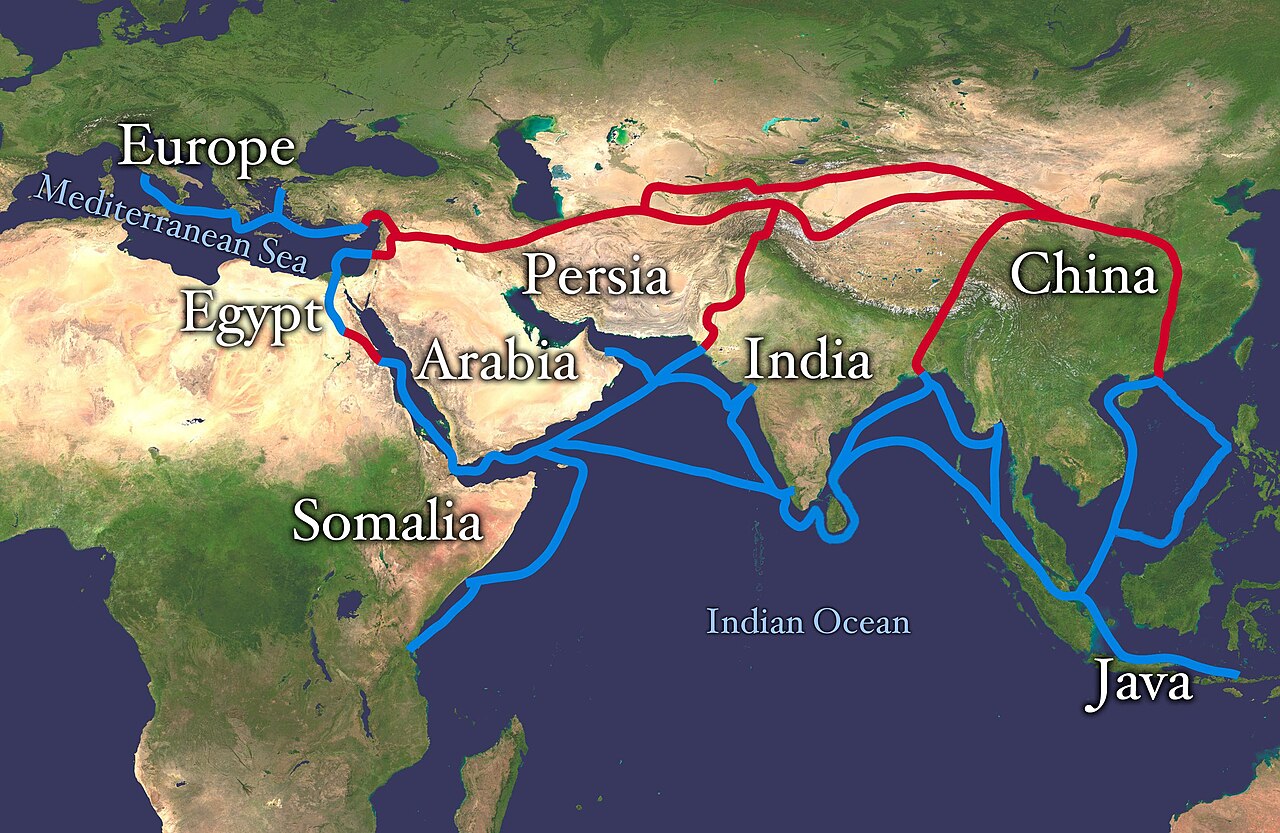
The trade routes that were used for the spice trade were extensive and complex, with many Trade Routes crisscrossing the Eastern World. The Silk Road was one of the most significant trade routes, with spices such as Cinnamon and Pepper being traded along this route. The Maritime Trade route was another significant route, with spices such as Nutmeg and Cloves being traded along this route. The spice trade also involved the use of Caravans, with many Caravan Routes being used to transport spices across the Eastern World.
🔍 Uncovering the True Sources of Spices
The true sources of the spices that were traded in the ancient world were often hidden behind fantastic tales and legends. The Arab Traders were known to have spread tales about the sources of the spices, in order to maintain their monopoly over the trade. The Indian Subcontinent was a major source of many spices, including Pepper and Cinnamon. However, the true sources of these spices were often hidden behind a veil of secrecy, with many Fantastic Tales being spread about their origins. The spice trade also involved the use of Maps, with many Mapmakers creating detailed maps of the trade routes and spice sources.
📚 Fantastic Tales and the Near East
The Near East was a significant region for the spice trade, with many Near Eastern Cities becoming major centers for the trade. The City of Alexandria was one of the most significant cities, with spices such as Cinnamon and Pepper being traded extensively in this city. The City of Antioch was another significant city, with many Arab Traders operating in this city. The spice trade also had a significant impact on the Near Eastern Cuisine, with many spices such as Cumin and Coriander being used extensively in the region.
🕊️ The Christian Era and the Spice Trade
The Christian era saw a significant increase in the spice trade, with many Christian Traders becoming involved in the trade. The Byzantine Empire was a major center for the spice trade, with spices such as Cinnamon and Pepper being traded extensively in this empire. The Medieval Europe was also a significant region for the spice trade, with many Medieval Cities becoming major centers for the trade. The spice trade also had a significant impact on the Medieval Cuisine, with many spices such as Ginger and Cloves being used extensively in the region.
💸 Economics of the Spice Trade
The economics of the spice trade were complex and multifaceted, with many Economists studying the trade in detail. The spice trade involved the exchange of spices for other goods such as Gold, Silver, and Textiles. The trade also involved the use of Coins, with many Coins being minted specifically for the spice trade. The spice trade also had a significant impact on the Global Economy, with many Global Events being influenced by the trade.
🚣♀️ Maritime Trade and the Spice Route
The maritime trade route was a significant route for the spice trade, with many Maritime Traders operating in this route. The Port of Basra was one of the most significant ports, with spices such as Pepper and Cinnamon being traded extensively in this port. The Port of Calicut was another significant port, with many Indian Traders operating in this port. The spice trade also involved the use of Ships, with many Ships being built specifically for the spice trade.
🌟 Impact of the Spice Trade on Global Cuisine
The impact of the spice trade on global cuisine was significant, with many Cuisines being influenced by the trade. The Indian Cuisine was one of the most significant cuisines, with many spices such as Cumin and Coriander being used extensively in this cuisine. The Chinese Cuisine was another significant cuisine, with many spices such as Ginger and Cloves being used extensively in this cuisine. The spice trade also had a significant impact on the Mediterranean Cuisine, with many spices such as Pepper and Cinnamon being used extensively in this cuisine.
🔥 Controversies and Challenges in the Spice Trade
The spice trade was not without its controversies and challenges, with many Controversies surrounding the trade. The Slave Trade was one of the most significant controversies, with many Slaves being used in the spice trade. The Colonialism was another significant controversy, with many Colonial Powers exploiting the spice trade for their own gain. The spice trade also involved the use of Monopolies, with many Monopolies being established to control the trade.
🔜 The Future of the Spice Trade
The future of the spice trade is uncertain, with many Future Trends emerging in the trade. The Sustainable Spice Trade is one of the most significant trends, with many Sustainable Practices being adopted in the trade. The Digital Spice Trade is another significant trend, with many Digital Platforms being established to facilitate the trade. The spice trade also has a significant impact on the Global Food System, with many Global Food Trends being influenced by the trade.
Key Facts
- Category
- topic
- Type
- topic
Frequently Asked Questions
What were the most significant spices traded in the ancient world?
The most significant spices traded in the ancient world were Cinnamon, Pepper, Cassia, Cardamom, Ginger, Nutmeg, Star Anise, Cloves, and Turmeric. These spices were highly valued for their flavor, aroma, and medicinal properties, and were traded extensively in the Eastern World. The spice trade played a crucial role in shaping the economies and cultures of the civilizations involved, with many Historical Civilizations relying heavily on the trade for their prosperity.
What were the most significant trade routes used for the spice trade?
The most significant trade routes used for the spice trade were the Silk Road and the Maritime Trade route. The Silk Road was a significant route for the trade of spices such as Cinnamon and Pepper, while the Maritime Trade route was a significant route for the trade of spices such as Nutmeg and Cloves. The spice trade also involved the use of Caravans, with many Caravan Routes being used to transport spices across the Eastern World.
What was the impact of the spice trade on global cuisine?
The impact of the spice trade on global cuisine was significant, with many Cuisines being influenced by the trade. The Indian Cuisine was one of the most significant cuisines, with many spices such as Cumin and Coriander being used extensively in this cuisine. The Chinese Cuisine was another significant cuisine, with many spices such as Ginger and Cloves being used extensively in this cuisine. The spice trade also had a significant impact on the Mediterranean Cuisine, with many spices such as Pepper and Cinnamon being used extensively in this cuisine.
What were the most significant controversies surrounding the spice trade?
The most significant controversies surrounding the spice trade were the Slave Trade and the Colonialism. The Slave Trade was a significant controversy, with many Slaves being used in the spice trade. The Colonialism was another significant controversy, with many Colonial Powers exploiting the spice trade for their own gain. The spice trade also involved the use of Monopolies, with many Monopolies being established to control the trade.
What is the future of the spice trade?
The future of the spice trade is uncertain, with many Future Trends emerging in the trade. The Sustainable Spice Trade is one of the most significant trends, with many Sustainable Practices being adopted in the trade. The Digital Spice Trade is another significant trend, with many Digital Platforms being established to facilitate the trade. The spice trade also has a significant impact on the Global Food System, with many Global Food Trends being influenced by the trade.
What were the most significant historical civilizations involved in the spice trade?
The most significant historical civilizations involved in the spice trade were the Ancient Egyptians, Ancient Greeks, and Ancient Romans. The Indian Subcontinent was a major hub for the spice trade, with spices such as Pepper and Cinnamon being exported to other parts of the world. The Arabian Peninsula was another significant region for the spice trade, with Arab Traders playing a crucial role in the trade.
What were the most significant spices used in the ancient world?
The most significant spices used in the ancient world were Cinnamon, Pepper, Cassia, Cardamom, Ginger, Nutmeg, Star Anise, Cloves, and Turmeric. These spices were highly valued for their flavor, aroma, and medicinal properties, and were traded extensively in the Eastern World.