
Contents
- 🌿 Introduction to Nutmeg
- 🌸 History of Nutmeg Cultivation
- 🌻 Nutmeg Species and Varieties
- 🌺 Nutmeg Production and Trade
- 🌴 The Banda Islands: Nutmeg Hub
- 🌹 Nutmeg Essential Oil and Butter
- 🍴 Culinary Uses of Nutmeg
- 💡 Health Benefits and Risks
- 🌎 Global Nutmeg Market
- 👥 Key Players in the Nutmeg Industry
- 📊 Nutmeg Market Trends and Outlook
- 🤝 Sustainability and Environmental Impact
- Frequently Asked Questions
- Related Topics
Overview
Nutmeg, derived from the seed of the Myristica fragrans tree, has a rich history dating back to the 6th century BC, with its origins in the Banda Islands of Indonesia. This spice has been a prized commodity, sparking wars and colonization, with the Dutch and British empires fiercely competing for control of the nutmeg trade in the 17th and 18th centuries. Today, nutmeg is a ubiquitous ingredient in global cuisine, from sweet baked goods to savory dishes, with a Vibe score of 82, reflecting its widespread cultural energy. However, its history is also marred by the exploitation of indigenous populations and the environmental degradation of nutmeg-producing regions. The controversy surrounding nutmeg is further complicated by its potential health benefits and risks, with some studies suggesting that it may have antioxidant and anti-inflammatory properties, while others warn of its potential toxicity in large quantities. As the global demand for nutmeg continues to grow, it is essential to consider the complex web of historical, cultural, and environmental factors that shape the nutmeg industry, with key players like the Indonesian government and international spice traders influencing the market. The future of nutmeg production and trade will likely be shaped by efforts to promote sustainable and equitable practices, with initiatives like fair trade certification and reforestation programs aiming to mitigate the negative impacts of the industry.
🌿 Introduction to Nutmeg
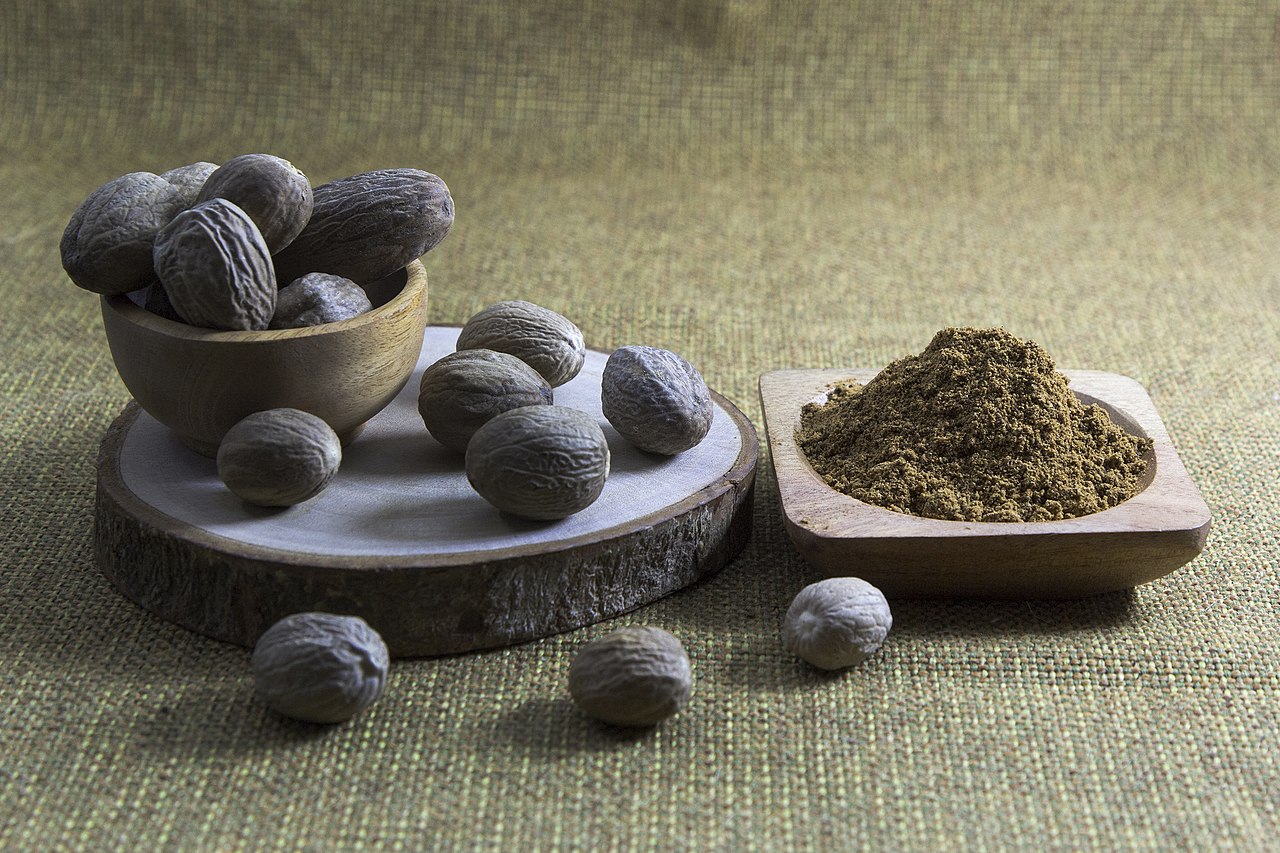
Nutmeg, the seed of the Myristica tree, is a spice with a rich history and diverse uses. Native to the Banda Islands in Indonesia, nutmeg has been a prized spice for centuries, with the Dutch East India Company playing a significant role in its trade and cultivation. Today, nutmeg is used in various cuisines, from Indonesian and Indian to Middle Eastern and Western. The spice is also a key ingredient in the production of nutmeg essential oil and nutmeg butter.
🌸 History of Nutmeg Cultivation
The history of nutmeg cultivation dates back to the 7th century, when the spice was first introduced to India by Arab traders. From there, it spread to other parts of Asia, including China and Indonesia. The Portuguese Empire played a significant role in the global trade of nutmeg, establishing trade routes and colonies in the Spice Islands. The Dutch East India Company later dominated the nutmeg trade, with the Banda Islands becoming a key producer. The history of nutmeg is closely tied to the history of colonialism and the spice trade.
🌻 Nutmeg Species and Varieties
There are several species of the Myristica tree, including Myristica fragrans and Myristica malabarica. The most commonly cultivated species is Myristica fragrans, which is native to the Banda Islands. The tree is a dark-leaved evergreen that produces a fruit that contains the nutmeg seed. The seed is surrounded by a seed covering, known as Mace, which is also used as a spice. The different species and varieties of nutmeg trees are adapted to different climates and soil conditions, with some species being more resistant to disease and pests than others.
🌺 Nutmeg Production and Trade
The production and trade of nutmeg are significant contributors to the economies of Indonesia and other nutmeg-producing countries. The Banda Islands are the main producer of nutmeg and Mace, with the majority of the crop being exported to other countries. The production of nutmeg involves several stages, including harvesting, drying, and grinding. The spice is then traded globally, with major markets including India, China, and the United States. The global nutmeg market is subject to fluctuations in supply and demand, with prices being influenced by factors such as weather conditions and trade policies.
🌴 The Banda Islands: Nutmeg Hub
The Banda Islands are a small archipelago in the Maluku region of Indonesia. The islands have a long history of nutmeg cultivation, with the spice being introduced to the islands by Arab traders in the 7th century. The Dutch East India Company established a monopoly on the nutmeg trade in the 17th century, and the islands became a key producer of the spice. Today, the Banda Islands are still a major producer of nutmeg, with the majority of the crop being exported to other countries. The islands are also home to a number of other spice-producing trees, including cinnamon and cloves.
🌹 Nutmeg Essential Oil and Butter
Nutmeg essential oil and nutmeg butter are two products that are derived from the nutmeg seed. Nutmeg essential oil is extracted from the seed through a process of steam distillation, and is used in aromatherapy and perfumery. Nutmeg butter is a semi-solid oil that is extracted from the seed through a process of cold pressing, and is used in cooking and cosmetics. Both products have a number of health benefits, including anti-inflammatory and antioxidant properties. The production of nutmeg essential oil and nutmeg butter is a significant industry, with major producers including Indonesia and India.
🍴 Culinary Uses of Nutmeg
Nutmeg is a versatile spice that is used in a variety of cuisines, including Indonesian, Indian, and Middle Eastern. The spice is commonly used to add flavor to dishes such as curries, stews, and baked goods. Nutmeg is also used as a flavoring agent in the production of beverages, including coffee and tea. The spice has a number of health benefits, including anti-inflammatory and antioxidant properties. However, it can also be toxic in large quantities, and should be consumed in moderation. The use of nutmeg in cooking is a topic of much debate, with some arguing that it is a key ingredient in many dishes, while others argue that it is overused and can be replaced with other spices.
💡 Health Benefits and Risks
Nutmeg has a number of health benefits, including anti-inflammatory and antioxidant properties. The spice has been shown to have a number of positive effects on health, including reducing inflammation and improving digestion. However, it can also be toxic in large quantities, and should be consumed in moderation. The health benefits of nutmeg are a topic of much research, with studies being conducted on its potential to prevent and treat a number of diseases, including cancer and Alzheimer's disease. The use of nutmeg in traditional medicine is also a topic of much interest, with the spice being used to treat a number of ailments, including fever and pain.
🌎 Global Nutmeg Market
The global nutmeg market is a significant industry, with major producers including Indonesia, India, and Sri Lanka. The market is subject to fluctuations in supply and demand, with prices being influenced by factors such as weather conditions and trade policies. The global nutmeg market is also subject to a number of trends and challenges, including the increasing demand for organic and sustainable products, and the impact of climate change on nutmeg production. The market is expected to continue to grow in the coming years, with the increasing demand for nutmeg in emerging markets such as China and India.
👥 Key Players in the Nutmeg Industry
There are a number of key players in the nutmeg industry, including Indonesian government agencies, Indian Spice Board, and Sri Lankan Spice Council. These organizations play a significant role in the production, trade, and regulation of nutmeg, and are responsible for promoting the interests of nutmeg producers and traders. The key players in the nutmeg industry are also involved in a number of initiatives, including the promotion of sustainable and organic nutmeg production, and the development of new products and markets.
📊 Nutmeg Market Trends and Outlook
The nutmeg market is subject to a number of trends and challenges, including the increasing demand for organic and sustainable products, and the impact of climate change on nutmeg production. The market is also subject to fluctuations in supply and demand, with prices being influenced by factors such as weather conditions and trade policies. The outlook for the nutmeg market is positive, with the increasing demand for nutmeg in emerging markets such as China and India. However, the market is also subject to a number of risks and challenges, including the impact of disease and pests on nutmeg production, and the potential for trade disruptions and price volatility.
🤝 Sustainability and Environmental Impact
The production and trade of nutmeg have a significant impact on the environment, with the spice being a major contributor to deforestation and habitat destruction in Indonesia and other nutmeg-producing countries. The use of pesticides and other chemicals in nutmeg production is also a topic of concern, with the potential for environmental pollution and harm to human health. The sustainability of nutmeg production is a topic of much debate, with some arguing that the spice can be produced in a sustainable and environmentally-friendly way, while others argue that the environmental impact of nutmeg production is too great to be ignored.
Key Facts
- Year
- 1511
- Origin
- Banda Islands, Indonesia
- Category
- Food and Spice
- Type
- Spice
Frequently Asked Questions
What is nutmeg?
Nutmeg is the seed of the Myristica tree, which is native to the Banda Islands in Indonesia. The spice is commonly used in cooking and has a number of health benefits, including anti-inflammatory and antioxidant properties.
Where is nutmeg produced?
Nutmeg is produced in a number of countries, including Indonesia, India, and Sri Lanka. The Banda Islands in Indonesia are the main producer of nutmeg, with the majority of the crop being exported to other countries.
What are the health benefits of nutmeg?
Nutmeg has a number of health benefits, including anti-inflammatory and antioxidant properties. The spice has been shown to have a number of positive effects on health, including reducing inflammation and improving digestion. However, it can also be toxic in large quantities, and should be consumed in moderation.
How is nutmeg used in cooking?
Nutmeg is a versatile spice that is used in a variety of cuisines, including Indonesian, Indian, and Middle Eastern. The spice is commonly used to add flavor to dishes such as curries, stews, and baked goods.
What is the environmental impact of nutmeg production?
The production and trade of nutmeg have a significant impact on the environment, with the spice being a major contributor to deforestation and habitat destruction in Indonesia and other nutmeg-producing countries. The use of pesticides and other chemicals in nutmeg production is also a topic of concern, with the potential for environmental pollution and harm to human health.
What is the outlook for the nutmeg market?
The outlook for the nutmeg market is positive, with the increasing demand for nutmeg in emerging markets such as China and India. However, the market is also subject to a number of risks and challenges, including the impact of disease and pests on nutmeg production, and the potential for trade disruptions and price volatility.
Who are the key players in the nutmeg industry?
The key players in the nutmeg industry include Indonesian government agencies, Indian Spice Board, and Sri Lankan Spice Council. These organizations play a significant role in the production, trade, and regulation of nutmeg, and are responsible for promoting the interests of nutmeg producers and traders.