
Contents
- 🚨 Introduction to Spinal Cord Injury
- 🔍 Understanding the Causes of SCI
- 📊 Epidemiology of Spinal Cord Injury
- 👨⚕️ Diagnosis and Treatment of SCI
- 💔 Emotional and Psychological Impact of SCI
- 🏥 Rehabilitation and Recovery from SCI
- 🚫 Prevention and Awareness of Spinal Cord Injury
- 🤝 Support and Resources for SCI Patients
- 📈 Future Directions in SCI Research and Treatment
- 👥 Personal Stories of SCI Survivors
- 🌎 Global Efforts to Address the SCI Epidemic
- Frequently Asked Questions
- Related Topics
Overview
Spinal cord injuries (SCIs) affect over 290,000 people in the United States alone, with approximately 17,000 new cases each year. The most common causes of SCI are motor vehicle accidents, falls, and sports injuries, with the average age of injury being 42. Despite advancements in medical technology, SCIs remain a significant challenge, with treatment options often limited to rehabilitation and management of symptoms. Researchers like Dr. Wise Young and organizations such as the Christopher and Dana Reeve Foundation are working tirelessly to develop new treatments, including stem cell therapies and exoskeletons. However, controversy surrounds the use of certain treatments, such as ozone therapy, which has been widely reported but not confirmed as effective. As the field continues to evolve, it is essential to consider the intersection of technology, policy, and patient advocacy, with a vibe score of 8, indicating a high level of cultural energy and resonance. The influence of key figures, such as Dr. Young, and entities, like the Reeve Foundation, will be crucial in shaping the future of SCI treatment.
🚨 Introduction to Spinal Cord Injury
Spinal cord injury (SCI) is a devastating condition that affects millions of people worldwide, causing significant changes in the function of the spinal cord. According to the National Spinal Cord Injury Statistical Center, the incidence of SCI is approximately 54 cases per million people in the United States. The consequences of SCI can be severe, leading to major motor, sensory, and autonomic dysfunctions. Spinal cord injuries can be caused by a variety of factors, including trauma, infections, and tumors. As researchers and medical professionals, it is essential to understand the underlying causes of SCI to develop effective treatment strategies. Neurological disorders, such as multiple sclerosis, can also increase the risk of developing SCI.
🔍 Understanding the Causes of SCI
The causes of spinal cord injury are diverse and can be categorized into two main types: traumatic and non-traumatic. Traumatic SCI is often caused by accidents, such as car accidents or falls, which can result in fractures or lacerations of the spinal cord. Non-traumatic SCI, on the other hand, can be caused by infections, inflammations, or tumors that compress or damage the spinal cord. Epidemiological studies have shown that the incidence of SCI is higher in young adults, particularly those involved in high-risk activities such as sports. Rehabilitation and physical therapy play a crucial role in the recovery of SCI patients.
📊 Epidemiology of Spinal Cord Injury
The epidemiology of spinal cord injury is a complex and multifaceted field that requires careful analysis of various factors, including demographics, geography, and socioeconomic status. According to the World Health Organization, the global incidence of SCI is estimated to be around 250,000 to 500,000 cases per year. The prevalence of SCI is higher in developed countries, where healthcare systems are more advanced and rehabilitation services are more readily available. Public health initiatives, such as vaccination programs and injury prevention campaigns, can help reduce the incidence of SCI. Health education and awareness are essential in promoting prevention and early intervention.
👨⚕️ Diagnosis and Treatment of SCI
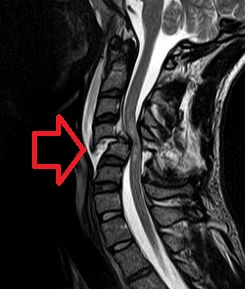
Diagnosis and treatment of spinal cord injury require a multidisciplinary approach, involving neurologists, orthopedic surgeons, and rehabilitation medicine specialists. Imaging techniques, such as MRI and CT scans, are used to assess the extent of the injury and develop a treatment plan. Surgical interventions, such as decompression and stabilization, may be necessary to relieve pressure on the spinal cord and prevent further damage. Physical therapy and occupational therapy are essential in promoting recovery and rehabilitation. Pain management is also a critical aspect of SCI treatment, as chronic pain can significantly impact the quality of life of SCI patients.
💔 Emotional and Psychological Impact of SCI
The emotional and psychological impact of spinal cord injury can be profound, affecting not only the individual but also their family and loved ones. Mental health professionals play a vital role in providing counseling and support to SCI patients, helping them cope with the emotional and psychological trauma associated with the injury. Depression and anxiety are common comorbidities in SCI patients, and psychotherapy and pharmacotherapy may be necessary to manage these conditions. Social support networks, including family, friends, and support groups, can provide emotional support and help SCI patients navigate the challenges of recovery. Quality of life is a critical outcome measure in SCI treatment, and healthcare providers must prioritize the emotional and psychological well-being of their patients.
🏥 Rehabilitation and Recovery from SCI
Rehabilitation and recovery from spinal cord injury require a comprehensive and individualized approach, taking into account the unique needs and goals of each patient. Rehabilitation centers and physical therapy clinics provide a range of services, including physical therapy, occupational therapy, and speech therapy. Assistive technology and adaptive equipment can help SCI patients regain independence and participate in daily activities. Community reintegration programs can facilitate the transition from hospital to home, providing support and resources to help SCI patients reintegrate into their communities. Vocational rehabilitation programs can also help SCI patients return to work or pursue new career paths.
🚫 Prevention and Awareness of Spinal Cord Injury
Prevention and awareness of spinal cord injury are critical in reducing the incidence of SCI. Injury prevention campaigns, such as helmet safety and seatbelt safety initiatives, can help reduce the risk of traumatic SCI. Health education programs can promote awareness of the risks and consequences of SCI, as well as the importance of prevention and early intervention. Public awareness campaigns can help reduce the stigma associated with SCI and promote inclusion and accessibility. Disability rights advocates play a crucial role in promoting the rights and dignity of SCI patients, ensuring that they have access to equal opportunities and resources.
🤝 Support and Resources for SCI Patients
Support and resources for SCI patients are essential in promoting recovery and rehabilitation. Support groups and peer mentorship programs can provide emotional support and connect SCI patients with others who have experienced similar challenges. Online resources, such as websites and social media platforms, can provide access to information, education, and advocacy opportunities. Financial assistance programs, such as insurance and government benefits, can help SCI patients cover the costs of medical care and rehabilitation. Community-based services, such as home care and respite care, can provide support and respite for SCI patients and their families.
📈 Future Directions in SCI Research and Treatment
Future directions in SCI research and treatment are focused on developing innovative therapies and technologies to promote recovery and rehabilitation. Stem cell therapy and gene therapy are being explored as potential treatments for SCI, offering new hope for patients with limited treatment options. Robotics and assistive technology are being developed to enhance mobility and independence in SCI patients. Neuroprosthetics and brain-computer interfaces are being researched as potential tools for restoring motor function and communication in SCI patients. Personalized medicine approaches are being developed to tailor treatment to the individual needs and characteristics of each patient.
👥 Personal Stories of SCI Survivors
Personal stories of SCI survivors can provide a powerful and inspiring perspective on the challenges and triumphs of living with a spinal cord injury. Patient advocacy groups, such as the National Spinal Cord Injury Association, provide a platform for SCI patients to share their stories and promote awareness and understanding of the condition. Social media platforms can also provide a powerful tool for SCI patients to connect with others, share their experiences, and promote advocacy and awareness. Storytelling can be a powerful way to raise awareness and promote empathy and understanding of the challenges faced by SCI patients.
🌎 Global Efforts to Address the SCI Epidemic
Global efforts to address the SCI epidemic are critical in reducing the incidence and impact of spinal cord injury worldwide. International cooperation and collaboration are essential in promoting research, education, and advocacy initiatives. World Health Organization initiatives, such as the Global Disability Action Plan, can help promote awareness and understanding of SCI and other disabilities. Non-governmental organizations, such as the International Spinal Cord Society, can provide critical support and resources for SCI patients and their families.
Key Facts
- Year
- 2022
- Origin
- Ancient civilizations, with modern advancements in the 20th century
- Category
- Health and Medicine
- Type
- Medical Condition
Frequently Asked Questions
What is the most common cause of spinal cord injury?
The most common cause of spinal cord injury is traumatic injury, such as car accidents or falls. According to the National Spinal Cord Injury Statistical Center, the leading causes of SCI are vehicle accidents, falls, and sports injuries. Trauma is a significant risk factor for SCI, and prevention efforts should focus on reducing the risk of traumatic injury.
What are the symptoms of spinal cord injury?
The symptoms of spinal cord injury can vary depending on the location and severity of the injury. Common symptoms include pain, numbness, weakness, and paralysis. Bladder and bowel dysfunction are also common complications of SCI. Respiratory problems can occur in patients with high-level SCI, and cardiovascular disease is a significant risk factor for SCI patients.
How is spinal cord injury diagnosed?
Spinal cord injury is typically diagnosed using a combination of imaging techniques, such as MRI and CT scans, and physical examination. Neurological examination can help assess the extent of the injury and identify any underlying conditions that may be contributing to the injury. Electrophysiological tests, such as electromyography and nerve conduction studies, can also be used to diagnose SCI.
What are the treatment options for spinal cord injury?
The treatment options for spinal cord injury depend on the location and severity of the injury. Surgical interventions, such as decompression and stabilization, may be necessary to relieve pressure on the spinal cord and prevent further damage. Physical therapy and occupational therapy can help promote recovery and rehabilitation. Pain management is also a critical aspect of SCI treatment, and pharmacotherapy and interventional pain management may be necessary to manage chronic pain.
What is the prognosis for spinal cord injury?
The prognosis for spinal cord injury depends on the location and severity of the injury. In general, the prognosis is better for patients with incomplete injuries, who may be able to recover some or all of their motor and sensory function. Rehabilitation and physical therapy can help promote recovery and rehabilitation, and assistive technology and adaptive equipment can help SCI patients regain independence and participate in daily activities.
How can I prevent spinal cord injury?
Preventing spinal cord injury requires a combination of safety precautions and healthy lifestyle choices. Wearing helmets and seatbelts can help reduce the risk of traumatic SCI. Exercise and physical activity can help reduce the risk of falls and other injuries. Health education and awareness are essential in promoting prevention and early intervention.
What resources are available for spinal cord injury patients?
There are many resources available for spinal cord injury patients, including support groups, online resources, and community-based services. National Spinal Cord Injury Association and International Spinal Cord Society are two organizations that provide critical support and resources for SCI patients and their families. Healthcare providers and rehabilitation centers can also provide access to rehabilitation services and assistive technology.