
Contents
Overview
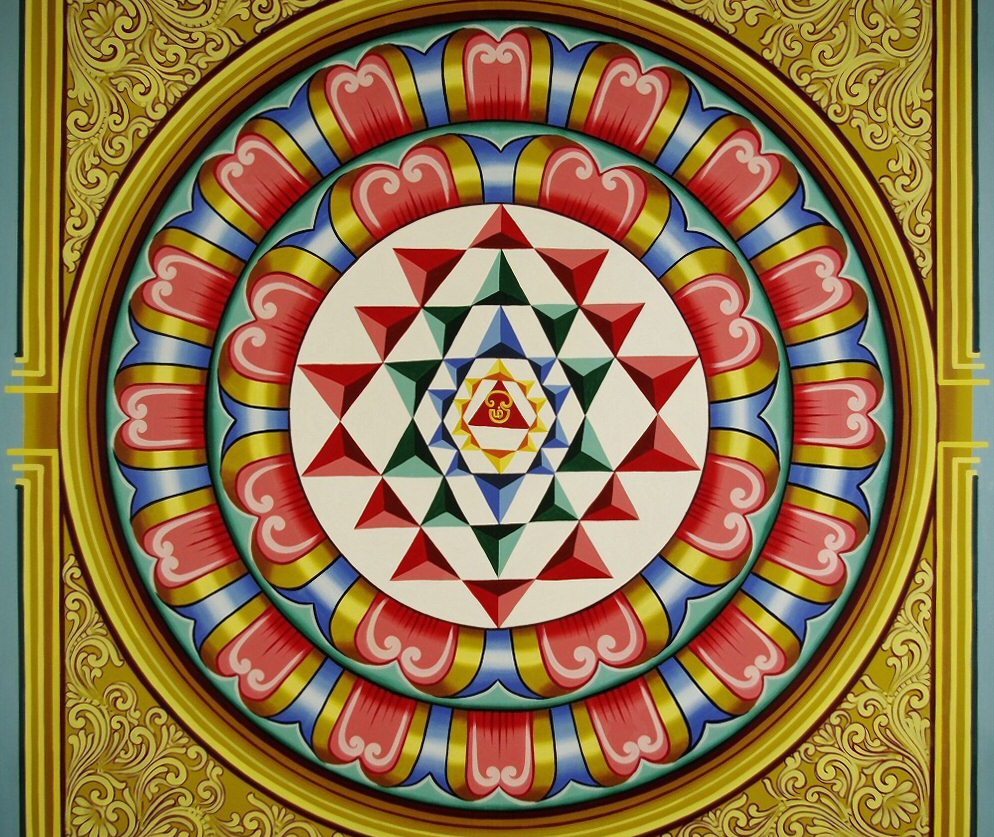
Tantric traditions represent a diverse and ancient lineage of spiritual practices originating in the Indian subcontinent, primarily within Shaivism, Shaktism, and later Mahayana Buddhism. These esoteric yogic systems, which emerged around the mid-1st millennium CE, offer profound methodologies for individual awakening and collective transformation. At their core, tantric paths emphasize the divine nature of the human body, often visualizing the union of cosmic principles like Shiva and Shakti, and aim for states of profound realization, supernatural accomplishment (siddhis), and spiritual liberation. They utilize a rich array of techniques including mantras, meditation, rituals, yoga, and the use of sacred diagrams like yantras and mandalas to purify the practitioner and facilitate the ascent of Kundalini energy. The goal is not ascetic renunciation but the integration of the material and spiritual, the sacred and the mundane, leading to a holistic understanding of existence and a vibrant, conscious way of life.
🎵 Origins and Evolution
The roots of tantric traditions are deeply embedded in the spiritual landscape of ancient India. Tantric practices initially flourished within Shaivism and Shaktism, and these practices later integrated into Mahayana Buddhism and Vaishnavism, demonstrating a remarkable adaptability and cross-pollination of ideas. Early tantric texts, known as the tantras, provided systematic frameworks for spiritual development, often diverging from earlier Vedic asceticism by embracing the material world as a divine manifestation. This period saw the codification of practices that viewed the human body as a sacred vessel for spiritual transformation. The development of these traditions was not monolithic; rather, it was a dynamic evolution influenced by regional philosophies and the specific devotional currents of each major religious stream, laying the groundwork for diverse tantric schools across the subcontinent.
⚙️ Core Principles and Practices
At the heart of tantric traditions lies a profound understanding of energy and consciousness, often symbolized by the union of Shiva and Shakti. Practices are designed to awaken and channel Kundalini energy, a potent spiritual force believed to reside at the base of the spine, guiding it upward through the chakras to achieve higher states of consciousness. This is accomplished through a sophisticated toolkit including mantra chanting (sacred sound vibrations), visualization techniques, mudras (symbolic hand gestures), pranayama (breath control), and ritualistic worship (pūjā). Unlike paths that emphasize renunciation, tantra often seeks liberation through engagement with the world, viewing sensory experiences and even the body's energies as potential pathways to enlightenment, a concept known as bhoga (enjoyment or experience).
📊 Scale and Diversity
The sheer breadth of tantric traditions is staggering, encompassing a vast array of texts, deities, and methodologies across India, Nepal, Tibet, and parts of Southeast Asia. While often associated with specific Hindu and Buddhist lineages, tantric principles have also influenced Jainism and indigenous spiritual practices. Tibetan Buddhism's Vajrayana path is heavily tantric, featuring elaborate deity yoga practices and complex mandala visualizations. Within Hinduism, traditions like the Kaula tradition and Kashmir Shaivism offer distinct approaches, often involving esoteric rituals and a deep philosophical engagement with the nature of reality, illustrating the immense diversity within this spiritual umbrella.
👥 Key Figures and Lineages
Pinpointing singular 'founders' for tantric traditions is challenging due to their organic evolution and the nature of esoteric transmission. However, key figures and lineages have been instrumental in shaping and preserving these practices. Organizations like the Ramakrishna Mission and various yoga ashrams globally continue to transmit adapted forms of these traditions, making them accessible to modern practitioners.
🌍 Cultural Resonance and Influence
The influence of tantric traditions extends far beyond their immediate practitioners, subtly shaping global culture, art, and spirituality. Concepts like chakras and Kundalini energy have entered mainstream wellness discourse, often simplified but indicative of a broader fascination with esoteric energy systems. The intricate yantras and mandalas have inspired visual artists and designers, while the philosophical underpinnings of integrating the material and spiritual resonate with contemporary movements seeking holistic living. The emphasis on embodied spirituality and direct experience, central to tantra, offers a counterpoint to purely intellectual or ascetic spiritual paths, finding echoes in modern mindfulness and somatic practices, influencing everything from holistic health approaches to community building initiatives.
⚡ Contemporary Tantra
In the 21st century, tantric traditions are experiencing a resurgence and transformation, particularly in the West. While some contemporary interpretations are embraced for their potential in healing and relational growth, others face scrutiny for commercialization or misrepresentation of original tantric aims, highlighting a dynamic tension between tradition and adaptation in the current era.
🤔 Controversies and Misconceptions
The term 'tantra' itself is often a source of controversy, largely due to Western popularization that frequently conflates it with explicit sexual practices, overshadowing its broader spiritual and philosophical dimensions. Critics argue that much of 'modern tantra' bears little resemblance to the rigorous, often monastic, traditions found in classical Shaivism or Mahayana Buddhism. Debates also arise regarding the ethical transmission of tantric knowledge, the potential for exploitation, and the accurate representation of deities and rituals. The historical context of tantra, which sometimes involved practices considered transgressive by mainstream society, adds another layer of complexity to contemporary discussions, leading to a significant controversy spectrum.
🔮 Future Trajectories
The future of tantric traditions likely involves continued adaptation and integration into global consciousness. As humanity seeks more embodied and holistic approaches to well-being and spiritual growth, the core principles of tantra—embracing the divine within the human, integrating the material and spiritual, and fostering deep connection—will likely gain traction. We may see further development in how tantric wisdom informs conscious governance models, regenerative culture practices, and holistic health modalities. The challenge will be to honor the depth and integrity of these ancient paths while making their transformative potential accessible and relevant for a rapidly changing world, potentially leading to new forms of conscious community.
💡 Practical Integration
Integrating the wisdom of tantric traditions into daily life can manifest in numerous ways, moving beyond esoteric practices to inform everyday actions. For individuals, this might involve cultivating mindful awareness of bodily sensations and energies through simple meditation or breathwork, fostering a deeper connection to oneself. In relationships, tantric principles can guide the development of authentic communication and intimacy, emphasizing presence and mutual respect. Within community building efforts, the tantric understanding of interconnectedness can inspire more collaborative and harmonious social structures. Even in the realm o
📚 Further Exploration
Further exploration into tantric traditions can be pursued through academic study of primary texts, engagement with reputable teachers and lineages, and personal practice grounded in ethical understanding. Resources such as scholarly journals, university courses on religious studies, and established centers for yogic and Buddhist studies offer in-depth knowledge. It is advisable to approach the study and practice of tantra with discernment, seeking guidance that respects its historical context and philosophical depth, thereby fostering a genuine understanding beyond popular misconceptions.
Key Facts
- Category
- consciousness
- Type
- topic