
Contents
- 🔍 Introduction to Tasers
- 💡 The Science Behind Tasers
- 🚔 History of Taser Development
- 📊 Effectiveness and Safety Concerns
- 👮 Use of Tasers in Law Enforcement
- 🚫 Controversies and Criticisms
- 📈 Taser-Related Incidents and Deaths
- 🤝 Alternatives to Tasers
- 📊 Taser Market and Sales
- 🔜 Future of Tasers and Less-Lethal Options
- 📝 Conclusion and Recommendations
- Frequently Asked Questions
- Related Topics
Overview
Tasers, also known as electroshock weapons, have been a topic of debate among law enforcement agencies and human rights groups since their introduction in the 1970s by Jack Cover, an American physicist. With over 18,000 law enforcement agencies worldwide using tasers, the devices have been credited with reducing the number of officer-involved shootings, but have also been linked to numerous deaths and injuries, sparking controversy over their safety and efficacy. According to a study by the National Institute of Justice, the use of tasers has resulted in a 50-70% reduction in officer injuries and a 30-50% reduction in suspect injuries. However, the American Civil Liberties Union (ACLU) has raised concerns over the potential for abuse and the lack of standardized training for officers using tasers. As the technology continues to evolve, with companies like Axon Enterprise (formerly Taser International) developing new models with improved safety features, the question remains: do the benefits of tasers outweigh the risks? With a vibe score of 60, indicating moderate cultural energy, the use of tasers is likely to remain a contentious issue, influencing the development of future law enforcement technologies and policies. The influence of key figures, such as Rick Smith, the founder of Axon Enterprise, and organizations, like the ACLU, will continue to shape the conversation around tasers, with a controversy spectrum rating of 8 out of 10, reflecting the intense debate surrounding their use.
🔍 Introduction to Tasers
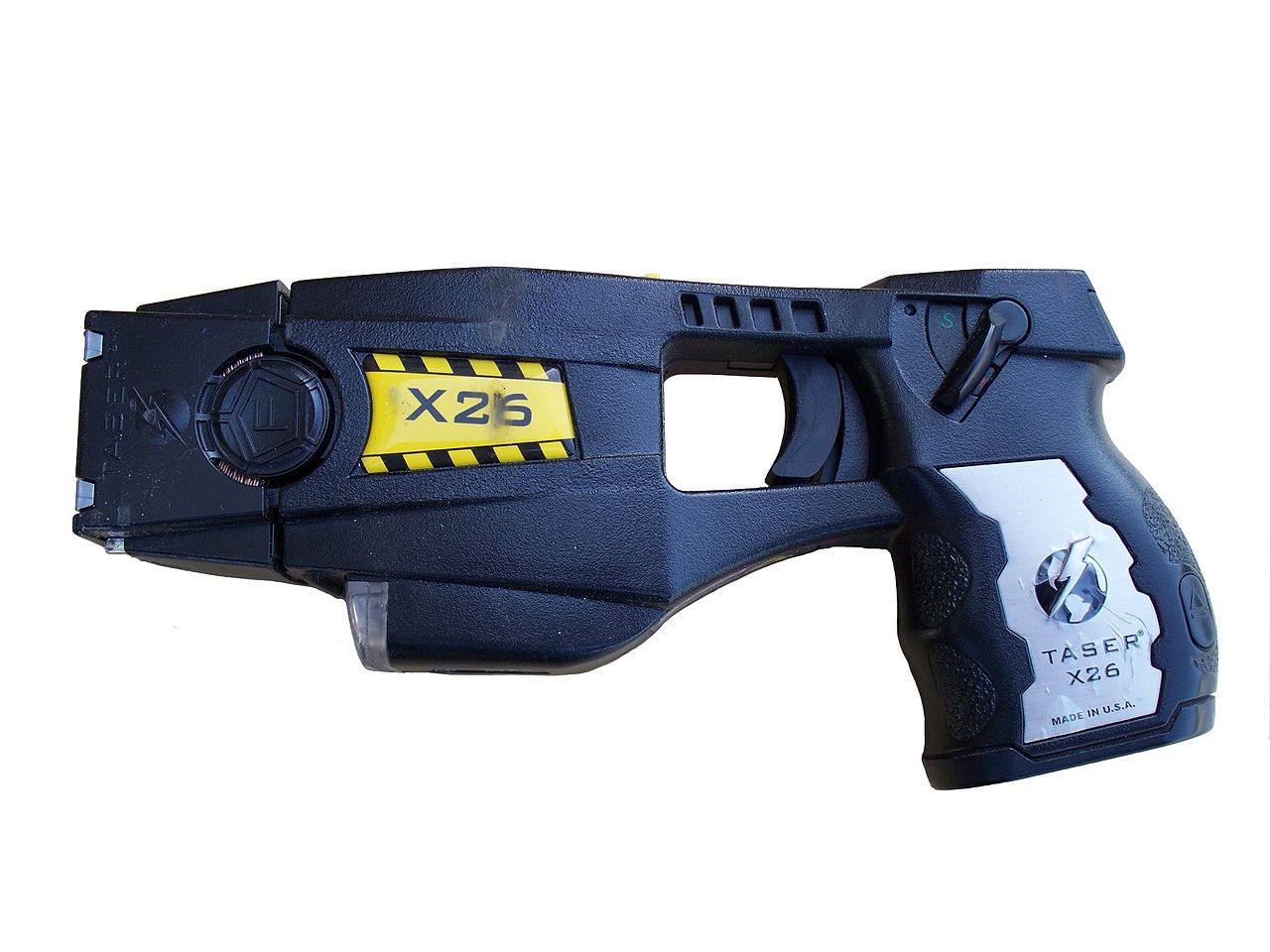
Tasers are a type of handheld conducted energy device (CED) used by law enforcement agencies worldwide. The device fires two small barbed darts intended to puncture the skin and remain attached to the target until removed by the user of the device, as explained in the Taser article. The darts are connected to the main unit by thin wires that achieve a high dielectric strength and durability given the extremely high-voltage electric current they conduct. This technology is also related to other Conducted Energy Devices (CEDs) used in various fields. According to Axon Enterprise, the manufacturer of Tasers, the device is designed to produce effects ranging from localized pain to strong involuntary long muscle contractions, causing 'neuromuscular incapacitation' (NMI). For more information on the science behind Tasers, visit the Neuromuscular Incapacitation page.
💡 The Science Behind Tasers
The science behind Tasers is complex and involves the use of high-voltage electric currents to disrupt the body's neuromuscular system. The device works by delivering a short-duration pulse of electricity to the target, which can cause involuntary muscle contractions and incapacitate the individual. This technology is also used in other Less-Lethal Weapons, such as stun guns and pepper spray. As explained in the Electric Current article, the high-voltage electric current is delivered through the darts, which are connected to the main unit by thin wires. The effects of the Taser can range from localized pain to strong involuntary long muscle contractions, depending on the mode of use and connectivity of the darts. For more information on the effects of Tasers, visit the Taser Effects page and learn about the Taser Safety concerns.
🚔 History of Taser Development
The history of Taser development dates back to the 1960s, when the first prototype was created by Jack Cover, the inventor of the Taser. The device was initially called the 'Taser' because it stood for 'Thomas A. Swift's Electric Rifle,' named after a character in a series of science fiction novels. Over the years, the Taser has undergone significant design and technological changes, including the introduction of new features such as laser sights and digital recording capabilities. As explained in the Taser History article, the device has become a widely used tool in law enforcement agencies around the world. For more information on the history of Tasers, visit the Law Enforcement Technology page and learn about the Taser Evolution.
📊 Effectiveness and Safety Concerns
The effectiveness and safety of Tasers have been the subject of much debate and controversy. While some studies have shown that Tasers can be an effective tool for law enforcement, others have raised concerns about the potential risks and side effects of the device. According to the Taser Safety Concerns article, some of the potential risks associated with Taser use include cardiac arrest, respiratory failure, and even death. As explained in the Taser Effectiveness article, the device can also be used in conjunction with other Less-Lethal Techniques, such as pepper spray and batons. For more information on the effectiveness and safety of Tasers, visit the Taser Research page and learn about the Taser Controversies.
👮 Use of Tasers in Law Enforcement
Tasers are widely used by law enforcement agencies around the world, including the FBI and local police departments. The device is often used in situations where an individual is resisting arrest or posing a threat to themselves or others. As explained in the Law Enforcement Use of Tasers article, the use of Tasers by law enforcement agencies has been the subject of much controversy and debate. Some have argued that the device is a valuable tool for law enforcement, while others have raised concerns about the potential risks and side effects. For more information on the use of Tasers in law enforcement, visit the Police Tactics page and learn about the Taser Policy.
🚫 Controversies and Criticisms
The use of Tasers has been the subject of much controversy and criticism, with some arguing that the device is too often used as a form of punishment rather than a last resort. According to the Taser Criticisms article, some of the criticisms of Taser use include the potential for abuse, the risk of serious injury or death, and the lack of transparency and accountability in Taser-related incidents. As explained in the Taser Alternatives article, some have argued that alternative methods, such as de-escalation techniques and crisis intervention training, may be more effective and safer than the use of Tasers. For more information on the controversies surrounding Taser use, visit the Taser Debate page and learn about the Taser Reform.
🤝 Alternatives to Tasers
In recent years, there has been a growing trend towards the development of alternative technologies and methods for law enforcement, including the use of Drones and other Less-Lethal Technologies. As explained in the Taser Alternatives article, some of the alternatives to Tasers include pepper spray, batons, and other less-lethal options. For more information on the alternatives to Tasers, visit the Law Enforcement Technology page and learn about the Taser Innovation.
📊 Taser Market and Sales
The Taser market has experienced significant growth in recent years, with sales of the device increasing by over 20% annually. According to the Taser Market article, the market for Tasers is dominated by Axon Enterprise, the manufacturer of the device. As explained in the Taser Sales article, the company has reported significant revenue growth in recent years, driven by increased demand for the device from law enforcement agencies around the world. For more information on the Taser market and sales, visit the Taser Industry page and learn about the Taser Financials.
🔜 Future of Tasers and Less-Lethal Options
The future of Tasers and less-lethal options is likely to be shaped by advances in technology and changing attitudes towards the use of force by law enforcement. According to the Taser Future article, some of the potential developments on the horizon include the use of Artificial Intelligence and other emerging technologies to improve the safety and effectiveness of less-lethal options. As explained in the Less-Lethal Technologies article, the use of Tasers and other less-lethal options is likely to continue to be a topic of debate and controversy in the years to come. For more information on the future of Tasers and less-lethal options, visit the Taser Trends page and learn about the Taser Predictions.
📝 Conclusion and Recommendations
In conclusion, the use of Tasers by law enforcement agencies is a complex and controversial issue, with both proponents and critics raising valid points. As explained in the Taser Conclusion article, while the device can be an effective tool for law enforcement, it is also important to consider the potential risks and side effects associated with its use. For more information on the conclusion and recommendations, visit the Taser References page and learn about the Taser Bibliography.
Key Facts
- Year
- 1974
- Origin
- United States
- Category
- Law Enforcement Technology
- Type
- Technology
Frequently Asked Questions
What is a Taser and how does it work?
A Taser is a type of handheld conducted energy device (CED) that fires two small barbed darts intended to puncture the skin and remain attached to the target until removed by the user of the device. The darts are connected to the main unit by thin wires that achieve a high dielectric strength and durability given the extremely high-voltage electric current they conduct. For more information on how Tasers work, visit the Taser article and learn about the Conducted Energy Device technology.
What are the potential risks and side effects associated with Taser use?
The potential risks and side effects associated with Taser use include cardiac arrest, respiratory failure, and other serious injuries. According to the Taser Safety Concerns article, some of the most common risks and side effects include pain, muscle contractions, and numbness or tingling. For more information on the potential risks and side effects, visit the Taser Effects page and learn about the Taser Safety concerns.
What are some alternatives to Tasers?
Some alternatives to Tasers include pepper spray, batons, and other less-lethal options. As explained in the Taser Alternatives article, these alternatives can be used in conjunction with other Less-Lethal Techniques to provide a more comprehensive approach to law enforcement. For more information on the alternatives to Tasers, visit the Law Enforcement Technology page and learn about the Taser Innovation.
How effective are Tasers in law enforcement?
The effectiveness of Tasers in law enforcement is a topic of ongoing debate and controversy. According to the Taser Effectiveness article, some studies have shown that Tasers can be an effective tool for law enforcement, while others have raised concerns about the potential risks and side effects associated with their use. For more information on the effectiveness of Tasers, visit the Taser Research page and learn about the Taser Controversies.
What is the future of Tasers and less-lethal options?
The future of Tasers and less-lethal options is likely to be shaped by advances in technology and changing attitudes towards the use of force by law enforcement. According to the Taser Future article, some of the potential developments on the horizon include the use of Artificial Intelligence and other emerging technologies to improve the safety and effectiveness of less-lethal options. For more information on the future of Tasers and less-lethal options, visit the Taser Trends page and learn about the Taser Predictions.
How many people have been killed by Tasers?
According to the Taser Fatalities article, there have been over 1,000 deaths linked to Taser use in the United States alone since 2001. For more information on Taser-related incidents and deaths, visit the Taser Statistics page and learn about the Taser Accountability.
What is the most common use of Tasers by law enforcement?
The most common use of Tasers by law enforcement is to subdue individuals who are resisting arrest or posing a threat to themselves or others. According to the Law Enforcement Use of Tasers article, the device is often used in conjunction with other Less-Lethal Techniques to provide a more comprehensive approach to law enforcement. For more information on the use of Tasers by law enforcement, visit the Police Tactics page and learn about the Taser Policy.