
Contents
- 🌿 Introduction to Tea Workers
- 📊 The Economics of Tea Production
- 🌟 The Human Cost of Tea Production
- 🏭 Working Conditions in Tea Estates
- 🚫 Labor Rights and Social Justice
- 🌎 Global Supply Chain and Its Impact
- 👥 The Role of Trade Unions and Activism
- 📈 Improving Working Conditions and Wages
- 🤝 Certification and Fair Trade Practices
- 🌈 Conclusion and Future Directions
- 📊 References and Further Reading
- Frequently Asked Questions
- Related Topics
Overview
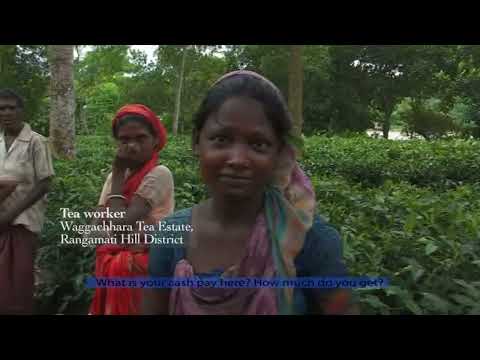
Tea workers, primarily found in countries like India, Kenya, and Sri Lanka, have been the backbone of the global tea industry for centuries. Despite their crucial role, they often face exploitative working conditions, low wages, and limited social protections. The history of tea workers is marked by colonialism, with many plantations established during the British colonial era, leading to the displacement and marginalization of indigenous communities. Today, tea workers continue to fight for better working conditions, fair wages, and social justice. The controversy surrounding tea workers' rights has sparked debates about the ethics of consumerism and the responsibility of multinational corporations. As the demand for sustainable and ethical tea production grows, the future of tea workers hangs in the balance, with some arguing that fair trade practices and unionization are key to improving their livelihoods.
🌿 Introduction to Tea Workers
The tea industry is one of the largest employers in the world, with millions of workers engaged in tea production, processing, and packaging. However, the labor behind the tea industry is often invisible, with workers facing poor working conditions, low wages, and limited access to social services. According to the International Labor Organization, the tea industry is plagued by issues of child labor, forced labor, and discrimination. To address these issues, organizations such as the Fairtrade Foundation and the Rainforest Alliance are working to promote fair trade practices and improve the lives of tea workers.
📊 The Economics of Tea Production
The economics of tea production is complex, with multiple stakeholders involved in the supply chain. Tea estates, which are large plantations that produce tea, are often owned by multinational corporations or local businesses. These estates employ thousands of workers, who are responsible for planting, harvesting, and processing tea leaves. However, the wages paid to these workers are often very low, with some workers earning as little as $1 per day. This is despite the fact that the global tea industry is worth billions of dollars, with major brands such as Twinings and Lipton dominating the market. To learn more about the economics of tea production, visit the World Tea News website.
🌟 The Human Cost of Tea Production
The human cost of tea production is significant, with workers facing numerous health risks and social challenges. Tea workers are often exposed to hazardous chemicals, such as pesticides and fertilizers, which can cause serious health problems. Additionally, workers may be required to work long hours in difficult conditions, with limited access to sanitation and hygiene facilities. The World Health Organization has reported that tea workers are at high risk of contracting diseases such as malaria and tuberculosis. To address these issues, organizations such as the Tea Workers Welfare Fund are working to provide support and services to tea workers.
🏭 Working Conditions in Tea Estates
Working conditions in tea estates are often poor, with workers facing numerous challenges and hazards. Tea workers may be required to work in remote areas, with limited access to transportation, communication, and other services. Additionally, workers may be subjected to physical and verbal abuse, with limited recourse to justice. The International Labor Organization has reported that tea workers are often denied their basic rights, including the right to freedom of association and collective bargaining. To learn more about working conditions in tea estates, visit the Tea Estate Workers Union website.
🌎 Global Supply Chain and Its Impact
The global supply chain of the tea industry is complex, with multiple stakeholders involved in the production, processing, and distribution of tea. Tea is grown in many countries, including India, China, and Kenya, and is then exported to countries around the world. However, the supply chain is often opaque, with limited transparency and accountability. This can make it difficult to track the origin of tea and ensure that it is produced and traded fairly. To learn more about the global supply chain of the tea industry, visit the Tea Trade Federation website.
👥 The Role of Trade Unions and Activism
The role of trade unions and activism is critical in promoting the rights and interests of tea workers. Trade unions, such as the Tea Estate Workers Union, are working to organize tea workers and negotiate better wages and working conditions. Activist organizations, such as the Tea Workers Solidarity Network, are also working to raise awareness about the issues faced by tea workers and promote fair trade practices. The International Labor Organization has recognized the importance of trade unions and activism in promoting labor rights and social justice.
📈 Improving Working Conditions and Wages
Improving working conditions and wages is critical to promoting the well-being and dignity of tea workers. This can be achieved through a range of measures, including the implementation of fair labor practices, the provision of training and education, and the improvement of working conditions. Organizations such as the Fair Labor Association and the Social Accountability International are working to promote fair labor practices and improve the lives of tea workers. The World Tea News website provides updates on the latest developments in the tea industry, including initiatives to improve working conditions and wages.
🤝 Certification and Fair Trade Practices
Certification and fair trade practices are important tools in promoting the rights and interests of tea workers. Certification schemes, such as Fairtrade and Rainforest Alliance, provide a guarantee that tea is produced and traded fairly. Fair trade practices, such as the payment of fair prices and the provision of social services, can also help to improve the lives of tea workers. The Fairtrade Foundation and the Rainforest Alliance are working to promote fair trade practices and improve the lives of tea workers. To learn more about certification and fair trade practices, visit the Fairtrade International website.
🌈 Conclusion and Future Directions
In conclusion, the labor behind the tea industry is often invisible, with workers facing poor working conditions, low wages, and limited access to social services. However, there are many organizations and initiatives working to promote the rights and interests of tea workers, including trade unions, activist organizations, and certification schemes. The United Nations has also launched initiatives to promote sustainable development and human rights in the tea industry. To learn more about the issues faced by tea workers and the initiatives to address them, visit the Tea Workers Solidarity Network website.
📊 References and Further Reading
For further reading on the topic of tea workers and labor rights, visit the World Tea News website or the Tea Estate Workers Union website. The Fair Labor Association and the Social Accountability International also provide information and resources on fair labor practices and social accountability in the tea industry.
Key Facts
- Year
- 2023
- Origin
- India, Kenya, Sri Lanka
- Category
- Labor Rights and Social Justice
- Type
- Occupational Group
Frequently Asked Questions
What are the main issues faced by tea workers?
Tea workers face numerous issues, including poor working conditions, low wages, and limited access to social services. They may also be exposed to hazardous chemicals and face physical and verbal abuse. The International Labor Organization has reported that tea workers are often denied their basic rights, including the right to freedom of association and collective bargaining.
What is being done to address the issues faced by tea workers?
There are many organizations and initiatives working to promote the rights and interests of tea workers, including trade unions, activist organizations, and certification schemes. The Fair Labor Association and the Social Accountability International are working to promote fair labor practices and improve the lives of tea workers. The United Nations has also launched initiatives to promote sustainable development and human rights in the tea industry.
What can consumers do to support tea workers?
Consumers can support tea workers by choosing to buy tea that is certified as fair trade or sustainably produced. They can also support organizations that work to promote the rights and interests of tea workers, such as the Tea Workers Solidarity Network. Additionally, consumers can raise awareness about the issues faced by tea workers and advocate for better working conditions and wages.
What is the role of trade unions in promoting the rights of tea workers?
Trade unions, such as the Tea Estate Workers Union, play a critical role in promoting the rights and interests of tea workers. They work to organize tea workers and negotiate better wages and working conditions. Trade unions also provide a platform for tea workers to voice their concerns and advocate for their rights.
What is the impact of fair trade practices on tea workers?
Fair trade practices, such as the payment of fair prices and the provision of social services, can have a significant impact on the lives of tea workers. Fair trade practices can help to improve the working conditions and wages of tea workers, as well as provide them with access to social services such as healthcare and education. The Fairtrade Foundation and the Rainforest Alliance are working to promote fair trade practices and improve the lives of tea workers.