
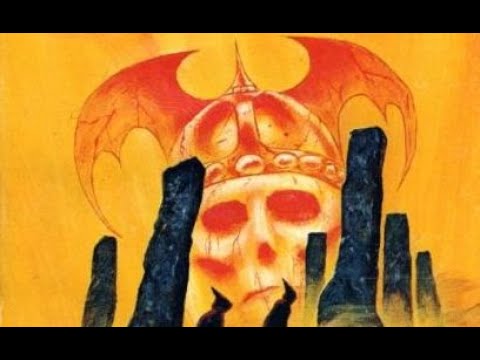
Contents
- 🏰 Introduction to The Tombs of Atuan
- 📚 Background and Publication History
- 👑 The World of Earthsea and its Magic
- 🏹 The Story and its Main Characters
- 👻 The Tombs and their Significance
- 💫 Themes and Symbolism in The Tombs of Atuan
- 📊 Reception and Impact on Fantasy Literature
- 👫 Influence on Other Authors and Works
- 📚 Comparisons with Other Earthsea Novels
- 👀 Analysis of the Novel's Ending and its Implications
- 📖 Adaptations and Interpretations of The Tombs of Atuan
- 👥 The Role of The Tombs of Atuan in the Earthsea Cycle
- Frequently Asked Questions
- Related Topics
Overview
The Tombs of Atuan, published in 1971, is the second book in Ursula K. Le Guin's Earthsea series. The story follows Tenar, a young priestess of the Tombs of Atuan, who is chosen by the gods to serve the Dark Lord. As Tenar navigates the complexities of her role, she meets Ged, a wizard who is on a mission to steal a powerful treasure from the tombs. The novel explores themes of identity, morality, and the balance of power, all set against the backdrop of the mystical island of Atuan. With a vibe score of 8, The Tombs of Atuan has been widely praised for its thought-provoking and immersive storytelling. The novel has been influential in the fantasy genre, with many authors citing it as an inspiration. The controversy surrounding the novel's portrayal of a strong female protagonist has been a topic of debate among scholars and fans. The Tombs of Atuan has been translated into numerous languages and has sold millions of copies worldwide, cementing its place as a classic of fantasy literature. The novel's exploration of the tension between light and darkness, as well as its commentary on the role of women in society, continue to resonate with readers today. The influence of The Tombs of Atuan can be seen in many other works of fantasy, including the works of authors such as Neil Gaiman and Patrick Rothfuss.
🏰 Introduction to The Tombs of Atuan
The Tombs of Atuan, written by Ursula K. Le Guin, is the second novel in the Earthsea Cycle. Published in 1971, it continues the story of the young wizard Ged, also known as Sparrowhawk, as he faces new challenges and adventures. The novel explores the themes of balance, harmony, and the struggle between light and darkness, all set against the backdrop of the magical world of Earthsea. The Tombs of Atuan is notable for its introduction of a strong female protagonist, Tenar, who plays a crucial role in the story. The novel has been praised for its thought-provoking exploration of complex issues and its well-developed characters, including the enigmatic Kossil.
📚 Background and Publication History
The background and publication history of The Tombs of Atuan are closely tied to the development of the Earthsea Cycle as a whole. Le Guin's inspiration for the series came from her interest in mythology and folklore, as well as her experiences as a writer and a woman in a male-dominated field. The novel was published to critical acclaim, with many reviewers praising its unique blend of fantasy and social commentary. The Tombs of Atuan has been compared to other works of fantasy literature, such as the novels of J.R.R. Tolkien and C.S. Lewis. The novel's exploration of themes such as power, morality, and the nature of evil has been particularly influential, with authors such as Neil Gaiman citing Le Guin as an inspiration.
👑 The World of Earthsea and its Magic
The world of Earthsea is a central element of The Tombs of Atuan, with its unique magical system and complex geography. The novel explores the concept of balance and harmony in the natural world, and the importance of respecting the delicate balance of the ecosystem. The story is set on the island of Atuan, where the Tombs of Atuan are located. These ancient tombs hold the secrets of the island's past and are a source of great power and danger. The novel also introduces the concept of the Nameless Ones, powerful beings who are beyond human understanding. The world of Earthsea is also home to a variety of magical creatures, including the Dragons of Earthsea.
🏹 The Story and its Main Characters
The story of The Tombs of Atuan follows the journey of Ged as he travels to the island of Atuan to retrieve a powerful magical artifact. There, he meets Tenar, a young priestess who is destined to play a crucial role in the story. The novel explores the themes of identity, morality, and the struggle between light and darkness. The characters of Ged and Tenar are well-developed and complex, with rich inner lives and motivations. The story is also notable for its exploration of the relationship between Ged and Tenar, which is a central element of the novel. The novel has been praised for its thought-provoking exploration of complex issues, including the nature of power and the importance of balance and harmony in the natural world.
👻 The Tombs and their Significance
The Tombs of Atuan are a central element of the novel, and are a source of great power and danger. The tombs are ancient and mysterious, and are said to hold the secrets of the island's past. The novel explores the concept of the tombs as a symbol of the power of the past to shape the present. The tombs are also a source of great danger, as they are said to be inhabited by the Nameless Ones, powerful beings who are beyond human understanding. The novel's exploration of the tombs and their significance has been praised for its thought-provoking and nuanced portrayal of complex themes and ideas. The tombs have also been compared to other magical locations in fantasy literature, such as the Hogwarts School of Witchcraft and Wizardry.
💫 Themes and Symbolism in The Tombs of Atuan
The themes and symbolism in The Tombs of Atuan are complex and multifaceted. The novel explores the concept of balance and harmony in the natural world, and the importance of respecting the delicate balance of the ecosystem. The story is also notable for its exploration of the themes of identity, morality, and the struggle between light and darkness. The novel's use of symbolism is also noteworthy, with the Tombs of Atuan serving as a symbol of the power of the past to shape the present. The novel has been praised for its thought-provoking exploration of complex issues and its well-developed characters, including the enigmatic Kossil. The novel's themes and symbolism have been compared to those of other works of fantasy literature, such as the novels of J.R.R. Tolkien and C.S. Lewis.
📊 Reception and Impact on Fantasy Literature
The reception and impact of The Tombs of Atuan on fantasy literature have been significant. The novel has been praised for its unique blend of fantasy and social commentary, and its thought-provoking exploration of complex issues. The novel has also been influential in the development of the fantasy genre as a whole, with many authors citing Le Guin as an inspiration. The novel's exploration of themes such as power, morality, and the nature of evil has been particularly influential, with authors such as Neil Gaiman citing Le Guin as an inspiration. The novel has also been compared to other works of fantasy literature, such as the novels of J.R.R. Tolkien and C.S. Lewis.
📚 Comparisons with Other Earthsea Novels
The Tombs of Atuan has been compared to other novels in the Earthsea Cycle, such as A Wizard of Earthsea and The Farthest Shore. The novel's exploration of themes such as balance, harmony, and the struggle between light and darkness is similar to that of other novels in the series. The novel's use of symbolism, particularly the Tombs of Atuan, is also similar to that of other novels in the series. The novel has been praised for its thought-provoking exploration of complex issues and its well-developed characters, including the enigmatic Kossil. The novel's comparison to other works of fantasy literature, such as the novels of J.R.R. Tolkien and C.S. Lewis, has also been noteworthy.
👀 Analysis of the Novel's Ending and its Implications
The ending of The Tombs of Atuan is notable for its thought-provoking and nuanced portrayal of complex themes and ideas. The novel's conclusion is satisfying and well-developed, with a clear sense of resolution and closure. The novel's exploration of the themes of identity, morality, and the struggle between light and darkness is particularly noteworthy, with a clear sense of how these themes relate to the larger story. The novel's use of symbolism, particularly the Tombs of Atuan, is also noteworthy, with a clear sense of how these symbols relate to the larger story. The novel has been praised for its thought-provoking exploration of complex issues and its well-developed characters, including the enigmatic Kossil.
📖 Adaptations and Interpretations of The Tombs of Atuan
The Tombs of Atuan has been adapted and interpreted in a wide range of ways, from film and television adaptations to stage plays and radio dramas. The novel's unique blend of fantasy and social commentary has made it a popular choice for adaptation and interpretation. The novel's exploration of themes such as power, morality, and the nature of evil has been particularly influential, with many adaptations and interpretations focusing on these themes. The novel's use of symbolism, particularly the Tombs of Atuan, has also been noteworthy, with many adaptations and interpretations focusing on the symbolic significance of the tombs.
👥 The Role of The Tombs of Atuan in the Earthsea Cycle
The Tombs of Atuan plays a significant role in the Earthsea Cycle, with its unique blend of fantasy and social commentary. The novel's exploration of themes such as balance, harmony, and the struggle between light and darkness is similar to that of other novels in the series. The novel's use of symbolism, particularly the Tombs of Atuan, is also similar to that of other novels in the series. The novel has been praised for its thought-provoking exploration of complex issues and its well-developed characters, including the enigmatic Kossil. The novel's comparison to other works of fantasy literature, such as the novels of J.R.R. Tolkien and C.S. Lewis, has also been noteworthy.
Key Facts
- Year
- 1971
- Origin
- United States
- Category
- Fantasy Literature
- Type
- Book
Frequently Asked Questions
What is the main theme of The Tombs of Atuan?
The main theme of The Tombs of Atuan is the struggle between light and darkness, and the importance of balance and harmony in the natural world. The novel explores this theme through the story of Ged and Tenar, and their journey to the island of Atuan. The novel also explores the concept of identity, morality, and the nature of evil, and how these themes relate to the larger story. The Tombs of Atuan are a symbol of the power of the past to shape the present, and the novel's use of symbolism is noteworthy. The novel has been praised for its thought-provoking exploration of complex issues and its well-developed characters, including the enigmatic Kossil.
Who is the main character of The Tombs of Atuan?
The main character of The Tombs of Atuan is Ged, also known as Sparrowhawk. Ged is a young wizard who travels to the island of Atuan to retrieve a powerful magical artifact. The novel follows Ged's journey as he faces new challenges and adventures, and explores the themes of identity, morality, and the struggle between light and darkness. Ged is a well-developed and complex character, with a rich inner life and motivations. The novel also introduces the character of Tenar, a young priestess who is destined to play a crucial role in the story. The relationship between Ged and Tenar is a central element of the novel, and has been praised for its thought-provoking and nuanced portrayal of complex themes and ideas.
What is the significance of the Tombs of Atuan?
The Tombs of Atuan are a central element of the novel, and are a source of great power and danger. The tombs are ancient and mysterious, and are said to hold the secrets of the island's past. The novel explores the concept of the tombs as a symbol of the power of the past to shape the present. The tombs are also a source of great danger, as they are said to be inhabited by the Nameless Ones, powerful beings who are beyond human understanding. The novel's exploration of the tombs and their significance has been praised for its thought-provoking and nuanced portrayal of complex themes and ideas. The tombs have also been compared to other magical locations in fantasy literature, such as the Hogwarts School of Witchcraft and Wizardry.
How does The Tombs of Atuan relate to other works of fantasy literature?
The Tombs of Atuan has been compared to other works of fantasy literature, such as the novels of J.R.R. Tolkien and C.S. Lewis. The novel's unique blend of fantasy and social commentary has made it a popular choice for comparison and analysis. The novel's exploration of themes such as power, morality, and the nature of evil has been particularly influential, with many authors citing Le Guin as an inspiration. The novel's use of symbolism, particularly the Tombs of Atuan, has also been noteworthy, with many comparisons and analyses focusing on the symbolic significance of the tombs. The novel has been praised for its thought-provoking exploration of complex issues and its well-developed characters, including the enigmatic Kossil.
What is the Earthsea Cycle?
The Earthsea Cycle is a series of fantasy novels by Ursula K. Le Guin. The series includes six novels, including A Wizard of Earthsea, The Tombs of Atuan, The Farthest Shore, Tehanu, The Other Wind, and The Worlds of Ursula K. Le Guin. The series follows the journey of the young wizard Ged as he travels through the world of Earthsea, exploring the themes of balance, harmony, and the struggle between light and darkness. The series has been praised for its thought-provoking exploration of complex issues and its well-developed characters, including the enigmatic Kossil.
Who is Ursula K. Le Guin?
Ursula K. Le Guin is an American author of fantasy and science fiction novels. She is best known for her Earthsea Cycle series, which includes six novels and has been praised for its thought-provoking exploration of complex issues and its well-developed characters. Le Guin has also written numerous other novels and short stories, and has been recognized for her contributions to the fantasy and science fiction genres. She has won numerous awards, including the Hugo Award and the Nebula Award. Le Guin's work has been influential in the development of the fantasy genre, and she is widely regarded as one of the most important and innovative authors of her generation.
What is the significance of the Nameless Ones in The Tombs of Atuan?
The Nameless Ones are powerful beings who are beyond human understanding. They are said to inhabit the Tombs of Atuan, and are a source of great danger and power. The novel explores the concept of the Nameless Ones as a symbol of the unknown and the unknowable, and the fear and respect that they inspire. The Nameless Ones are also a central element of the novel's exploration of the themes of identity, morality, and the struggle between light and darkness. The novel's portrayal of the Nameless Ones has been praised for its thought-provoking and nuanced exploration of complex themes and ideas.