
Contents
- 🏥 Introduction to Thyroid Hormone Replacement
- 💡 Understanding Thyroid Hormones
- 📊 The Importance of Iodine
- 👨⚕️ Diagnosis and Treatment of Thyroid Disorders
- 💔 The Risks of Untreated Hypothyroidism
- 🏋️♀️ The Impact of Thyroid Hormones on Metabolism
- 🤝 The Role of Thyroid Hormone Replacement Therapy
- 📝 Monitoring and Adjusting Thyroid Hormone Replacement
- 🚨 Potential Side Effects of Thyroid Hormone Replacement
- 👥 Living with Thyroid Hormone Replacement
- 🔬 Future Directions in Thyroid Hormone Replacement
- Frequently Asked Questions
- Related Topics
Overview
Thyroid hormone replacement therapy is a life-altering treatment for individuals with hypothyroidism, affecting over 4.6% of the US population, according to the National Institutes of Health. The therapy involves administering synthetic thyroid hormones, such as levothyroxine (T4) and liothyronine (T3), to replace the naturally produced hormones. However, finding the optimal dosage and balance can be a challenging and ongoing process, with 40% of patients reporting dissatisfaction with their treatment, as noted by the American Thyroid Association. The controversy surrounding the use of natural desiccated thyroid (NDT) versus synthetic hormones has sparked intense debate, with some patients swearing by the benefits of NDT, while others experience adverse reactions. As research continues to uncover the intricacies of thyroid function and hormone replacement, patients and healthcare providers must navigate the complexities of treatment options, including the potential risks and benefits of combination therapy. With a Vibe score of 82, thyroid hormone replacement therapy remains a highly discussed and emotive topic, with patients and advocates pushing for greater awareness and personalized treatment approaches.
🏥 Introduction to Thyroid Hormone Replacement
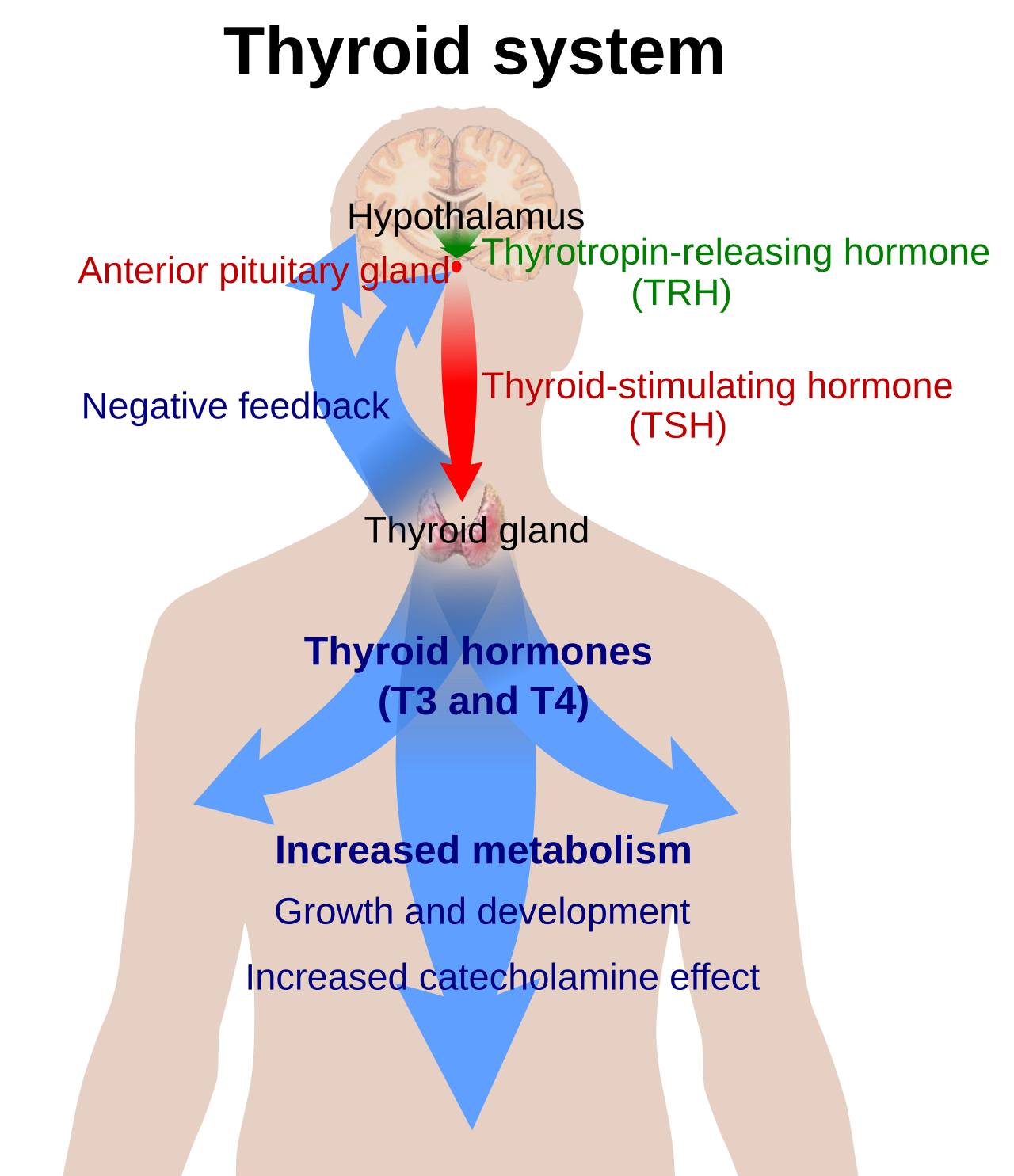
Thyroid hormone replacement is a medical treatment used to replace the hormones produced by the thyroid gland, specifically thyroid gland and triiodothyronine (T3) and thyroxine (T4). The thyroid gland is a vital part of the endocrine system, and its hormones play a crucial role in regulating metabolism. A deficiency in thyroid hormones can lead to a range of health problems, including hypothyroidism and goitre. According to the American Thyroid Association, thyroid hormone replacement is a common treatment for hypothyroidism, and it is essential to work with a healthcare provider to find the right dosage and type of replacement therapy.
💡 Understanding Thyroid Hormones
Thyroid hormones are tyrosine-based hormones that are primarily responsible for regulating metabolism. They are partially composed of iodine, which is derived from food. A deficiency of iodine can lead to decreased production of T3 and T4, which can cause a range of health problems. The World Health Organization recommends that adults consume at least 150 micrograms of iodine per day to maintain optimal thyroid function. Iodine deficiency is a significant public health concern, particularly in areas where iodized salt is not widely available.
📊 The Importance of Iodine
Iodine is an essential nutrient that plays a critical role in the production of thyroid hormones. A deficiency of iodine can lead to a range of health problems, including goitre and hypothyroidism. The National Institutes of Health recommends that adults consume at least 150 micrograms of iodine per day to maintain optimal thyroid function. Iodine deficiency is a significant public health concern, particularly in areas where iodized salt is not widely available. According to the Centers for Disease Control and Prevention, iodine deficiency is a leading cause of preventable mental retardation in developing countries.
👨⚕️ Diagnosis and Treatment of Thyroid Disorders
Diagnosis and treatment of thyroid disorders typically involve a combination of physical examination, thyroid function tests, and imaging studies. The American Association of Clinical Endocrinologists recommends that adults with symptoms of hypothyroidism or hyperthyroidism undergo a comprehensive evaluation, including thyroid-stimulating hormone (TSH) testing and free thyroxine (FT4) testing. Treatment for thyroid disorders may involve thyroid hormone replacement therapy, radioactive iodine therapy, or thyroid surgery.
💔 The Risks of Untreated Hypothyroidism
Untreated hypothyroidism can lead to a range of health problems, including fatigue, weight gain, and depression. The National Institutes of Health estimates that approximately 4.6% of the US population has hypothyroidism, and that many cases go undiagnosed. According to the American Thyroid Association, untreated hypothyroidism can increase the risk of heart disease, stroke, and osteoporosis. It is essential to work with a healthcare provider to diagnose and treat hypothyroidism promptly.
🏋️♀️ The Impact of Thyroid Hormones on Metabolism
Thyroid hormones play a critical role in regulating metabolism, and a deficiency in these hormones can lead to a range of health problems. The World Health Organization estimates that approximately 2 billion people worldwide have iodine deficiency, which can lead to decreased production of T3 and T4. According to the National Institutes of Health, thyroid hormones are essential for maintaining optimal metabolism, and a deficiency in these hormones can lead to weight gain, fatigue, and cold intolerance.
🤝 The Role of Thyroid Hormone Replacement Therapy
Thyroid hormone replacement therapy is a medical treatment used to replace the hormones produced by the thyroid gland. The American Association of Clinical Endocrinologists recommends that adults with hypothyroidism undergo thyroid hormone replacement therapy to maintain optimal thyroid function. According to the National Institutes of Health, thyroid hormone replacement therapy can help to alleviate symptoms of hypothyroidism, including fatigue, weight gain, and depression. It is essential to work with a healthcare provider to find the right dosage and type of replacement therapy.
📝 Monitoring and Adjusting Thyroid Hormone Replacement
Monitoring and adjusting thyroid hormone replacement therapy is crucial to maintaining optimal thyroid function. The American Thyroid Association recommends that adults with hypothyroidism undergo regular thyroid function tests to monitor their thyroid hormone levels. According to the National Institutes of Health, it is essential to work with a healthcare provider to adjust the dosage and type of replacement therapy as needed to maintain optimal thyroid function. This may involve thyroid-stimulating hormone (TSH) testing and free thyroxine (FT4) testing.
🚨 Potential Side Effects of Thyroid Hormone Replacement
Thyroid hormone replacement therapy can have potential side effects, including weight loss, nervousness, and insomnia. The National Institutes of Health estimates that approximately 10% of adults with hypothyroidism experience side effects from thyroid hormone replacement therapy. According to the American Thyroid Association, it is essential to work with a healthcare provider to monitor for potential side effects and adjust the dosage and type of replacement therapy as needed. This may involve regular thyroid function tests and physical examination.
👥 Living with Thyroid Hormone Replacement
Living with thyroid hormone replacement therapy requires a comprehensive approach to health and wellness. The World Health Organization recommends that adults with hypothyroidism maintain a healthy diet, engage in regular exercise, and manage stress to maintain optimal thyroid function. According to the National Institutes of Health, it is essential to work with a healthcare provider to develop a personalized treatment plan that takes into account individual needs and health status. This may involve regular thyroid function tests, physical examination, and lifestyle modification.
🔬 Future Directions in Thyroid Hormone Replacement
Future directions in thyroid hormone replacement therapy are focused on developing more effective and targeted treatments for hypothyroidism. The National Institutes of Health is currently funding research on the development of new thyroid hormone replacement therapies, including T3 and T4 analogs. According to the American Thyroid Association, these new therapies may offer improved efficacy and safety compared to traditional thyroid hormone replacement therapy.
Key Facts
- Year
- 2022
- Origin
- Endocrinology and Thyroidology
- Category
- Health and Medicine
- Type
- Medical Treatment
Frequently Asked Questions
What is thyroid hormone replacement therapy?
Thyroid hormone replacement therapy is a medical treatment used to replace the hormones produced by the thyroid gland. It is typically used to treat hypothyroidism and other thyroid disorders. According to the American Thyroid Association, thyroid hormone replacement therapy can help to alleviate symptoms of hypothyroidism, including fatigue, weight gain, and depression.
What are the potential side effects of thyroid hormone replacement therapy?
Thyroid hormone replacement therapy can have potential side effects, including weight loss, nervousness, and insomnia. The National Institutes of Health estimates that approximately 10% of adults with hypothyroidism experience side effects from thyroid hormone replacement therapy. According to the American Thyroid Association, it is essential to work with a healthcare provider to monitor for potential side effects and adjust the dosage and type of replacement therapy as needed.
How is thyroid hormone replacement therapy monitored and adjusted?
Monitoring and adjusting thyroid hormone replacement therapy is crucial to maintaining optimal thyroid function. The American Thyroid Association recommends that adults with hypothyroidism undergo regular thyroid function tests to monitor their thyroid hormone levels. According to the National Institutes of Health, it is essential to work with a healthcare provider to adjust the dosage and type of replacement therapy as needed to maintain optimal thyroid function.
What is the role of iodine in thyroid hormone production?
Iodine is an essential nutrient that plays a critical role in the production of thyroid hormones. A deficiency of iodine can lead to decreased production of T3 and T4, which can cause a range of health problems. The World Health Organization recommends that adults consume at least 150 micrograms of iodine per day to maintain optimal thyroid function.
What are the risks of untreated hypothyroidism?
Untreated hypothyroidism can lead to a range of health problems, including fatigue, weight gain, and depression. The National Institutes of Health estimates that approximately 4.6% of the US population has hypothyroidism, and that many cases go undiagnosed. According to the American Thyroid Association, untreated hypothyroidism can increase the risk of heart disease, stroke, and osteoporosis.
How does thyroid hormone replacement therapy affect metabolism?
Thyroid hormones play a critical role in regulating metabolism, and a deficiency in these hormones can lead to a range of health problems. The World Health Organization estimates that approximately 2 billion people worldwide have iodine deficiency, which can lead to decreased production of T3 and T4. According to the National Institutes of Health, thyroid hormones are essential for maintaining optimal metabolism, and a deficiency in these hormones can lead to weight gain, fatigue, and cold intolerance.
What is the future of thyroid hormone replacement therapy?
Future directions in thyroid hormone replacement therapy are focused on developing more effective and targeted treatments for hypothyroidism. The National Institutes of Health is currently funding research on the development of new thyroid hormone replacement therapies, including T3 and T4 analogs. According to the American Thyroid Association, these new therapies may offer improved efficacy and safety compared to traditional thyroid hormone replacement therapy.