
Contents
- 🔍 Introduction to Tin
- 💡 Properties of Tin
- 🌎 Tin Mining and Extraction
- 📊 Tin Production and Trade
- 💼 Uses of Tin
- 🚨 The Tin Cry: A Unique Phenomenon
- 🌈 Alloys and Compounds of Tin
- 🚫 Challenges and Controversies in the Tin Industry
- 📈 Market Trends and Future Outlook
- 👥 Key Players in the Tin Industry
- 🤝 Sustainability and Environmental Concerns
- Frequently Asked Questions
- Related Topics
Overview
Tin, a metal with a vibe rating of 6, has been a cornerstone of human civilization for over 7,000 years, with its earliest known use dating back to 3500 BCE in the ancient Sumerian city of Ur. The metal's unique properties, such as its low melting point and high ductility, have made it an essential component in various industries, including electronics, packaging, and construction. However, the tin industry has also been marred by controversy, with concerns over environmental degradation, labor exploitation, and market volatility. The 1985 tin crisis, which saw the price of tin plummet by 50% in a single day, is a stark reminder of the metal's unpredictable nature. As the world becomes increasingly reliant on tin for emerging technologies, such as renewable energy and advanced electronics, the metal's influence flow is expected to expand, with key players like China, Indonesia, and Peru shaping the global tin market. With a controversy spectrum rating of 8, tin is a topic that sparks intense debate, from its role in deforestation to its potential as a sustainable resource.
🔍 Introduction to Tin
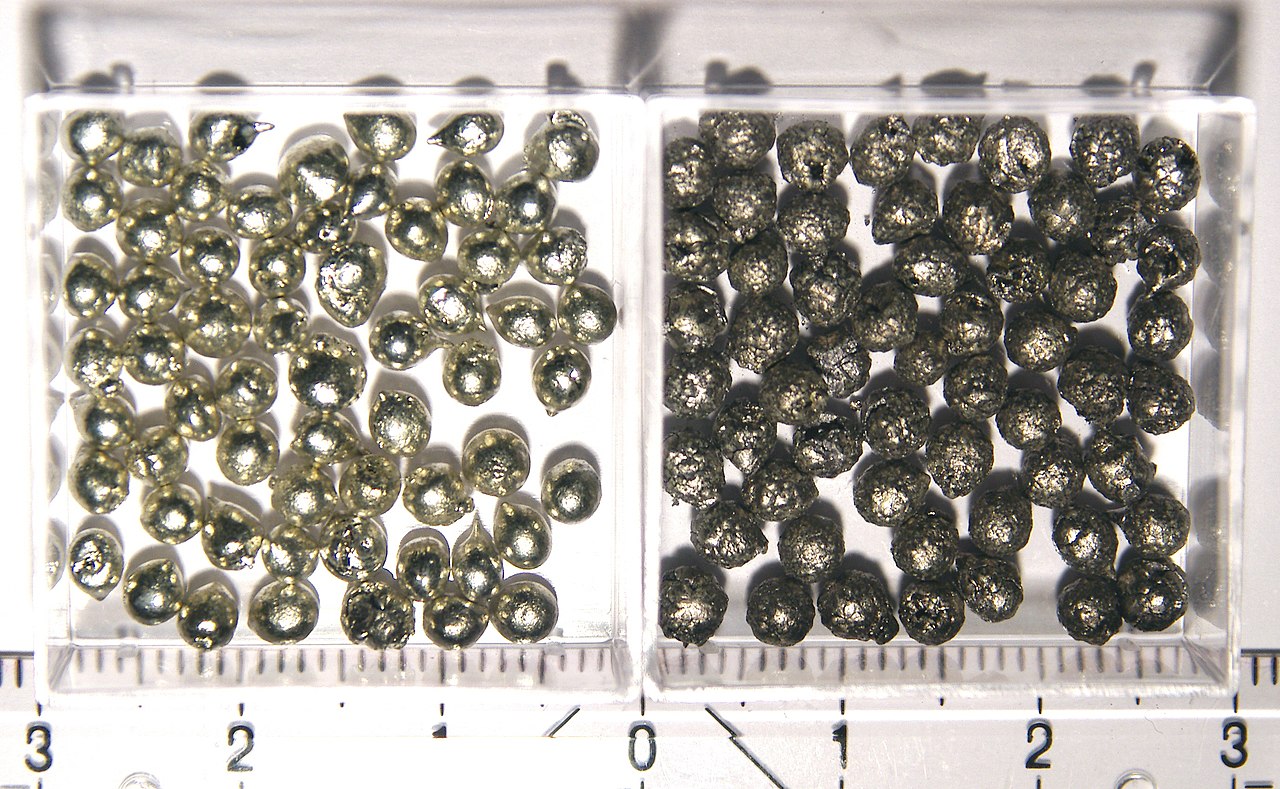
Tin, a chemical element with the symbol Sn and atomic number 50, has been a vital component in various industries for centuries. As a metallic-gray metal, tin is known for its unique properties, including its softness and malleability, making it easy to cut and bend. For more information on the properties of tin, visit the Tin Properties page. Tin is also closely related to other metals, such as Copper and Silver, which are often used in conjunction with tin in various applications. The history of tin can be found on the History of Metals page.
💡 Properties of Tin
The properties of tin make it an ideal material for a wide range of applications. Tin is soft enough to be cut with little force, and a bar of tin can be bent by hand with little effort. This malleability, combined with its low toxicity and high ductility, makes tin a popular choice for Soldering and Plating. Additionally, tin has a unique property known as the 'tin cry', which is a sound produced when a bar of tin is bent. This phenomenon is discussed in more detail on the Tin Cry page. Tin is also used in the production of Tin Alloys, which have a wide range of applications.
🌎 Tin Mining and Extraction
Tin mining and extraction are critical components of the tin industry. Tin is typically extracted from Cassiterite, a tin oxide mineral, through a process of crushing, grinding, and flotation. The extracted tin is then refined and purified to produce high-quality tin metal. For more information on the tin mining process, visit the Tin Mining page. The environmental impact of tin mining is a significant concern, and efforts are being made to improve sustainability and reduce waste. The Sustainable Mining page provides more information on this topic. Tin is also closely related to other mining industries, such as Coal Mining and Iron Ore Mining.
📊 Tin Production and Trade
The global tin production and trade are significant, with tin being used in a wide range of applications, from Electronics to Packaging. The tin market is influenced by various factors, including supply and demand, prices, and trade policies. For more information on the tin market, visit the Tin Market page. The tin industry is also closely related to other metal industries, such as the Copper Market and the Silver Market. The Global Trade page provides more information on the international trade of tin and other metals.
💼 Uses of Tin
Tin has a wide range of uses, including Soldering, Plating, and Packaging. Tin is also used in the production of Bearings, Bronzes, and other Alloys. The unique properties of tin make it an ideal material for these applications. For more information on the uses of tin, visit the Uses of Tin page. Tin is also used in the production of Tin Compounds, which have a wide range of applications. The Tin Alloys page provides more information on the different types of tin alloys and their uses.
🚨 The Tin Cry: A Unique Phenomenon
The tin cry is a unique phenomenon that occurs when a bar of tin is bent. This sound is produced as a result of twinning in tin crystals, which causes the tin to deform and produce a characteristic sound. The tin cry is an important property of tin, as it can be used to identify the presence of tin in a sample. For more information on the tin cry, visit the Tin Cry page. The tin cry is also related to other properties of tin, such as its Tin Properties and its Tin Alloys. The Materials Science page provides more information on the properties of tin and other materials.
🌈 Alloys and Compounds of Tin
Tin forms a wide range of alloys and compounds, including Tin Alloys and Tin Compounds. These alloys and compounds have a wide range of applications, from Electronics to Packaging. The unique properties of tin make it an ideal material for these applications. For more information on the alloys and compounds of tin, visit the Tin Alloys page. Tin is also used in the production of Bronze and other Copper Alloys. The Alloys and Compounds page provides more information on the different types of alloys and compounds and their uses.
🚫 Challenges and Controversies in the Tin Industry
The tin industry is not without its challenges and controversies. The extraction and processing of tin can have significant environmental and social impacts, including deforestation, water pollution, and labor exploitation. Efforts are being made to improve sustainability and reduce waste in the tin industry. For more information on the challenges and controversies in the tin industry, visit the Sustainable Mining page. The tin industry is also closely related to other mining industries, such as Coal Mining and Iron Ore Mining. The Environmental Impact page provides more information on the environmental impact of the tin industry.
📈 Market Trends and Future Outlook
The market trends and future outlook for tin are influenced by various factors, including supply and demand, prices, and trade policies. The tin market is expected to continue to grow, driven by increasing demand from the Electronics and Packaging industries. For more information on the market trends and future outlook for tin, visit the Tin Market page. The tin industry is also closely related to other metal industries, such as the Copper Market and the Silver Market. The Market Trends page provides more information on the trends and outlook for the tin market.
👥 Key Players in the Tin Industry
The key players in the tin industry include Tin Producers, Tin Traders, and Tin Consumers. These companies play a critical role in the production, trade, and use of tin. For more information on the key players in the tin industry, visit the Tin Industry page. The tin industry is also closely related to other mining industries, such as Coal Mining and Iron Ore Mining. The Industry Overview page provides more information on the tin industry and its key players.
🤝 Sustainability and Environmental Concerns
Sustainability and environmental concerns are critical issues in the tin industry. The extraction and processing of tin can have significant environmental and social impacts, including deforestation, water pollution, and labor exploitation. Efforts are being made to improve sustainability and reduce waste in the tin industry. For more information on sustainability and environmental concerns in the tin industry, visit the Sustainable Mining page. The tin industry is also closely related to other mining industries, such as Coal Mining and Iron Ore Mining. The Environmental Sustainability page provides more information on the environmental sustainability of the tin industry.
Key Facts
- Year
- 3500
- Origin
- Sumerian City of Ur
- Category
- Metals and Mining
- Type
- Chemical Element
Frequently Asked Questions
What is the symbol for tin?
The symbol for tin is Sn, and it has an atomic number of 50. Tin is a chemical element that is known for its unique properties, including its softness and malleability. For more information on the properties of tin, visit the Tin Properties page. The history of tin can be found on the History of Metals page. Tin is also closely related to other metals, such as Copper and Silver, which are often used in conjunction with tin in various applications.
What is the tin cry?
The tin cry is a unique phenomenon that occurs when a bar of tin is bent. This sound is produced as a result of twinning in tin crystals, which causes the tin to deform and produce a characteristic sound. The tin cry is an important property of tin, as it can be used to identify the presence of tin in a sample. For more information on the tin cry, visit the Tin Cry page. The tin cry is also related to other properties of tin, such as its Tin Properties and its Tin Alloys. The Materials Science page provides more information on the properties of tin and other materials.
What are the main uses of tin?
Tin has a wide range of uses, including Soldering, Plating, and Packaging. Tin is also used in the production of Bearings, Bronzes, and other Alloys. The unique properties of tin make it an ideal material for these applications. For more information on the uses of tin, visit the Uses of Tin page. Tin is also used in the production of Tin Compounds, which have a wide range of applications. The Tin Alloys page provides more information on the different types of tin alloys and their uses.
What are the challenges facing the tin industry?
The tin industry is not without its challenges and controversies. The extraction and processing of tin can have significant environmental and social impacts, including deforestation, water pollution, and labor exploitation. Efforts are being made to improve sustainability and reduce waste in the tin industry. For more information on the challenges and controversies in the tin industry, visit the Sustainable Mining page. The tin industry is also closely related to other mining industries, such as Coal Mining and Iron Ore Mining. The Environmental Impact page provides more information on the environmental impact of the tin industry.
What is the future outlook for the tin market?
The market trends and future outlook for tin are influenced by various factors, including supply and demand, prices, and trade policies. The tin market is expected to continue to grow, driven by increasing demand from the Electronics and Packaging industries. For more information on the market trends and future outlook for tin, visit the Tin Market page. The tin industry is also closely related to other metal industries, such as the Copper Market and the Silver Market. The Market Trends page provides more information on the trends and outlook for the tin market.
Who are the key players in the tin industry?
The key players in the tin industry include Tin Producers, Tin Traders, and Tin Consumers. These companies play a critical role in the production, trade, and use of tin. For more information on the key players in the tin industry, visit the Tin Industry page. The tin industry is also closely related to other mining industries, such as Coal Mining and Iron Ore Mining. The Industry Overview page provides more information on the tin industry and its key players.
What are the sustainability and environmental concerns in the tin industry?
Sustainability and environmental concerns are critical issues in the tin industry. The extraction and processing of tin can have significant environmental and social impacts, including deforestation, water pollution, and labor exploitation. Efforts are being made to improve sustainability and reduce waste in the tin industry. For more information on sustainability and environmental concerns in the tin industry, visit the Sustainable Mining page. The tin industry is also closely related to other mining industries, such as Coal Mining and Iron Ore Mining. The Environmental Sustainability page provides more information on the environmental sustainability of the tin industry.