
Contents
- 🔍 Introduction to Metals
- 💡 Properties of Metals
- 🔨 Ductility and Malleability
- 🌟 Electronic Structure
- 📈 Applications of Metals
- 🚀 Aerospace and Defense
- 🚗 Automotive and Transportation
- 💻 Electronics and Computing
- 🏗️ Construction and Infrastructure
- 🔬 Research and Development
- Frequently Asked Questions
- Related Topics
Overview
Metals have been a cornerstone of human progress, with a history dating back to the Copper Age around 4500 BCE. Today, metals like steel, aluminum, and titanium are ubiquitous in construction, transportation, and technology. However, the extraction and processing of metals have significant environmental and social impacts, with issues like pollution, deforestation, and labor rights controversies. The development of new metals and alloys, such as advanced high-strength steels and nanomaterials, is driving innovation in fields like energy, aerospace, and medicine. With a global market valued at over $1.5 trillion, the metals industry is a complex web of supply chains, trade policies, and geopolitical tensions. As the world shifts towards more sustainable and circular economies, the future of metals will be shaped by technologies like recycling, additive manufacturing, and biomimicry, with companies like Rio Tinto, Vale, and Nucor leading the charge.
🔍 Introduction to Metals
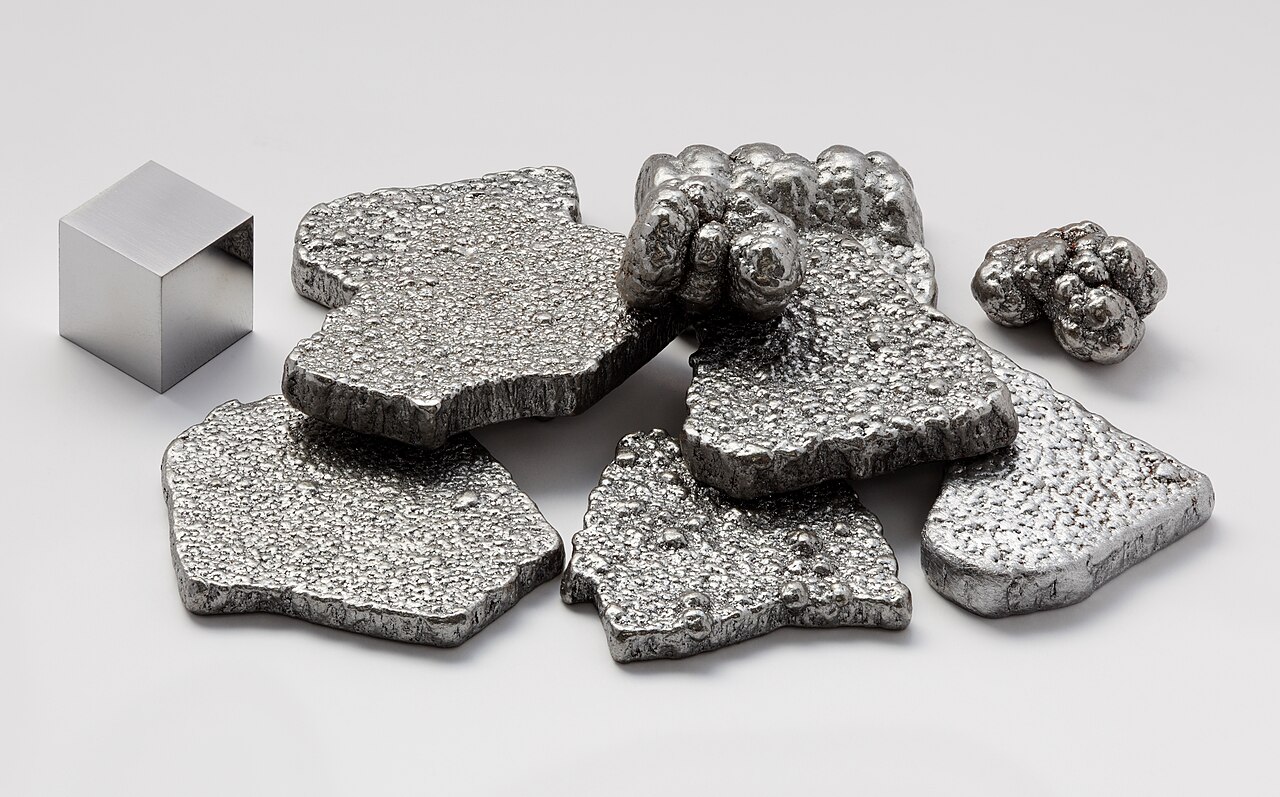
Metals have been the backbone of modern civilization, with a history dating back to the Copper Age. The unique combination of properties, including luster, electrical conductivity, and thermal conductivity, has made metals an essential component of various industries. From Aluminum to Zinc, each metal has its own set of characteristics that make it suitable for specific applications. The study of metals is a crucial part of Materials Science, which involves understanding the properties and behavior of different materials. Metals are also closely related to Metallurgy, the art and science of extracting metals from ores and refining them.
💡 Properties of Metals
The properties of metals are what set them apart from nonmetallic materials. Metals are typically Ductile and Malleable, meaning they can be drawn into wires or pounded into thin sheets without breaking. This is due to the availability of electrons at the Fermi Level, which allows metals to conduct electricity and heat relatively well. The Lattice Structure of metals also plays a crucial role in determining their properties. For example, the Face-Centered Cubic structure of Iron gives it high strength and durability. Understanding the properties of metals is essential for designing and developing new materials and technologies, such as Nanotechnology and Biomaterials.
🔨 Ductility and Malleability
The ductility and malleability of metals are two of their most important properties. These properties allow metals to be shaped and formed into various shapes and structures, making them ideal for a wide range of applications. For example, Copper is often used in Electrical Wiring due to its high ductility and conductivity. Similarly, Aluminum is used in Aircraft construction due to its high strength-to-weight ratio and malleability. The ductility and malleability of metals are also closely related to their Crystal Structure, which can be influenced by factors such as Temperature and Pressure.
🌟 Electronic Structure
The electronic structure of metals is responsible for their unique properties. The availability of electrons at the Fermi Level allows metals to conduct electricity and heat relatively well. This is in contrast to nonmetallic materials, which do not have electrons available at the Fermi Level. The electronic structure of metals is also influenced by the Band Structure of the material, which determines the energy levels available to electrons. Understanding the electronic structure of metals is essential for designing and developing new materials and technologies, such as Semiconductors and Superconductors. The electronic structure of metals is also closely related to their Magnetic Properties, which can be influenced by factors such as Magnetization and Demagnetization.
📈 Applications of Metals
Metals have a wide range of applications, from Aerospace and Defense to Automotive and Construction. The unique combination of properties, including strength, durability, and conductivity, makes metals an essential component of various industries. For example, Titanium is used in Aircraft construction due to its high strength-to-weight ratio and corrosion resistance. Similarly, Copper is used in Electrical Wiring due to its high conductivity and ductility. The applications of metals are also closely related to their Recycling and Sustainability, which are essential for reducing waste and conserving resources.
🚀 Aerospace and Defense
The aerospace and defense industries rely heavily on metals, particularly Titanium and Aluminum. These metals are used in Aircraft construction due to their high strength-to-weight ratio and corrosion resistance. The use of metals in aerospace and defense is also closely related to their Fatigue Properties, which can be influenced by factors such as Stress and Strain. Understanding the properties and behavior of metals is essential for designing and developing new materials and technologies, such as Composites and Smart Materials. The aerospace and defense industries also rely on Materials Science and Metallurgy to develop new materials and technologies.
🚗 Automotive and Transportation
The automotive and transportation industries also rely heavily on metals, particularly Steel and Aluminum. These metals are used in Vehicle construction due to their high strength-to-weight ratio and corrosion resistance. The use of metals in automotive and transportation is also closely related to their Corrosion Resistance, which can be influenced by factors such as Coating and Surface Treatment. Understanding the properties and behavior of metals is essential for designing and developing new materials and technologies, such as Electric Vehicles and Hybrid Vehicles. The automotive and transportation industries also rely on Materials Science and Metallurgy to develop new materials and technologies.
💻 Electronics and Computing
The electronics and computing industries rely heavily on metals, particularly Copper and Gold. These metals are used in Electrical Wiring and Electronic Components due to their high conductivity and ductility. The use of metals in electronics and computing is also closely related to their Electromagnetic Properties, which can be influenced by factors such as Magnetization and Demagnetization. Understanding the properties and behavior of metals is essential for designing and developing new materials and technologies, such as Semiconductors and Superconductors. The electronics and computing industries also rely on Materials Science and Metallurgy to develop new materials and technologies.
🏗️ Construction and Infrastructure
The construction and infrastructure industries also rely heavily on metals, particularly Steel and Aluminum. These metals are used in Building construction due to their high strength-to-weight ratio and corrosion resistance. The use of metals in construction and infrastructure is also closely related to their Sustainability, which can be influenced by factors such as Recycling and Energy Efficiency. Understanding the properties and behavior of metals is essential for designing and developing new materials and technologies, such as Green Buildings and Smart Cities. The construction and infrastructure industries also rely on Materials Science and Metallurgy to develop new materials and technologies.
🔬 Research and Development
Research and development in metals is an ongoing process, with new materials and technologies being developed all the time. For example, Nanotechnology and Biomaterials are two areas that are being explored for their potential to develop new materials and technologies. The use of metals in research and development is also closely related to their Properties, which can be influenced by factors such as Temperature and Pressure. Understanding the properties and behavior of metals is essential for designing and developing new materials and technologies, such as Composites and Smart Materials. The research and development of metals also relies on Materials Science and Metallurgy to develop new materials and technologies.
Key Facts
- Year
- 2022
- Origin
- Earth's Crust
- Category
- Materials Science
- Type
- Material
Frequently Asked Questions
What are the unique properties of metals?
Metals have a unique combination of properties, including luster, electrical conductivity, and thermal conductivity. They are typically ductile and malleable, meaning they can be drawn into wires or pounded into thin sheets without breaking. The availability of electrons at the Fermi Level allows metals to conduct electricity and heat relatively well. For example, Copper is often used in Electrical Wiring due to its high conductivity and ductility. Understanding the properties of metals is essential for designing and developing new materials and technologies, such as Semiconductors and Superconductors.
What are the applications of metals?
Metals have a wide range of applications, from Aerospace and Defense to Automotive and Construction. The unique combination of properties, including strength, durability, and conductivity, makes metals an essential component of various industries. For example, Titanium is used in Aircraft construction due to its high strength-to-weight ratio and corrosion resistance. Similarly, Aluminum is used in Vehicle construction due to its high strength-to-weight ratio and corrosion resistance. The applications of metals are also closely related to their Recycling and Sustainability, which are essential for reducing waste and conserving resources.
What is the importance of metals in modern civilization?
Metals have been the backbone of modern civilization, with a history dating back to the Copper Age. The unique combination of properties, including luster, electrical conductivity, and thermal conductivity, has made metals an essential component of various industries. From Aluminum to Zinc, each metal has its own set of characteristics that make it suitable for specific applications. The study of metals is a crucial part of Materials Science, which involves understanding the properties and behavior of different materials. Metals are also closely related to Metallurgy, the art and science of extracting metals from ores and refining them.
What is the future of metals research and development?
Research and development in metals is an ongoing process, with new materials and technologies being developed all the time. For example, Nanotechnology and Biomaterials are two areas that are being explored for their potential to develop new materials and technologies. The use of metals in research and development is also closely related to their Properties, which can be influenced by factors such as Temperature and Pressure. Understanding the properties and behavior of metals is essential for designing and developing new materials and technologies, such as Composites and Smart Materials. The research and development of metals also relies on Materials Science and Metallurgy to develop new materials and technologies.
How are metals used in electronics and computing?
The electronics and computing industries rely heavily on metals, particularly Copper and Gold. These metals are used in Electrical Wiring and Electronic Components due to their high conductivity and ductility. The use of metals in electronics and computing is also closely related to their Electromagnetic Properties, which can be influenced by factors such as Magnetization and Demagnetization. Understanding the properties and behavior of metals is essential for designing and developing new materials and technologies, such as Semiconductors and Superconductors. The electronics and computing industries also rely on Materials Science and Metallurgy to develop new materials and technologies.
What are the challenges facing the metals industry?
The metals industry faces several challenges, including Sustainability, Recycling, and Energy Efficiency. The industry must also adapt to changing Market Trends and Technological Advances. Understanding the properties and behavior of metals is essential for designing and developing new materials and technologies, such as Composites and Smart Materials. The metals industry also relies on Materials Science and Metallurgy to develop new materials and technologies. For example, Aluminum is being used in Vehicle construction due to its high strength-to-weight ratio and corrosion resistance.
How are metals used in construction and infrastructure?
The construction and infrastructure industries also rely heavily on metals, particularly Steel and Aluminum. These metals are used in Building construction due to their high strength-to-weight ratio and corrosion resistance. The use of metals in construction and infrastructure is also closely related to their Sustainability, which can be influenced by factors such as Recycling and Energy Efficiency. Understanding the properties and behavior of metals is essential for designing and developing new materials and technologies, such as Green Buildings and Smart Cities. The construction and infrastructure industries also rely on Materials Science and Metallurgy to develop new materials and technologies.