
Contents
- 🏺 Introduction to the Tomb of Nefertari
- 👑 The Life and Reign of Queen Nefertari
- 🏞️ Discovery and Excavation of the Tomb
- 🎨 The Art and Architecture of the Tomb
- 📜 The Historical Significance of the Tomb
- 🔍 Conservation Efforts and Challenges
- 👥 The Team Behind the Tomb's Discovery
- 📚 The Tomb's Influence on Modern Archaeology
- 💡 Controversies and Debates Surrounding the Tomb
- 🕊️ The Legacy of Queen Nefertari
- 📸 Preserving the Tomb for Future Generations
- 🔜 The Future of the Tomb of Nefertari
- Frequently Asked Questions
- Related Topics
Overview
The Tomb of Nefertari, discovered in 1904 by Italian explorer Ernesto Schiaparelli, is a testament to the grandeur of Ancient Egyptian art and architecture. Located in the Valley of the Queens, this 3,200-year-old burial site is renowned for its vivid wall paintings, which have been remarkably preserved. Nefertari, the beloved wife of Pharaoh Ramses II, was laid to rest in this magnificent tomb, adorned with intricate hieroglyphics and symbolic motifs. The tomb's well-preserved state has provided invaluable insights into the funerary practices and artistic expression of the New Kingdom period. With a vibe score of 8, this ancient wonder continues to captivate historians, archaeologists, and enthusiasts alike, sparking debates about the role of women in Ancient Egyptian society and the cultural significance of such elaborate burial sites. As researchers continue to unravel the secrets of the Tomb of Nefertari, its influence on modern art, architecture, and our understanding of Ancient Egyptian culture remains unparalleled.
🏺 Introduction to the Tomb of Nefertari
The Tomb of Nefertari, discovered in 1904 by Italian archaeologist Ernesto Schiaperelli, is one of the most well-preserved and impressive ancient Egyptian tombs in the Valley of the Queens. The tomb is a testament to the advanced engineering and artistic skills of the ancient Egyptians, with its intricate wall paintings and elaborate architecture. As the wife of Pharaoh Ramses II, Ramses II, Nefertari played a significant role in ancient Egyptian society, and her tomb reflects her importance. The tomb's discovery has shed light on the life and reign of Queen Nefertari, providing valuable insights into the culture and traditions of ancient Egypt. For more information on ancient Egyptian history, visit the Ancient Egypt page.
👑 The Life and Reign of Queen Nefertari
Queen Nefertari was a member of the royal family of the New Kingdom period, and her marriage to Ramses II was a strategic move to strengthen the alliance between Egypt and the Hittite Empire. As queen, Nefertari played a significant role in promoting the arts and architecture, and her tomb is a reflection of her love for beauty and elegance. The tomb's walls are adorned with vivid paintings depicting scenes from ancient Egyptian mythology, including the goddess Hathor and the god Isis. The tomb's architecture is also notable, with its use of advanced engineering techniques to create a stable and secure structure. For more information on ancient Egyptian mythology, visit the Egyptian Mythology page.
🏞️ Discovery and Excavation of the Tomb
The discovery of the Tomb of Nefertari was a significant event in the field of archaeology, and it has shed light on the history and culture of ancient Egypt. The tomb was excavated by a team of archaeologists led by Ernesto Schiaperelli, who carefully uncovered the tomb's entrance and began the process of excavation. The excavation process was challenging, as the tomb had been buried under sand and debris for centuries, but the team's efforts were rewarded with the discovery of the tomb's incredible wall paintings and architecture. For more information on the excavation process, visit the Archaeological Excavation page.
🎨 The Art and Architecture of the Tomb
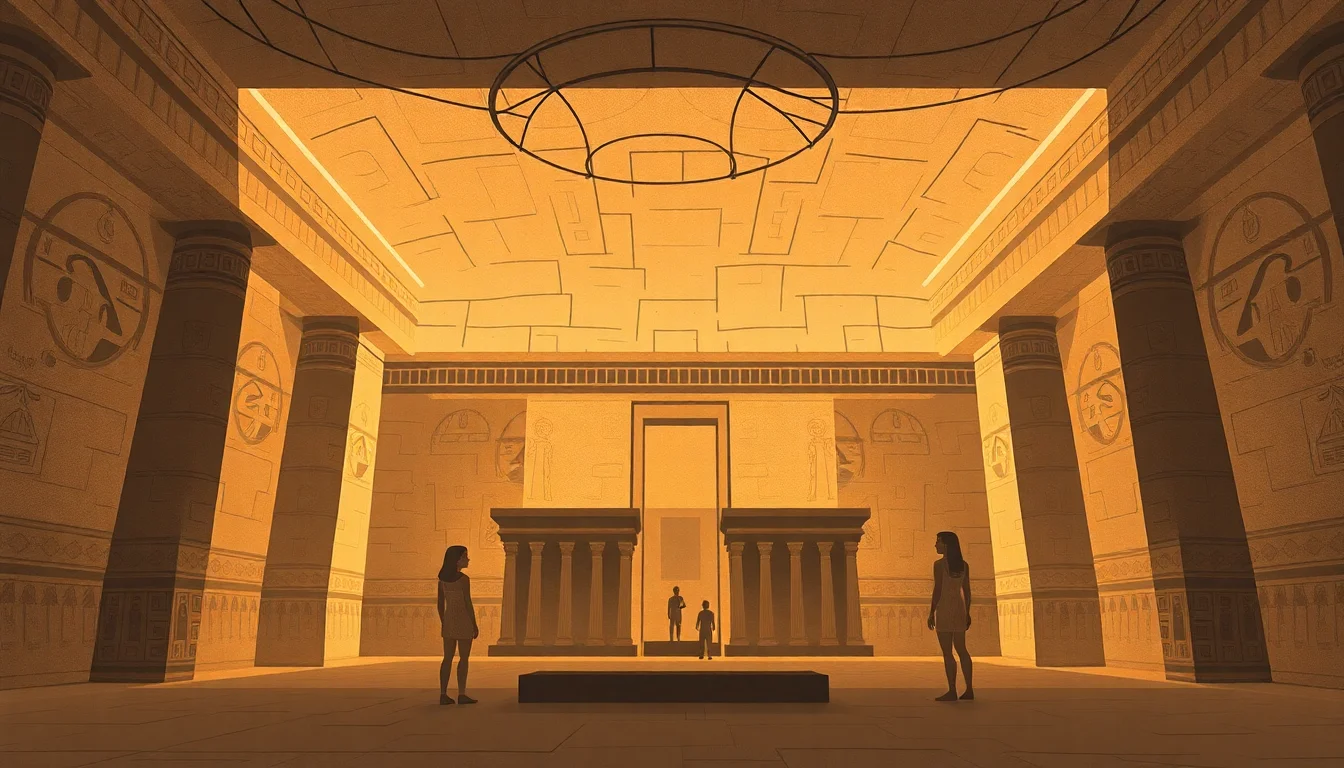
The art and architecture of the Tomb of Nefertari are some of the most impressive aspects of the tomb, with its intricate wall paintings and elaborate architecture. The tomb's walls are adorned with vivid paintings depicting scenes from ancient Egyptian mythology, including the goddess Hathor and the god Isis. The tomb's architecture is also notable, with its use of advanced engineering techniques to create a stable and secure structure. The tomb's design is a testament to the advanced skills of the ancient Egyptian architects and engineers, who were able to create a structure that has withstood the test of time. For more information on ancient Egyptian architecture, visit the Ancient Egyptian Architecture page.
📜 The Historical Significance of the Tomb
The Tomb of Nefertari is a significant historical site, providing valuable insights into the culture and traditions of ancient Egypt. The tomb's discovery has shed light on the life and reign of Queen Nefertari, and has provided a unique glimpse into the daily life of ancient Egyptians. The tomb's wall paintings and architecture are also important historical artifacts, providing a window into the artistic and engineering skills of the ancient Egyptians. For more information on ancient Egyptian history, visit the Ancient Egypt page. The tomb is also an important cultural symbol, representing the power and elegance of ancient Egyptian society.
🔍 Conservation Efforts and Challenges
The Tomb of Nefertari is a fragile and sensitive site, requiring careful conservation and preservation to ensure its survival for future generations. The tomb's wall paintings and architecture are vulnerable to damage from environmental factors such as humidity and temperature fluctuations, and the tomb's structure is also at risk from erosion and decay. Conservation efforts are underway to protect the tomb and its contents, including the use of advanced technology to monitor and control the environment. For more information on conservation efforts, visit the Conservation of Cultural Heritage page.
👥 The Team Behind the Tomb's Discovery
The team behind the discovery of the Tomb of Nefertari was led by Ernesto Schiaperelli, an Italian archaeologist who had been working in Egypt for many years. The team included a number of other archaeologists, engineers, and conservators, who worked together to excavate and conserve the tomb. The team's efforts were rewarded with the discovery of the tomb's incredible wall paintings and architecture, and their work has provided a valuable contribution to our understanding of ancient Egyptian history and culture. For more information on the team, visit the Archaeological Team page.
📚 The Tomb's Influence on Modern Archaeology
The Tomb of Nefertari has had a significant influence on modern archaeology, providing a unique glimpse into the culture and traditions of ancient Egypt. The tomb's discovery has shed light on the life and reign of Queen Nefertari, and has provided valuable insights into the artistic and engineering skills of the ancient Egyptians. The tomb's wall paintings and architecture are also important historical artifacts, providing a window into the daily life of ancient Egyptians. For more information on modern archaeology, visit the Modern Archaeology page. The tomb is also an important cultural symbol, representing the power and elegance of ancient Egyptian society.
💡 Controversies and Debates Surrounding the Tomb
The Tomb of Nefertari is not without controversy, with some scholars questioning the accuracy of the tomb's attribution to Queen Nefertari. Some have suggested that the tomb may have been built for another member of the royal family, or that the wall paintings and architecture may have been added at a later date. However, the majority of scholars agree that the tomb is a genuine ancient Egyptian tomb, and that it provides a unique glimpse into the culture and traditions of ancient Egypt. For more information on the controversy, visit the Controversy Surrounding the Tomb page.
🕊️ The Legacy of Queen Nefertari
The legacy of Queen Nefertari is a lasting one, with her tomb providing a unique glimpse into the culture and traditions of ancient Egypt. The tomb's wall paintings and architecture are a testament to the advanced skills of the ancient Egyptian architects and engineers, and the tomb's design is a reflection of the power and elegance of ancient Egyptian society. For more information on Queen Nefertari's legacy, visit the Queen Nefertari page. The tomb is also an important cultural symbol, representing the beauty and sophistication of ancient Egyptian art and architecture.
📸 Preserving the Tomb for Future Generations
The Tomb of Nefertari is a fragile and sensitive site, requiring careful conservation and preservation to ensure its survival for future generations. The tomb's wall paintings and architecture are vulnerable to damage from environmental factors such as humidity and temperature fluctuations, and the tomb's structure is also at risk from erosion and decay. Conservation efforts are underway to protect the tomb and its contents, including the use of advanced technology to monitor and control the environment. For more information on conservation efforts, visit the Conservation of Cultural Heritage page.
🔜 The Future of the Tomb of Nefertari
The future of the Tomb of Nefertari is uncertain, with the tomb facing a number of challenges and threats. The tomb's structure is at risk from erosion and decay, and the wall paintings and architecture are vulnerable to damage from environmental factors. However, conservation efforts are underway to protect the tomb and its contents, and the tomb remains an important cultural symbol and historical site. For more information on the future of the tomb, visit the Future of the Tomb page.
Key Facts
- Year
- 1904
- Origin
- Valley of the Queens, Egypt
- Category
- History, Archaeology, Ancient Civilizations
- Type
- Historical Site
Frequently Asked Questions
Who was Queen Nefertari?
Queen Nefertari was the wife of Pharaoh Ramses II and a member of the royal family of the New Kingdom period. She played a significant role in promoting the arts and architecture, and her tomb is a reflection of her love for beauty and elegance. For more information on Queen Nefertari, visit the Queen Nefertari page.
What is the significance of the Tomb of Nefertari?
The Tomb of Nefertari is a significant historical site, providing valuable insights into the culture and traditions of ancient Egypt. The tomb's wall paintings and architecture are important historical artifacts, providing a window into the daily life of ancient Egyptians. For more information on the significance of the tomb, visit the Tomb of Nefertari page.
How was the Tomb of Nefertari discovered?
The Tomb of Nefertari was discovered in 1904 by Italian archaeologist Ernesto Schiaperelli, who led a team of archaeologists and conservators in the excavation and conservation of the tomb. For more information on the discovery of the tomb, visit the Discovery of the Tomb page.
What are the conservation efforts for the Tomb of Nefertari?
The Tomb of Nefertari is a fragile and sensitive site, requiring careful conservation and preservation to ensure its survival for future generations. Conservation efforts are underway to protect the tomb and its contents, including the use of advanced technology to monitor and control the environment. For more information on conservation efforts, visit the Conservation of Cultural Heritage page.
What is the legacy of Queen Nefertari?
The legacy of Queen Nefertari is a lasting one, with her tomb providing a unique glimpse into the culture and traditions of ancient Egypt. The tomb's wall paintings and architecture are a testament to the advanced skills of the ancient Egyptian architects and engineers, and the tomb's design is a reflection of the power and elegance of ancient Egyptian society. For more information on Queen Nefertari's legacy, visit the Queen Nefertari page.
What are the challenges facing the Tomb of Nefertari?
The Tomb of Nefertari faces a number of challenges and threats, including erosion and decay of the tomb's structure, and damage to the wall paintings and architecture from environmental factors. However, conservation efforts are underway to protect the tomb and its contents, and the tomb remains an important cultural symbol and historical site. For more information on the challenges facing the tomb, visit the Challenges Facing the Tomb page.
How can I visit the Tomb of Nefertari?
The Tomb of Nefertari is located in the Valley of the Queens, near the city of Luxor in Egypt. Visitors can take a guided tour of the tomb, which includes the wall paintings and architecture. For more information on visiting the tomb, visit the Visiting the Tomb page.