
Contents
- 📜 Introduction to the Treaty of Waitangi
- 👑 The Historical Context of the Treaty
- 📊 The Signing of the Treaty and Its Immediate Aftermath
- 🤝 The Relationship Between Māori and the Crown
- 📚 Legislative Recognition of the Treaty
- 🌎 International Law and the Treaty's Status
- 👊 Colonial Resistance and Ongoing Debates
- 🌈 Contemporary Relevance and Future Directions
- 📊 The Treaty of Waitangi Act 1975 and Its Impact
- 👥 Key Players in the Treaty's History
- 📚 Ongoing Controversies and Challenges
- 🌐 Conclusion and Future Prospects
- Frequently Asked Questions
- Related Topics
Overview
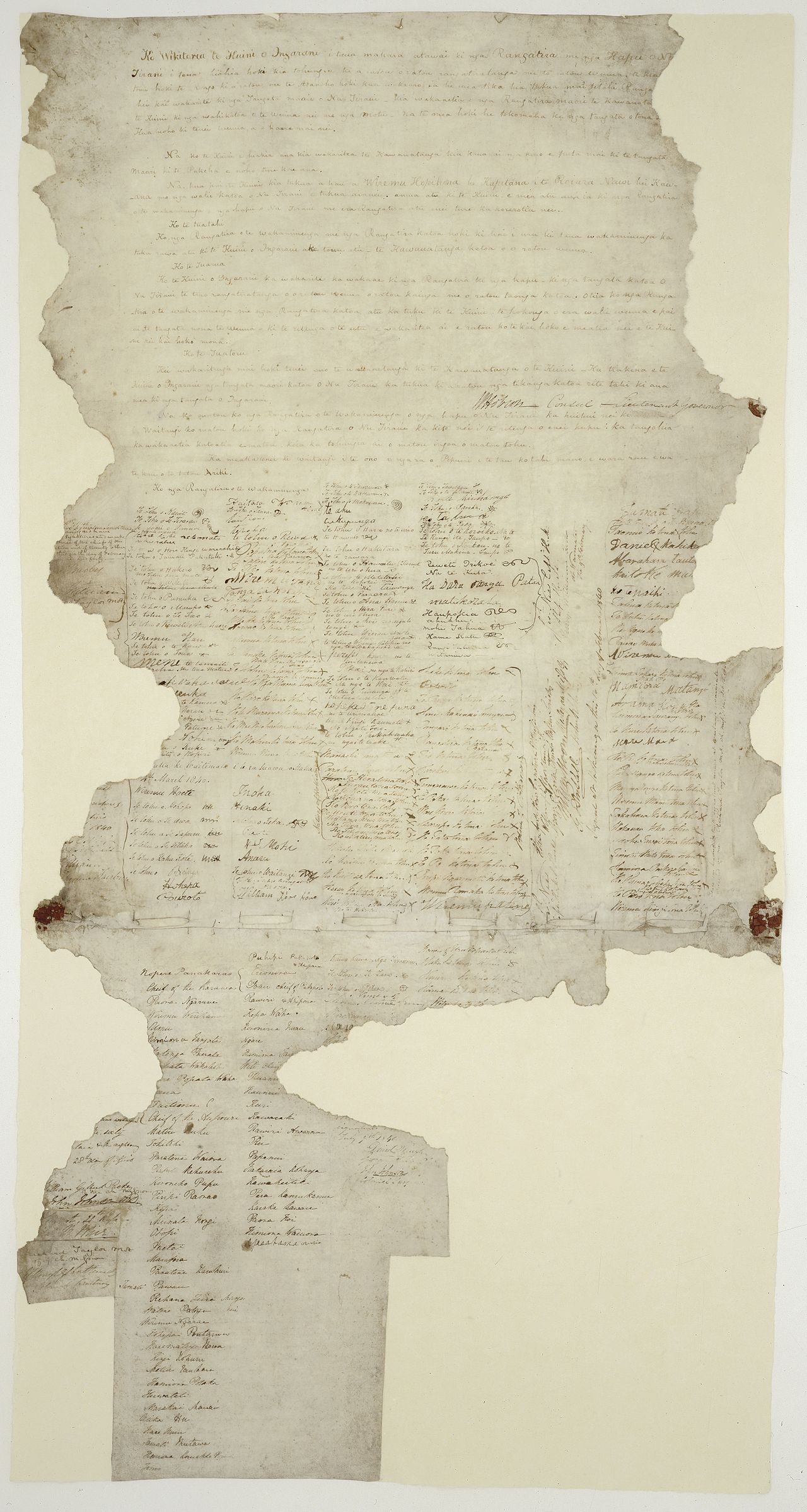
The Treaty of Waitangi, signed on February 6, 1840, is a foundational document in New Zealand's history, marking the beginning of British colonization and the relationship between the British Crown and the indigenous Māori people. The treaty, written in both English and Māori, consists of three articles, which grant the British Crown sovereignty over the islands in exchange for Māori control over their land and cultural practices. However, the treaty's interpretation and implementation have been highly contested, with many Māori arguing that the English and Māori versions of the treaty differ significantly, and that the British Crown has failed to uphold its obligations. Today, the Treaty of Waitangi remains a central issue in New Zealand politics, with ongoing debates over its meaning, relevance, and impact on Māori communities. The treaty has a vibe score of 8, reflecting its significant cultural energy and ongoing influence on New Zealand's identity and politics. With a controversy spectrum of 6, the treaty remains a highly debated topic, with many New Zealanders continuing to grapple with its legacy and implications. The treaty's influence flows can be seen in the many organizations, institutions, and initiatives established to promote Māori rights and self-determination, such as the Waitangi Tribunal, which was established in 1975 to investigate and address Māori grievances related to the treaty.
📜 Introduction to the Treaty of Waitangi
The Treaty of Waitangi, also known as Te Tiriti, is a foundational document in New Zealand's history, shaping the country's national identity. The treaty's significance extends beyond its historical context, as it continues to influence the relationship between Maori people and the Crown. The New Zealand government has grappled with the treaty's constitutional importance, with the Treaty of Waitangi Act 1975 marking a significant shift in official discourse. This act recognized the treaty's importance and paved the way for further legislative incorporations, such as the Resource Management Act 1991. However, the treaty's status as international law remains debated, with some arguing that it is a binding agreement between the Crown and Maori, while others contend that it is not incorporated into New Zealand's domestic law.
👑 The Historical Context of the Treaty
The historical context of the Treaty of Waitangi is complex, with the British Crown seeking to establish a colony in New Zealand. The treaty was signed on 6 February 1840 by Captain William Hobson and Maori chiefs from the North Island. This event marked the beginning of a long and often contentious relationship between Maori and the Crown, with the treaty's terms and interpretations being subject to ongoing debate. The Waitangi Tribunal has played a crucial role in investigating breaches of the treaty and providing recommendations for redress. The tribunal's work has helped to shed light on the historical context of the treaty and its ongoing impact on Maori communities.
📊 The Signing of the Treaty and Its Immediate Aftermath
The signing of the Treaty of Waitangi was a pivotal moment in New Zealand's history, with the treaty's terms and conditions being negotiated between the British Crown and Maori chiefs. The treaty consisted of three articles, which outlined the principles of the agreement, including the protection of Maori land and cultural rights. However, the treaty's interpretation and implementation have been subject to controversy, with some arguing that the Crown failed to uphold its obligations. The New Zealand history of the treaty is marked by periods of conflict and cooperation, with the treaty remaining a central issue in the relationship between Maori and the Crown. The Maori language and culture have also been impacted by the treaty, with efforts being made to revitalize and promote the language.
🤝 The Relationship Between Māori and the Crown
The relationship between Maori and the Crown has been shaped by the Treaty of Waitangi, with the treaty's principles and obligations influencing the development of New Zealand's constitutional framework. The Constitutional Framework of New Zealand has been subject to ongoing debate, with some arguing that the treaty should be incorporated into the country's domestic law. The Maori Party has been a key player in advocating for the treaty's recognition and implementation, with the party seeking to promote Maori rights and interests. The Indigenous Rights movement has also been influenced by the treaty, with the document serving as a model for other indigenous peoples seeking to assert their rights and interests.
📚 Legislative Recognition of the Treaty
The legislative recognition of the Treaty of Waitangi has been a significant development in New Zealand's history, with the Treaty of Waitangi Act 1975 marking a major shift in official discourse. The act established the Waitangi Tribunal, which has been responsible for investigating breaches of the treaty and providing recommendations for redress. The tribunal's work has helped to promote a greater understanding of the treaty's significance and its ongoing impact on Maori communities. The New Zealand Parliament has also played a crucial role in recognizing the treaty, with the Maori Affairs Committee being established to promote Maori interests and advocate for the treaty's implementation.
🌎 International Law and the Treaty's Status
The status of the Treaty of Waitangi as international law is debated, with some arguing that it is a binding agreement between the Crown and Maori. The Vienna Convention on the Law of Treaties provides a framework for understanding the treaty's status, with the convention outlining the principles and obligations of international treaties. However, the treaty's incorporation into New Zealand's domestic law remains a subject of controversy, with some arguing that it should be recognized as a founding document of the country. The International Law community has also been influenced by the treaty, with the document serving as a model for other indigenous peoples seeking to assert their rights and interests.
👊 Colonial Resistance and Ongoing Debates
Colonial resistance and ongoing debates have marked the history of the Treaty of Waitangi, with the treaty's interpretation and implementation being subject to controversy. The Colonialism legacy of New Zealand has had a lasting impact on Maori communities, with the treaty's principles and obligations being often ignored or marginalized. The Decolonization movement has sought to address these issues, with the movement advocating for the recognition and implementation of the treaty. The Maori Sovereignty movement has also been influenced by the treaty, with the movement seeking to promote Maori rights and interests.
🌈 Contemporary Relevance and Future Directions
The contemporary relevance and future directions of the Treaty of Waitangi are significant, with the treaty continuing to shape the relationship between Maori and the Crown. The Reconciliation process has been an important aspect of this relationship, with efforts being made to address historical grievances and promote a greater understanding of the treaty's significance. The Indigenous Futures movement has also been influenced by the treaty, with the movement seeking to promote indigenous rights and interests. The Sustainable Development of New Zealand has also been impacted by the treaty, with the document outlining the principles and obligations for the protection of the environment and the promotion of sustainable development.
📊 The Treaty of Waitangi Act 1975 and Its Impact
The Treaty of Waitangi Act 1975 has had a significant impact on the relationship between Maori and the Crown, with the act establishing the Waitangi Tribunal and promoting a greater understanding of the treaty's significance. The act has also been influential in promoting the recognition and implementation of the treaty, with the New Zealand government seeking to address historical grievances and promote a greater understanding of the treaty's principles and obligations. The Maori language and culture have also been impacted by the act, with efforts being made to revitalize and promote the language.
👥 Key Players in the Treaty's History
Key players in the history of the Treaty of Waitangi have included William Hobson, who signed the treaty on behalf of the British Crown, and Maori chiefs, who negotiated the treaty's terms and conditions. The Waitangi Tribunal has also played a crucial role in promoting a greater understanding of the treaty's significance and its ongoing impact on Maori communities. The Maori Party has been a key player in advocating for the treaty's recognition and implementation, with the party seeking to promote Maori rights and interests.
📚 Ongoing Controversies and Challenges
Ongoing controversies and challenges have marked the history of the Treaty of Waitangi, with the treaty's interpretation and implementation being subject to controversy. The Treaty clashes between Maori and the Crown have been a significant aspect of this controversy, with the treaty's principles and obligations being often ignored or marginalized. The Maori protest movement has sought to address these issues, with the movement advocating for the recognition and implementation of the treaty. The Indigenous Rights movement has also been influenced by the treaty, with the document serving as a model for other indigenous peoples seeking to assert their rights and interests.
🌐 Conclusion and Future Prospects
In conclusion, the Treaty of Waitangi is a foundational document in New Zealand's history, shaping the country's national identity and influencing the relationship between Maori and the Crown. The treaty's principles and obligations have been subject to ongoing debate, with the document's status as international law being debated. The Future directions of the treaty are significant, with the document continuing to shape the relationship between Maori and the Crown. The Reconciliation process has been an important aspect of this relationship, with efforts being made to address historical grievances and promote a greater understanding of the treaty's significance.
Key Facts
- Year
- 1840
- Origin
- Waitangi, New Zealand
- Category
- History
- Type
- Historical Document
Frequently Asked Questions
What is the Treaty of Waitangi?
The Treaty of Waitangi is a foundational document in New Zealand's history, shaping the country's national identity and influencing the relationship between Maori and the Crown. The treaty was signed on 6 February 1840 by Captain William Hobson and Maori chiefs from the North Island. The treaty's principles and obligations have been subject to ongoing debate, with the document's status as international law being debated. The treaty has been influential in promoting the recognition and implementation of Maori rights and interests, with the Waitangi Tribunal playing a crucial role in investigating breaches of the treaty and providing recommendations for redress.
What is the significance of the Treaty of Waitangi?
The Treaty of Waitangi is significant because it shapes the relationship between Maori and the Crown, and influences the development of New Zealand's constitutional framework. The treaty's principles and obligations have been subject to ongoing debate, with the document's status as international law being debated. The treaty has been influential in promoting the recognition and implementation of Maori rights and interests, with the Maori Party advocating for the treaty's recognition and implementation. The treaty has also been influential in promoting the Reconciliation process, with efforts being made to address historical grievances and promote a greater understanding of the treaty's significance.
What is the current status of the Treaty of Waitangi?
The current status of the Treaty of Waitangi is debated, with some arguing that it is a binding agreement between the Crown and Maori, while others contend that it is not incorporated into New Zealand's domestic law. The Treaty of Waitangi Act 1975 marked a significant shift in official discourse, with the act establishing the Waitangi Tribunal and promoting a greater understanding of the treaty's significance. The treaty's status as international law remains debated, with the Vienna Convention on the Law of Treaties providing a framework for understanding the treaty's status.
What are the implications of the Treaty of Waitangi for Maori?
The implications of the Treaty of Waitangi for Maori are significant, with the treaty shaping the relationship between Maori and the Crown. The treaty's principles and obligations have been subject to ongoing debate, with the document's status as international law being debated. The treaty has been influential in promoting the recognition and implementation of Maori rights and interests, with the Waitangi Tribunal playing a crucial role in investigating breaches of the treaty and providing recommendations for redress. The treaty has also been influential in promoting the Reconciliation process, with efforts being made to address historical grievances and promote a greater understanding of the treaty's significance.
What are the implications of the Treaty of Waitangi for New Zealand?
The implications of the Treaty of Waitangi for New Zealand are significant, with the treaty shaping the country's national identity and influencing the development of its constitutional framework. The treaty's principles and obligations have been subject to ongoing debate, with the document's status as international law being debated. The treaty has been influential in promoting the recognition and implementation of Maori rights and interests, with the Maori Party advocating for the treaty's recognition and implementation. The treaty has also been influential in promoting the Reconciliation process, with efforts being made to address historical grievances and promote a greater understanding of the treaty's significance.
How has the Treaty of Waitangi been implemented?
The implementation of the Treaty of Waitangi has been a gradual process, with the Treaty of Waitangi Act 1975 marking a significant shift in official discourse. The act established the Waitangi Tribunal, which has been responsible for investigating breaches of the treaty and providing recommendations for redress. The tribunal's work has helped to promote a greater understanding of the treaty's significance and its ongoing impact on Maori communities. The New Zealand government has also sought to address historical grievances and promote a greater understanding of the treaty's principles and obligations.
What are the challenges facing the implementation of the Treaty of Waitangi?
The challenges facing the implementation of the Treaty of Waitangi are significant, with the treaty's interpretation and implementation being subject to controversy. The Treaty clashes between Maori and the Crown have been a significant aspect of this controversy, with the treaty's principles and obligations being often ignored or marginalized. The Maori protest movement has sought to address these issues, with the movement advocating for the recognition and implementation of the treaty. The Indigenous Rights movement has also been influenced by the treaty, with the document serving as a model for other indigenous peoples seeking to assert their rights and interests.