
Contents
- 🌊 Introduction to Tsunamis
- 🌴 Causes of Tsunamis
- 🌊 Characteristics of Tsunami Waves
- 🌎 Geographic Distribution of Tsunamis
- 🌊 Warning Systems and Detection
- 🌈 Impact of Tsunamis on Coastal Communities
- 🌊 Historical Tsunami Events
- 🌴 Mitigation and Preparedness Measures
- 🌊 Tsunami Research and Science
- 🌎 International Cooperation and Response
- 🌊 Economic and Social Consequences
- 🌈 Conclusion and Future Directions
- Frequently Asked Questions
- Related Topics
Overview
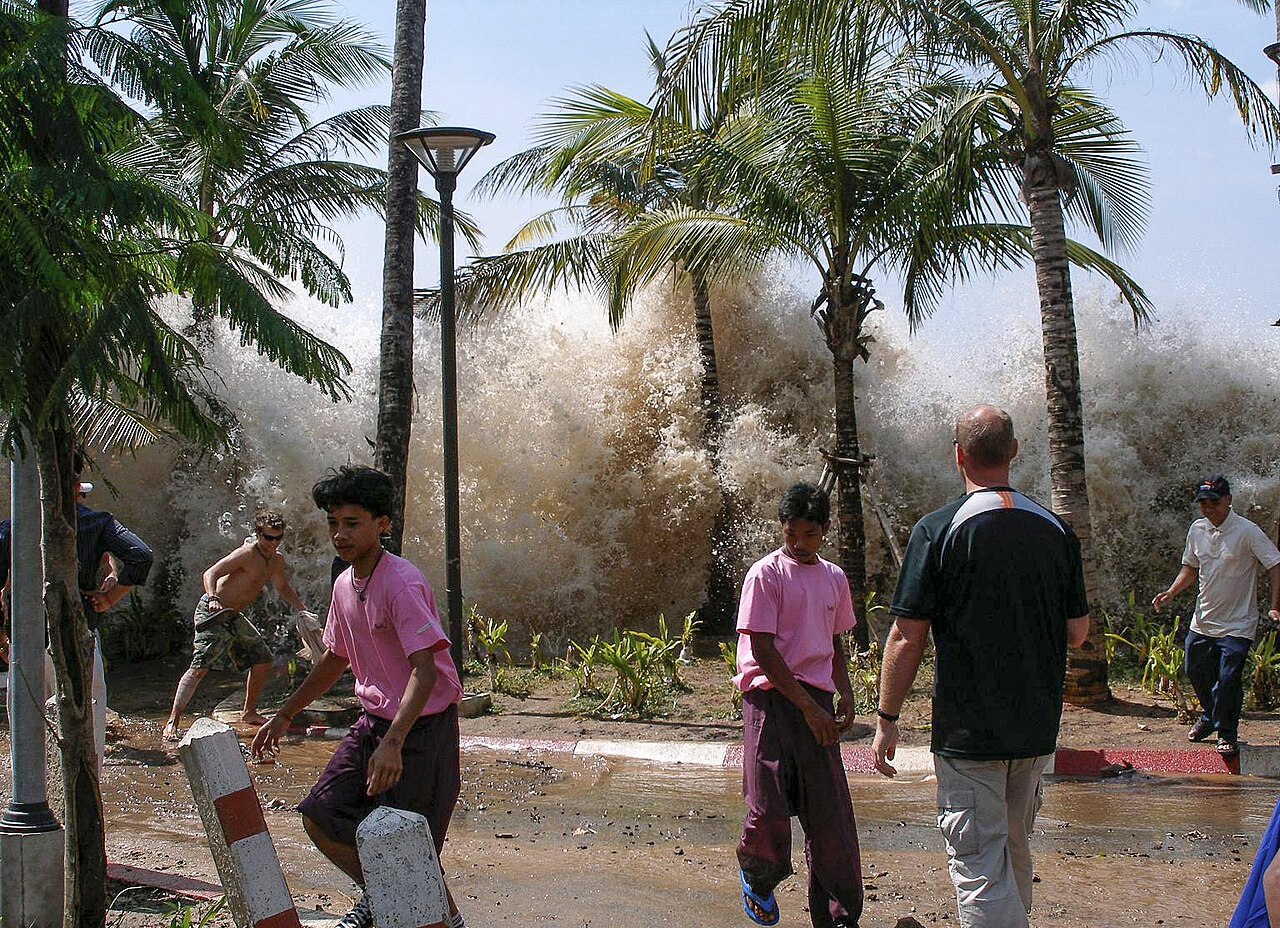
Tsunamis are rare but devastating natural disasters that can cause widespread destruction and loss of life. The term 'tsunami' comes from the Japanese words 'tsu' meaning harbor and 'nami' meaning wave, and was first used to describe the massive waves that struck Japan in 1907. According to the National Oceanic and Atmospheric Administration (NOAA), tsunamis are triggered by the displacement of a large volume of water, usually as a result of earthquakes, landslides, or volcanic eruptions. The 2004 Indian Ocean tsunami, which affected several countries in Southeast Asia, is one of the most significant tsunamis in recent history, with a death toll of over 230,000 people. Researchers like Dr. Dudley Chelton, a renowned oceanographer, have made significant contributions to our understanding of tsunamis, including the development of early warning systems. As scientists like Dr. Chelton continue to study tsunamis, we may uncover new ways to mitigate their impact and save lives, with some estimates suggesting that advanced warning systems could reduce the death toll by up to 90%.
🌊 Introduction to Tsunamis
Tsunamis are a type of natural disaster that can have devastating effects on coastal communities. A tsunami is a series of waves in a water body caused by the displacement of a large volume of water, generally in an ocean or a large lake. According to the National Oceanic and Atmospheric Administration (NOAA), tsunamis can be generated by earthquakes, volcanic eruptions, and underwater explosions. The United States Geological Survey (USGS) also notes that tsunamis can be triggered by landslides and meteorite impacts. For more information on tsunamis, visit the Tsunami Society website.
🌴 Causes of Tsunamis
The causes of tsunamis are varied, but most are triggered by seismic activity. The Pacific Tsunami Museum estimates that over 80% of all tsunamis are caused by earthquakes. Volcanic eruptions, such as the one that occurred at Mount St. Helens in 1980, can also generate tsunamis. Underwater explosions, such as those caused by submarine volcanoes, can also displace large amounts of water and trigger a tsunami. The International Tsunami Information Center provides information on tsunami causes and effects.
🌊 Characteristics of Tsunami Waves
Tsunami waves are different from normal ocean waves in several ways. They have a much longer wavelength, typically over 100 km, and can travel at speeds of up to 500 miles per hour. The Tsunami Warning Center notes that tsunami waves can also be much higher than normal waves, with some reaching heights of over 30 meters. According to the National Weather Service, tsunami waves can also cause widespread flooding and damage to coastal communities. For more information on tsunami waves, visit the Tsunami Research Center website.
🌎 Geographic Distribution of Tsunamis
Tsunamis can occur in any large body of water, but they are most common in the Pacific Ocean. The Pacific Tsunami Museum estimates that over 75% of all tsunamis occur in the Pacific. Other areas prone to tsunamis include the Indian Ocean and the Caribbean Sea. The United Nations has established the International Tsunami Information Center to provide information and resources on tsunamis. For more information on tsunami-prone areas, visit the Tsunami Hazard Mitigation website.
🌊 Warning Systems and Detection
Warning systems and detection are critical in saving lives during a tsunami. The National Oceanic and Atmospheric Administration (NOAA) operates a network of tsunami detection buoys in the Pacific and Indian Oceans. These buoys can detect the changes in ocean pressure and sea level that occur during a tsunami. The Tsunami Warning Center also uses seismic data to detect earthquakes that may trigger a tsunami. For more information on tsunami warning systems, visit the Tsunami Early Warning System website.
🌈 Impact of Tsunamis on Coastal Communities
The impact of tsunamis on coastal communities can be devastating. The 2004 Indian Ocean tsunami caused widespread destruction and loss of life in several countries, including Thailand, Indonesia, and Sri Lanka. The Tsunami Society estimates that over 230,000 people lost their lives in the disaster. Tsunamis can also cause significant economic damage, with the World Bank estimating that the 2011 Tohoku tsunami in Japan caused over $200 billion in damages. For more information on tsunami impacts, visit the Tsunami Impact Assessment website.
🌊 Historical Tsunami Events
There have been several significant tsunami events throughout history. The 1952 Kamchatka tsunami in Russia is one of the most well-known, with waves reaching heights of over 15 meters. The 1960 Chilean tsunami is another example, with waves traveling across the Pacific and causing damage in several countries, including Hawaii and Japan. The Tsunami History website provides more information on historical tsunami events.
🌴 Mitigation and Preparedness Measures
Mitigation and preparedness measures are critical in reducing the impact of tsunamis. The Federal Emergency Management Agency (FEMA) recommends that coastal communities develop tsunami emergency plans and conduct regular drills. The American Red Cross also provides resources and guidance on tsunami preparedness. For more information on mitigation and preparedness, visit the Tsunami Preparedness website.
🌊 Tsunami Research and Science
Tsunami research and science are ongoing fields of study. The National Science Foundation (NSF) funds research on tsunami dynamics and warning systems. The Tsunami Research Center at the University of Hawaii is a leading institution in the field. For more information on tsunami research, visit the Tsunami Science website.
🌎 International Cooperation and Response
International cooperation and response are critical in responding to tsunamis. The United Nations has established the International Tsunami Information Center to provide information and resources on tsunamis. The International Federation of Red Cross and Red Crescent Societies also provides humanitarian aid and support to affected communities. For more information on international cooperation, visit the Tsunami International Cooperation website.
🌈 Conclusion and Future Directions
In conclusion, tsunamis are a significant threat to coastal communities around the world. Understanding the causes and effects of tsunamis is critical in reducing the impact of these disasters. By supporting tsunami research and science, and by promoting international cooperation and response, we can work towards a future where the impact of tsunamis is minimized. For more information on tsunamis, visit the Tsunami Society website.
Key Facts
- Year
- 2004
- Origin
- Japan
- Category
- Natural Disasters
- Type
- Natural Phenomenon
Frequently Asked Questions
What is a tsunami?
A tsunami is a series of waves in a water body caused by the displacement of a large volume of water, generally in an ocean or a large lake. Tsunamis can be generated by earthquakes, volcanic eruptions, and underwater explosions. For more information, visit the Tsunami Society website.
What are the warning signs of a tsunami?
The warning signs of a tsunami include sudden changes in ocean water level, unusual wave activity, and a loud roaring sound. The Tsunami Warning Center also uses seismic data to detect earthquakes that may trigger a tsunami. For more information, visit the Tsunami Early Warning System website.
How can I prepare for a tsunami?
To prepare for a tsunami, it is recommended that you develop a tsunami emergency plan and conduct regular drills. The American Red Cross also provides resources and guidance on tsunami preparedness. For more information, visit the Tsunami Preparedness website.
What are the most tsunami-prone areas in the world?
The most tsunami-prone areas in the world include the Pacific Ocean, the Indian Ocean, and the Caribbean Sea. The United Nations has established the International Tsunami Information Center to provide information and resources on tsunamis. For more information, visit the Tsunami Hazard Mitigation website.
How can I stay safe during a tsunami?
To stay safe during a tsunami, it is recommended that you move immediately to higher ground or inland. The Federal Emergency Management Agency (FEMA) recommends that you stay away from the coastline and follow the instructions of local authorities. For more information, visit the Tsunami Safety website.
What are the economic and social consequences of tsunamis?
The economic and social consequences of tsunamis can be significant. The World Bank estimates that the 2011 Tohoku tsunami in Japan caused over $200 billion in damages. Tsunamis can also cause significant social disruption, with communities displaced and livelihoods lost. For more information, visit the Tsunami Economic Impact website.
How can I help communities affected by tsunamis?
To help communities affected by tsunamis, you can donate to reputable organizations such as the American Red Cross or the International Federation of Red Cross and Red Crescent Societies. You can also volunteer your time and skills to help with relief efforts. For more information, visit the Tsunami Relief website.