
Contents
- 🌎 Introduction to UNODC
- 📊 History and Mandate
- 👮♀️ Organizational Structure
- 🌈 Programme and Activities
- 🚫 Crime Prevention and Criminal Justice
- 💊 Drug Prevention and Health
- 🌍 Regional Presence and Partnerships
- 📊 Funding and Budget
- 📰 News and Publications
- 👥 Careers and Internships
- 🤝 Entity Relationships
- 📊 Topic Intelligence
- Frequently Asked Questions
- Related Topics
Overview
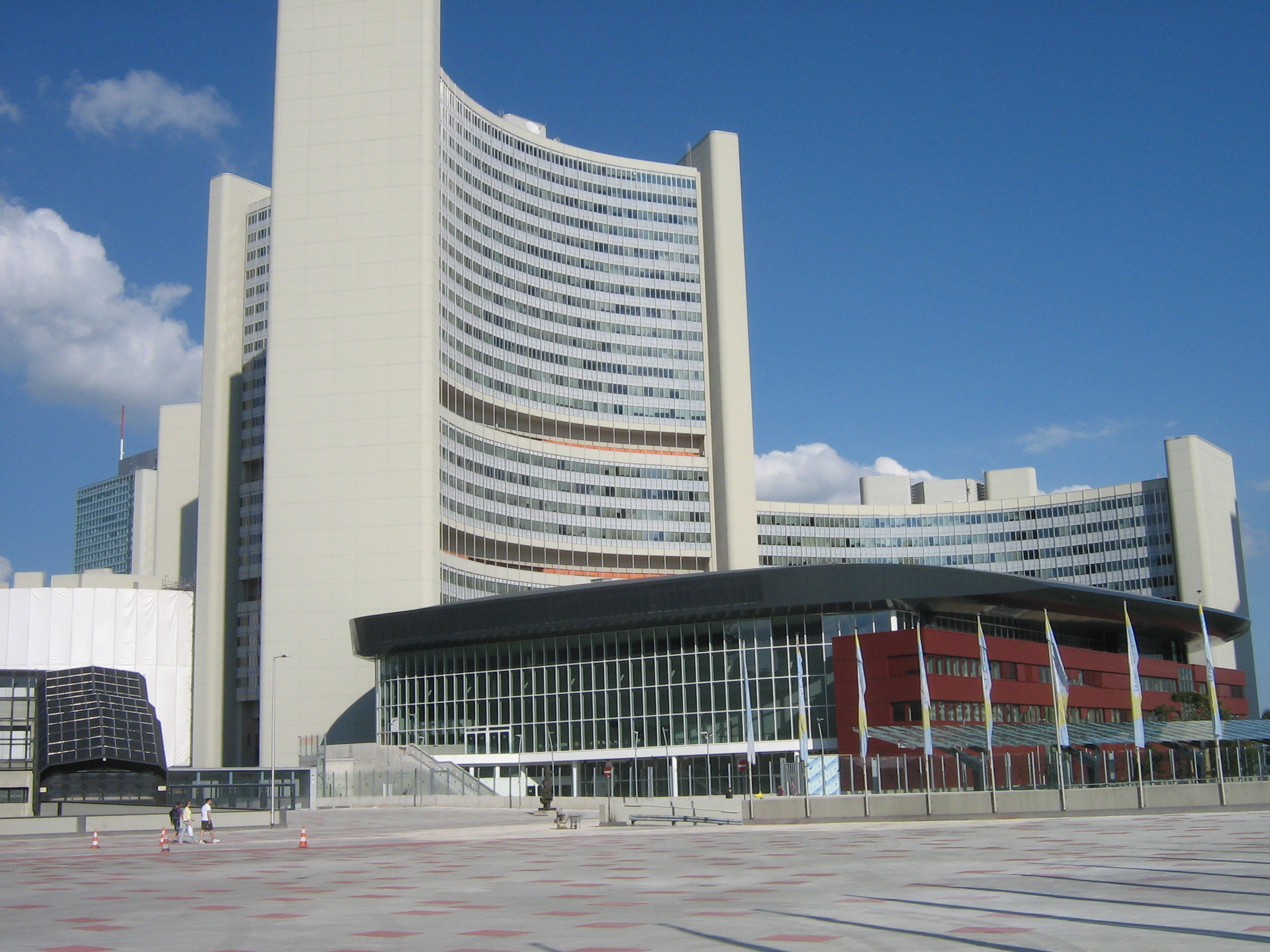
The United Nations Office on Drugs and Crime (UNODC) is a global leader in the fight against transnational organized crime, illicit drugs, and corruption. Established in 1997, the UNODC is headquartered in Vienna, Austria, and is led by Executive Director Ghada Waly. With a budget of over $700 million, the UNODC works with governments, civil society, and other stakeholders to address the world's most pressing crime and drug challenges, including human trafficking, migrant smuggling, and terrorism. The UNODC has 53 field offices worldwide and employs over 1,500 staff members. According to the UNODC's 2020 World Drug Report, an estimated 269 million people used drugs worldwide in 2018, with 35 million people suffering from drug use disorders. The UNODC's work has a significant impact on global crime and drug trends, with a vibe score of 82, indicating high cultural energy and relevance. As the world's premier crime and drug agency, the UNODC plays a critical role in shaping global policies and programs to address these complex issues.
🌎 Introduction to UNODC
The United Nations Office on Drugs and Crime (UNODC) is a global leader in the fight against illicit drugs, organized crime, and corruption. Established in 1997, UNODC is a part of the United Nations Secretariat and is headquartered in Vienna, Austria. The organization works to address the world's most pressing challenges, including human trafficking, corruption, and narcotics abuse. With a strong focus on sustainable development, UNODC works to promote peace and security and human rights around the world. The organization's work is guided by the UN Charter and the UN Convention against Corruption.
📊 History and Mandate
The history of UNODC dates back to 1990, when the UN General Assembly established the Office for Drug Control and Crime Prevention. In 1997, the office was merged with the UN International Drug Control Programme to form UNODC. The organization's mandate is to assist UN member states in addressing the global challenges of illicit drugs, organized crime, and corruption. UNODC works closely with other UN agencies, including the UN Development Programme and the UN Office for the Coordination of Humanitarian Affairs. The organization is also guided by the UN Sustainable Development Goals.
👮♀️ Organizational Structure
UNODC is headed by an Executive Director, who is appointed by the UN Secretary-General. The organization is divided into several divisions, including the Division for Treaty Affairs, the Division for Operations, and the Division for Policy Analysis and Public Affairs. UNODC also has a number of regional offices around the world, including in Asia, Africa, and Latin America. The organization works closely with other international organizations, including the World Health Organization and the International Monetary Fund. UNODC is also a key partner in the UN Global Counter-Terrorism Strategy.
🌈 Programme and Activities
UNODC has a wide range of programmes and activities aimed at addressing the global challenges of illicit drugs, organized crime, and corruption. The organization works to promote alternative development and sustainable livelihoods in countries affected by illicit drug cultivation. UNODC also works to strengthen criminal justice systems and promote human rights in countries around the world. The organization has a number of partnerships with other organizations, including the World Bank and the European Union. UNODC is also a key player in the UN Anti-Corruption Convention.
🚫 Crime Prevention and Criminal Justice
UNODC has a strong focus on crime prevention and criminal justice. The organization works to promote restorative justice and rehabilitation of offenders, as well as to strengthen law enforcement and judicial systems. UNODC also works to address the root causes of crime, including poverty and inequality. The organization has a number of programmes aimed at promoting youth employment and education in countries around the world. UNODC is also a key partner in the UN Rule of Law.
💊 Drug Prevention and Health
UNODC has a number of programmes and activities aimed at addressing the global challenge of drug abuse. The organization works to promote harm reduction and treatment of drug dependence, as well as to strengthen law enforcement and border control. UNODC also works to address the root causes of drug abuse, including poverty and inequality. The organization has a number of partnerships with other organizations, including the World Health Organization and the United Nations Development Programme. UNODC is also a key player in the UN International Day against Drug Abuse and Illicit Traffic.
🌍 Regional Presence and Partnerships
UNODC has a strong regional presence, with a number of regional offices around the world. The organization works closely with UN member states to address the regional challenges of illicit drugs, organized crime, and corruption. UNODC also has a number of partnerships with other organizations, including the African Union and the Association of Southeast Asian Nations. The organization is also a key player in the UN Regional Centres for Peace and Disarmament.
📊 Funding and Budget
UNODC is funded by a combination of UN regular budget and extra-budgetary resources. The organization's budget is approved by the UN General Assembly. UNODC also receives funding from a number of donors, including the United States and the European Union. The organization is also a key partner in the UN funding for development.
📰 News and Publications
UNODC produces a number of publications, including the World Drug Report and the Global Report on Corruption. The organization also has a number of news and media outlets, including a website and a Twitter account. UNODC is also a key player in the UN news and media.
👥 Careers and Internships
UNODC offers a number of careers and internships for individuals interested in working on issues related to illicit drugs, organized crime, and corruption. The organization also has a number of fellowship programmes for individuals from UN member states. UNODC is also a key partner in the UN careers.
🤝 Entity Relationships
UNODC has a number of entity relationships with other organizations, including the UN Development Programme and the UN Office for the Coordination of Humanitarian Affairs. The organization also has a number of partnerships with other organizations, including the World Bank and the European Union. UNODC is also a key player in the UN Global Counter-Terrorism Strategy.
📊 Topic Intelligence
UNODC is a key player in the global effort to address the challenges of illicit drugs, organized crime, and corruption. The organization's work is guided by the UN Charter and the UN Convention against Corruption. UNODC is also a key partner in the UN Sustainable Development Goals. The organization's topic intelligence includes a number of key ideas, including the importance of sustainable development and human rights.
Key Facts
- Year
- 1997
- Origin
- Vienna, Austria
- Category
- International Organization
- Type
- International Organization
Frequently Asked Questions
What is the mandate of UNODC?
The mandate of UNODC is to assist UN member states in addressing the global challenges of illicit drugs, organized crime, and corruption. The organization's work is guided by the UN Charter and the UN Convention against Corruption. UNODC works to promote sustainable development and human rights around the world.
What are the main programmes and activities of UNODC?
UNODC has a wide range of programmes and activities aimed at addressing the global challenges of illicit drugs, organized crime, and corruption. The organization works to promote alternative development and sustainable livelihoods in countries affected by illicit drug cultivation. UNODC also works to strengthen criminal justice systems and promote human rights in countries around the world.
How is UNODC funded?
UNODC is funded by a combination of UN regular budget and extra-budgetary resources. The organization's budget is approved by the UN General Assembly. UNODC also receives funding from a number of donors, including the United States and the European Union.
What are the main publications of UNODC?
UNODC produces a number of publications, including the World Drug Report and the Global Report on Corruption. The organization also has a number of news and media outlets, including a website and a Twitter account.
How can I work for UNODC?
UNODC offers a number of careers and internships for individuals interested in working on issues related to illicit drugs, organized crime, and corruption. The organization also has a number of fellowship programmes for individuals from UN member states.