
Contents
- 🌏 Introduction to Uyghur People
- 📚 History and Origins
- 🗣️ Language and Culture
- 🏰 Geographic Distribution
- 📊 Demographics and Population
- 👥 Social Structure and Community
- 🕊️ Religion and Beliefs
- 📚 Education and Economic Development
- 📰 Human Rights and Controversies
- 🌈 Preservation of Uyghur Heritage
- 🤝 International Relations and Support
- Frequently Asked Questions
- Related Topics
Overview
The Uyghur people, a Turkic ethnic group native to the Xinjiang Uyghur Autonomous Region in northwest China, have a rich cultural heritage dating back to the 8th century. With a population of approximately 12 million, they have historically been influenced by Islam, Buddhism, and Shamanism. However, in recent years, the Uyghur people have faced intense persecution and cultural erasure under the Chinese government's policies, including mass detentions, forced labor, and surveillance. The Chinese government has been accused of committing human rights abuses, including forced sterilization and family separation, with estimates suggesting over 1 million Uyghurs have been detained in 're-education' camps since 2017. The international community has condemned these actions, with many countries imposing sanctions on China. As the situation continues to unfold, the Uyghur people's struggle for autonomy, cultural preservation, and human rights remains a pressing concern, with the United Nations and human rights organizations calling for immediate action to address the crisis.
🌏 Introduction to Uyghur People
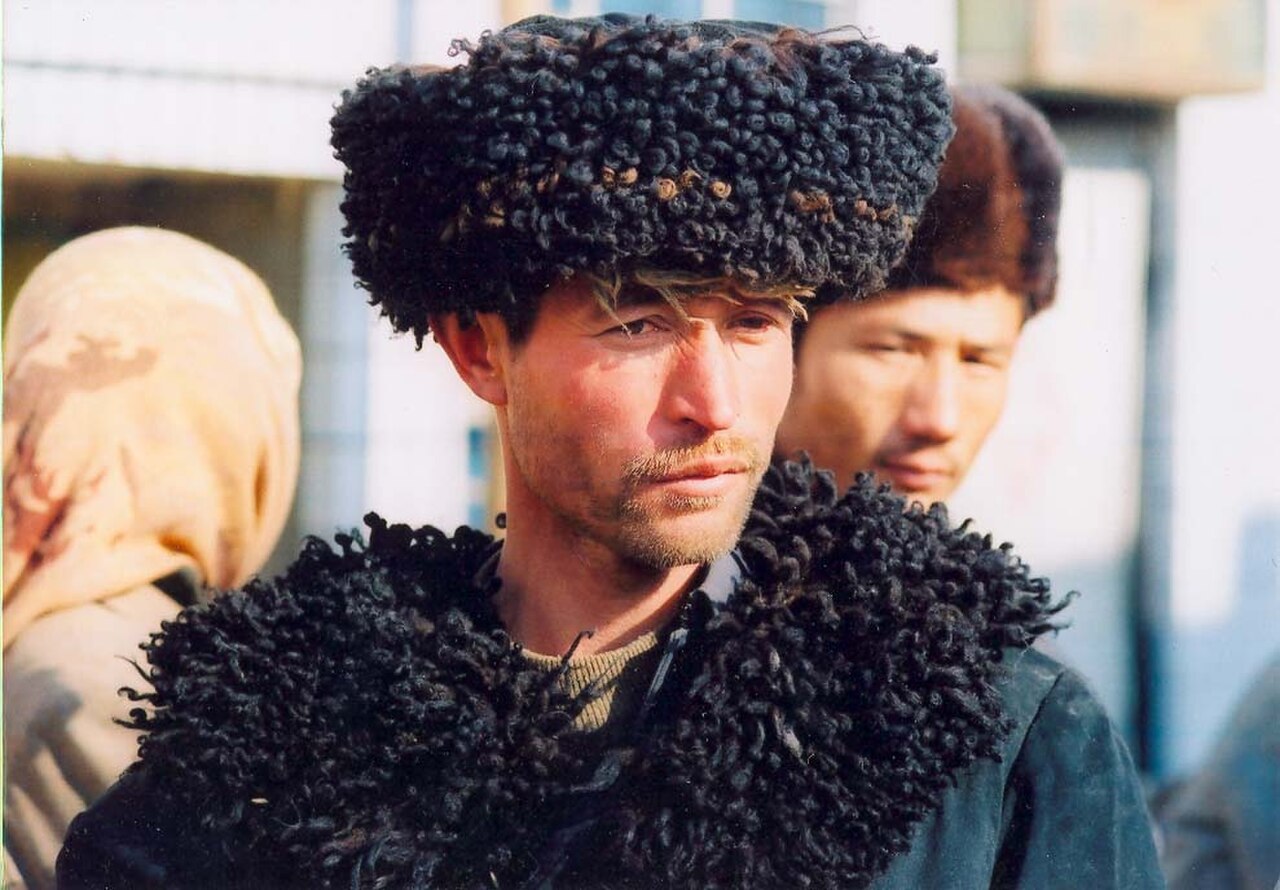
The Uyghur people, alternatively spelled Uighurs, Uygurs, or Uigurs, are a Turkic ethnic group originating from and culturally affiliated with the general region of Central Asia and East Asia. They speak Uyghur, a Karluk language that shares the same origin with Uzbek. The Uyghurs are recognized as the titular nationality of the Xinjiang Uyghur Autonomous Region in Northwest China. They are one of China's 55 officially recognized ethnic minorities, with a rich history and cultural heritage that is worth exploring, including their connection to the Silk Road.
📚 History and Origins
The history of the Uyghur people dates back to the 8th century, when they established the Uyghur Khaganate in modern-day Mongolia. The Uyghurs played a significant role in the development of the Silk Road, a network of trade routes that connected Europe and Asia. They were also known for their expertise in agriculture, trade, and diplomacy. The Uyghurs have a long and complex relationship with the Chinese Empire, with periods of both cooperation and conflict, including the Mongol Conquest of the 13th century.
🗣️ Language and Culture
The Uyghur language is a vital part of Uyghur culture and identity, with a unique script and grammar that is distinct from other Turkic languages. The Uyghurs have a rich tradition of literature, music, and art, with many famous Uyghur poets, musicians, and artists throughout history. The Uyghurs are also known for their delicious cuisine, which includes dishes such as plov and shashlik. The Uyghur people have a strong sense of community and social bonding, with many traditional festivals and celebrations, including the Nowruz spring festival, which is also celebrated by other ethnic groups in the region, such as the Kazakh people.
🏰 Geographic Distribution
The Uyghur people are primarily distributed in the Xinjiang Uyghur Autonomous Region in Northwest China, with smaller communities in other parts of China, such as Kazakhstan and Kyrgyzstan. The Uyghurs have a long history of migration and displacement, with many Uyghurs fleeing to other countries, such as Turkey and Pakistan, in search of refuge and economic opportunities. The Uyghur people have a strong connection to their homeland and cultural heritage, with many Uyghurs maintaining strong ties to their community and traditions, including their Islamic faith.
📊 Demographics and Population
The demographics of the Uyghur people are complex and multifaceted, with a population of over 12 million people in China alone. The Uyghurs are a relatively young population, with a high birth rate and a growing population of young people. The Uyghurs have a diverse range of occupations, including agriculture, trade, and services. However, the Uyghurs also face significant economic and social challenges, including poverty, unemployment, and limited access to education and healthcare, which are also faced by other ethnic minorities in China, such as the Tibetan people.
🕊️ Religion and Beliefs
The Uyghur people are predominantly Muslim, with a strong tradition of Islamic faith and practice. The Uyghurs have a rich tradition of Islamic scholarship and learning, with many famous Uyghur scholars and theologians throughout history. The Uyghurs also have a unique tradition of Sufi mysticism, with a strong emphasis on spiritual devotion and inner purification. However, the Uyghurs also face significant challenges and controversies related to their Islamic faith, including the impact of extremism and terrorism on their community, which is also a concern for other Muslim-majority communities in the region, such as the Kazakh people.
📚 Education and Economic Development
The Uyghur people have a strong tradition of education and learning, with a rich history of Islamic scholarship and intellectual inquiry. The Uyghurs have a diverse range of educational institutions, including the university and the madrasa. However, the Uyghurs also face significant challenges and barriers to education, including limited access to educational resources and opportunities, which are also faced by other ethnic minorities in China, such as the Tibetan people. The Uyghurs have a strong emphasis on economic development and self-sufficiency, with a growing economy and a diverse range of industries, including agriculture, manufacturing, and services.
📰 Human Rights and Controversies
The Uyghur people have faced significant human rights challenges and controversies in recent years, including the impact of surveillance and repression on their community. The Uyghurs have been subject to significant restrictions on their freedom of speech, assembly, and association, with many Uyghurs detained or imprisoned for their political or religious activities. The Uyghurs have also faced significant challenges and barriers to their economic and social development, including limited access to education and employment opportunities, which are also faced by other ethnic minorities in China, such as the Uzbek people.
🌈 Preservation of Uyghur Heritage
The preservation of Uyghur heritage and culture is a vital concern for the Uyghur people, with a strong emphasis on language, literature, and traditional arts. The Uyghurs have a rich tradition of cultural expression, including music, dance, and art. The Uyghurs also have a strong sense of cultural identity and pride, with a growing movement to promote and preserve Uyghur culture and heritage, including working with organizations such as the UNESCO. However, the Uyghurs also face significant challenges and threats to their cultural heritage, including the impact of assimilation and cultural erosion on their community.
🤝 International Relations and Support
The Uyghur people have a complex and multifaceted relationship with the international community, with a growing movement to promote and support Uyghur rights and interests. The Uyghurs have a strong sense of solidarity and cooperation with other ethnic and minority groups, including the Kazakh people and the Uzbek people. The Uyghurs also have a growing relationship with international organizations and institutions, including the United Nations and the European Union. However, the Uyghurs also face significant challenges and controversies related to their international relations, including the impact of geopolitics and diplomacy on their community.
Key Facts
- Year
- 1949
- Origin
- Xinjiang Uyghur Autonomous Region, China
- Category
- Ethnic Groups
- Type
- Ethnic Group
Frequently Asked Questions
What is the origin of the Uyghur people?
The Uyghur people originated from the general region of Central Asia and East Asia, with a history dating back to the 8th century. They established the Uyghur Khaganate in modern-day Mongolia and played a significant role in the development of the Silk Road. The Uyghurs have a rich cultural heritage and a unique tradition of Islamic faith and practice, with a strong emphasis on family and social bonding. However, the Uyghurs also face significant challenges and controversies related to their identity and community, including the impact of assimilation and cultural erosion.
What is the current situation of the Uyghur people in China?
The Uyghur people in China face significant human rights challenges and controversies, including the impact of surveillance and repression on their community. The Uyghurs have been subject to significant restrictions on their freedom of speech, assembly, and association, with many Uyghurs detained or imprisoned for their political or religious activities. The Uyghurs also face significant challenges and barriers to their economic and social development, including limited access to education and employment opportunities. However, the Uyghurs also have a strong sense of cultural identity and pride, with a growing movement to promote and preserve Uyghur culture and heritage.
What is the relationship between the Uyghur people and the Chinese government?
The relationship between the Uyghur people and the Chinese government is complex and multifaceted, with a history of both cooperation and conflict. The Uyghurs have a strong sense of cultural identity and autonomy, with a desire for greater self-governance and independence. However, the Chinese government has also imposed significant restrictions on the Uyghur people, including limits on their freedom of speech and assembly. The Uyghurs have a growing movement to promote and support their rights and interests, including working with international organizations and institutions.
What is the role of the international community in supporting the Uyghur people?
The international community has a significant role to play in supporting the Uyghur people, including promoting and protecting their human rights and interests. The Uyghurs have a growing relationship with international organizations and institutions, including the United Nations and the European Union. The international community can provide significant support and assistance to the Uyghur people, including economic and humanitarian aid, as well as diplomatic and political support. However, the international community must also be aware of the complex and multifaceted nature of the Uyghur issue, including the impact of geopolitics and diplomacy on their community.
What is the future of the Uyghur people?
The future of the Uyghur people is uncertain and complex, with a range of possible outcomes and scenarios. The Uyghurs have a strong sense of cultural identity and autonomy, with a desire for greater self-governance and independence. However, the Uyghurs also face significant challenges and controversies related to their identity and community, including the impact of assimilation and cultural erosion. The international community has a significant role to play in supporting the Uyghur people, including promoting and protecting their human rights and interests. The Uyghurs must also work to promote and preserve their cultural heritage, including their language, literature, and traditional arts.
How can I learn more about the Uyghur people?
There are many ways to learn more about the Uyghur people, including reading books and articles, watching documentaries and films, and engaging with Uyghur communities and organizations. The Uyghur people have a rich cultural heritage and a unique tradition of Islamic faith and practice, with a strong emphasis on family and social bonding. The Uyghurs also have a growing movement to promote and support their rights and interests, including working with international organizations and institutions. You can also learn more about the Uyghur people by visiting their homeland in Xinjiang, China, and experiencing their culture and traditions firsthand.
What can I do to support the Uyghur people?
There are many ways to support the Uyghur people, including donating to Uyghur organizations and charities, volunteering your time and skills, and raising awareness about the Uyghur issue. The Uyghurs have a growing movement to promote and support their rights and interests, including working with international organizations and institutions. You can also support the Uyghur people by learning more about their culture and traditions, and by engaging with Uyghur communities and organizations. The Uyghurs appreciate any support and assistance they can receive, and are grateful for the solidarity and cooperation of the international community.
👥 Social Structure and Community
The social structure of the Uyghur people is based on a complex system of kinship and community ties, with a strong emphasis on family and social bonding. The Uyghurs have a rich tradition of social and cultural institutions, including the mosque and the madrasa. The Uyghurs also have a strong sense of community and social responsibility, with many Uyghurs involved in volunteer work and community service, including working with organizations such as the Red Crescent. However, the Uyghurs also face significant social and cultural challenges, including the erosion of traditional values and the impact of modernization and urbanization, which are also faced by other ethnic groups in the region, such as the Uzbek people.