
Contents
- 🕰️ Introduction to Clothing Evolution
- 👗 Garment History and Development
- 🧵 Fabric and Textile Innovations
- 👠 Footwear and Accessories
- 👙 Underwear and Intimate Apparel
- 🌎 Geographic and Cultural Influences
- 👥 Social Factors and Body Type Considerations
- 🚀 Future of Clothing and Sustainability
- 👖 Clothing and Identity: Expression and Conformity
- 📈 The Economics of Clothing and Fashion
- 👩🎤 Celebrity Influence and Fashion Trends
- 👫 The Impact of Technology on Clothing Design
- Frequently Asked Questions
- Related Topics
Overview
Clothing has been a cornerstone of human culture for thousands of years, with ancient civilizations such as Egypt, Greece, and Rome influencing modern fashion. The Industrial Revolution marked a significant shift in clothing production, with the introduction of mechanized textile manufacturing and the rise of fast fashion. Today, the clothing industry is a global phenomenon, with a projected value of over $3 trillion by 2025. However, the industry is also facing criticism for its environmental and social impact, with many consumers opting for sustainable and eco-friendly clothing options. The controversy surrounding fast fashion has sparked a debate about the future of clothing, with some arguing that it is a necessary evil, while others advocate for a complete overhaul of the industry. As the clothing industry continues to evolve, it will be interesting to see how it balances profitability with sustainability and social responsibility, with key players like Patagonia and Reformation leading the charge towards a more environmentally-friendly future.
🕰️ Introduction to Clothing Evolution
The evolution of clothing is a rich and complex narrative that spans thousands of years, with various factors influencing the development of garments, footwear, and accessories. Clothing is any item worn on a human body, typically made of fabrics or textiles, and its primary function is to cover and protect the body. The amount and type of clothing worn depend on fashion trends, gender identity, body type, social factors, and geographic considerations. For instance, people living in colder climates tend to wear more layers of clothing to stay warm, while those in warmer climates opt for lighter, breathable garments. The history of clothing is also closely tied to the development of textiles and fabrics, with advancements in technology and manufacturing processes enabling the creation of new materials and garments.
👗 Garment History and Development
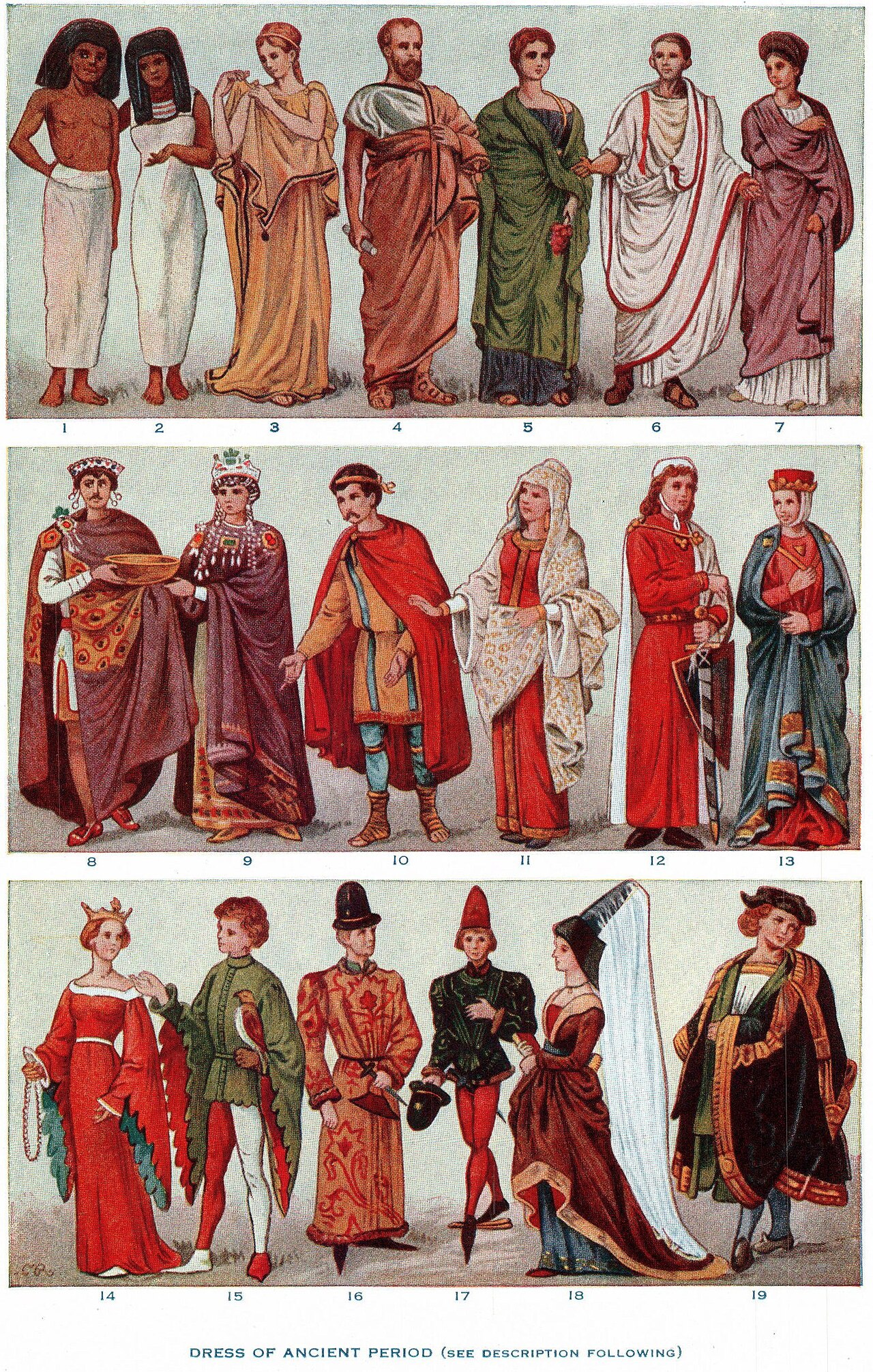
The history of garments dates back to ancient civilizations, with evidence of clothing found in the ruins of Egyptian and Greek cities. Garments were initially made from animal skin and other natural materials, with the development of weaving and sewing techniques enabling the creation of more complex and sophisticated clothing. The Industrial Revolution marked a significant turning point in the history of clothing, with the introduction of mechanized textile production and the development of synthetic fabrics. Today, garments are made from a wide range of materials, including cotton, polyester, and silk. The production and distribution of clothing are also influenced by fashion designers and fashion brands, who play a crucial role in shaping fashion trends and consumer demand.
🧵 Fabric and Textile Innovations
Fabric and textile innovations have played a crucial role in the evolution of clothing, with advancements in technology and manufacturing processes enabling the creation of new materials and garments. The development of synthetic fibers such as nylon and polyester has enabled the production of durable, easy-to-care-for clothing, while advancements in weaving and knitting techniques have enabled the creation of complex and sophisticated fabrics. The use of sustainable materials and eco-friendly production methods is also becoming increasingly important, with consumers and manufacturers alike recognizing the need to reduce the environmental impact of the clothing industry. For example, the use of organic cotton and recycled materials is on the rise, with many fashion brands incorporating these materials into their designs.
👠 Footwear and Accessories
Footwear and accessories have also undergone significant changes over the years, with advancements in technology and manufacturing processes enabling the creation of new and innovative products. The development of leather and rubber has enabled the production of durable and comfortable footwear, while advancements in textile technology have enabled the creation of complex and sophisticated accessories such as hats and bags. The use of sustainable materials and eco-friendly production methods is also becoming increasingly important in the production of footwear and accessories, with consumers and manufacturers alike recognizing the need to reduce the environmental impact of the industry. For instance, the use of recycled rubber and biodegradable materials is on the rise, with many footwear brands incorporating these materials into their designs.
👙 Underwear and Intimate Apparel
Underwear and intimate apparel have also evolved significantly over the years, with advancements in technology and manufacturing processes enabling the creation of new and innovative products. The development of cotton and silk has enabled the production of comfortable and breathable underwear, while advancements in textile technology have enabled the creation of complex and sophisticated intimate apparel such as bras and panties. The use of sustainable materials and eco-friendly production methods is also becoming increasingly important in the production of underwear and intimate apparel, with consumers and manufacturers alike recognizing the need to reduce the environmental impact of the industry. For example, the use of organic cotton and recycled materials is on the rise, with many lingerie brands incorporating these materials into their designs.
🌎 Geographic and Cultural Influences
Geographic and cultural influences have played a significant role in the evolution of clothing, with different regions and cultures developing their own unique styles and traditions. The use of traditional textiles and cultural motifs has enabled the creation of distinctive and culturally significant clothing, while advancements in globalization and technology have enabled the exchange of ideas and influences between different cultures and regions. For instance, the influence of African culture can be seen in the use of traditional African textiles and African prints in modern clothing designs. The impact of social media on the fashion industry has also been significant, with platforms such as Instagram and Facebook enabling the dissemination of fashion trends and ideas to a global audience.
🚀 Future of Clothing and Sustainability
The future of clothing and sustainability is a critical issue, with the fashion industry recognized as one of the most polluting and wasteful industries in the world. The use of sustainable materials and eco-friendly production methods is becoming increasingly important, with consumers and manufacturers alike recognizing the need to reduce the environmental impact of the industry. For instance, the use of recycled materials and biodegradable materials is on the rise, with many fashion brands incorporating these materials into their designs. The impact of technology on the fashion industry has also been significant, with advancements in digital printing and 3D design enabling the creation of complex and sophisticated clothing with reduced waste and environmental impact.
👖 Clothing and Identity: Expression and Conformity
Clothing and identity are closely tied, with individuals using fashion as a means of self-expression and identity formation. The use of fashion as self-expression has enabled individuals to express their creativity and individuality through their clothing choices, while advancements in body positivity and inclusivity have enabled the creation of clothing that is more diverse and inclusive. For example, the rise of streetwear has led to the creation of clothing lines that cater to a wider range of styles and preferences, with many fashion brands incorporating streetwear influencers into their marketing campaigns.
📈 The Economics of Clothing and Fashion
The economics of clothing and fashion is a complex and multifaceted issue, with the fashion industry recognized as one of the largest and most profitable industries in the world. The use of fast fashion and sustainable fashion has enabled the creation of affordable and trendy clothing, while advancements in globalization and technology have enabled the exchange of ideas and influences between different cultures and regions. For instance, the rise of e-commerce has led to the creation of online clothing retailers that cater to a global audience, with many fashion brands incorporating social media into their marketing campaigns.
👩🎤 Celebrity Influence and Fashion Trends
Celebrity influence and fashion trends have played a significant role in the evolution of clothing, with celebrities and influencers using their platforms to promote and popularize different styles and trends. The use of social media has enabled celebrities and influencers to reach a wider audience and disseminate their fashion choices and preferences to a global audience. For example, the influence of Kim Kardashian can be seen in the rise of bodycon dresses and high-waisted pants, with many fashion brands incorporating these styles into their designs.
👫 The Impact of Technology on Clothing Design
The impact of technology on clothing design has been significant, with advancements in digital printing and 3D design enabling the creation of complex and sophisticated clothing with reduced waste and environmental impact. The use of artificial intelligence and machine learning has also enabled the creation of personalized and tailored clothing, with many fashion brands incorporating these technologies into their designs. For instance, the use of virtual try-on technology has enabled consumers to try on clothing virtually, reducing the need for physical prototypes and minimizing waste.
Key Facts
- Year
- 2022
- Origin
- Ancient Civilizations
- Category
- Fashion
- Type
- Concept
Frequently Asked Questions
What is the history of clothing?
The history of clothing dates back to ancient civilizations, with evidence of clothing found in the ruins of Egyptian and Greek cities. Garments were initially made from animal skin and other natural materials, with the development of weaving and sewing techniques enabling the creation of more complex and sophisticated clothing. The Industrial Revolution marked a significant turning point in the history of clothing, with the introduction of mechanized textile production and the development of synthetic fabrics.
What are the different types of clothing?
There are many different types of clothing, including garments, footwear, accessories, and intimate apparel. Clothing can be categorized by gender, body type, social factors, and geographic considerations. For example, people living in colder climates tend to wear more layers of clothing to stay warm, while those in warmer climates opt for lighter, breathable garments.
What is the impact of technology on the fashion industry?
The impact of technology on the fashion industry has been significant, with advancements in digital printing and 3D design enabling the creation of complex and sophisticated clothing with reduced waste and environmental impact. The use of artificial intelligence and machine learning has also enabled the creation of personalized and tailored clothing, with many fashion brands incorporating these technologies into their designs.
What is sustainable fashion?
Sustainable fashion refers to the design, production, and distribution of clothing in a way that minimizes harm to the environment and promotes social responsibility. This can include the use of sustainable materials, eco-friendly production methods, and recycling and upcycling of clothing. Many fashion brands are now incorporating sustainable practices into their designs and production methods, with a focus on reducing waste and minimizing environmental impact.
What is the future of clothing and fashion?
The future of clothing and fashion is likely to be shaped by advancements in technology, sustainability, and social responsibility. The use of artificial intelligence and machine learning will enable the creation of personalized and tailored clothing, while the focus on sustainability and eco-friendliness will drive the development of new materials and production methods. The impact of social media on the fashion industry will also continue to shape fashion trends and consumer behavior.
How does clothing reflect cultural and social identity?
Clothing has long been a reflection of cultural and social identity, with different cultures and social groups developing their own unique styles and traditions. The use of traditional textiles and cultural motifs has enabled the creation of distinctive and culturally significant clothing, while advancements in globalization and technology have enabled the exchange of ideas and influences between different cultures and regions. For example, the influence of African culture can be seen in the use of traditional African textiles and African prints in modern clothing designs.
What is the role of celebrity influence in fashion?
Celebrity influence has played a significant role in the evolution of clothing, with celebrities and influencers using their platforms to promote and popularize different styles and trends. The use of social media has enabled celebrities and influencers to reach a wider audience and disseminate their fashion choices and preferences to a global audience. For example, the influence of Kim Kardashian can be seen in the rise of bodycon dresses and high-waisted pants, with many fashion brands incorporating these styles into their designs.
👥 Social Factors and Body Type Considerations
Social factors and body type considerations have also played a significant role in the evolution of clothing, with different social groups and body types developing their own unique styles and preferences. The use of fashion as self-expression has enabled individuals to express their identity and creativity through their clothing choices, while advancements in body positivity and inclusivity have enabled the creation of clothing that is more diverse and inclusive. For example, the rise of plus-size fashion has led to the creation of clothing lines that cater to a wider range of body types, with many fashion brands incorporating plus-size models into their marketing campaigns.