
Contents
- 🎮 Introduction to Video Game Animation
- 📊 The Early Days of Video Game Animation
- 🤖 The Rise of 3D Graphics and Animation
- 🎥 The Impact of Cinematics on Video Game Animation
- 👥 The Role of Animation in Game Development
- 📈 The Evolution of Animation Techniques
- 🤝 Collaboration Between Animators and Game Developers
- 📊 The Future of Video Game Animation
- 📝 Challenges and Limitations in Video Game Animation
- 🎯 The Importance of Animation in Game Design
- 👀 The Relationship Between Animation and Player Engagement
- Frequently Asked Questions
- Related Topics
Overview
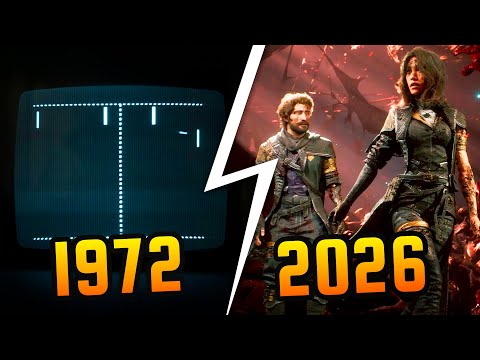
Video game animation has undergone a significant transformation since its inception in the 1970s. The first video games, such as Pong (1972) and Space Invaders (1978), featured basic 2D graphics and limited animation. However, with the advent of 3D graphics in the 1990s, games like Super Mario 64 (1996) and The Legend of Zelda: Ocarina of Time (1998) revolutionized the industry. Today, video game animation is a multi-billion dollar market, with games like The Last of Us (2013) and Red Dead Redemption 2 (2018) pushing the boundaries of storytelling and visual fidelity. The use of motion capture technology, physics engines, and artificial intelligence has enabled developers to create more realistic and immersive experiences. As the industry continues to evolve, we can expect to see even more impressive advancements in video game animation, with potential applications in fields like film, television, and virtual reality.
🎮 Introduction to Video Game Animation
The evolution of video game animation has been a remarkable journey, from the early days of 2D graphics to the current era of photorealistic 3D animation. The first video games, such as Pong and Space Invaders, featured simple graphics and limited animation. However, as technology improved, game developers began to experiment with new animation techniques, such as sprite animation and tile-based animation. The introduction of NES and Sega Genesis consoles further accelerated the development of video game animation, with games like Super Mario Bros and Sonic the Hedgehog showcasing impressive platforming and character animation.
📊 The Early Days of Video Game Animation
The early days of video game animation were marked by significant technical limitations, including limited color palettes and frame rates. Despite these challenges, game developers managed to create engaging and immersive experiences, such as Pac-Man and Donkey Kong. The introduction of Amiga and Atari ST computers further expanded the possibilities of video game animation, with games like Lemmings and The Secret of Monkey Island featuring complex animation and cutscenes. As the industry continued to evolve, game developers began to experiment with new animation techniques, such as cel-shading and motion capture.
🤖 The Rise of 3D Graphics and Animation
The rise of 3D graphics and animation revolutionized the video game industry, enabling the creation of immersive and interactive 3D environments. Games like Tomb Raider and Resident Evil showcased impressive 3D animation and character modeling. The introduction of PlayStation and Nintendo 64 consoles further accelerated the development of 3D graphics and animation, with games like Final Fantasy VII and The Legend of Zelda: Ocarina of Time featuring complex 3D animation and FMV cutscenes. As the industry continued to evolve, game developers began to experiment with new animation techniques, such as physics-based animation and procedural animation.
🎥 The Impact of Cinematics on Video Game Animation
The impact of cinematics on video game animation has been significant, enabling the creation of engaging and immersive storytelling experiences. Games like Metal Gear Solid and Final Fantasy X featured impressive cinematics and cutscenes, which helped to advance the story and character development. The introduction of PlayStation 2 and Xbox consoles further expanded the possibilities of cinematics, with games like Grand Theft Auto: San Andreas and Halo 2 featuring complex cinematics and motion capture. As the industry continued to evolve, game developers began to experiment with new cinematics techniques, such as motion control and facial animation.
👥 The Role of Animation in Game Development
The role of animation in game development is crucial, as it enables the creation of engaging and immersive gameplay experiences. Game developers use animation to bring characters and environments to life, creating a sense of gameplay and player engagement. The introduction of Unreal Engine and Unity game engines further expanded the possibilities of animation, with games like Gears of War and Assassin's Creed featuring complex animation and character modeling. As the industry continues to evolve, game developers are experimenting with new animation techniques, such as artificial intelligence and machine learning.
📈 The Evolution of Animation Techniques
The evolution of animation techniques has been significant, with game developers continually pushing the boundaries of what is possible. The introduction of keyframe animation and tweening enabled the creation of smooth and realistic animation. The development of motion capture technology further expanded the possibilities of animation, with games like LA Noire and Red Dead Redemption featuring complex motion capture and facial animation. As the industry continues to evolve, game developers are experimenting with new animation techniques, such as physics-based animation and procedural animation.
🤝 Collaboration Between Animators and Game Developers
Collaboration between animators and game developers is crucial, as it enables the creation of engaging and immersive gameplay experiences. Game developers work closely with animators to ensure that animation is integrated seamlessly into the game, creating a sense of gameplay and player engagement. The introduction of agile development methodologies further expanded the possibilities of collaboration, with game developers and animators working together to create complex animation and character modeling. As the industry continues to evolve, collaboration between animators and game developers is becoming increasingly important, with games like The Last of Us and The Witcher 3: Wild Hunt featuring complex animation and storytelling.
📊 The Future of Video Game Animation
The future of video game animation is exciting, with game developers continually pushing the boundaries of what is possible. The introduction of virtual reality and augmented reality technologies is further expanding the possibilities of animation, with games like Beat Saber and Job Simulator featuring complex animation and motion control. As the industry continues to evolve, game developers are experimenting with new animation techniques, such as artificial intelligence and machine learning. The development of cloud gaming and game streaming is also changing the way game developers approach animation, with games like Google Stadia and Microsoft xCloud featuring complex animation and gameplay.
📝 Challenges and Limitations in Video Game Animation
The challenges and limitations in video game animation are significant, with game developers continually pushing the boundaries of what is possible. The introduction of frame rate and resolution limitations can impact the quality of animation, with games like Cyberpunk 2077 and The Last of Us Part II featuring complex animation and character modeling. The development of motion capture technology is also changing the way game developers approach animation, with games like LA Noire and Red Dead Redemption featuring complex motion capture and facial animation. As the industry continues to evolve, game developers are experimenting with new animation techniques, such as physics-based animation and procedural animation.
🎯 The Importance of Animation in Game Design
The importance of animation in game design is crucial, as it enables the creation of engaging and immersive gameplay experiences. Game developers use animation to bring characters and environments to life, creating a sense of gameplay and player engagement. The introduction of Unreal Engine and Unity game engines further expanded the possibilities of animation, with games like Gears of War and Assassin's Creed featuring complex animation and character modeling. As the industry continues to evolve, game developers are experimenting with new animation techniques, such as artificial intelligence and machine learning.
👀 The Relationship Between Animation and Player Engagement
The relationship between animation and player engagement is significant, with game developers continually pushing the boundaries of what is possible. The introduction of motion control and facial animation is further expanding the possibilities of animation, with games like The Last of Us and The Witcher 3: Wild Hunt featuring complex animation and storytelling. As the industry continues to evolve, game developers are experimenting with new animation techniques, such as physics-based animation and procedural animation. The development of cloud gaming and game streaming is also changing the way game developers approach animation, with games like Google Stadia and Microsoft xCloud featuring complex animation and gameplay.
Key Facts
- Year
- 2022
- Origin
- United States
- Category
- Gaming Technology
- Type
- Technology
Frequently Asked Questions
What is the history of video game animation?
The history of video game animation is a long and complex one, with game developers continually pushing the boundaries of what is possible. The first video games, such as Pong and Space Invaders, featured simple graphics and limited animation. However, as technology improved, game developers began to experiment with new animation techniques, such as sprite animation and tile-based animation. The introduction of NES and Sega Genesis consoles further accelerated the development of video game animation, with games like Super Mario Bros and Sonic the Hedgehog showcasing impressive platforming and character animation.
What are the different types of animation used in video games?
There are several different types of animation used in video games, including keyframe animation, tweening, motion capture, and physics-based animation. Each type of animation has its own unique characteristics and uses, and game developers often combine multiple techniques to create complex and realistic animation.
How has animation impacted the video game industry?
Animation has had a significant impact on the video game industry, enabling the creation of engaging and immersive gameplay experiences. Game developers use animation to bring characters and environments to life, creating a sense of gameplay and player engagement. The introduction of Unreal Engine and Unity game engines further expanded the possibilities of animation, with games like Gears of War and Assassin's Creed featuring complex animation and character modeling.
What are the challenges and limitations of video game animation?
The challenges and limitations of video game animation are significant, with game developers continually pushing the boundaries of what is possible. The introduction of frame rate and resolution limitations can impact the quality of animation, with games like Cyberpunk 2077 and The Last of Us Part II featuring complex animation and character modeling. The development of motion capture technology is also changing the way game developers approach animation, with games like LA Noire and Red Dead Redemption featuring complex motion capture and facial animation.
What is the future of video game animation?
The future of video game animation is exciting, with game developers continually pushing the boundaries of what is possible. The introduction of virtual reality and augmented reality technologies is further expanding the possibilities of animation, with games like Beat Saber and Job Simulator featuring complex animation and motion control. As the industry continues to evolve, game developers are experimenting with new animation techniques, such as artificial intelligence and machine learning.