
Contents
- 🏯 Introduction to Walpola Rahula
- 📚 Early Life and Education
- 🕉️ Buddhist Scholar and Reformer
- 📖 Literary Contributions
- 🌎 International Recognition
- 👥 Influence on Modern Buddhism
- 🤝 Interfaith Dialogue and Cooperation
- 📝 Critique of Traditional Buddhism
- 🌈 Legacy and Impact
- 📚 Contemporary Relevance
- 👀 Future Directions
- Frequently Asked Questions
- Related Topics
Overview
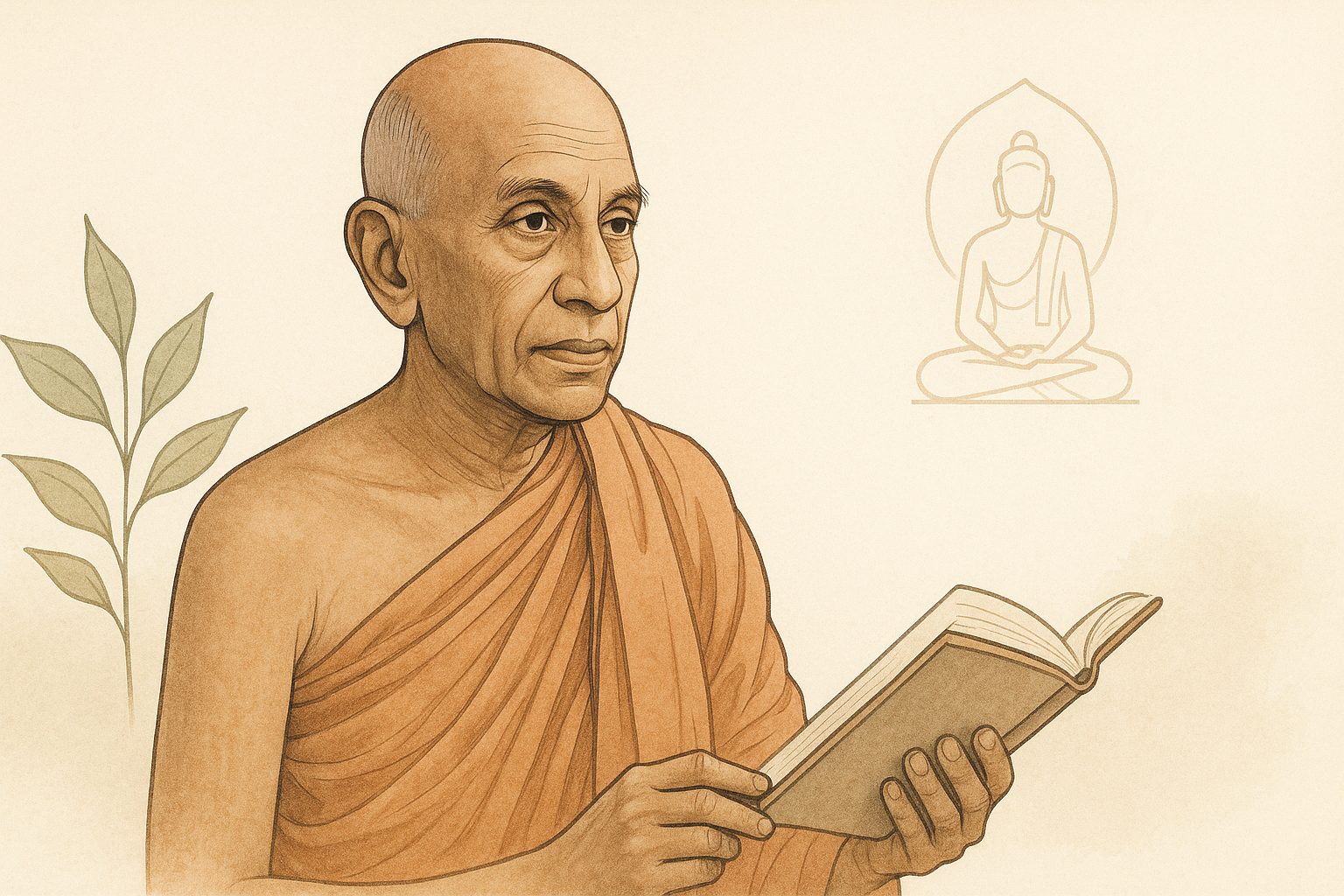
Walpola Rahula was a Sri Lankan Buddhist monk, scholar, and writer who played a significant role in shaping modern Theravada Buddhism. Born on May 19, 1907, in Sri Lanka, Rahula was ordained as a monk at the age of 12 and went on to study at the University of Ceylon and the Sorbonne in Paris. His book, 'What the Buddha Taught', published in 1959, is considered a classic introduction to Buddhist philosophy and has been widely acclaimed for its clarity and insight. Rahula's work was not without controversy, however, as he challenged traditional Buddhist practices and advocated for a more rational and humanistic approach to the faith. With a Vibe score of 82, Rahula's influence extends beyond the Buddhist community, with his ideas resonating with scholars and spiritual seekers around the world. As a key figure in the development of modern Buddhism, Rahula's legacy continues to inspire debate and discussion among scholars and practitioners today.
🏯 Introduction to Walpola Rahula
Walpola Rahula was a renowned Buddhist scholar and reformer from Sri Lanka. Born on May 19, 1907, he is best known for his efforts to modernize and simplify Buddhist teachings, making them more accessible to a wider audience. Through his writings and teachings, Rahula aimed to promote a more rational and compassionate understanding of Buddhism, as seen in his book What is Buddhism. His work has been widely influential, shaping the development of modern Buddhism and inspiring a new generation of Buddhist scholars and practitioners. Rahula's contributions to Buddhist studies have been recognized internationally, with his work being translated into numerous languages. He is also known for his involvement in the Buddhist movement and his efforts to promote interfaith dialogue and cooperation.
📚 Early Life and Education
Rahula's early life and education played a significant role in shaping his future as a Buddhist scholar and reformer. He was born in Sri Lanka and received his early education at the University of Ceylon. Rahula later traveled to India, where he studied at the University of Calcutta and developed a deep understanding of Buddhist philosophy and history. His experiences in India had a profound impact on his thinking, and he began to develop his own unique approach to Buddhist studies. Rahula's education and travels also influenced his views on Theravada Buddhism and its relationship to other Buddhist traditions. He was particularly interested in the works of Nagarjuna and the Madhyamaka school of thought.
🕉️ Buddhist Scholar and Reformer
As a Buddhist scholar and reformer, Rahula was committed to promoting a more modern and inclusive understanding of Buddhism. He believed that Buddhist teachings should be made accessible to people of all backgrounds and cultures, and he worked tirelessly to simplify and clarify complex Buddhist concepts. Rahula's approach to Buddhist studies was deeply influenced by his understanding of Mahayana Buddhism and its emphasis on compassion and wisdom. He was also critical of traditional Buddhist institutions and practices, which he saw as being overly rigid and dogmatic. Rahula's critiques of traditional Buddhism were influenced by his studies of Zen Buddhism and its emphasis on direct experience and personal realization.
📖 Literary Contributions
Rahula's literary contributions to Buddhist studies are numerous and significant. His book The Heritage of the Bhikkhu is a classic of modern Buddhist literature, and it has been widely praised for its insightful and compassionate exploration of Buddhist monasticism. Rahula's writings on Buddhist philosophy and history have also been highly influential, and his work has been translated into many languages. He was particularly interested in the relationship between Buddhist philosophy and Western philosophy, and he wrote extensively on this topic. Rahula's literary style was characterized by its clarity, simplicity, and depth, making his writings accessible to a broad audience, including those interested in comparative religion.
🌎 International Recognition
Rahula's work has received international recognition, and he is widely regarded as one of the most important Buddhist scholars and reformers of the 20th century. His contributions to Buddhist studies have been acknowledged by scholars and practitioners around the world, and his writings have been translated into numerous languages. Rahula's influence extends beyond the Buddhist community, and his work has been studied and appreciated by scholars of comparative religion and philosophy. He was also involved in the ecumenical movement and worked to promote greater understanding and cooperation between different religious traditions. Rahula's legacy continues to inspire new generations of Buddhist scholars and practitioners, and his work remains a vital part of the ongoing Buddhist revival.
👥 Influence on Modern Buddhism
Rahula's influence on modern Buddhism has been profound and far-reaching. His emphasis on simplicity, compassion, and personal realization has inspired a new generation of Buddhist practitioners and scholars. Rahula's critiques of traditional Buddhist institutions and practices have also had a significant impact, leading to a re-evaluation of Buddhist values and priorities. His work has been particularly influential in the development of Western Buddhism, where his emphasis on rationality and individual experience has resonated with many practitioners. Rahula's influence can also be seen in the work of other prominent Buddhist scholars and practitioners, such as Thich Nhat Hanh and Dalai Lama.
🤝 Interfaith Dialogue and Cooperation
Rahula was a strong advocate for interfaith dialogue and cooperation, and he worked tirelessly to promote greater understanding and respect between different religious traditions. He believed that Buddhist teachings could be a powerful force for good in the world, and he sought to share these teachings with people of all backgrounds and cultures. Rahula's efforts to promote interfaith dialogue and cooperation were influenced by his studies of Sufism and its emphasis on love and compassion. He was also interested in the relationship between Buddhism and science, and he wrote extensively on this topic. Rahula's work in this area has been widely praised, and he is remembered as a pioneer in the field of interfaith dialogue and cooperation, working closely with scholars of comparative theology.
📝 Critique of Traditional Buddhism
Rahula's critique of traditional Buddhism was a significant aspect of his work, and he was not afraid to challenge established institutions and practices. He believed that Buddhist teachings should be made accessible to people of all backgrounds and cultures, and he sought to simplify and clarify complex Buddhist concepts. Rahula's critiques of traditional Buddhism were influenced by his studies of Tantric Buddhism and its emphasis on ritual and practice. He was also critical of the caste system and its impact on Buddhist society, and he worked to promote greater social justice and equality. Rahula's critiques of traditional Buddhism have been widely debated, and his work continues to inspire new generations of Buddhist scholars and practitioners to think critically about their tradition.
🌈 Legacy and Impact
Rahula's legacy and impact continue to be felt today, and his work remains a vital part of the ongoing Buddhist revival. His emphasis on simplicity, compassion, and personal realization has inspired a new generation of Buddhist practitioners and scholars, and his critiques of traditional Buddhist institutions and practices have led to a re-evaluation of Buddhist values and priorities. Rahula's influence can be seen in the work of other prominent Buddhist scholars and practitioners, and his writings continue to be widely read and studied. He is remembered as a pioneering figure in the development of modern Buddhism, and his work continues to inspire new generations of Buddhist scholars and practitioners, including those interested in Engaged Buddhism.
📚 Contemporary Relevance
Rahula's work remains highly relevant in the contemporary world, and his emphasis on simplicity, compassion, and personal realization continues to resonate with people of all backgrounds and cultures. His critiques of traditional Buddhist institutions and practices have also had a lasting impact, leading to a re-evaluation of Buddhist values and priorities. Rahula's work has been particularly influential in the development of mindfulness and meditation practices, and his writings on these topics continue to be widely read and studied. He is also remembered for his contributions to the Buddhist ecology movement, which seeks to promote greater environmental awareness and sustainability. Rahula's legacy continues to inspire new generations of Buddhist scholars and practitioners, and his work remains a vital part of the ongoing Buddhist revival, with many scholars exploring the relationship between Buddhism and psychotherapy.
👀 Future Directions
As we look to the future, it is clear that Rahula's work will continue to play a significant role in shaping the development of modern Buddhism. His emphasis on simplicity, compassion, and personal realization will remain a powerful force for good in the world, and his critiques of traditional Buddhist institutions and practices will continue to inspire new generations of Buddhist scholars and practitioners. Rahula's legacy is a testament to the power of Buddhist teachings to transform and uplift human lives, and his work will continue to inspire and guide us as we navigate the challenges of the 21st century, including the digital age and its impact on Buddhist practice.
Key Facts
- Year
- 1907
- Origin
- Sri Lanka
- Category
- Religion and Philosophy
- Type
- Person
Frequently Asked Questions
What was Walpola Rahula's most significant contribution to Buddhist studies?
Rahula's most significant contribution to Buddhist studies was his effort to modernize and simplify Buddhist teachings, making them more accessible to a wider audience. His book What is Buddhism is a classic of modern Buddhist literature, and it has been widely praised for its insightful and compassionate exploration of Buddhist philosophy and history. Rahula's work has been particularly influential in the development of Western Buddhism, where his emphasis on rationality and individual experience has resonated with many practitioners. He is also known for his involvement in the ecumenical movement and his efforts to promote interfaith dialogue and cooperation.
What was Rahula's view on traditional Buddhist institutions and practices?
Rahula was critical of traditional Buddhist institutions and practices, which he saw as being overly rigid and dogmatic. He believed that Buddhist teachings should be made accessible to people of all backgrounds and cultures, and he sought to simplify and clarify complex Buddhist concepts. Rahula's critiques of traditional Buddhism were influenced by his studies of Tantric Buddhism and its emphasis on ritual and practice. He was also critical of the caste system and its impact on Buddhist society, and he worked to promote greater social justice and equality. Rahula's critiques of traditional Buddhism have been widely debated, and his work continues to inspire new generations of Buddhist scholars and practitioners to think critically about their tradition.
What is Rahula's legacy and impact on modern Buddhism?
Rahula's legacy and impact on modern Buddhism have been profound and far-reaching. His emphasis on simplicity, compassion, and personal realization has inspired a new generation of Buddhist practitioners and scholars, and his critiques of traditional Buddhist institutions and practices have led to a re-evaluation of Buddhist values and priorities. Rahula's work has been particularly influential in the development of mindfulness and meditation practices, and his writings on these topics continue to be widely read and studied. He is also remembered for his contributions to the Buddhist ecology movement, which seeks to promote greater environmental awareness and sustainability. Rahula's legacy continues to inspire new generations of Buddhist scholars and practitioners, and his work remains a vital part of the ongoing Buddhist revival.
How did Rahula's work influence the development of Western Buddhism?
Rahula's work had a significant influence on the development of Western Buddhism, where his emphasis on rationality and individual experience resonated with many practitioners. His book What is Buddhism was widely read and studied in the West, and it helped to introduce Buddhist teachings to a new audience. Rahula's critiques of traditional Buddhist institutions and practices also had an impact on Western Buddhism, leading to a re-evaluation of Buddhist values and priorities. His work has been particularly influential in the development of secular Buddhism, which seeks to promote a more rational and compassionate understanding of Buddhist teachings. Rahula's legacy continues to inspire new generations of Buddhist scholars and practitioners in the West, and his work remains a vital part of the ongoing Buddhist revival.
What is the significance of Rahula's work in the context of interfaith dialogue and cooperation?
Rahula's work is significant in the context of interfaith dialogue and cooperation because it highlights the importance of promoting greater understanding and respect between different religious traditions. His emphasis on simplicity, compassion, and personal realization has inspired a new generation of Buddhist practitioners and scholars to engage in interfaith dialogue and cooperation. Rahula's work has been particularly influential in the development of Buddhist-Christian dialogue, where his emphasis on rationality and individual experience has resonated with many practitioners. His legacy continues to inspire new generations of Buddhist scholars and practitioners to work towards greater understanding and cooperation between different religious traditions, including those interested in comparative theology.