
Contents
- 🏢 Introduction to Warehouse Management
- 📈 The Role of Warehouse Management Systems
- 📊 Key Features of a WMS
- 📦 Inventory Management
- 🚚 Order Fulfillment and Shipping
- 📈 Optimizing Warehouse Operations
- 🤖 Automation and Technology in Warehouses
- 📊 Metrics for Measuring Warehouse Efficiency
- 📈 Best Practices for Implementing a WMS
- 📊 Common Challenges in Warehouse Management
- 📈 Future of Warehouse Management
- Frequently Asked Questions
- Related Topics
Overview
Warehouse management has come a long way since its inception, with the first warehouses dating back to ancient civilizations such as the Egyptians and Greeks around 2000 BC. Today, it's a $1.4 trillion industry, with companies like Amazon and DHL investing heavily in automation and artificial intelligence to streamline their operations. According to a report by McKinsey, AI-powered warehouse management can increase efficiency by up to 25% and reduce costs by 10-15%. However, the rise of e-commerce and same-day delivery has also created new challenges, such as increased demand for faster and more flexible shipping options. As the industry continues to evolve, companies like Warehouse Management Systems (WMS) provider Manhattan Associates and logistics giant DB Schenker are at the forefront of innovation, with a focus on sustainability, robotics, and data-driven decision making. With the global warehouse management market expected to reach $6.5 billion by 2025, the future of logistics is being shaped by the likes of Jeff Bezos and Elon Musk, who are redefining the concept of warehouse management and its role in the supply chain.
🏢 Introduction to Warehouse Management
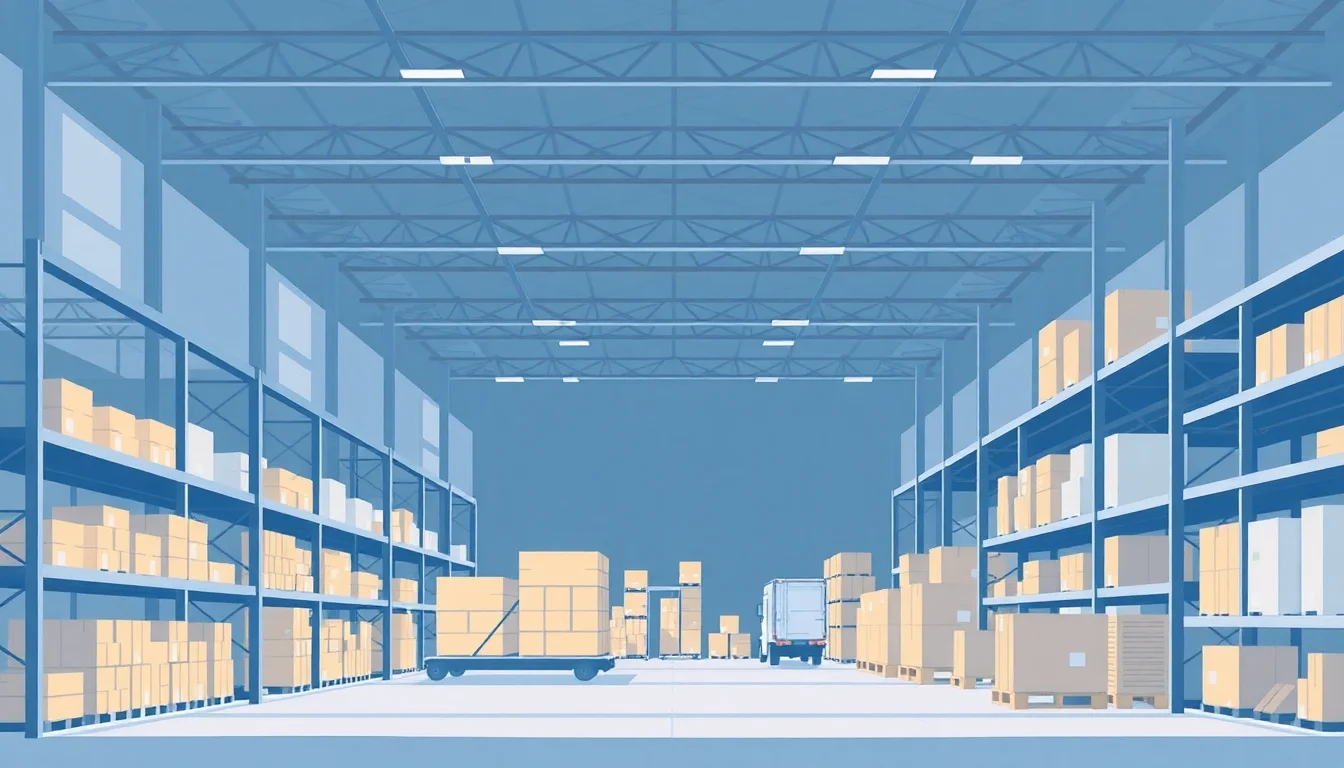
Warehouse management is a critical component of the supply chain, responsible for ensuring that goods are stored, handled, and shipped efficiently. A well-run warehouse can make all the difference in getting products to customers on time and in good condition. As discussed in Warehouse Management System, a warehouse management system (WMS) is a set of policies and processes intended to organise the work of a warehouse or distribution centre. Effective warehouse management requires a combination of Supply Chain Management strategies, Inventory Management techniques, and Logistics and Transportation expertise.
📈 The Role of Warehouse Management Systems
A warehouse management system (WMS) is a software solution that helps to manage and control the day-to-day operations of a warehouse. As outlined in Warehouse Management Software, the core function of a WMS is to record the arrival and departure of inventory, and to provide features such as Inventory Tracking and Warehouse Optimization. By implementing a WMS, businesses can improve their Supply Chain Visibility, reduce costs, and increase efficiency. For example, companies like Amazon and DHL have successfully implemented WMS solutions to streamline their operations.
📊 Key Features of a WMS
A WMS typically offers a range of features, including Inventory Management, Order Management, and Shipping and Receiving. As discussed in Warehouse Management Best Practices, these features can help businesses to optimise their warehouse operations, reduce errors, and improve customer satisfaction. For instance, a WMS can help to identify the most efficient Warehouse Layout and Inventory Storage strategies, and to streamline Order Fulfillment and Shipping and Receiving processes.
📦 Inventory Management
Inventory management is a critical component of warehouse management, as it involves tracking and managing the stock levels of goods within the warehouse. As outlined in Inventory Management Software, a WMS can help businesses to optimise their inventory management processes, by providing features such as Inventory Tracking and Automated Inventory Management. By implementing an effective inventory management strategy, businesses can reduce Inventory Obsolescence, minimize Stockouts, and improve their overall Supply Chain Efficiency. For example, companies like Walmart and Costco have implemented inventory management strategies that have improved their supply chain efficiency.
🚚 Order Fulfillment and Shipping
Order fulfillment and shipping are also critical components of warehouse management, as they involve processing and shipping customer orders in a timely and efficient manner. As discussed in Order Fulfillment Strategies, a WMS can help businesses to streamline their order fulfillment and shipping processes, by providing features such as Order Management and Shipping Integration. By implementing an effective order fulfillment and shipping strategy, businesses can improve their Customer Satisfaction, reduce Shipping Errors, and increase their Supply Chain Agility. For instance, companies like FedEx and UPS have implemented order fulfillment and shipping strategies that have improved their customer satisfaction.
📈 Optimizing Warehouse Operations
Optimising warehouse operations is critical to improving efficiency and reducing costs. As outlined in Warehouse Optimization Techniques, businesses can use a range of strategies to optimise their warehouse operations, including Warehouse Layout and Inventory Storage strategies. By implementing an effective warehouse optimisation strategy, businesses can improve their Supply Chain Efficiency, reduce Labour Costs, and increase their Warehouse Productivity. For example, companies like Cisco and IBM have implemented warehouse optimisation strategies that have improved their supply chain efficiency.
🤖 Automation and Technology in Warehouses
Automation and technology are playing an increasingly important role in warehouse management, as businesses seek to improve efficiency and reduce costs. As discussed in Warehouse Automation, technologies such as Robotics and Artificial Intelligence are being used to automate tasks such as Inventory Tracking and Order Fulfillment. By implementing automation and technology solutions, businesses can improve their Supply Chain Visibility, reduce Labour Costs, and increase their Warehouse Productivity. For instance, companies like Amazon Robotics and DHL Supply Chain have implemented automation and technology solutions that have improved their warehouse productivity.
📊 Metrics for Measuring Warehouse Efficiency
Metrics for measuring warehouse efficiency are critical to evaluating the performance of a warehouse. As outlined in Warehouse Metrics, businesses can use a range of metrics, including Inventory Turnover and Order Fulfillment Rates, to evaluate their warehouse operations. By tracking and analysing these metrics, businesses can identify areas for improvement and implement strategies to optimise their warehouse operations. For example, companies like Walmart Supply Chain and Costco Warehouse have implemented metrics that have improved their warehouse efficiency.
📈 Best Practices for Implementing a WMS
Best practices for implementing a WMS involve a range of strategies, including Change Management and Training and Development. As discussed in WMS Implementation, businesses should also ensure that their WMS is integrated with other Supply Chain Management systems, such as Transportation Management and Inventory Management. By implementing a WMS in a way that is aligned with business objectives and Supply Chain Strategy, businesses can improve their Supply Chain Efficiency and reduce costs. For instance, companies like DHL Logistics and FedEx Supply Chain have implemented WMS solutions that have improved their supply chain efficiency.
📊 Common Challenges in Warehouse Management
Common challenges in warehouse management include Inventory Inaccuracy and Labour Shortages. As outlined in Warehouse Challenges, businesses can address these challenges by implementing strategies such as Inventory Optimisation and Labour Management. By addressing these challenges, businesses can improve their Supply Chain Visibility, reduce costs, and increase their Warehouse Productivity. For example, companies like Amazon Warehouse and Cisco Supply Chain have implemented strategies that have addressed these challenges.
📈 Future of Warehouse Management
The future of warehouse management is likely to involve increased use of automation and technology, as well as a greater focus on Sustainability and Social Responsibility. As discussed in Future of Warehouse Management, businesses will need to adapt to changing consumer demands and Supply Chain Trends, while also ensuring that their warehouse operations are efficient, effective, and sustainable. By implementing strategies such as Green Warehouse and Socially Responsible Warehouse, businesses can improve their Supply Chain Reputation and reduce their Environmental Impact. For instance, companies like IBM Supply Chain and Walmart Sustainability have implemented strategies that have improved their supply chain reputation.
Key Facts
- Year
- 2022
- Origin
- Ancient civilizations, with modern developments in the 20th century
- Category
- Operations and Logistics
- Type
- Concept
Frequently Asked Questions
What is warehouse management?
Warehouse management is the process of managing and controlling the day-to-day operations of a warehouse, including inventory management, order fulfillment, and shipping. It involves a range of activities, including Inventory Tracking, Order Management, and Shipping and Receiving. Effective warehouse management requires a combination of Supply Chain Management strategies, Inventory Management techniques, and Logistics and Transportation expertise.
What is a warehouse management system?
A warehouse management system (WMS) is a software solution that helps to manage and control the day-to-day operations of a warehouse. It provides features such as Inventory Tracking, Order Management, and Shipping and Receiving, and can help businesses to improve their Supply Chain Visibility, reduce costs, and increase efficiency. For example, companies like Amazon and DHL have successfully implemented WMS solutions to streamline their operations.
What are the benefits of implementing a WMS?
The benefits of implementing a WMS include improved Supply Chain Efficiency, reduced costs, and increased efficiency. A WMS can help businesses to optimise their warehouse operations, reduce errors, and improve customer satisfaction. For instance, companies like Walmart and Costco have implemented WMS solutions that have improved their supply chain efficiency and reduced costs.
What are some common challenges in warehouse management?
Common challenges in warehouse management include Inventory Inaccuracy and Labour Shortages. Businesses can address these challenges by implementing strategies such as Inventory Optimisation and Labour Management. By addressing these challenges, businesses can improve their Supply Chain Visibility, reduce costs, and increase their Warehouse Productivity. For example, companies like Amazon Warehouse and Cisco Supply Chain have implemented strategies that have addressed these challenges.
What is the future of warehouse management?
The future of warehouse management is likely to involve increased use of automation and technology, as well as a greater focus on Sustainability and Social Responsibility. Businesses will need to adapt to changing consumer demands and Supply Chain Trends, while also ensuring that their warehouse operations are efficient, effective, and sustainable. By implementing strategies such as Green Warehouse and Socially Responsible Warehouse, businesses can improve their Supply Chain Reputation and reduce their Environmental Impact. For instance, companies like IBM Supply Chain and Walmart Sustainability have implemented strategies that have improved their supply chain reputation.
How can businesses improve their warehouse efficiency?
Businesses can improve their warehouse efficiency by implementing strategies such as Warehouse Optimization, Inventory Optimisation, and Labour Management. They can also use metrics such as Inventory Turnover and Order Fulfillment Rates to evaluate their warehouse operations and identify areas for improvement. For example, companies like DHL Logistics and FedEx Supply Chain have implemented strategies that have improved their warehouse efficiency.
What is the role of automation and technology in warehouse management?
Automation and technology are playing an increasingly important role in warehouse management, as businesses seek to improve efficiency and reduce costs. Technologies such as Robotics and Artificial Intelligence are being used to automate tasks such as Inventory Tracking and Order Fulfillment. By implementing automation and technology solutions, businesses can improve their Supply Chain Visibility, reduce Labour Costs, and increase their Warehouse Productivity. For instance, companies like Amazon Robotics and DHL Supply Chain have implemented automation and technology solutions that have improved their warehouse productivity.