
Contents
- 📱 Introduction to Windows Phone
- 🔥 The Rise of Windows Phone
- 📈 Market Performance and Consumer Reception
- 📊 Technical Specifications and Features
- 📱 Comparison with Android and iOS
- 🤝 Partnerships and Hardware Manufacturers
- 📉 The Decline of Windows Phone
- 📊 Reasons Behind the Decline
- 📈 Attempts to Revive the Platform
- 📱 Legacy of Windows Phone
- 🔮 Future of Mobile Operating Systems
- Frequently Asked Questions
- Related Topics
Overview
Windows Phone, launched in 2010 by Microsoft, was a bold attempt to challenge the dominance of iOS and Android in the smartphone market. With a unique tile-based interface and integration with other Microsoft services, Windows Phone gained a loyal following, particularly among business users and fans of the Metro design language. However, despite positive reviews and significant investments, the platform struggled to gain traction, with a limited app ecosystem and lackluster sales. The final nail in the coffin came in 2015, when Microsoft announced a major restructuring of its mobile division, effectively ending its efforts to compete in the smartphone market. Today, Windows Phone is largely a relic of the past, a reminder of the challenges of competing with established players in the tech industry. With a vibe score of 6, Windows Phone's legacy continues to be debated among tech enthusiasts, with some praising its innovative design and others criticizing its lack of execution. The controversy surrounding Windows Phone's demise serves as a cautionary tale for companies looking to disrupt established markets.
📱 Introduction to Windows Phone
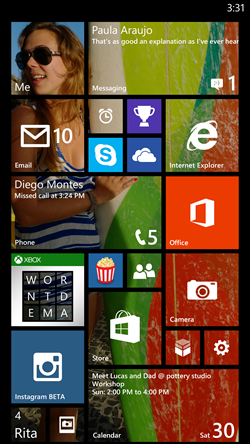
The story of Windows Phone is one of innovation and disappointment. Windows Phone was first introduced in 2010 as a replacement for Windows Mobile and Zune. With its unique Metro design language interface, Windows Phone was aimed at the consumer market, a departure from the enterprise-focused approach of its predecessor. The operating system was designed to be user-friendly and intuitive, with a focus on Microsoft Office and Microsoft Outlook integration. As the mobile market continued to evolve, Windows Phone faced increasing competition from Android and iOS. Despite its initial promise, Windows Phone ultimately failed to gain significant market share.
🔥 The Rise of Windows Phone
The launch of Windows Phone in 2010 was met with excitement and anticipation. The new operating system promised a fresh start for Microsoft in the mobile market, with a focus on consumer-friendly features and a sleek, modern design. Nokia, a leading smartphone manufacturer at the time, partnered with Microsoft to produce Windows Phone devices, including the popular Nokia Lumia series. The partnership between Microsoft and Nokia was seen as a strategic move to challenge the dominance of Apple and Google in the mobile market. As Windows Phone gained traction, it attracted a loyal user base, with many praising its unique interface and seamless integration with other Microsoft services, such as Microsoft OneDrive and Microsoft Skype.
📈 Market Performance and Consumer Reception
Despite its initial success, Windows Phone struggled to maintain its market share in the face of intense competition from Android and iOS. According to IDC reports, Windows Phone's market share peaked at around 3.4% in 2013, before declining to less than 1% by 2017. The lack of popular apps, such as Instagram and Snapchat, was a major drawback for many consumers. Additionally, the limited availability of Windows Phone devices, particularly in comparison to the wide range of Android devices, made it difficult for the platform to gain widespread adoption. As the market continued to shift towards Android and iOS, Windows Phone's consumer reception became increasingly negative, with many critics citing its lack of innovation and limited app ecosystem.
📊 Technical Specifications and Features
From a technical standpoint, Windows Phone was a significant improvement over its predecessor, Windows Mobile. The operating system featured a new kernel, improved security features, and enhanced performance capabilities. Windows Phone also introduced a range of innovative features, including Live Tiles and People Hub, which allowed users to customize their home screen and stay connected with friends and family. The platform also supported a range of hardware configurations, including Qualcomm and NVIDIA processors, as well as various display sizes and resolutions. However, the lack of customization options and limited control over device hardware were seen as major drawbacks by some power users, who preferred the flexibility of Android devices.
📱 Comparison with Android and iOS
The comparison between Windows Phone and its competitors, Android and iOS, is a fascinating one. While Windows Phone offered a unique and innovative interface, it ultimately failed to match the app ecosystems and hardware diversity of its rivals. Samsung, a leading Android manufacturer, offered a wide range of devices, from budget-friendly options to high-end flagships, while Apple continued to dominate the premium market with its iPhone series. In contrast, Windows Phone devices were largely limited to mid-range and high-end options, with few budget-friendly alternatives available. As the market continued to evolve, Windows Phone's lack of competitiveness became increasingly apparent, with many consumers opting for the more established and widely supported platforms.
🤝 Partnerships and Hardware Manufacturers
Microsoft's partnerships with hardware manufacturers, such as Nokia and HTC, were a key aspect of the Windows Phone strategy. These partnerships allowed Microsoft to produce a range of devices, from budget-friendly options to high-end flagships, and helped to establish Windows Phone as a viable alternative to Android and iOS. However, the partnerships ultimately failed to yield significant market share, and Microsoft's decision to acquire Nokia's devices division in 2014 was widely seen as a mistake. The acquisition led to significant write-downs and layoffs, and ultimately failed to reverse the decline of Windows Phone. As the platform continued to struggle, Microsoft's partnerships with hardware manufacturers began to fray, with many manufacturers opting to focus on Android devices instead.
📉 The Decline of Windows Phone
The decline of Windows Phone was a gradual process, with the platform's market share declining steadily over several years. Despite efforts to revive the platform, including the launch of Windows Phone 8 and Windows 10 Mobile, Windows Phone ultimately failed to gain significant traction. The lack of popular apps, limited hardware availability, and intense competition from Android and iOS all contributed to the platform's decline. As the market continued to shift towards Android and iOS, Windows Phone's user base dwindled, and the platform became increasingly irrelevant. In 2017, Microsoft officially announced the end of support for Windows Phone, marking the end of an era for the once-promising platform.
📊 Reasons Behind the Decline
So, what were the reasons behind the decline of Windows Phone? According to many analysts, the platform's lack of competitiveness was a major factor, with Windows Phone devices often being more expensive than their Android counterparts. The limited availability of popular apps, such as Facebook and Twitter, was also a significant drawback, as was the lack of innovation and limited customization options. Additionally, Microsoft's decision to focus on the enterprise market, rather than the consumer market, was seen as a mistake, as it limited the platform's appeal to a wider audience. As the market continued to evolve, Windows Phone's failure to adapt and innovate ultimately led to its demise.
📈 Attempts to Revive the Platform
In an effort to revive the platform, Microsoft launched several initiatives, including the Windows Phone 8 and Windows 10 Mobile updates. These updates introduced new features, such as Cortana and Continuum, and improved performance and security. However, the updates ultimately failed to reverse the decline of Windows Phone, and the platform continued to struggle. Microsoft also attempted to attract developers to the platform, with initiatives such as the Windows Phone Developer Portal and the Microsoft Garage program. However, these efforts were ultimately unsuccessful, and the platform's app ecosystem remained limited compared to Android and iOS.
📱 Legacy of Windows Phone
Despite its decline, Windows Phone has left a lasting legacy in the mobile market. The platform's innovative interface and features, such as Live Tiles and People Hub, have influenced the development of subsequent mobile operating systems. Additionally, Windows Phone's focus on consumer-friendly features and seamless integration with other Microsoft services has raised the bar for mobile operating systems. As the mobile market continues to evolve, it will be interesting to see how Windows Phone's legacy continues to shape the industry. With the rise of new platforms, such as KaiOS and Tizen, the future of mobile operating systems is more uncertain than ever.
🔮 Future of Mobile Operating Systems
As we look to the future of mobile operating systems, it is clear that the market will continue to be dominated by Android and iOS. However, there are opportunities for new platforms to emerge and challenge the status quo. With the rise of 5G and IoT, the mobile market is poised for significant growth and innovation. As developers and manufacturers continue to push the boundaries of what is possible, it will be exciting to see how the mobile landscape evolves. Will we see the emergence of new platforms, such as HarmonyOS and Fuchsia, or will Android and iOS continue to dominate the market? Only time will tell.
Key Facts
- Year
- 2010
- Origin
- Redmond, Washington, USA
- Category
- Technology
- Type
- Mobile Operating System
Frequently Asked Questions
What was Windows Phone?
Windows Phone was a mobile operating system developed by Microsoft, designed to replace Windows Mobile and Zune. It featured a unique interface and was aimed at the consumer market. Windows Phone was launched in 2010 and was discontinued in 2017. The platform's failure was due to a combination of factors, including limited app availability, high device prices, and intense competition from Android and iOS. Despite its decline, Windows Phone has left a lasting legacy in the mobile market, with its innovative interface and features influencing the development of subsequent mobile operating systems.
Why did Windows Phone fail?
Windows Phone failed due to a combination of factors, including limited app availability, high device prices, and intense competition from Android and iOS. The platform's lack of innovation and limited customization options also contributed to its decline. Additionally, Microsoft's decision to focus on the enterprise market, rather than the consumer market, limited the platform's appeal to a wider audience. As the market continued to evolve, Windows Phone's failure to adapt and innovate ultimately led to its demise. The platform's decline was also hastened by the rise of new platforms, such as KaiOS and Tizen.
What were some of the key features of Windows Phone?
Some of the key features of Windows Phone included its unique interface, Live Tiles, and People Hub. The platform also featured seamless integration with other Microsoft services, such as Microsoft Office and Microsoft Outlook. Windows Phone devices were also known for their high-quality cameras and sleek designs. The platform's focus on consumer-friendly features and seamless integration with other Microsoft services raised the bar for mobile operating systems. As the mobile market continues to evolve, it will be interesting to see how Windows Phone's legacy continues to shape the industry.
What is the legacy of Windows Phone?
The legacy of Windows Phone is significant, with the platform's innovative interface and features influencing the development of subsequent mobile operating systems. Windows Phone's focus on consumer-friendly features and seamless integration with other Microsoft services raised the bar for mobile operating systems. The platform's decline also led to significant changes in the mobile market, with the rise of new platforms and the decline of traditional manufacturers. As the mobile market continues to evolve, it will be interesting to see how Windows Phone's legacy continues to shape the industry. The platform's influence can be seen in the development of new platforms, such as HarmonyOS and Fuchsia.
What does the future hold for mobile operating systems?
The future of mobile operating systems is uncertain, with the market poised for significant growth and innovation. The rise of 5G and IoT will drive new use cases and applications, and the emergence of new platforms, such as HarmonyOS and Fuchsia, will challenge the dominance of Android and iOS. As developers and manufacturers continue to push the boundaries of what is possible, it will be exciting to see how the mobile landscape evolves. The future of mobile operating systems will be shaped by a combination of factors, including technological advancements, changing consumer behaviors, and shifting market trends. One thing is certain, however: the mobile market will continue to be a key driver of innovation and growth in the tech industry.
What are some of the key trends in the mobile market?
Some of the key trends in the mobile market include the rise of 5G and IoT, the emergence of new platforms, such as HarmonyOS and Fuchsia, and the increasing importance of artificial intelligence and machine learning. The mobile market is also seeing a shift towards more affordable and accessible devices, with the rise of budget-friendly options from manufacturers such as Xiaomi and Huawei. As the market continues to evolve, it will be interesting to see how these trends shape the future of mobile operating systems. The impact of these trends will be felt across the industry, from device manufacturers to app developers and consumers.
How will the mobile market evolve in the next 5 years?
The mobile market will continue to evolve significantly over the next 5 years, driven by technological advancements, changing consumer behaviors, and shifting market trends. The rise of 5G and IoT will drive new use cases and applications, and the emergence of new platforms, such as HarmonyOS and Fuchsia, will challenge the dominance of Android and iOS. As developers and manufacturers continue to push the boundaries of what is possible, it will be exciting to see how the mobile landscape evolves. The next 5 years will be a critical period for the mobile market, with significant opportunities for growth and innovation. The impact of these changes will be felt across the industry, from device manufacturers to app developers and consumers.