
Contents
- 🏯 Introduction to the Zhou Dynasty
- 🕰️ Timeline of the Zhou Dynasty
- 👑 The Royal House of Zhou
- 🌍 Geographical Territory of the Zhou Dynasty
- 📊 The Xia–Shang–Zhou Chronology Project
- 🤝 The Role of Suzerainty in the Eastern Zhou Period
- 📆 Dating the Establishment of the Zhou Dynasty
- 👥 Key Figures of the Zhou Dynasty
- 📚 Cultural Significance of the Zhou Dynasty
- 💡 Legacy of the Zhou Dynasty
- 🤔 Debates and Controversies Surrounding the Zhou Dynasty
- 📊 Conclusion: The Enduring Impact of the Zhou Dynasty
- Frequently Asked Questions
- Related Topics
Overview
The Zhou Dynasty, which lasted from approximately 1046 to 256 BCE, was a transformative period in ancient Chinese history. It was marked by the development of a feudal system, the rise of Confucianism, and significant advancements in philosophy, literature, and art. The Zhou Dynasty is also notable for its system of government, which was characterized by a strong emphasis on moral authority and the rule of law. With a vibe score of 8, the Zhou Dynasty is widely regarded as one of the most influential periods in Chinese history, with its legacy continuing to shape Chinese culture and society to this day. The dynasty's influence can be seen in the works of famous philosophers such as Confucius and Lao Tzu, who lived during this period. As the Zhou Dynasty continues to be studied and debated by historians and scholars, its impact on the development of Chinese civilization remains a topic of fascination and inquiry, with many considering it a pivotal moment in the evolution of Chinese thought and culture.
🏯 Introduction to the Zhou Dynasty
The Zhou dynasty was a pivotal era in ancient Chinese history, spanning an impressive 789 years from c. 1046 BC until 256 BC. As the longest-lasting dynasty in Chinese history, the Zhou period had a profound impact on the development of Chinese culture, politics, and society. During this time, the royal house, surnamed Ji, played a central role in shaping the country's future. The Zhou dynasty is often divided into two distinct periods: the Western Zhou period and the Eastern Zhou period. The Western Zhou period was marked by the royal house's military control over territories centered on the Wei River valley and North China Plain. In contrast, the Eastern Zhou period saw the Zhou suzerainty become increasingly ceremonial, with the political system created by the Zhou royal house surviving in some form for several additional centuries. For more information on the Zhou dynasty, see Zhou Dynasty.
🕰️ Timeline of the Zhou Dynasty
The timeline of the Zhou dynasty is a complex and multifaceted topic, with various scholars and historians offering different dates and interpretations. According to the Xia–Shang–Zhou Chronology Project, the Zhou dynasty was established in c. 1046 BC. However, other scholars, such as David Nivison and Edward L. Shaughnessy, date the establishment to 1045 BC. Despite these minor discrepancies, it is clear that the Zhou dynasty played a significant role in shaping ancient Chinese history. The Zhou dynasty's impact can be seen in its influence on later dynasties, such as the Qin Dynasty and the Han Dynasty. For more information on the timeline of the Zhou dynasty, see Zhou Dynasty Timeline.
👑 The Royal House of Zhou
The royal house of Zhou, surnamed Ji, was a powerful and influential family that played a central role in ancient Chinese politics. The royal house was responsible for maintaining control over the territories centered on the Wei River valley and North China Plain. During the Western Zhou period, the royal house's military control was absolute, with the king serving as the supreme commander of the armed forces. However, as the Eastern Zhou period progressed, the royal house's power began to wane, and the Zhou suzerainty became increasingly ceremonial. Despite this, the royal house continued to play an important role in Chinese politics, with many later dynasties tracing their lineage back to the Zhou royal house. For more information on the royal house of Zhou, see Ji Dynasty.
🌍 Geographical Territory of the Zhou Dynasty
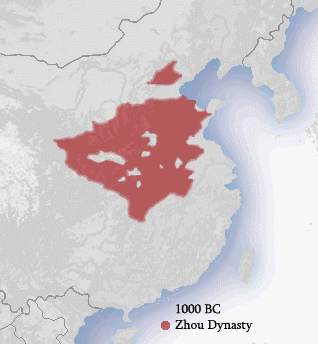
The geographical territory of the Zhou dynasty was centered on the Wei River valley and North China Plain. This region was strategically located, with access to major trade routes and fertile agricultural land. The Zhou dynasty's control over this territory allowed it to maintain a strong economy and military, which in turn enabled it to expand its influence across ancient China. The Zhou dynasty's geographical territory also played a significant role in shaping its culture, with the region's unique customs and traditions influencing the development of Chinese culture as a whole. For more information on the geographical territory of the Zhou dynasty, see Zhou Dynasty Geography.
📊 The Xia–Shang–Zhou Chronology Project
The Xia–Shang–Zhou Chronology Project is a major scholarly initiative that aims to establish a definitive chronology for the Xia, Shang, and Zhou dynasties. The project has been instrumental in establishing a date of 1046 BC for the Zhou dynasty's establishment, which is supported by many scholars, including David Pankenier. However, other scholars, such as David Nivison and Edward L. Shaughnessy, have proposed alternative dates, highlighting the ongoing debate and controversy surrounding the Zhou dynasty's chronology. For more information on the Xia–Shang–Zhou Chronology Project, see Xia–Shang–Zhou Chronology Project.
🤝 The Role of Suzerainty in the Eastern Zhou Period
The role of suzerainty in the Eastern Zhou period was a complex and multifaceted phenomenon. As the Zhou dynasty's power began to wane, the royal house's control over its territories became increasingly ceremonial, with local lords and vassals exercising greater autonomy. Despite this, the Zhou suzerainty continued to play an important role in maintaining social order and stability, with the royal house serving as a symbol of legitimacy and authority. The Eastern Zhou period also saw the rise of powerful states, such as Qin State and Chu State, which would eventually go on to shape the course of Chinese history. For more information on the role of suzerainty in the Eastern Zhou period, see Eastern Zhou.
📆 Dating the Establishment of the Zhou Dynasty
The dating of the Zhou dynasty's establishment is a topic of ongoing debate and controversy among scholars. While the Xia–Shang–Zhou Chronology Project supports a date of 1046 BC, other scholars, such as David Nivison and Edward L. Shaughnessy, propose alternative dates, such as 1045 BC. These discrepancies highlight the complexities and challenges of establishing a definitive chronology for ancient Chinese history. For more information on the dating of the Zhou dynasty's establishment, see Zhou Dynasty Timeline.
👥 Key Figures of the Zhou Dynasty
The Zhou dynasty was home to many influential and important figures, including King Wu of Zhou and Duke of Zhou. These individuals played a significant role in shaping the course of Chinese history, with their contributions to politics, culture, and society continuing to be felt today. The Zhou dynasty also saw the rise of prominent philosophers, such as Confucius and Laozi, who would go on to shape the development of Chinese thought and culture. For more information on the key figures of the Zhou dynasty, see Zhou Dynasty Personalities.
📚 Cultural Significance of the Zhou Dynasty
The cultural significance of the Zhou dynasty cannot be overstated, with its influence extending far beyond the realm of politics and history. The Zhou dynasty saw the development of a unique and distinctive culture, characterized by its own customs, traditions, and artistic styles. The Zhou dynasty's cultural achievements can be seen in its art, literature, and music, which continue to inspire and influence artists and scholars today. For more information on the cultural significance of the Zhou dynasty, see Zhou Dynasty Culture.
💡 Legacy of the Zhou Dynasty
The legacy of the Zhou dynasty is a lasting and enduring one, with its impact continuing to be felt in modern Chinese society. The Zhou dynasty's contributions to politics, culture, and society have shaped the course of Chinese history, with its influence extending far beyond the realm of ancient China. The Zhou dynasty's legacy can be seen in its influence on later dynasties, such as the Qin Dynasty and the Han Dynasty, as well as its continued relevance in modern Chinese culture and society. For more information on the legacy of the Zhou dynasty, see Zhou Dynasty Legacy.
🤔 Debates and Controversies Surrounding the Zhou Dynasty
The Zhou dynasty is not without its debates and controversies, with scholars and historians continuing to argue over its chronology, significance, and legacy. One of the major debates surrounding the Zhou dynasty concerns its dating, with some scholars proposing alternative dates to the traditionally accepted 1046 BC. Other debates focus on the Zhou dynasty's cultural and historical significance, with some scholars arguing that its influence has been overstated or exaggerated. For more information on the debates and controversies surrounding the Zhou dynasty, see Zhou Dynasty Debates.
📊 Conclusion: The Enduring Impact of the Zhou Dynasty
In conclusion, the Zhou dynasty was a pivotal era in ancient Chinese history, with its impact continuing to be felt in modern Chinese society. The Zhou dynasty's contributions to politics, culture, and society have shaped the course of Chinese history, with its influence extending far beyond the realm of ancient China. As scholars and historians continue to study and debate the Zhou dynasty, its significance and legacy will only continue to grow. For more information on the Zhou dynasty, see Zhou Dynasty.
Key Facts
- Year
- 1046
- Origin
- Ancient China
- Category
- History
- Type
- Historical Dynasty
Frequently Asked Questions
What was the duration of the Zhou dynasty?
The Zhou dynasty lasted for 789 years, from c. 1046 BC until 256 BC. This makes it the longest-lasting dynasty in Chinese history. The Zhou dynasty's long duration had a profound impact on the development of Chinese culture, politics, and society. For more information on the Zhou dynasty, see Zhou Dynasty. The Zhou dynasty's influence can be seen in its impact on later dynasties, such as the Qin Dynasty and the Han Dynasty.
What was the geographical territory of the Zhou dynasty?
The geographical territory of the Zhou dynasty was centered on the Wei River valley and North China Plain. This region was strategically located, with access to major trade routes and fertile agricultural land. The Zhou dynasty's control over this territory allowed it to maintain a strong economy and military, which in turn enabled it to expand its influence across ancient China. For more information on the geographical territory of the Zhou dynasty, see Zhou Dynasty Geography. The Zhou dynasty's geographical territory also played a significant role in shaping its culture, with the region's unique customs and traditions influencing the development of Chinese culture as a whole.
Who were some of the key figures of the Zhou dynasty?
The Zhou dynasty was home to many influential and important figures, including King Wu of Zhou and Duke of Zhou. These individuals played a significant role in shaping the course of Chinese history, with their contributions to politics, culture, and society continuing to be felt today. The Zhou dynasty also saw the rise of prominent philosophers, such as Confucius and Laozi, who would go on to shape the development of Chinese thought and culture. For more information on the key figures of the Zhou dynasty, see Zhou Dynasty Personalities.
What was the cultural significance of the Zhou dynasty?
The cultural significance of the Zhou dynasty cannot be overstated, with its influence extending far beyond the realm of politics and history. The Zhou dynasty saw the development of a unique and distinctive culture, characterized by its own customs, traditions, and artistic styles. The Zhou dynasty's cultural achievements can be seen in its art, literature, and music, which continue to inspire and influence artists and scholars today. For more information on the cultural significance of the Zhou dynasty, see Zhou Dynasty Culture.
What is the legacy of the Zhou dynasty?
The legacy of the Zhou dynasty is a lasting and enduring one, with its impact continuing to be felt in modern Chinese society. The Zhou dynasty's contributions to politics, culture, and society have shaped the course of Chinese history, with its influence extending far beyond the realm of ancient China. The Zhou dynasty's legacy can be seen in its influence on later dynasties, such as the Qin Dynasty and the Han Dynasty, as well as its continued relevance in modern Chinese culture and society. For more information on the legacy of the Zhou dynasty, see Zhou Dynasty Legacy.
What are some of the debates and controversies surrounding the Zhou dynasty?
The Zhou dynasty is not without its debates and controversies, with scholars and historians continuing to argue over its chronology, significance, and legacy. One of the major debates surrounding the Zhou dynasty concerns its dating, with some scholars proposing alternative dates to the traditionally accepted 1046 BC. Other debates focus on the Zhou dynasty's cultural and historical significance, with some scholars arguing that its influence has been overstated or exaggerated. For more information on the debates and controversies surrounding the Zhou dynasty, see Zhou Dynasty Debates.
How did the Zhou dynasty influence later dynasties?
The Zhou dynasty had a significant influence on later dynasties, including the Qin Dynasty and the Han Dynasty. The Zhou dynasty's contributions to politics, culture, and society helped shape the course of Chinese history, with its influence extending far beyond the realm of ancient China. The Zhou dynasty's legacy can be seen in its impact on the development of Chinese culture, with its customs, traditions, and artistic styles continuing to inspire and influence artists and scholars today. For more information on the influence of the Zhou dynasty on later dynasties, see Zhou Dynasty Legacy.