
Contents
- 🌳 Introduction to Citrus
- 🍋 History of Citrus Fruits
- 🌴 Citrus Tree Characteristics
- 🍊 Types of Citrus Fruits
- 🌿 Hybridization and Cultivars
- 🌸 Citrus Flowering and Pollination
- 🏞️ Citrus Farming and Production
- 📊 Economic Impact of Citrus
- 🌟 Cultural Significance of Citrus
- 🌎 Global Citrus Trade
- 🚨 Challenges Facing Citrus Industry
- 🌱 Future of Citrus: Trends and Innovations
- Frequently Asked Questions
- Related Topics
Overview
Citrus fruits, with a vibe rating of 8, have been a cornerstone of human cultivation for over 4,000 years, originating in Southeast Asia around 2000 BCE. The citrus industry is a $10 billion market, with the United States, Brazil, and China being top producers. However, the sector faces challenges such as citrus greening disease, which has led to a 70% decline in Florida's orange production since 2005. Despite these challenges, innovations in precision agriculture and genetic editing are poised to revolutionize citrus cultivation. As the global demand for citrus continues to grow, driven by increasing consumption of freshly squeezed juice and citrus-based products, the industry must balance production with sustainability and environmental concerns. With influential figures like Dr. Huang, a renowned citrus breeder, and companies like Coca-Cola, which uses over 1 million tons of citrus annually, the future of citrus is complex and multifaceted.
🌳 Introduction to Citrus
Citrus fruits, including Oranges, Lemons, and Limes, are among the most widely consumed fruits globally. The Citrus genus comprises a diverse range of flowering trees and shrubs, all belonging to the Rutaceae family. With their vibrant colors and refreshing flavors, citrus fruits have become an integral part of human culture and cuisine. From the sweet and tangy Orange Juice to the zesty Lemonade, citrus fruits have been a staple in many households for centuries. The History of Citrus is a long and fascinating one, with records of citrus cultivation dating back over 4,000 years.
🍋 History of Citrus Fruits
The History of Citrus is a rich and complex one, spanning thousands of years and multiple continents. China is believed to be the birthplace of citrus cultivation, with records of Citron and Orange cultivation dating back to the Han Dynasty. From there, citrus fruits spread to other parts of Asia, including India and Japan, before being introduced to Europe by the Romans. Today, citrus fruits are grown in many parts of the world, with top producers including Brazil, China, and the United States. The Agricultural History of citrus is closely tied to the development of Trade Routes and Colonialism.
🌴 Citrus Tree Characteristics
Citrus trees are known for their attractive, fragrant flowers and vibrant green leaves. The Botany of Citrus is a fascinating field of study, with scientists working to understand the complex relationships between citrus trees and their environment. Citrus trees are typically Evergreen, meaning they keep their leaves year-round, and can grow up to 10 meters in height. The Anatomy of Citrus is characterized by a thick, rough bark and a well-developed root system. Citrus trees are also highly adaptable, able to thrive in a wide range of Climates and Soil Types. The Horticulture of citrus is a complex and nuanced field, requiring careful attention to Pruning, Irrigation, and Pest Management.
🍊 Types of Citrus Fruits
The Types of Citrus fruits are incredibly diverse, with over 600 known Cultivars. Some of the most common types of citrus fruits include Oranges, Lemons, Limes, and Grapefruits. Each of these fruits has its own unique characteristics, uses, and cultural significance. For example, Oranges are often eaten fresh or used for Juice Production, while Lemons are commonly used in Cooking and Cleaning. The Taxonomy of Citrus is a complex and constantly evolving field, with new discoveries and classifications being made regularly. The Citrus Industry is a significant contributor to the global economy, with millions of people employed in citrus production, processing, and trade.
🌿 Hybridization and Cultivars
Hybridization has played a crucial role in the development of many important citrus crops. By crossing different Citrus Species, farmers and breeders have been able to create new, desirable traits such as improved flavor, texture, and disease resistance. For example, the Navel Orange is a hybrid of the Sweet Orange and the Blood Orange, and is known for its seedless, easy-to-peel fruit. The Hybridization Process is a complex and time-consuming one, requiring careful selection of parent trees and meticulous Grafting techniques. The Genetics of Citrus is a rapidly evolving field, with new discoveries being made regularly about the genetic basis of citrus traits and characteristics.
🌸 Citrus Flowering and Pollination
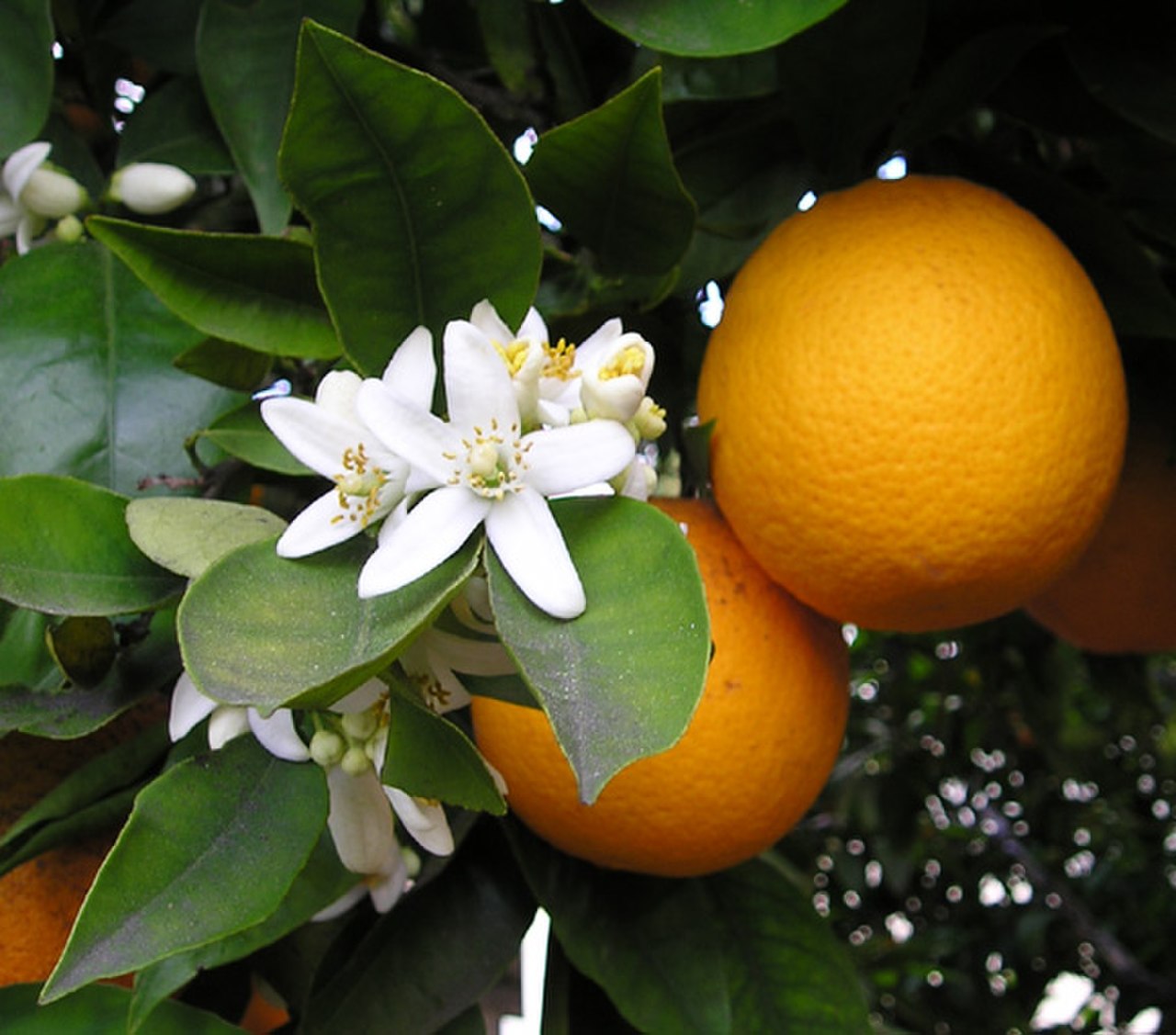
Citrus trees are known for their beautiful, fragrant flowers, which are an important part of the Pollination Process. Citrus flowers are typically Hermaphroditic, meaning they contain both male and female reproductive organs. However, many citrus varieties are Self-Incompatible, meaning they require Cross-Pollination to produce fruit. The Entomology of Citrus is a fascinating field of study, with scientists working to understand the complex relationships between citrus trees and the insects that pollinate them. The Beekeeping industry plays a critical role in citrus production, with many citrus farmers relying on Honey Bees and other pollinators to fertilize their trees.
🏞️ Citrus Farming and Production
Citrus farming is a significant industry worldwide, with millions of hectares of land dedicated to citrus production. The Citrus Farming process typically involves Planting young trees, Pruning and Training them to optimize fruit production, and Harvesting the fruit when it is mature. Citrus farmers must also contend with a range of Pests and Diseases, including Citrus Canker and Greasy Spot. The Agricultural Economics of citrus production are complex and multifaceted, with factors such as Market Trends, Weather Patterns, and Government Policies all playing a role. The Sustainability of Citrus is a growing concern, with many farmers and consumers seeking more environmentally friendly and socially responsible production methods.
📊 Economic Impact of Citrus
The economic impact of citrus is significant, with the global citrus industry valued at billions of dollars. The Economics of Citrus is a complex and multifaceted field, with factors such as Supply and Demand, Market Trends, and Trade Agreements all playing a role. Citrus fruits are not only an important source of Nutrition and Flavor, but also a significant source of Income and Employment for millions of people worldwide. The Global Citrus Market is a dynamic and rapidly evolving field, with new trends and opportunities emerging all the time. The Citrus Industry Trends are shaped by a complex interplay of factors, including Consumer Preferences, Technological Advances, and Environmental Factors.
🌟 Cultural Significance of Citrus
Citrus fruits have a rich cultural significance, with many different cultures and traditions surrounding their use and consumption. In Japan, for example, the Yuzu is a highly prized citrus fruit, used in everything from Cooking and Cleaning to Traditional Medicine. In Italy, the Lemon is a staple ingredient in many classic dishes, including Pasta and Pizza. The Cultural Significance of Citrus is a fascinating field of study, with scientists and scholars working to understand the complex relationships between citrus fruits and human culture. The Symbolism of Citrus is also a rich and complex field, with different cultures and traditions assigning different meanings and significance to citrus fruits.
🌎 Global Citrus Trade
The global citrus trade is a significant and complex industry, with millions of tons of citrus fruits being exported and imported every year. The Global Citrus Trade is shaped by a complex interplay of factors, including Trade Agreements, Tariffs, and Quotas. The United States, Brazil, and China are among the world's largest citrus producers and exporters, with many other countries also playing a significant role in the global citrus trade. The Citrus Trade Trends are shaped by a complex interplay of factors, including Consumer Preferences, Technological Advances, and Environmental Factors.
🚨 Challenges Facing Citrus Industry
The citrus industry faces a range of challenges, including Pests and Diseases, Climate Change, and Water Scarcity. The Sustainability of Citrus is a growing concern, with many farmers and consumers seeking more environmentally friendly and socially responsible production methods. The Citrus Industry Challenges are complex and multifaceted, requiring a coordinated and sustained effort to address. The Future of Citrus is uncertain, but with the right combination of Innovation, Investment, and Policy Support, the citrus industry can continue to thrive and provide benefits to people and the planet.
🌱 Future of Citrus: Trends and Innovations
The future of citrus is likely to be shaped by a range of factors, including Technological Advances, Consumer Preferences, and Environmental Factors. The Citrus Industry Trends are constantly evolving, with new opportunities and challenges emerging all the time. The Sustainability of Citrus is a growing concern, with many farmers and consumers seeking more environmentally friendly and socially responsible production methods. The Innovation in Citrus is a critical factor in the future of the industry, with new technologies and techniques being developed to improve yields, reduce waste, and promote sustainability.
Key Facts
- Year
- 2022
- Origin
- Southeast Asia, circa 2000 BCE
- Category
- Agriculture and Food
- Type
- Food and Agriculture
Frequently Asked Questions
What is the most widely consumed citrus fruit?
The most widely consumed citrus fruit is the Orange, with over 70% of all citrus fruits consumed being oranges. The Orange Juice industry is a significant contributor to the global economy, with millions of liters of juice being produced every year. The Health Benefits of Oranges are numerous, with oranges being a rich source of Vitamin C and other essential nutrients.
What is the difference between a [[navel_orange|Navel Orange]] and a [[blood_orange|Blood Orange]]?
The main difference between a Navel Orange and a Blood Orange is the color and flavor of the fruit. Navel Oranges are seedless and have a sweet, tangy flavor, while Blood Oranges have a deep red or reddish-purple flesh and a more intense, berry-like flavor. The Culinary Uses of Citrus are diverse and varied, with different types of citrus fruits being used in a wide range of dishes and recipes.
How do I grow a citrus tree?
Growing a citrus tree requires careful attention to Soil Quality, Watering, and Pruning. Citrus trees prefer well-draining soil and full sun, and should be watered regularly but not overwatered. The Fertilization of Citrus is also an important consideration, with citrus trees requiring regular applications of Fertilizer to promote healthy growth and fruit production. The Pest Management of citrus trees is also critical, with regular monitoring and control of Pests and Diseases necessary to prevent damage and promote healthy growth.
What are the health benefits of citrus fruits?
Citrus fruits are a rich source of Vitamin C and other essential nutrients, and have been shown to have numerous Health Benefits. The Antioxidant Properties of Citrus are particularly notable, with citrus fruits containing a range of Antioxidants that can help to protect against Cell Damage and promote overall health and wellbeing. The Immune System benefits of citrus fruits are also significant, with citrus fruits containing a range of Immunomodulatory compounds that can help to support immune function and prevent illness.
Can I grow citrus trees in a container?
Yes, you can grow citrus trees in a container. The Container Gardening of citrus trees requires careful attention to Soil Quality, Watering, and Pruning. Citrus trees prefer well-draining soil and full sun, and should be watered regularly but not overwatered. The Fertilization of Citrus is also an important consideration, with citrus trees requiring regular applications of Fertilizer to promote healthy growth and fruit production. The Pest Management of citrus trees is also critical, with regular monitoring and control of Pests and Diseases necessary to prevent damage and promote healthy growth.
How do I care for a citrus tree?
Caring for a citrus tree requires regular attention to Watering, Pruning, and Fertilization. Citrus trees prefer well-draining soil and full sun, and should be watered regularly but not overwatered. The Fertilization of Citrus is also an important consideration, with citrus trees requiring regular applications of Fertilizer to promote healthy growth and fruit production. The Pest Management of citrus trees is also critical, with regular monitoring and control of Pests and Diseases necessary to prevent damage and promote healthy growth.
What are the most common pests and diseases of citrus trees?
The most common pests and diseases of citrus trees include Aphids, Whiteflies, and Root Rot. The Pest Management of citrus trees is critical, with regular monitoring and control of Pests and Diseases necessary to prevent damage and promote healthy growth. The Integrated Pest Management of citrus trees is a holistic approach that combines physical, cultural, biological, and chemical controls to manage pests and diseases. The Organic Pest Control of citrus trees is also a popular approach, with many farmers and gardeners seeking to minimize their use of chemical pesticides and fertilizers.