
Contents
- 🌳 Introduction to Oranges
- 🍊 History of Orange Cultivation
- 🌿 Botanical Classification
- 🧬 Genetic Makeup of Oranges
- 🌈 Hybridization and Varieties
- 🍋 Orange Production and Trade
- 👥 Cultural Significance of Oranges
- 🤝 Controversies Surrounding Oranges
- 🌎 Environmental Impact of Orange Farming
- 📊 Economic Importance of Oranges
- 👀 Future of Orange Production
- Frequently Asked Questions
- Related Topics
Overview
Oranges, with a vibe score of 82, are one of the most widely consumed fruits globally, yet their production and trade are marred by controversies such as water pollution, labor exploitation, and patent disputes. Historian and food critic, Michael Pollan, notes that the orange industry has been shaped by colonialism, slavery, and globalization. Meanwhile, skeptics like scientist, Vandana Shiva, argue that the commercialization of oranges has led to the erosion of biodiversity and the displacement of small-scale farmers. As the world's largest orange producer, Brazil, faces challenges from climate change and disease, the future of orange production hangs in the balance. With over 70% of the world's oranges being produced in just five countries, the concentration of production has significant implications for global food security. The orange industry's influence flows can be seen in the work of companies like Sunkist and Tropicana, which have shaped consumer preferences and driven demand for specific varieties like the Valencia and Navels.
🌳 Introduction to Oranges
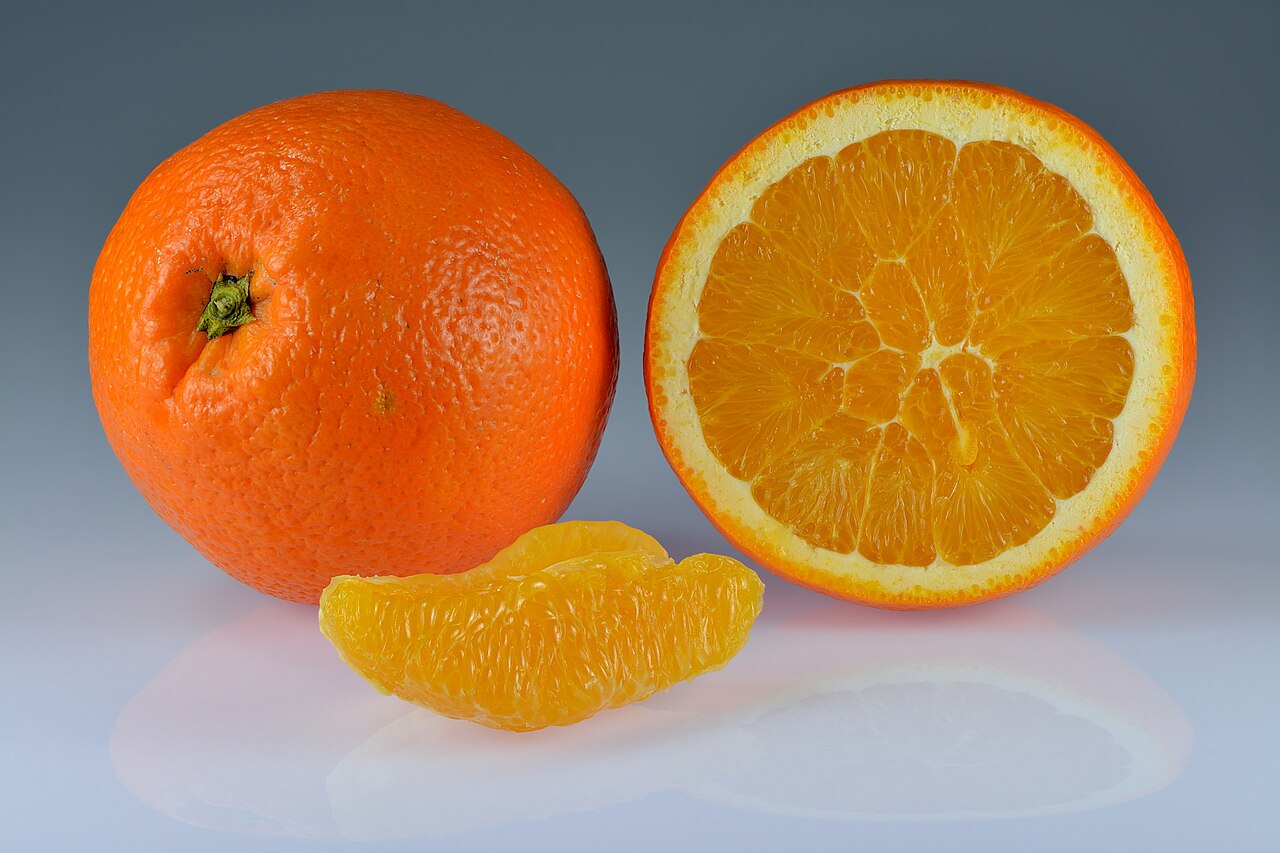
Oranges are one of the most widely consumed fruits globally, with a rich history that spans thousands of years. The sweet orange, also known as Citrus sinensis, is a hybrid of the pomelo and the mandarin orange. This delicious fruit has been a staple in many cultures, with its juicy pulp and easy-to-peel skin making it a favorite among people of all ages. Oranges are not only a great source of vitamin C but also contain other essential nutrients like potassium and fiber. The orange juice industry is a significant sector, with many companies like Tropicana and Minute Maid offering a range of products.
🍊 History of Orange Cultivation
The history of orange cultivation dates back to ancient China, where oranges were first domesticated over 4,000 years ago. From there, they spread to other parts of Asia, including India and Southeast Asia. The Portuguese introduced oranges to Europe in the 16th century, where they became a popular fruit among the wealthy. Today, oranges are grown in many countries around the world, with Brazil, China, and United States being among the top producers. The orange export industry is a significant contributor to the economies of these countries.
🌿 Botanical Classification
Botanically, oranges are classified as a type of berry, belonging to the family Rutaceae. The sweet orange is a hybrid of the pomelo and the mandarin orange, with the chloroplast genome being that of the pomelo. This unique genetic makeup has led to the development of various orange varieties, each with its own distinct characteristics. The citrus family is a large and diverse group, with many other popular fruits like lemons and limes also belonging to it.
🧬 Genetic Makeup of Oranges
The genetic makeup of oranges is complex and has been the subject of much research. The sweet orange has had its full genome sequenced, providing valuable insights into its genetic structure. This knowledge has enabled scientists to develop new orange varieties with desirable traits like disease resistance and improved flavor. The genetic engineering of oranges is a topic of much debate, with some arguing that it could help address issues like food security and sustainability. However, others are concerned about the potential risks and unintended consequences of such technologies.
🌈 Hybridization and Varieties
Oranges have undergone significant hybridization over the years, resulting in a wide range of varieties. The grapefruit, for example, is a hybrid of the sweet orange and the pomelo. Other popular varieties include the blood orange and the cara cara orange. The process of hybridization has allowed farmers to develop oranges that are better suited to specific climates and growing conditions. The orange breeding program is an ongoing effort to create new and improved varieties of oranges.
🍋 Orange Production and Trade
Orange production and trade are significant contributors to the global economy. The top orange-producing countries are Brazil, China, and United States, with the majority of production being used for orange juice and other processed products. The orange export industry is a major sector, with many countries relying on oranges as a key export commodity. However, the industry is also facing challenges like climate change and pest diseases, which can impact yields and quality.
👥 Cultural Significance of Oranges
Oranges have significant cultural and symbolic meanings in many societies. In China, oranges are a symbol of good fortune and prosperity, while in United States, they are often associated with Christmas and other holidays. The orange blossom is also a popular motif in art and literature, representing love and beauty. The food culture surrounding oranges is diverse and rich, with many traditional dishes and recipes featuring oranges as a key ingredient.
🤝 Controversies Surrounding Oranges
Despite their popularity, oranges are also surrounded by controversy. The use of pesticides and other chemicals in orange farming has raised concerns about environmental and health impacts. The water use required for orange cultivation is also a significant issue, particularly in water-scarce regions. Additionally, the labor practices in the orange industry have been criticized, with many workers facing poor working conditions and low wages. The sustainability of orange farming is a topic of much debate, with many arguing that more needs to be done to address these issues.
🌎 Environmental Impact of Orange Farming
The environmental impact of orange farming is a significant concern. The use of fertilizers and pesticides can pollute soil and water, while the water use required for irrigation can strain local resources. The deforestation associated with orange farming is also a major issue, as it can lead to loss of biodiversity and ecosystem disruption. However, there are also many efforts underway to promote sustainable agriculture practices in the orange industry, such as the use of organic farming methods and regenerative agriculture techniques.
📊 Economic Importance of Oranges
The economic importance of oranges cannot be overstated. The orange industry is a significant contributor to the economies of many countries, providing employment and income for millions of people. The orange export industry is a major sector, with many countries relying on oranges as a key export commodity. However, the industry is also facing challenges like market fluctuations and climate change, which can impact yields and quality. The economic development of orange-producing countries is closely tied to the success of the orange industry.
👀 Future of Orange Production
As the world grapples with issues like food security and sustainability, the future of orange production is uncertain. However, there are also many opportunities for innovation and growth in the orange industry. The development of new orange varieties and the use of technology to improve farming practices are just a few examples. The orange industry is likely to continue evolving in response to changing consumer demands and environmental pressures. The future of food is closely tied to the future of oranges, and it will be interesting to see how the industry adapts to the challenges and opportunities ahead.
Key Facts
- Year
- 2022
- Origin
- Southeast Asia, 4000 BCE
- Category
- Food and Agriculture
- Type
- Food
Frequently Asked Questions
What is the origin of oranges?
Oranges originated in ancient China, where they were first domesticated over 4,000 years ago. From there, they spread to other parts of Asia, including India and Southeast Asia. The Portuguese introduced oranges to Europe in the 16th century, where they became a popular fruit among the wealthy.
What are the different types of oranges?
There are many different types of oranges, including the naval orange, the Valencia orange, and the blood orange. Each type has its own unique characteristics and uses. The orange varieties are developed through a process of hybridization and selection.
What are the health benefits of oranges?
How are oranges grown and harvested?
Oranges are typically grown in warm and subtropical climates, where they are cultivated in orchards. The orange farming process involves planting, irrigation, fertilization, and pest management. Oranges are usually harvested between May and October, depending on the variety and climate.
What is the environmental impact of orange farming?
The environmental impact of orange farming is a significant concern. The use of fertilizers and pesticides can pollute soil and water, while the water use required for irrigation can strain local resources. The deforestation associated with orange farming is also a major issue, as it can lead to loss of biodiversity and ecosystem disruption.
What is the future of orange production?
The future of orange production is uncertain, but there are many opportunities for innovation and growth in the orange industry. The development of new orange varieties and the use of technology to improve farming practices are just a few examples. The orange industry is likely to continue evolving in response to changing consumer demands and environmental pressures.
How do oranges contribute to food security?
Oranges are a significant contributor to food security, providing a source of nutrition and income for millions of people. The orange industry is a major sector, with many countries relying on oranges as a key export commodity. However, the industry is also facing challenges like market fluctuations and climate change, which can impact yields and quality.