
Contents
- 🌟 Introduction to Hormones
- 🧬 The Biology of Hormones
- 🌿 Plant Hormones and Their Role
- 🐝 Animal Hormones and Their Functions
- 👥 The Endocrine System and Hormone Regulation
- 💊 Hormone Replacement Therapy and Its Applications
- 🚨 Hormonal Imbalances and Their Consequences
- 🔬 The Future of Hormone Research and Treatment
- 📊 Hormone-Related Disorders and Their Prevalence
- 👨⚕️ The Impact of Hormones on Human Health
- 🌈 The Interplay Between Hormones and the Environment
- 🤝 The Connection Between Hormones and Mental Health
- Frequently Asked Questions
- Related Topics
Overview
Hormones are chemical messengers produced by glands in the endocrine system that regulate various bodily functions, including growth, metabolism, reproduction, and mood. The balance of hormones is crucial for maintaining overall health, with imbalances linked to conditions such as diabetes, thyroid disorders, and hormonal cancers. The discovery of hormones dates back to the early 20th century, with pioneers like Edward Calvin Kendall and Philip Showalter Hench contributing significantly to the field. Today, hormonal research continues to advance, with a focus on understanding the intricate relationships between hormones, genetics, and environmental factors. For instance, the role of hormones in stress response, as seen in the work of Hans Selye, has led to a deeper understanding of how chronic stress affects the body. Furthermore, the impact of hormonal imbalances on mental health, such as the link between cortisol and anxiety, underscores the need for comprehensive approaches to health management. With a Vibe score of 8, indicating a high level of cultural energy and relevance, the study of hormones remains a vibrant and evolving field, influencing not only medical practice but also our understanding of human biology and behavior.
🌟 Introduction to Hormones
Hormones are a class of signaling molecules that play a crucial role in regulating various physiological and behavioral processes in multicellular organisms. As explained in Hormone Regulation, hormones are produced by glands in the Endocrine System and are sent to distant organs or tissues to exert their effects. For instance, Insulin and Glucagon are two hormones that regulate blood sugar levels, while Thyroid Hormone regulates metabolism. The study of hormones is essential for understanding various biological processes, including growth and development, as discussed in Developmental Biology.
🧬 The Biology of Hormones
The biology of hormones is complex and involves various biological processes, including synthesis, transport, and reception. As described in Cell Biology, hormones are synthesized by glands in the Endocrine System and are released into the bloodstream to reach their target organs or tissues. For example, Adrenaline is a hormone produced by the adrenal glands that plays a crucial role in the Fight-or-Flight Response. The reception of hormones by target cells involves specific receptors, as explained in Molecular Biology, which trigger various signaling pathways to exert their effects. The study of hormone biology is essential for understanding various physiological processes, including Metabolism and Growth and Development.
🌿 Plant Hormones and Their Role
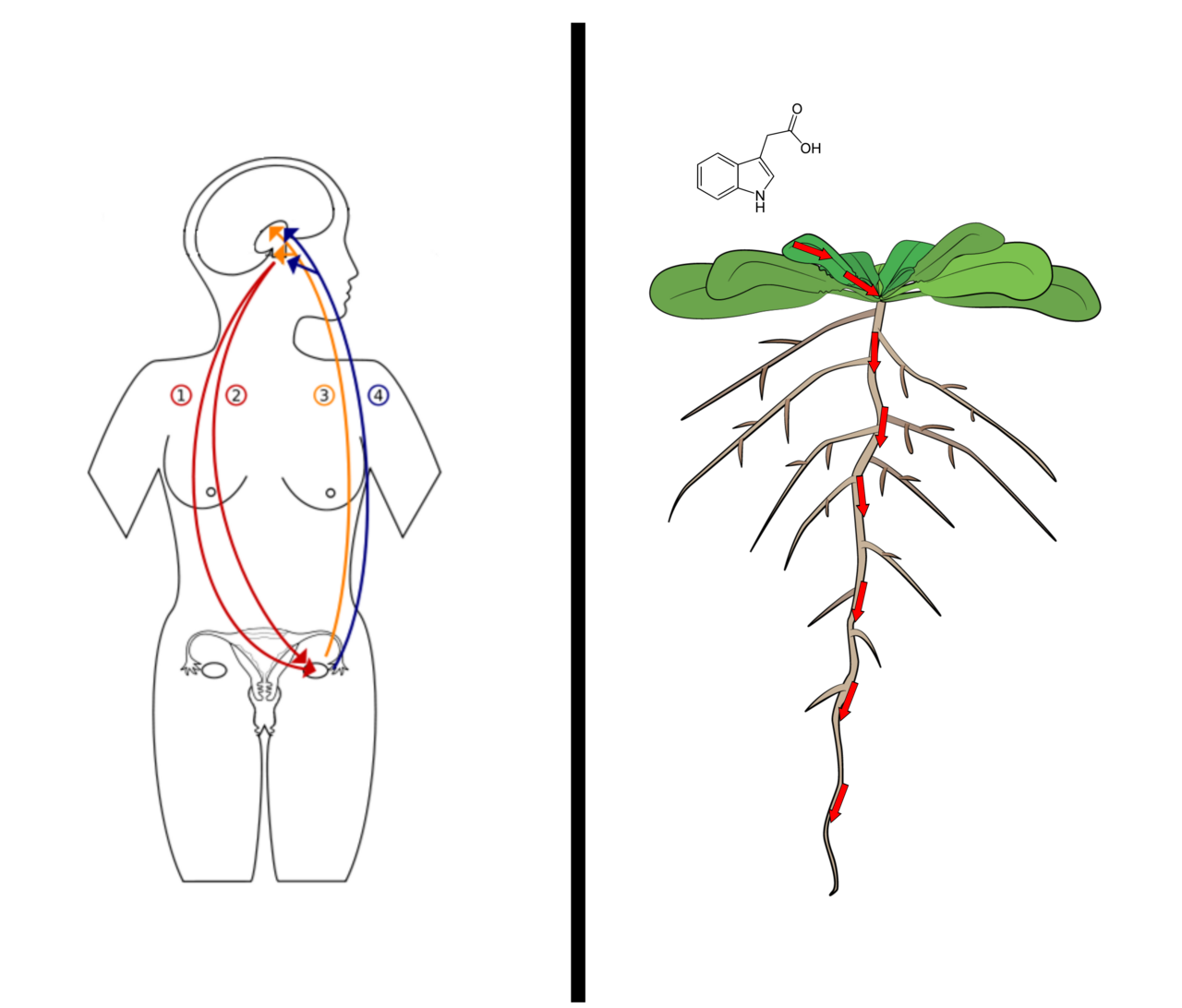
Plant hormones, also known as phytohormones, play a crucial role in regulating various physiological processes in plants, including growth and development. As discussed in Plant Biology, plant hormones such as Auxin, Gibberellin, and Ethylene regulate various processes, including cell elongation, cell division, and senescence. For instance, Auxin is a plant hormone that regulates cell elongation and cell division, while Ethylene is involved in fruit ripening. The study of plant hormones is essential for understanding various agricultural processes, including Plant Growth Regulation and Crop Yield Improvement.
🐝 Animal Hormones and Their Functions
Animal hormones play a crucial role in regulating various physiological processes, including growth and development, metabolism, and reproduction. As explained in Animal Physiology, animal hormones such as Insulin, Thyroid Hormone, and Adrenaline regulate various processes, including glucose metabolism, energy metabolism, and the Fight-or-Flight Response. For example, Insulin is a hormone that regulates blood sugar levels, while Thyroid Hormone regulates metabolism. The study of animal hormones is essential for understanding various physiological processes, including Metabolism and Reproduction.
👥 The Endocrine System and Hormone Regulation
The Endocrine System is a complex system that regulates hormone production and secretion in the body. As described in Endocrinology, the Endocrine System consists of various glands, including the Pituitary Gland, Thyroid Gland, and Adrenal Glands, which produce and secrete hormones to regulate various physiological processes. For instance, the Pituitary Gland regulates the production of various hormones, including Growth Hormone and Thyroid-Stimulating Hormone. The study of the Endocrine System is essential for understanding various physiological processes, including Hormone Regulation and Metabolism.
💊 Hormone Replacement Therapy and Its Applications
Hormone replacement therapy (HRT) is a medical treatment that involves the use of hormones to replace or supplement naturally occurring hormones in the body. As discussed in Hormone Replacement Therapy, HRT is used to treat various hormonal disorders, including Hypothyroidism and Menopause. For example, Thyroid Hormone Replacement is used to treat Hypothyroidism, while Estrogen Replacement is used to treat Menopause. The study of HRT is essential for understanding various medical treatments, including Hormone Therapy and Reproductive Medicine.
🚨 Hormonal Imbalances and Their Consequences
Hormonal imbalances can have significant consequences on overall health and well-being. As explained in Hormonal Imbalance, hormonal imbalances can lead to various disorders, including Diabetes, Thyroid Disorders, and Reproductive Disorders. For instance, Insulin Resistance is a hormonal imbalance that can lead to Diabetes, while Thyroid Hormone Imbalance can lead to Thyroid Disorders. The study of hormonal imbalances is essential for understanding various physiological processes, including Metabolism and Reproduction.
🔬 The Future of Hormone Research and Treatment
The future of hormone research and treatment is rapidly evolving, with new technologies and therapies being developed to diagnose and treat hormonal disorders. As discussed in Hormone Research, advances in Genomics and Proteomics are leading to a better understanding of hormone biology and the development of new treatments, including Gene Therapy and Stem Cell Therapy. For example, Gene Therapy is being explored as a potential treatment for various hormonal disorders, including Diabetes and Thyroid Disorders. The study of hormone research is essential for understanding various medical treatments, including Hormone Therapy and Reproductive Medicine.
👨⚕️ The Impact of Hormones on Human Health
Hormones play a crucial role in regulating various physiological processes, including growth and development, metabolism, and reproduction. As discussed in Human Physiology, hormones such as Insulin, Thyroid Hormone, and Adrenaline regulate various processes, including glucose metabolism, energy metabolism, and the Fight-or-Flight Response. For example, Insulin is a hormone that regulates blood sugar levels, while Thyroid Hormone regulates metabolism. The study of human physiology is essential for understanding various physiological processes, including Metabolism and Reproduction.
🌈 The Interplay Between Hormones and the Environment
The interplay between hormones and the environment is complex and can have significant consequences on overall health and well-being. As explained in Environmental Health, environmental factors, such as Pollution and Climate Change, can disrupt hormone balance and lead to various disorders, including Endocrine Disruptors. For instance, Endocrine Disruptors are chemicals that can interfere with hormone function and lead to various disorders, including Reproductive Disorders and Cancer. The study of environmental health is essential for understanding various physiological processes, including Hormone Regulation and Metabolism.
🤝 The Connection Between Hormones and Mental Health
The connection between hormones and mental health is complex and can have significant consequences on overall health and well-being. As discussed in Mental Health, hormones such as Serotonin and Dopamine regulate various processes, including mood and cognitive function. For example, Serotonin is a hormone that regulates mood, while Dopamine is involved in reward processing. The study of mental health is essential for understanding various physiological processes, including Neurotransmission and Behavior.
Key Facts
- Year
- 1902
- Origin
- Bayliss and Starling's discovery of secretin, the first hormone
- Category
- Biology, Health, and Medicine
- Type
- Biological Concept
Frequently Asked Questions
What are hormones?
Hormones are a class of signaling molecules that play a crucial role in regulating various physiological and behavioral processes in multicellular organisms. They are produced by glands in the Endocrine System and are sent to distant organs or tissues to exert their effects. Hormones are essential for various biological processes, including growth and development, metabolism, and reproduction. For example, Insulin and Glucagon are two hormones that regulate blood sugar levels, while Thyroid Hormone regulates metabolism. The study of hormones is essential for understanding various biological processes, including Developmental Biology and Human Physiology.
What is the role of the [[endocrine-system|Endocrine System]]?
The Endocrine System is a complex system that regulates hormone production and secretion in the body. It consists of various glands, including the Pituitary Gland, Thyroid Gland, and Adrenal Glands, which produce and secrete hormones to regulate various physiological processes. The Endocrine System plays a crucial role in regulating various physiological processes, including growth and development, metabolism, and reproduction. For instance, the Pituitary Gland regulates the production of various hormones, including Growth Hormone and Thyroid-Stimulating Hormone. The study of the Endocrine System is essential for understanding various physiological processes, including Hormone Regulation and Metabolism.
What are the consequences of hormonal imbalances?
Hormonal imbalances can have significant consequences on overall health and well-being. They can lead to various disorders, including Diabetes, Thyroid Disorders, and Reproductive Disorders. For example, Insulin Resistance is a hormonal imbalance that can lead to Diabetes, while Thyroid Hormone Imbalance can lead to Thyroid Disorders. The study of hormonal imbalances is essential for understanding various physiological processes, including Metabolism and Reproduction.
What is hormone replacement therapy (HRT)?
Hormone replacement therapy (HRT) is a medical treatment that involves the use of hormones to replace or supplement naturally occurring hormones in the body. It is used to treat various hormonal disorders, including Hypothyroidism and Menopause. For example, Thyroid Hormone Replacement is used to treat Hypothyroidism, while Estrogen Replacement is used to treat Menopause. The study of HRT is essential for understanding various medical treatments, including Hormone Therapy and Reproductive Medicine.
What is the future of hormone research and treatment?
The future of hormone research and treatment is rapidly evolving, with new technologies and therapies being developed to diagnose and treat hormonal disorders. Advances in Genomics and Proteomics are leading to a better understanding of hormone biology and the development of new treatments, including Gene Therapy and Stem Cell Therapy. For example, Gene Therapy is being explored as a potential treatment for various hormonal disorders, including Diabetes and Thyroid Disorders. The study of hormone research is essential for understanding various medical treatments, including Hormone Therapy and Reproductive Medicine.
What are the consequences of environmental factors on hormone balance?
Environmental factors, such as Pollution and Climate Change, can disrupt hormone balance and lead to various disorders, including Endocrine Disruptors. For instance, Endocrine Disruptors are chemicals that can interfere with hormone function and lead to various disorders, including Reproductive Disorders and Cancer. The study of environmental health is essential for understanding various physiological processes, including Hormone Regulation and Metabolism.
What is the connection between hormones and mental health?
The connection between hormones and mental health is complex and can have significant consequences on overall health and well-being. Hormones such as Serotonin and Dopamine regulate various processes, including mood and cognitive function. For example, Serotonin is a hormone that regulates mood, while Dopamine is involved in reward processing. The study of mental health is essential for understanding various physiological processes, including Neurotransmission and Behavior.