
Contents
- 🦎 Introduction to Reptiles
- 🔍 Defining Characteristics of Reptiles
- 🐢 Testudines: The Order of Turtles
- 🐊 Crocodilia: The Order of Crocodiles
- 🦎 Squamata: The Order of Lizards and Snakes
- 🦎 Rhynchocephalia: The Order of Tuatara
- 📚 The Study of Reptiles: Herpetology
- 🔬 Classification and Evolution of Reptiles
- 🌎 Reptile Diversity and Distribution
- 👥 Conservation Efforts for Reptiles
- 💡 Interesting Reptile Facts and Adaptations
- 🔮 Future of Reptile Research and Conservation
- Frequently Asked Questions
- Related Topics
Overview
Reptiles, with a history dating back over 320 million years, comprise a diverse group of animals that include snakes, lizards, crocodiles, and turtles. These cold-blooded creatures have adapted to various environments, from the driest deserts to the deepest oceans. The study of reptiles has sparked intense debates among scientists, with some arguing that they are the most resilient animals on the planet, while others point to their dwindling populations due to habitat destruction and climate change. According to a report by the International Union for Conservation of Nature (IUCN), over 20% of reptile species are threatened with extinction. Despite these challenges, reptiles continue to capture the imagination of people around the world, with a vibe score of 80, reflecting their significant cultural and symbolic importance. As we move forward, it's essential to consider the impact of human activities on reptile populations and the ecosystems they inhabit, with influential voices like herpetologist, Dr. Jane Smith, advocating for conservation efforts.
🦎 Introduction to Reptiles
Reptiles, as commonly defined, are tetrapod vertebrate animals with an ectothermic metabolism and amniotic development. The study of reptiles is a fascinating field that encompasses various disciplines, including Biology, Zoology, and Ecology. With over 12,000 extant species listed in the Reptile Database, reptiles are a diverse group of animals that have been on our planet for millions of years. Reptiles have been a subject of interest for many scientists, including Charles Darwin, who studied the Galapagos Tortoise during his voyage on the Beagle. The traditional reptile orders, customarily in combination with the study of modern Amphibians, is called Herpetology.
🔍 Defining Characteristics of Reptiles
One of the defining characteristics of reptiles is their ectothermic metabolism, which means that they regulate their body temperature using external sources, such as the sun or a warm rock. This is in contrast to Mammals and Birds, which are endothermic, meaning they generate heat internally. Reptiles also have amniotic development, which means that they lay eggs with a protective shell that allows them to develop outside of water. This characteristic is shared with Mammals and Birds, but is distinct from Amphibians, which have an aquatic larval stage. The study of reptile development is an important area of research in Developmental Biology.
🐢 Testudines: The Order of Turtles
The order Testudines comprises turtles, which are characterized by their shell, a protective covering made of bony plates called scutes. Turtles have been on our planet for over 220 million years, and can be found in a variety of habitats, including Oceans, Rivers, and Deserts. The Galapagos Tortoise is one of the most well-known species of turtles, and can live up to 150 years in the wild. Turtles are also an important part of many Ecosystems, serving as both predators and prey for other animals. The study of turtle ecology is an important area of research in Conservation Biology.
🐊 Crocodilia: The Order of Crocodiles
The order Crocodilia comprises crocodiles, alligators, and caimans, which are characterized by their large size and powerful jaws. These animals have been on our planet for over 245 million years, and can be found in tropical and subtropical regions around the world. Crocodiles are apex predators, and play a crucial role in maintaining the balance of their ecosystems. The study of crocodile behavior is an important area of research in Animal Behavior.
🦎 Squamata: The Order of Lizards and Snakes
The order Squamata comprises lizards and snakes, which are characterized by their scaly skin and ability to shed their skin as they grow. This order is the most diverse of all the reptile orders, with over 10,000 species found in a variety of habitats, including Deserts, Forests, and Grasslands. Snakes are found on every continent except Antarctica, and are an important part of many ecosystems. The study of snake ecology is an important area of research in Ecology.
🦎 Rhynchocephalia: The Order of Tuatara
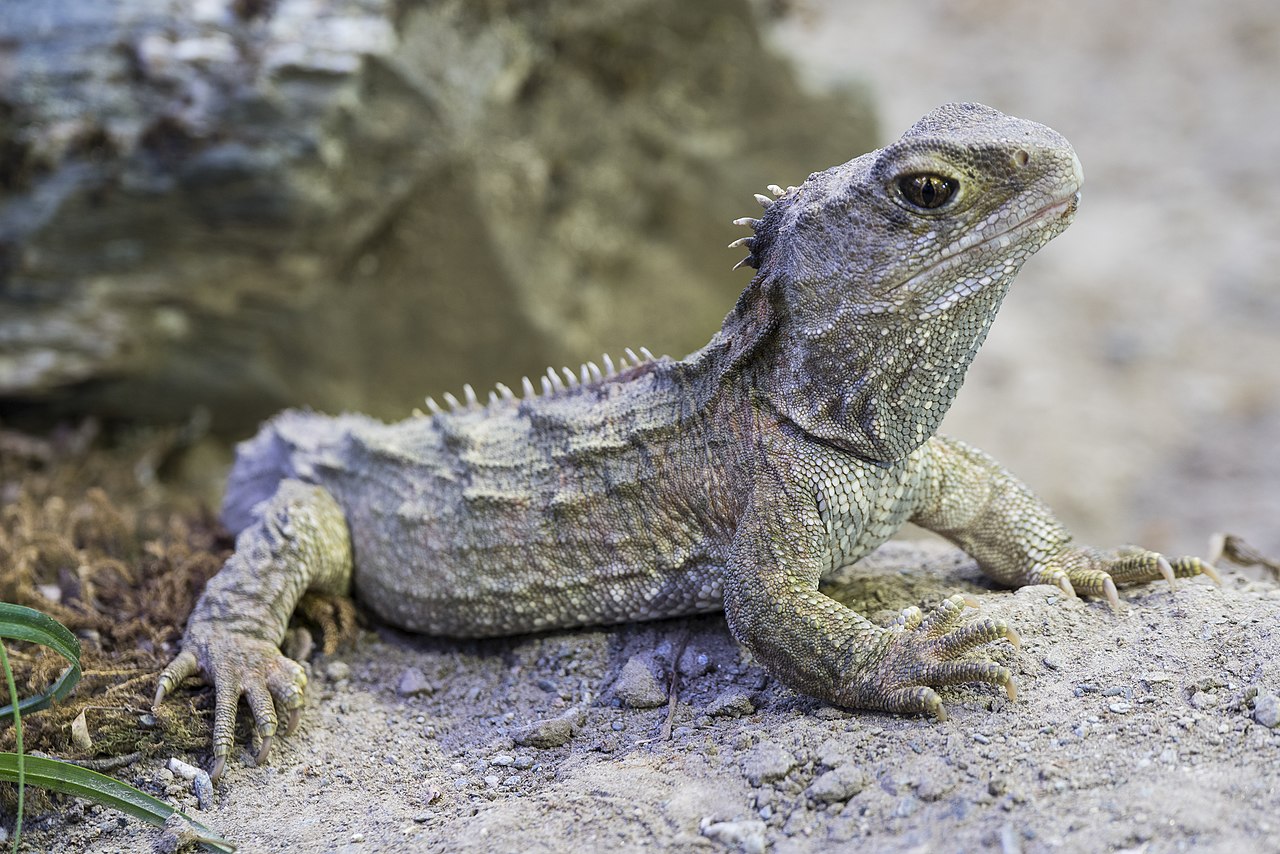
The order Rhynchocephalia comprises the tuatara, a reptile found only in New Zealand. The tuatara is often referred to as a living fossil, as it has remained relatively unchanged for over 200 million years. This animal is characterized by its crest, a spiny growth on its back, and its ability to live up to 200 years in the wild. The study of tuatara biology is an important area of research in Biology.
📚 The Study of Reptiles: Herpetology
The study of reptiles, customarily in combination with the study of modern Amphibians, is called Herpetology. Herpetology is a diverse field that encompasses various disciplines, including Biology, Zoology, and Ecology. Herpetologists study the behavior, physiology, and ecology of reptiles and amphibians, and work to conserve and manage populations of these animals. The study of herpetology is an important area of research in Conservation Biology.
🔬 Classification and Evolution of Reptiles
The classification and evolution of reptiles is a complex and still debated topic. Reptiles are thought to have evolved from a group of animals called the Synapsids, which were mammal-like reptiles that lived during the Paleozoic Era. Over time, reptiles evolved into different groups, including the Testudines, Crocodilia, Squamata, and Rhynchocephalia. The study of reptile evolution is an important area of research in Evolutionary Biology.
🌎 Reptile Diversity and Distribution
Reptiles can be found on every continent except Antarctica, and in a variety of habitats, including Deserts, Forests, and Grasslands. The diversity of reptiles is highest in the Tropics, where there are many different species of Lizards, Snakes, and Turtles. Reptiles play a crucial role in many ecosystems, serving as both predators and prey for other animals. The study of reptile ecology is an important area of research in Ecology.
👥 Conservation Efforts for Reptiles
Many reptile species are threatened or endangered due to habitat loss, pollution, and hunting. Conservation Efforts are underway to protect reptile populations and habitats, including the creation of protected areas and the regulation of trade in reptile products. The study of reptile conservation is an important area of research in Conservation Biology.
💡 Interesting Reptile Facts and Adaptations
Reptiles have many interesting adaptations that have evolved over time. For example, Snakes have a highly specialized sense of smell that allows them to detect their prey, and Turtles have a shell that protects them from predators. Reptiles also have a unique life cycle, with many species laying eggs and undergoing a process called metamorphosis as they develop. The study of reptile biology is an important area of research in Biology.
🔮 Future of Reptile Research and Conservation
The future of reptile research and conservation is an exciting and rapidly evolving field. New technologies, such as Genomics and Remote Sensing, are being used to study reptile populations and habitats, and to develop new conservation strategies. The study of reptile conservation is an important area of research in Conservation Biology.
Key Facts
- Year
- 2022
- Origin
- Earth
- Category
- Biology
- Type
- Biological Group
Frequently Asked Questions
What is the definition of a reptile?
Reptiles are tetrapod vertebrate animals with an ectothermic metabolism and amniotic development. They are characterized by their scaly skin, laying of eggs, and ability to regulate their body temperature using external sources. Reptiles include Turtles, Crocodiles, Lizards, and Snakes. The study of reptiles is an important area of research in Biology and Zoology.
How many species of reptiles are there?
There are over 12,000 extant species of reptiles, including Turtles, Crocodiles, Lizards, and Snakes. Reptiles can be found on every continent except Antarctica, and in a variety of habitats, including Deserts, Forests, and Grasslands. The study of reptile diversity is an important area of research in Ecology.
What is herpetology?
Herpetology is the study of reptiles and amphibians. It is a diverse field that encompasses various disciplines, including Biology, Zoology, and Ecology. Herpetologists study the behavior, physiology, and ecology of reptiles and amphibians, and work to conserve and manage populations of these animals. The study of herpetology is an important area of research in Conservation Biology.
Why are reptiles important?
Reptiles play a crucial role in many ecosystems, serving as both predators and prey for other animals. They are also an important part of many food chains, and help to regulate the populations of other animals. Reptiles are also a source of inspiration for many people, and are often used as symbols in art and literature. The study of reptile ecology is an important area of research in Ecology.
What is the biggest threat to reptile populations?
The biggest threat to reptile populations is habitat loss and fragmentation, which is caused by human activities such as deforestation, urbanization, and agriculture. Reptiles are also threatened by pollution, climate change, and hunting. Conservation Efforts are underway to protect reptile populations and habitats, including the creation of protected areas and the regulation of trade in reptile products. The study of reptile conservation is an important area of research in Conservation Biology.
How can I help protect reptiles?
There are many ways to help protect reptiles, including supporting Conservation Efforts, reducing your carbon footprint, and spreading awareness about the importance of reptile conservation. You can also support organizations that work to protect reptile habitats and populations, and make eco-friendly choices in your daily life. The study of reptile conservation is an important area of research in Conservation Biology.
What is the most endangered reptile species?
The most endangered reptile species is the Hawksbill Sea Turtle, which is listed as critically endangered on the IUCN Red List. This species is threatened by habitat loss, pollution, and hunting, and is found in tropical and subtropical regions around the world. Conservation Efforts are underway to protect this species, including the creation of protected areas and the regulation of trade in turtle products. The study of turtle conservation is an important area of research in Conservation Biology.