
Contents
- 🌎 Introduction to the Tropics
- 🌟 Understanding the Tropics' Unique Characteristics
- 🌴 The Tropical Zone: A Region of Abundant Life
- 🌊 The Role of the Tropics in Global Climate Regulation
- 🏞️ Biodiversity Hotspots in the Tropics
- 🌈 The Impact of Human Activity on Tropical Ecosystems
- 📊 The Economic Importance of the Tropics
- 🚨 Threats to the Tropics: Deforestation and Climate Change
- 🌟 The Future of the Tropics: Conservation Efforts and Sustainability
- 🌐 The Tropics in the Context of Global Environmental Issues
- 📚 Conclusion: The Tropics as a Vital Component of Our Planet
- Frequently Asked Questions
- Related Topics
Overview
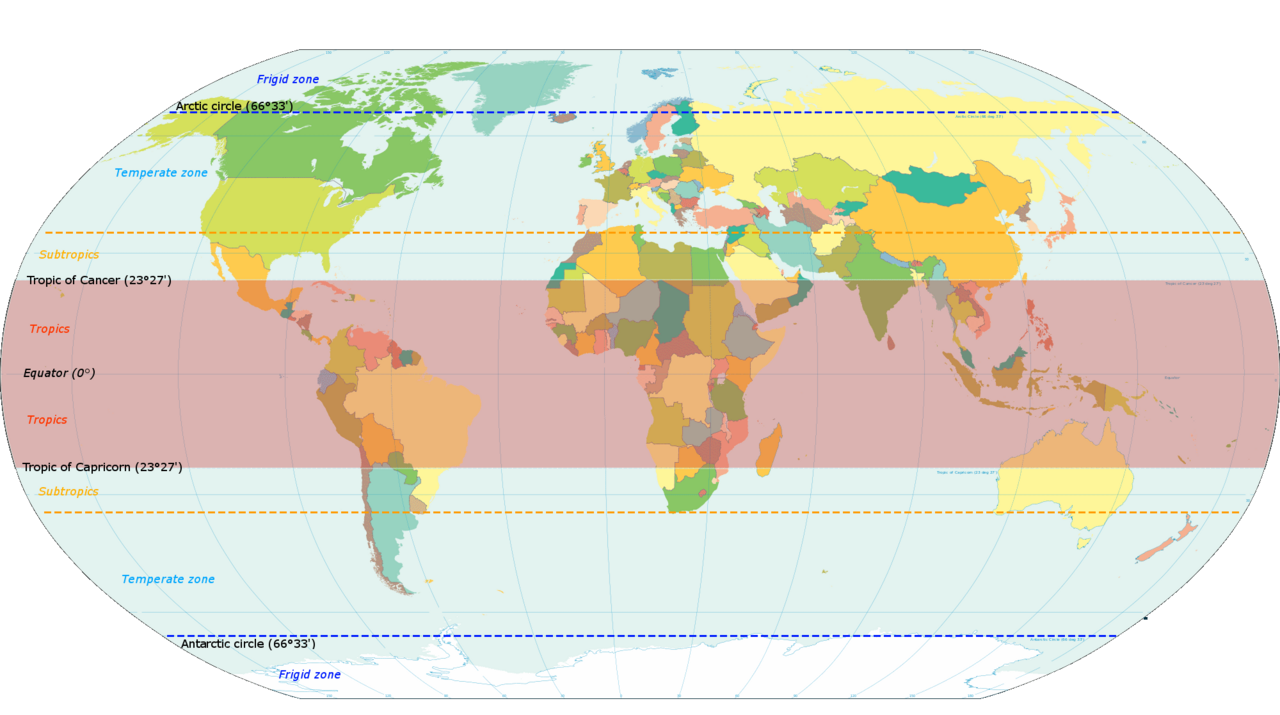
The tropics, spanning between the Tropic of Cancer and the Tropic of Capricorn, encompass approximately 40% of the Earth's surface and are home to more than half of the world's population. This region is not only the most ecologically diverse but also faces significant challenges such as deforestation, climate change, and socio-economic disparities. The Amazon rainforest, the Congo Basin, and Southeast Asia are among the most notable tropical regions, each with its unique biodiversity and cultural heritage. The tropics have a vibe score of 80, reflecting their high cultural energy and ecological significance. However, they are also at the center of controversy, with a controversy spectrum of 6, due to issues like land use, conservation, and the impact of global warming. As the world looks to the future, the tropics will play a critical role in global climate regulation, biodiversity conservation, and sustainable development, with entities like the World Wildlife Fund and the Intergovernmental Panel on Climate Change (IPCC) influencing policy and action.
🌎 Introduction to the Tropics
The tropics, also known as the tropical zone or the torrid zone, are the region of Earth surrounding the equator, where the Sun may shine directly overhead. This unique characteristic sets the tropics apart from the temperate or polar regions of Earth, where the Sun can never be directly overhead. The tropics are home to a vast array of ecosystems, including Rainforests, Coral Reefs, and Mangroves. The tropics are also referred to as the Tropical Zone and the Torrid Zone. The region's biodiversity is unparalleled, with many species found nowhere else on Earth, such as the Amazon Rainforest and the Great Barrier Reef.
🌟 Understanding the Tropics' Unique Characteristics
The tropics' unique characteristics are shaped by Earth's axial tilt, which determines the width of the tropics. The tilt of Earth's axis is approximately 23.5 degrees, which means that the Sun's rays strike the Earth directly at the equator. This results in a region with high temperatures and high levels of rainfall, making it an ideal environment for plant growth and biodiversity. The tropics are also home to many indigenous communities, such as the Indigenous Peoples of the Amazon, who have lived in harmony with the environment for centuries. The tropics play a crucial role in regulating the Earth's climate, with the Ocean Currents and Atmospheric Circulation patterns helping to distribute heat around the globe.
🌴 The Tropical Zone: A Region of Abundant Life
The tropical zone is a region of abundant life, with many ecosystems found nowhere else on Earth. The tropics are home to the Amazon Rainforest, the largest tropical rainforest in the world, which spans across nine countries in South America. The tropics are also home to the Congo Basin, the second-largest tropical rainforest in the world, which is located in central Africa. These ecosystems provide habitat for a vast array of plant and animal species, many of which are found nowhere else on Earth. The tropics are also home to many Endemic Species, which are species that are found only in a specific geographic region. The Biodiversity Hotspots in the tropics are a major concern for conservation efforts, as they are under threat from human activities such as deforestation and habitat destruction.
🌊 The Role of the Tropics in Global Climate Regulation
The tropics play a crucial role in regulating the Earth's climate, with the Ocean Currents and Atmospheric Circulation patterns helping to distribute heat around the globe. The tropics are also home to many Weather Patterns, such as hurricanes and typhoons, which can have a significant impact on global climate patterns. The tropics are also a major source of Oxygen, with the Phytoplankton in the oceans producing a significant portion of the Earth's oxygen. The tropics are also home to many Carbon Sinks, such as the Rainforests and Wetlands, which help to regulate the Earth's climate by absorbing and storing carbon dioxide. The Greenhouse Effect is a major concern in the tropics, as it can lead to rising temperatures and more extreme weather events.
🏞️ Biodiversity Hotspots in the Tropics
The tropics are home to many biodiversity hotspots, which are regions with high levels of endemism and species richness. The Amazon Rainforest is one of the most biodiverse ecosystems on the planet, with thousands of plant and animal species found nowhere else on Earth. The Congo Basin is another biodiversity hotspot, with many species found only in this region. The tropics are also home to many Island Ecosystems, such as the Galapagos Islands, which are home to many unique and endemic species. The Coral Reefs in the tropics are also a major biodiversity hotspot, with many species of fish, coral, and other marine life found nowhere else on Earth. The Mangroves in the tropics are also an important ecosystem, providing habitat for many species of fish and other marine life.
🌈 The Impact of Human Activity on Tropical Ecosystems
Human activity has had a significant impact on tropical ecosystems, with deforestation, habitat destruction, and climate change all major concerns. The Deforestation of the Amazon Rainforest is a major concern, as it can lead to the loss of biodiversity and the release of stored carbon into the atmosphere. The Palm Oil Industry is also a major driver of deforestation in the tropics, with many forests being cleared to make way for palm oil plantations. The Mining Industry is also a major threat to tropical ecosystems, with many mines being developed in sensitive ecosystems such as the Amazon Rainforest. The Climate Change is also a major concern in the tropics, as it can lead to rising temperatures, more extreme weather events, and changes in precipitation patterns.
📊 The Economic Importance of the Tropics
The tropics are also of significant economic importance, with many industries relying on the region's natural resources. The Agriculture industry is a major driver of economic activity in the tropics, with many crops such as Coffee, Cocoa, and Bananas being grown in the region. The Tourism industry is also a significant contributor to the economy of the tropics, with many people visiting the region to experience its unique cultures and ecosystems. The Mining Industry is also a major economic driver in the tropics, with many mines being developed in the region. The Fishing Industry is also an important economic activity in the tropics, with many people relying on fishing as a source of income. The Forestry industry is also a significant economic driver in the tropics, with many forests being harvested for timber and other forest products.
🚨 Threats to the Tropics: Deforestation and Climate Change
The tropics are under threat from deforestation and climate change, with many ecosystems being destroyed or degraded. The Deforestation of the Amazon Rainforest is a major concern, as it can lead to the loss of biodiversity and the release of stored carbon into the atmosphere. The Climate Change is also a major threat to tropical ecosystems, as it can lead to rising temperatures, more extreme weather events, and changes in precipitation patterns. The Wildfires in the tropics are also a major concern, as they can lead to the destruction of ecosystems and the release of stored carbon into the atmosphere. The Invasive Species are also a major threat to tropical ecosystems, as they can outcompete native species for resources and habitat.
🌟 The Future of the Tropics: Conservation Efforts and Sustainability
The future of the tropics is uncertain, with many challenges facing the region. The Conservation Efforts are a major priority, with many organizations and governments working to protect and preserve tropical ecosystems. The Sustainable Development is also a major priority, with many efforts being made to promote sustainable land use and resource management in the tropics. The Renewable Energy is also a major priority, with many efforts being made to promote the use of renewable energy sources such as solar and wind power. The Climate Change Mitigation is also a major priority, with many efforts being made to reduce greenhouse gas emissions and mitigate the impacts of climate change.
🌐 The Tropics in the Context of Global Environmental Issues
The tropics are a vital component of the Earth's ecosystem, and their conservation is essential for maintaining the health of the planet. The Biodiversity of the tropics is unparalleled, with many species found nowhere else on Earth. The Ecosystem Services provided by the tropics are also essential, with many ecosystems providing habitat for wildlife, regulating the climate, and supporting human livelihoods. The Human Wellbeing is also closely tied to the health of the tropics, with many people relying on the region's ecosystems for their livelihoods and well-being. The Global Environmental Issues such as climate change, deforestation, and biodiversity loss are all closely tied to the health of the tropics.
📚 Conclusion: The Tropics as a Vital Component of Our Planet
In conclusion, the tropics are a vital component of the Earth's ecosystem, and their conservation is essential for maintaining the health of the planet. The Tropics are home to many unique and endemic species, and their ecosystems provide many essential ecosystem services. The Human Activity has had a significant impact on tropical ecosystems, with deforestation, habitat destruction, and climate change all major concerns. The Conservation Efforts are a major priority, with many organizations and governments working to protect and preserve tropical ecosystems. The Sustainable Development is also a major priority, with many efforts being made to promote sustainable land use and resource management in the tropics.
Key Facts
- Year
- 2023
- Origin
- Earth's Equatorial Region
- Category
- Geography and Environment
- Type
- Geographic Region
Frequently Asked Questions
What is the definition of the tropics?
The tropics are the region of Earth surrounding the equator, where the Sun may shine directly overhead. This unique characteristic sets the tropics apart from the temperate or polar regions of Earth, where the Sun can never be directly overhead. The tropics are home to a vast array of ecosystems, including Rainforests, Coral Reefs, and Mangroves. The tropics are also referred to as the Tropical Zone and the Torrid Zone.
What are the unique characteristics of the tropics?
The tropics have a unique set of characteristics that set them apart from other regions of the Earth. The tropics are home to high temperatures and high levels of rainfall, making it an ideal environment for plant growth and biodiversity. The tropics are also home to many indigenous communities, such as the Indigenous Peoples of the Amazon, who have lived in harmony with the environment for centuries. The tropics play a crucial role in regulating the Earth's climate, with the Ocean Currents and Atmospheric Circulation patterns helping to distribute heat around the globe.
What are the biodiversity hotspots in the tropics?
The tropics are home to many biodiversity hotspots, which are regions with high levels of endemism and species richness. The Amazon Rainforest is one of the most biodiverse ecosystems on the planet, with thousands of plant and animal species found nowhere else on Earth. The Congo Basin is another biodiversity hotspot, with many species found only in this region. The tropics are also home to many Island Ecosystems, such as the Galapagos Islands, which are home to many unique and endemic species.
What are the major threats to the tropics?
The tropics are under threat from deforestation, habitat destruction, and climate change. The Deforestation of the Amazon Rainforest is a major concern, as it can lead to the loss of biodiversity and the release of stored carbon into the atmosphere. The Climate Change is also a major threat to tropical ecosystems, as it can lead to rising temperatures, more extreme weather events, and changes in precipitation patterns. The Wildfires in the tropics are also a major concern, as they can lead to the destruction of ecosystems and the release of stored carbon into the atmosphere.
What are the conservation efforts in the tropics?
The conservation efforts in the tropics are a major priority, with many organizations and governments working to protect and preserve tropical ecosystems. The Conservation Efforts are focused on protecting the Biodiversity of the tropics, as well as promoting Sustainable Development and Renewable Energy. The Climate Change Mitigation is also a major priority, with many efforts being made to reduce greenhouse gas emissions and mitigate the impacts of climate change.
What is the future of the tropics?
The future of the tropics is uncertain, with many challenges facing the region. The Conservation Efforts are a major priority, with many organizations and governments working to protect and preserve tropical ecosystems. The Sustainable Development is also a major priority, with many efforts being made to promote sustainable land use and resource management in the tropics. The Renewable Energy is also a major priority, with many efforts being made to promote the use of renewable energy sources such as solar and wind power.
What are the ecosystem services provided by the tropics?
The tropics provide many essential ecosystem services, including habitat for wildlife, regulation of the climate, and support for human livelihoods. The Ecosystem Services provided by the tropics are essential for maintaining the health of the planet, and their conservation is critical for ensuring the well-being of human societies. The Biodiversity of the tropics is also essential, with many species found nowhere else on Earth.