
Contents
- 📚 Introduction to Advertising Psychology
- 💡 The History of Advertising Psychology
- 📊 Understanding Consumer Behavior
- 👥 The Role of Social Influence in Advertising
- 📺 The Power of Storytelling in Advertising
- 📈 Measuring the Effectiveness of Advertising
- 🚫 The Ethics of Advertising Psychology
- 🔮 The Future of Advertising Psychology
- 📊 Case Studies in Advertising Psychology
- 📚 Conclusion and Recommendations
- Frequently Asked Questions
- Related Topics
Overview
Advertising psychology is a field of study that examines the ways in which marketers and advertisers use psychological principles to influence consumer behavior. From the use of scarcity tactics to the deployment of social proof, advertising psychology is a complex and multifaceted discipline that seeks to understand the underlying motivations and desires that drive human decision-making. With a vibe score of 8, advertising psychology is a highly influential and widely debated topic, with many experts arguing that it has a profound impact on our purchasing habits and cultural values. According to a study by the American Psychological Association, the average person is exposed to over 4,000 advertisements per day, with many of these ads using subtle psychological cues to drive engagement and conversion. As the field continues to evolve, it is likely that we will see even more sophisticated and targeted advertising strategies emerge, further blurring the lines between persuasion and manipulation. By 2025, the global advertising market is projected to reach $1.3 trillion, with a significant portion of this spend going towards digital advertising, which is increasingly driven by data and AI-powered psychological insights.
📚 Introduction to Advertising Psychology
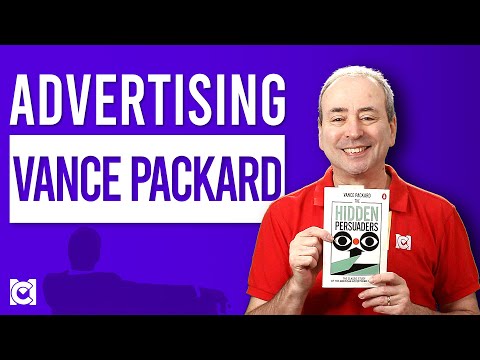
The field of advertising psychology is a complex and multifaceted one, drawing on insights from Psychology and Marketing to understand how consumers respond to advertising messages. As noted by Vance Packard in his seminal work 'The Hidden Persuaders', advertising psychology is a key component of successful marketing campaigns. By understanding the psychological principles that underlie consumer behavior, advertisers can create more effective and persuasive messages. For example, the use of Social Proof and Scarcity can be powerful motivators in driving consumer purchasing decisions. However, as with any form of persuasion, there are also potential drawbacks and Ethics concerns to consider.
💡 The History of Advertising Psychology
The history of advertising psychology dates back to the early 20th century, when advertisers first began to recognize the importance of understanding consumer motivations and behaviors. As noted by Sigmund Freud, the unconscious mind plays a significant role in shaping consumer preferences and purchasing decisions. The development of Mass Media and Advertising Agencies further accelerated the growth of advertising psychology, as advertisers sought to create more effective and persuasive messages. Today, advertising psychology is a global industry, with major brands and Advertising Agencies investing heavily in research and development to stay ahead of the curve. For more information on the history of advertising, see History of Advertising.
📊 Understanding Consumer Behavior
Understanding consumer behavior is a critical component of advertising psychology, as it allows advertisers to create messages that resonate with their target audience. As noted by Abraham Maslow, human beings have a range of needs and motivations that drive their behavior, from basic physiological needs to higher-level needs such as self-actualization. By understanding these needs and motivations, advertisers can create messages that speak to consumers on a deeper level, using techniques such as Emotional Appeal and Rational Appeal. For example, a company like Apple might use emotional appeal to create a sense of excitement and loyalty among its customers, while a company like GEICO might use rational appeal to emphasize the practical benefits of its insurance products.
📺 The Power of Storytelling in Advertising
The power of storytelling in advertising is a key component of advertising psychology, as stories have the ability to engage and persuade consumers on a deeper level. As noted by Joseph Campbell, stories have the power to tap into our collective unconscious, using universal themes and motifs to create a sense of connection and shared experience. By using storytelling techniques such as Narrative Structure and Character Development, advertisers can create messages that are more memorable and impactful, using techniques such as Brand Storytelling and Advertising Narratives. For example, a company like Nike might use storytelling to create a sense of inspiration and motivation among its customers, while a company like Patagonia might use storytelling to promote a sense of environmental responsibility and sustainability.
📈 Measuring the Effectiveness of Advertising
Measuring the effectiveness of advertising is a critical component of advertising psychology, as it allows advertisers to evaluate the impact of their messages and make data-driven decisions. As noted by Philip Kotler, there are many different metrics and methodologies that can be used to measure advertising effectiveness, from Return on Investment and Return on Ad Spend to Brand Lift and Customer Acquisition Cost. By using these metrics and methodologies, advertisers can optimize their campaigns and improve their overall marketing performance, using techniques such as A/B Testing and Multivariate Testing. For example, a company like Google might use data and analytics to measure the effectiveness of its advertising campaigns, while a company like Facebook might use metrics such as Engagement Rate and Click-Through Rate to evaluate the impact of its ads.
🚫 The Ethics of Advertising Psychology
The ethics of advertising psychology is a complex and multifaceted topic, as advertisers must balance their desire to persuade and influence consumers with the need to respect consumer autonomy and dignity. As noted by Jean Baudrillard, advertising can have a profound impact on consumer culture and society, shaping our values and behaviors in profound ways. By considering the ethical implications of their messages and campaigns, advertisers can create a more positive and responsible marketing environment, using techniques such as Transparent Advertising and Consumer Protection. For example, a company like Procter & Gamble might use ethical advertising practices to promote a positive and respectful image, while a company like Unilever might use sustainable and responsible marketing practices to reduce its environmental impact.
🔮 The Future of Advertising Psychology
The future of advertising psychology is likely to be shaped by a range of technological and societal trends, from Artificial Intelligence and Machine Learning to Virtual Reality and Augmented Reality. As noted by Ray Kurzweil, these technologies have the potential to revolutionize the field of advertising psychology, enabling advertisers to create more personalized and immersive experiences for their customers. By leveraging these technologies and trends, advertisers can stay ahead of the curve and create more effective and persuasive messages, using techniques such as Personalization and Dynamic Content. For example, a company like Amazon might use AI and machine learning to create personalized product recommendations, while a company like Microsoft might use virtual and augmented reality to create immersive and interactive advertising experiences.
📊 Case Studies in Advertising Psychology
Case studies in advertising psychology can provide valuable insights and lessons for advertisers, highlighting the importance of understanding consumer behavior and motivations. As noted by Daniel Kahneman, case studies can be used to illustrate the principles of advertising psychology in action, using real-world examples and anecdotes to bring the concepts to life. By studying these case studies and examples, advertisers can gain a deeper understanding of the psychological principles that underlie consumer behavior, using techniques such as Market Research and Consumer Insights. For example, a company like Coca-Cola might use case studies to understand the impact of its advertising campaigns on consumer behavior, while a company like Procter & Gamble might use case studies to develop more effective and persuasive marketing strategies.
📚 Conclusion and Recommendations
In conclusion, the field of advertising psychology is a complex and multifaceted one, drawing on insights from Psychology and Marketing to understand how consumers respond to advertising messages. By considering the psychological principles that underlie consumer behavior, advertisers can create more effective and persuasive messages, using techniques such as Emotional Appeal and Rational Appeal. As the field of advertising psychology continues to evolve and grow, it is likely that we will see new and innovative approaches to advertising and marketing, using technologies such as Artificial Intelligence and Virtual Reality to create more personalized and immersive experiences for consumers.
Key Facts
- Year
- 1957
- Origin
- Vance Packard's book 'The Hidden Persuaders', which is often credited with popularizing the concept of advertising psychology
- Category
- Marketing and Psychology
- Type
- Concept
Frequently Asked Questions
What is advertising psychology?
Advertising psychology is the study of how consumers respond to advertising messages, drawing on insights from psychology and marketing to understand the psychological principles that underlie consumer behavior. By considering these principles, advertisers can create more effective and persuasive messages, using techniques such as emotional appeal and rational appeal. For more information, see Advertising Psychology.
How does social influence impact consumer behavior?
Social influence can have a significant impact on consumer behavior, as consumers are often influenced by the opinions and behaviors of others. By leveraging social influence, advertisers can create messages that are more persuasive and memorable, using techniques such as social proof and expert endorsements. For example, a company like Coca-Cola might use social influence to create a sense of community and shared experience among its customers, while a company like Dove might use social influence to promote a positive body image and self-esteem.
What is the role of storytelling in advertising?
The power of storytelling in advertising is a key component of advertising psychology, as stories have the ability to engage and persuade consumers on a deeper level. By using storytelling techniques such as narrative structure and character development, advertisers can create messages that are more memorable and impactful, using techniques such as brand storytelling and advertising narratives. For example, a company like Nike might use storytelling to create a sense of inspiration and motivation among its customers, while a company like Patagonia might use storytelling to promote a sense of environmental responsibility and sustainability.
How can advertisers measure the effectiveness of their campaigns?
Measuring the effectiveness of advertising is a critical component of advertising psychology, as it allows advertisers to evaluate the impact of their messages and make data-driven decisions. By using metrics and methodologies such as return on investment and return on ad spend, advertisers can optimize their campaigns and improve their overall marketing performance, using techniques such as A/B testing and multivariate testing. For example, a company like Google might use data and analytics to measure the effectiveness of its advertising campaigns, while a company like Facebook might use metrics such as engagement rate and click-through rate to evaluate the impact of its ads.
What are the ethics of advertising psychology?
The ethics of advertising psychology is a complex and multifaceted topic, as advertisers must balance their desire to persuade and influence consumers with the need to respect consumer autonomy and dignity. By considering the ethical implications of their messages and campaigns, advertisers can create a more positive and responsible marketing environment, using techniques such as transparent advertising and consumer protection. For example, a company like Procter & Gamble might use ethical advertising practices to promote a positive and respectful image, while a company like Unilever might use sustainable and responsible marketing practices to reduce its environmental impact.
What is the future of advertising psychology?
The future of advertising psychology is likely to be shaped by a range of technological and societal trends, from artificial intelligence and machine learning to virtual reality and augmented reality. By leveraging these technologies and trends, advertisers can stay ahead of the curve and create more effective and persuasive messages, using techniques such as personalization and dynamic content. For example, a company like Amazon might use AI and machine learning to create personalized product recommendations, while a company like Microsoft might use virtual and augmented reality to create immersive and interactive advertising experiences.
What are some case studies in advertising psychology?
Case studies in advertising psychology can provide valuable insights and lessons for advertisers, highlighting the importance of understanding consumer behavior and motivations. By studying these case studies and examples, advertisers can gain a deeper understanding of the psychological principles that underlie consumer behavior, using techniques such as market research and consumer insights. For example, a company like Coca-Cola might use case studies to understand the impact of its advertising campaigns on consumer behavior, while a company like Procter & Gamble might use case studies to develop more effective and persuasive marketing strategies.