
Contents
Overview
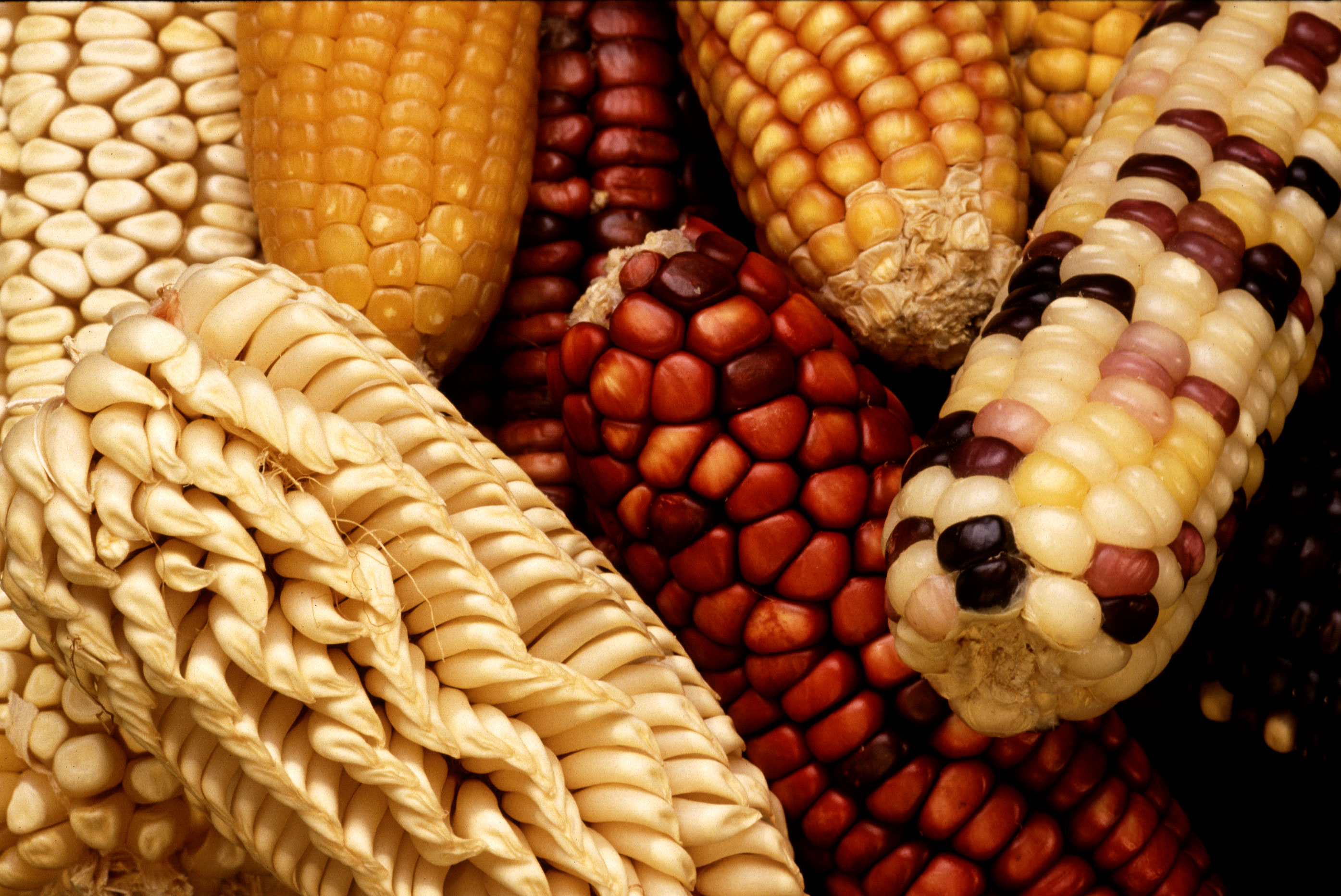
Agricultural biodiversity, or agrobiodiversity, refers to the variety and variability of animals, plants, and micro-organisms at the genetic, species, and ecosystem levels that sustain the ecosystem structures, functions, and processes in and around production systems. It provides food and non-food agricultural products, and is managed by farmers, pastoralists, fishers, and forest dwellers. The Food and Agriculture Organization (FAO) has developed a range of tools and guidelines for the conservation and use of agricultural biodiversity. The Global Crop Diversity Trust has worked to conserve and promote the use of crop diversity.
🌾 Origins & History
Agricultural biodiversity has its roots in the early days of agriculture, with evidence of crop domestication dating back to around 10,000 years ago. The development of new crops and farming practices has been shaped by the interactions between humans, plants, and animals. For example, the introduction of maize from the Americas to Africa and Asia led to the development of new farming systems and increased food security.
🌿 How It Works
Agricultural biodiversity works by providing a range of ecosystem services, including pollination, pest control, and soil health. It also contributes to the development of new crops and farming practices, such as agroforestry and permaculture. For instance, the use of cover crops can increase soil fertility and reduce erosion, while the integration of livestock into farming systems can improve nutrient cycling and reduce the need for external inputs.
📊 Key Facts & Numbers
The Food and Agriculture Organization (FAO) has developed a range of tools and guidelines for the conservation and use of agricultural biodiversity. The Global Crop Diversity Trust has worked to conserve and promote the use of crop diversity.
👥 Key People & Organizations
Key people and organizations involved in the promotion and conservation of agricultural biodiversity include the Food and Agriculture Organization (FAO), and the Global Crop Diversity Trust. These organizations work with farmers, researchers, and policymakers to develop and implement strategies for the conservation and use of agricultural biodiversity.
🌍 Cultural Impact & Influence
Agricultural biodiversity has had a significant cultural impact and influence, with many traditional farming practices and crops being lost as a result of the increasing use of industrial agriculture. However, there is a growing recognition of the importance of agricultural biodiversity, with many communities and organizations working to promote its conservation and use.
⚡ Current State & Latest Developments
The current state of agricultural biodiversity is one of concern, with many crops and farming practices being lost as a result of the increasing use of industrial agriculture. However, there are also many positive developments, with a growing recognition of the importance of agricultural biodiversity and a range of initiatives and programs being implemented to promote its conservation and use.
🤔 Controversies & Debates
There are a range of controversies and debates surrounding agricultural biodiversity, including the use of genetically modified organisms (GMOs) and the impact of industrial agriculture on biodiversity. Some argue that GMOs can help to increase crop yields and improve nutrition, while others argue that they pose a risk to human health and the environment.
🔮 Future Outlook & Predictions
The future outlook for agricultural biodiversity is one of hope and concern. On the one hand, there is a growing recognition of the importance of agricultural biodiversity and a range of initiatives and programs being implemented to promote its conservation and use. On the other hand, there are many challenges to be addressed, including the increasing use of industrial agriculture and the loss of traditional farming practices and crops.
💡 Practical Applications
Practical applications of agricultural biodiversity include the use of crop rotation and intercropping to promote soil health and reduce pests and diseases. It also includes the use of agroforestry and permaculture to promote biodiversity and ecosystem services.
Key Facts
- Category
- environment
- Type
- topic