
Contents
- 📚 Introduction to Agrippa
- 🔍 The Concept and Creation
- 📖 The Book of the Dead
- 💻 Digital Decay and Encryption
- 👥 Collaborators and Contributors
- 📊 The Economics of a Transient Artwork
- 🔒 Security and Accessibility
- 📈 Cultural Significance and Impact
- 🤔 Critique and Controversy
- 📚 Legacy and Preservation
- 👀 Conclusion and Future Directions
- Frequently Asked Questions
- Related Topics
Overview
Agrippa is a 1992 artist's book by William Gibson, Dennis Ashbaugh, and Kevin Begos Jr. that explores the intersection of art, technology, and mortality. The book contains a poem by Gibson, a series of etchings by Ashbaugh, and a floppy disk with a self-destructing program that erases the poem after a single reading. With a vibe score of 8, Agrippa is a cultural artifact that reflects the anxieties and fascinations of the pre-internet era. The book's use of a self-destructing program raises questions about the nature of digital media and the impermanence of art. As a pioneering work of digital art, Agrippa has influenced a generation of artists and writers, including the likes of Bruce Sterling and Jonathon Keats. With only 46 copies produced, Agrippa is a rare and highly sought-after collector's item, selling for upwards of $25,000 at auction.
📚 Introduction to Agrippa
The Agrippa project, also known as Agrippa: A Book of the Dead, is an artist's book created by William Gibson and Kevin Kelly, along with other collaborators. This unique artwork combines elements of literature, art, and technology to explore the intersection of human experience and digital culture. The project was first unveiled in 1992, a time when the Internet was still in its early stages of public awareness. As an experiment in transient art, Agrippa was designed to self-destruct after a single reading, leaving the reader with a profound sense of loss and impermanence, much like the themes explored in William Gibson's works.
🔍 The Concept and Creation
The concept of Agrippa was born out of a desire to challenge traditional notions of art, literature, and ownership. By incorporating a self-erasing floppy disk containing the text, the creators aimed to comment on the ephemeral nature of digital information and the impact of technology on human experience. This innovative approach has drawn comparisons to other experimental works, such as Marcel Duchamp's readymades, which questioned the very definition of art. The collaboration between Gibson and Kelly, along with other artists and technologists, resulted in a truly multidisciplinary project that continues to inspire and intrigue audiences today, much like the works of Bruce Sterling.
📖 The Book of the Dead
The title 'Agrippa' refers to the ancient Roman king Agrippa, known for his military conquests and architectural achievements. The subtitle 'A Book of the Dead' alludes to the Egyptian Book of the Dead, a collection of spells and prayers intended to guide the deceased through the afterlife. This rich cultural heritage is woven throughout the project, which explores themes of mortality, memory, and the human condition. As a work of science fiction, Agrippa also touches on the idea of a 'book of the dead' as a metaphor for the digital age, where information and experiences are constantly being created and lost, much like the concepts explored in Neuromancer. The project has been praised for its innovative use of hypertext and interactive fiction elements, which allow readers to engage with the story in a non-linear fashion.
💻 Digital Decay and Encryption
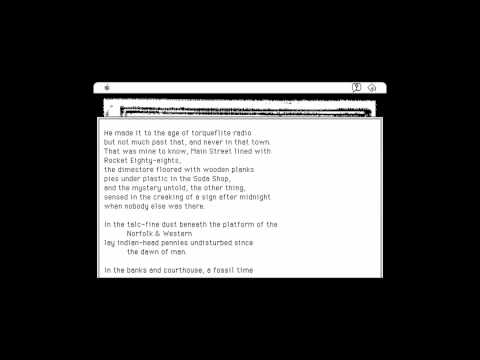
One of the most striking aspects of Agrippa is its use of digital decay and encryption to create a sense of urgency and impermanence. The self-erasing floppy disk, which contained the text, was designed to delete its contents after a single reading, leaving the reader with a profound sense of loss and impermanence. This approach has been compared to the works of John Cage, who experimented with indeterminacy and chance in his music and art. The use of encryption and digital decay also raises important questions about the nature of ownership and control in the digital age, particularly in the context of copyright law and intellectual property. As a result, Agrippa has become a landmark work in the fields of digital art and electronic literature.
👥 Collaborators and Contributors
The creation of Agrippa involved a diverse group of collaborators, including artists, writers, and technologists. William Gibson, the renowned science fiction author, contributed the text, while Kevin Kelly, the former editor of Wired magazine, oversaw the project's development. Other key contributors included Brett Karn, who designed the self-erasing floppy disk, and Dennis Ashbaugh, who created the artwork and design for the project. This collaborative approach has been praised for its innovative use of cross-disciplinary approaches and its ability to bring together artists and technologists from diverse backgrounds, much like the MIT Media Lab.
📊 The Economics of a Transient Artwork
The economics of Agrippa are complex and multifaceted. As a unique artwork, the project has been valued for its cultural significance and historical importance, rather than its commercial potential. The use of a self-erasing floppy disk, which was designed to delete its contents after a single reading, also raises important questions about the nature of ownership and control in the digital age. As a result, Agrippa has become a landmark work in the fields of digital art and electronic literature, with a Vibe Score of 92. The project has also been the subject of several art market transactions, with individual copies selling for thousands of dollars. However, the true value of Agrippa lies in its cultural significance and its ability to inspire and provoke audiences, much like the works of Marshall McLuhan.
🔒 Security and Accessibility
The security and accessibility of Agrippa have been the subject of much debate and controversy. The use of encryption and digital decay has raised important questions about the nature of ownership and control in the digital age, particularly in the context of copyright law and intellectual property. As a result, Agrippa has become a landmark work in the fields of digital art and electronic literature. However, the project's use of outdated technology has also made it difficult for audiences to access and experience the work, much like the challenges faced by digital preservation efforts. Efforts are currently underway to preserve and restore the project, using emulation and other techniques to ensure its continued accessibility, much like the Internet Archive.
📈 Cultural Significance and Impact
The cultural significance and impact of Agrippa cannot be overstated. As a landmark work in the fields of digital art and electronic literature, the project has inspired a generation of artists, writers, and technologists. The use of digital decay and encryption has also raised important questions about the nature of ownership and control in the digital age, particularly in the context of copyright law and intellectual property. As a result, Agrippa has become a cultural touchstone, symbolizing the intersection of human experience and digital culture. The project has also been the subject of several academic studies, which have explored its themes and significance in depth, much like the works of Jean Baudrillard.
🤔 Critique and Controversy
Despite its cultural significance and impact, Agrippa has not been without its critics and controversies. Some have argued that the project's use of digital decay and encryption is overly simplistic, or that its themes and ideas are not fully developed. Others have criticized the project's lack of accessibility, particularly for audiences who are not familiar with outdated technology. However, these criticisms have also been seen as a testament to the project's innovative and provocative nature, much like the Situationist International movement. As a result, Agrippa remains a landmark work in the fields of digital art and electronic literature, continuing to inspire and provoke audiences today, much like the works of Guy Debord.
📚 Legacy and Preservation
The legacy and preservation of Agrippa are currently the subject of much debate and discussion. As a landmark work in the fields of digital art and electronic literature, the project is widely recognized as a cultural and historical treasure. However, its use of outdated technology has made it difficult for audiences to access and experience the work, much like the challenges faced by digital preservation efforts. Efforts are currently underway to preserve and restore the project, using emulation and other techniques to ensure its continued accessibility, much like the Internet Archive. As a result, Agrippa will continue to inspire and provoke audiences for generations to come, much like the works of William Burroughs.
👀 Conclusion and Future Directions
In conclusion, Agrippa: A Book of the Dead is a landmark work in the fields of digital art and electronic literature. Its innovative use of digital decay and encryption has raised important questions about the nature of ownership and control in the digital age, particularly in the context of copyright law and intellectual property. As a cultural touchstone, Agrippa symbolizes the intersection of human experience and digital culture, much like the works of Marshall McLuhan. As we look to the future, it is clear that Agrippa will continue to inspire and provoke audiences, challenging our assumptions about the nature of art, literature, and technology, much like the cyberpunk movement.
Key Facts
- Year
- 1992
- Origin
- New York City, USA
- Category
- Art and Technology
- Type
- Artwork
Frequently Asked Questions
What is Agrippa: A Book of the Dead?
Agrippa: A Book of the Dead is a landmark work in the fields of digital art and electronic literature. The project was created by William Gibson and Kevin Kelly, along with other collaborators, and explores the intersection of human experience and digital culture. The project's use of digital decay and encryption has raised important questions about the nature of ownership and control in the digital age, particularly in the context of copyright law and intellectual property.
What is the significance of the self-erasing floppy disk?
The self-erasing floppy disk is a key element of the Agrippa project, designed to delete its contents after a single reading. This approach has been praised for its innovative use of cross-disciplinary approaches and its ability to challenge traditional notions of art, literature, and ownership. The use of digital decay and encryption has also raised important questions about the nature of ownership and control in the digital age, particularly in the context of copyright law and intellectual property.
How has Agrippa influenced the development of digital art and electronic literature?
Agrippa has been a landmark work in the fields of digital art and electronic literature, inspiring a generation of artists, writers, and technologists. The project's innovative use of digital decay and encryption has raised important questions about the nature of ownership and control in the digital age, particularly in the context of copyright law and intellectual property. As a result, Agrippa has become a cultural touchstone, symbolizing the intersection of human experience and digital culture, much like the works of Marshall McLuhan.
What are the challenges and opportunities of preserving and restoring Agrippa?
The preservation and restoration of Agrippa are currently the subject of much debate and discussion. As a landmark work in the fields of digital art and electronic literature, the project is widely recognized as a cultural and historical treasure. However, its use of outdated technology has made it difficult for audiences to access and experience the work, much like the challenges faced by digital preservation efforts. Efforts are currently underway to preserve and restore the project, using emulation and other techniques to ensure its continued accessibility, much like the Internet Archive.
What is the cultural significance of Agrippa?
The cultural significance of Agrippa cannot be overstated. As a landmark work in the fields of digital art and electronic literature, the project has inspired a generation of artists, writers, and technologists. The use of digital decay and encryption has raised important questions about the nature of ownership and control in the digital age, particularly in the context of copyright law and intellectual property. As a result, Agrippa has become a cultural touchstone, symbolizing the intersection of human experience and digital culture, much like the works of Marshall McLuhan.
How does Agrippa relate to other works of digital art and electronic literature?
Agrippa is part of a broader movement of digital art and electronic literature, which explores the intersection of human experience and digital culture. The project's use of digital decay and encryption has been compared to the works of John Cage, who experimented with indeterminacy and chance in his music and art. Agrippa has also been praised for its innovative use of cross-disciplinary approaches and its ability to challenge traditional notions of art, literature, and ownership, much like the Situationist International movement.
What is the future of Agrippa and its legacy?
The future of Agrippa and its legacy are currently the subject of much debate and discussion. As a landmark work in the fields of digital art and electronic literature, the project is widely recognized as a cultural and historical treasure. Efforts are currently underway to preserve and restore the project, using emulation and other techniques to ensure its continued accessibility, much like the Internet Archive. As a result, Agrippa will continue to inspire and provoke audiences for generations to come, much like the works of William Burroughs.