
Contents
- 🌐 Introduction to AI-Generated Animation
- 🤖 The History of AI in Animation
- 📊 How AI-Generated Animation Works
- 🎨 Applications of AI-Generated Animation
- 📺 The Future of Animation: Trends and Predictions
- 👥 The Impact of AI on the Animation Industry
- 🤝 Collaboration between Humans and AI in Animation
- 🚀 The Potential of AI-Generated Animation in Other Fields
- 📊 The Economics of AI-Generated Animation
- 🔍 The Challenges and Limitations of AI-Generated Animation
- 💻 The Role of Machine Learning in AI-Generated Animation
- 🌟 The Future of Visual Storytelling with AI-Generated Animation
- Frequently Asked Questions
- Related Topics
Overview
AI-generated animation has revolutionized the field of visual storytelling, enabling the creation of complex, high-quality animations with unprecedented speed and efficiency. With the advent of deep learning algorithms and neural networks, animators can now automate tasks such as character modeling, texture mapping, and motion capture. Companies like Pixar, Disney, and Netflix are already leveraging AI-generated animation to produce stunning visuals for films and TV shows. However, the use of AI in animation also raises important questions about authorship, creativity, and job displacement. As the technology continues to evolve, we can expect to see new forms of interactive and immersive storytelling emerge, blurring the lines between animation, video games, and virtual reality. With a vibe score of 8, AI-generated animation is poised to transform the entertainment industry, but its impact will depend on how creators and studios navigate the opportunities and challenges it presents.
🌐 Introduction to AI-Generated Animation
The use of AI in animation is a rapidly growing field, with many studios and artists exploring the possibilities of AI-Generated Animation. This technology has the potential to revolutionize the way we create and consume animated content, from animated movies to video games. With the help of AI, animators can create complex and detailed animations with greater ease and efficiency. For example, the use of deep learning algorithms can help to generate realistic character movements and facial expressions. As the technology continues to evolve, we can expect to see even more innovative applications of AI in the field of animation.
🤖 The History of AI in Animation
The history of AI in animation dates back to the 1960s, when the first computer-generated animations were created. Since then, the field has evolved rapidly, with the development of new technologies and techniques. In the 1990s, the use of computer-generated imagery (CGI) became widespread, and studios such as Pixar Animation Studios and DreamWorks Animation began to produce fully computer-generated films. Today, AI is being used to create even more sophisticated and realistic animations, from character animation to visual effects. For example, the use of machine learning algorithms can help to generate realistic environments and special effects.
📊 How AI-Generated Animation Works
So, how does AI-generated animation work? The process typically involves the use of machine learning algorithms to generate animations from a set of input parameters. These parameters can include things like character designs, environments, and storyboards. The AI algorithm then uses this information to generate a sequence of images, which are combined to create the final animation. This process can be used to create a wide range of animations, from 2D animation to 3D animation. For example, the use of physics engine can help to simulate realistic movements and interactions. As the technology continues to evolve, we can expect to see even more advanced and sophisticated AI-generated animations.
🎨 Applications of AI-Generated Animation
The applications of AI-generated animation are numerous and varied. One of the most obvious applications is in the field of entertainment, where AI can be used to create animated movies, TV shows, and video games. However, AI-generated animation can also be used in other fields, such as education and advertising. For example, AI-generated animations can be used to create interactive and engaging educational content, such as animated explanations and interactive simulations. In the field of advertising, AI-generated animations can be used to create personalized and targeted ads, such as animated ads and interactive ads.
📺 The Future of Animation: Trends and Predictions
As the technology continues to evolve, we can expect to see even more innovative applications of AI-generated animation. One of the most exciting trends in the field is the use of real-time animation, which allows for the creation of interactive and immersive animations. Another trend is the use of virtual reality (VR) and augmented reality (AR) to create even more immersive and engaging animations. For example, the use of VR headsets can help to create fully interactive and immersive environments. As the technology continues to evolve, we can expect to see even more advanced and sophisticated AI-generated animations.
👥 The Impact of AI on the Animation Industry
The impact of AI on the animation industry has been significant, with many studios and artists exploring the possibilities of AI-generated animation. However, the use of AI has also raised concerns about the potential displacement of human animators. As the technology continues to evolve, it is likely that we will see a shift towards more collaborative and hybrid approaches to animation, where humans and AI work together to create complex and sophisticated animations. For example, the use of AI-assisted animation can help to automate repetitive tasks and free up human animators to focus on more creative and high-level tasks. As the technology continues to evolve, we can expect to see even more innovative applications of AI in the field of animation.
🤝 Collaboration between Humans and AI in Animation
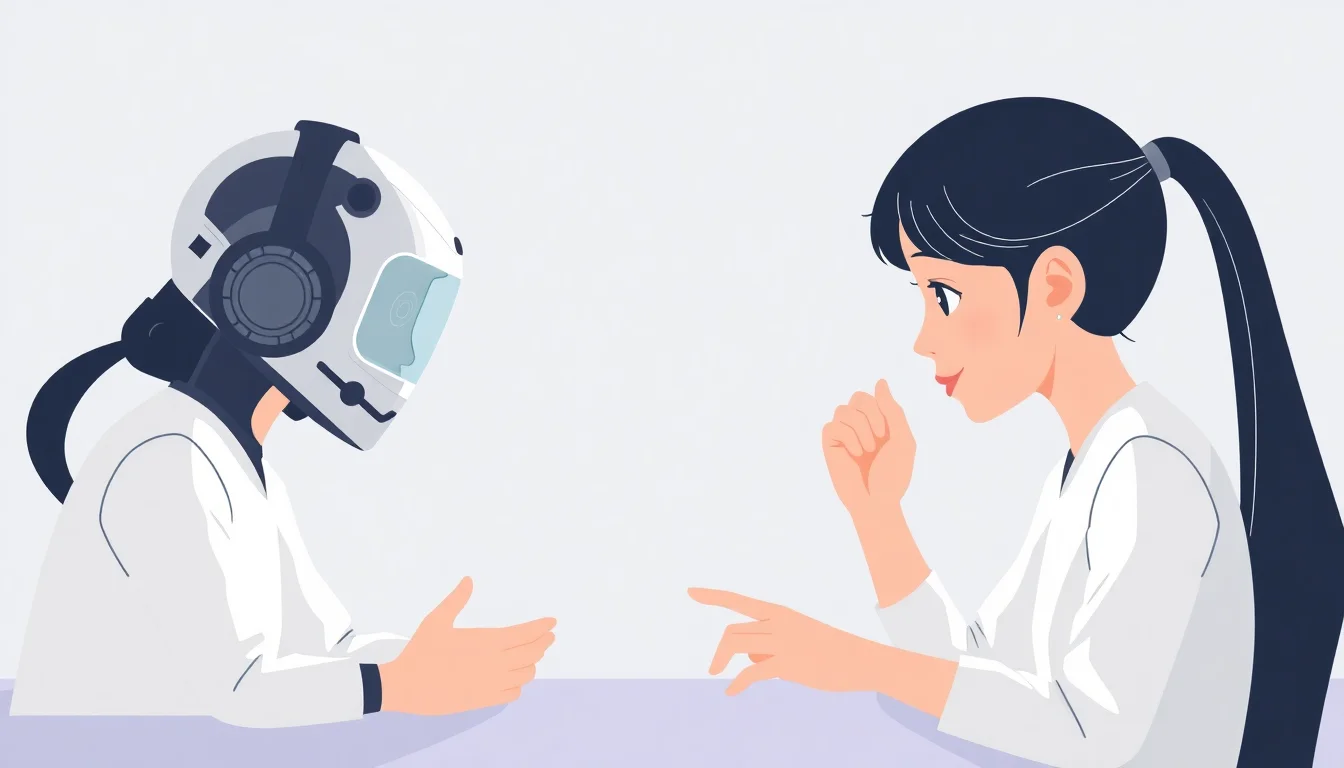
The collaboration between humans and AI in animation is a rapidly growing field, with many studios and artists exploring the possibilities of hybrid approaches to animation. One of the most exciting trends in the field is the use of AI-assisted animation tools, which can help to automate repetitive tasks and free up human animators to focus on more creative and high-level tasks. For example, the use of animation software can help to streamline the animation process and improve efficiency. As the technology continues to evolve, we can expect to see even more advanced and sophisticated AI-assisted animation tools.
🚀 The Potential of AI-Generated Animation in Other Fields
The potential of AI-generated animation in other fields is vast and varied. One of the most exciting applications is in the field of healthcare, where AI-generated animations can be used to create interactive and engaging educational content, such as animated explanations and interactive simulations. Another application is in the field of architecture, where AI-generated animations can be used to create interactive and immersive visualizations of buildings and environments. For example, the use of building information modeling (BIM) can help to create detailed and accurate models of buildings and environments.
📊 The Economics of AI-Generated Animation
The economics of AI-generated animation are complex and multifaceted. One of the most significant benefits of AI-generated animation is the potential to reduce costs and improve efficiency. For example, the use of AI-assisted animation can help to automate repetitive tasks and free up human animators to focus on more creative and high-level tasks. However, the use of AI has also raised concerns about the potential displacement of human animators and the impact on the animation industry as a whole. As the technology continues to evolve, it is likely that we will see a shift towards more collaborative and hybrid approaches to animation, where humans and AI work together to create complex and sophisticated animations.
🔍 The Challenges and Limitations of AI-Generated Animation
The challenges and limitations of AI-generated animation are numerous and varied. One of the most significant challenges is the potential for AI-generated animations to lack the creativity and nuance of human-created animations. Another challenge is the potential for AI-generated animations to be biased or inaccurate, particularly if the training data is limited or biased. For example, the use of biased training data can result in AI-generated animations that perpetuate stereotypes or reinforce existing biases. As the technology continues to evolve, it is likely that we will see more advanced and sophisticated AI-generated animations that can address these challenges and limitations.
💻 The Role of Machine Learning in AI-Generated Animation
The role of machine learning in AI-generated animation is critical, as it allows for the creation of complex and sophisticated animations from a set of input parameters. One of the most exciting trends in the field is the use of deep learning algorithms, which can help to generate realistic and detailed animations. For example, the use of convolutional neural networks (CNNs) can help to generate realistic textures and patterns. As the technology continues to evolve, we can expect to see even more advanced and sophisticated machine learning algorithms that can create complex and sophisticated animations.
🌟 The Future of Visual Storytelling with AI-Generated Animation
The future of visual storytelling with AI-generated animation is vast and varied. One of the most exciting trends in the field is the use of real-time animation, which allows for the creation of interactive and immersive animations. Another trend is the use of virtual reality (VR) and augmented reality (AR) to create even more immersive and engaging animations. For example, the use of VR headsets can help to create fully interactive and immersive environments. As the technology continues to evolve, we can expect to see even more advanced and sophisticated AI-generated animations that can create new and innovative forms of visual storytelling.
Key Facts
- Year
- 2022
- Origin
- United States
- Category
- Technology
- Type
- Technology
Frequently Asked Questions
What is AI-generated animation?
AI-generated animation is the use of artificial intelligence (AI) to create animations from a set of input parameters. This technology has the potential to revolutionize the way we create and consume animated content, from animated movies to video games. For example, the use of deep learning algorithms can help to generate realistic character movements and facial expressions.
How does AI-generated animation work?
The process typically involves the use of machine learning algorithms to generate animations from a set of input parameters. These parameters can include things like character designs, environments, and storyboards. The AI algorithm then uses this information to generate a sequence of images, which are combined to create the final animation. For example, the use of physics engine can help to simulate realistic movements and interactions.
What are the applications of AI-generated animation?
The applications of AI-generated animation are numerous and varied. One of the most obvious applications is in the field of entertainment, where AI can be used to create animated movies, TV shows, and video games. However, AI-generated animation can also be used in other fields, such as education and advertising. For example, AI-generated animations can be used to create interactive and engaging educational content, such as animated explanations and interactive simulations.
What is the future of AI-generated animation?
The future of AI-generated animation is vast and varied. One of the most exciting trends in the field is the use of real-time animation, which allows for the creation of interactive and immersive animations. Another trend is the use of virtual reality (VR) and augmented reality (AR) to create even more immersive and engaging animations. For example, the use of VR headsets can help to create fully interactive and immersive environments.
What are the challenges and limitations of AI-generated animation?
The challenges and limitations of AI-generated animation are numerous and varied. One of the most significant challenges is the potential for AI-generated animations to lack the creativity and nuance of human-created animations. Another challenge is the potential for AI-generated animations to be biased or inaccurate, particularly if the training data is limited or biased. For example, the use of biased training data can result in AI-generated animations that perpetuate stereotypes or reinforce existing biases.
How does AI-generated animation impact the animation industry?
The impact of AI on the animation industry has been significant, with many studios and artists exploring the possibilities of AI-generated animation. However, the use of AI has also raised concerns about the potential displacement of human animators. As the technology continues to evolve, it is likely that we will see a shift towards more collaborative and hybrid approaches to animation, where humans and AI work together to create complex and sophisticated animations.
What is the role of machine learning in AI-generated animation?
The role of machine learning in AI-generated animation is critical, as it allows for the creation of complex and sophisticated animations from a set of input parameters. One of the most exciting trends in the field is the use of deep learning algorithms, which can help to generate realistic and detailed animations. For example, the use of convolutional neural networks (CNNs) can help to generate realistic textures and patterns.