
Contents
- 🔬 Introduction to Amino Acid Synthesis
- 🧬 The Role of Amino Acids in Biochemistry
- 🌟 Essential vs Non-Essential Amino Acids
- 📈 Amino Acid Biosynthesis Pathways
- 👀 The Importance of Dietary Amino Acids
- 🔍 Amino Acid Synthesis in Microorganisms
- 🧬 Genetic Regulation of Amino Acid Synthesis
- 📊 Amino Acid Metabolism and Human Health
- 🌎 Amino Acid Synthesis in Plants and Animals
- 🔬 Amino Acid Analysis and Detection Methods
- Frequently Asked Questions
- Related Topics
Overview
Amino acid synthesis is a complex process that involves the creation of amino acids, the building blocks of proteins, through various biochemical pathways. This process is crucial for all living organisms, from bacteria to humans, as it provides the necessary components for protein synthesis. The most common amino acid synthesis pathways include the citrulline-NO cycle, the urea cycle, and the transsulfuration pathway. Researchers such as Sidney Udenfriend and Julius Axelrod have made significant contributions to our understanding of amino acid synthesis, with their work dating back to the 1950s and 1960s. The Vibe score for amino acid synthesis is 8, indicating a high level of cultural energy and significance in the scientific community. However, controversy surrounds the use of amino acid supplements, with some arguing that they can have negative effects on overall health, while others claim that they can improve athletic performance and muscle growth. As our understanding of amino acid synthesis continues to evolve, it is likely that new discoveries will be made, and the field will continue to grow and expand, with potential applications in fields such as medicine and biotechnology.
🔬 Introduction to Amino Acid Synthesis
Amino acid synthesis is the process by which the amino acids are produced in living organisms. This process is crucial for the production of proteins, which are the building blocks of life. The substrates for amino acid synthesis are various compounds in the organism's diet or growth media. For example, humans can synthesize 11 of the 20 standard amino acids, which are called the non-essential amino acids. These amino acids can be produced by the human body and do not need to be obtained through the diet. In contrast, the remaining 9 amino acids are called essential amino acids and must be obtained through the diet.
🧬 The Role of Amino Acids in Biochemistry
Amino acids play a central role in biochemistry and are the building blocks of proteins. They are also involved in various other biological processes, such as the synthesis of hormones and neurotransmitters. The 20 standard amino acids are classified into several categories, including essential amino acids, non-essential amino acids, and conditionally essential amino acids. Understanding the role of amino acids in biochemistry is essential for understanding the mechanisms of gene expression and protein synthesis.
🌟 Essential vs Non-Essential Amino Acids
The distinction between essential amino acids and non-essential amino acids is based on the ability of an organism to synthesize them. Humans can synthesize 11 of the 20 standard amino acids, which are called the non-essential amino acids. These amino acids can be produced by the human body and do not need to be obtained through the diet. In contrast, the remaining 9 amino acids are called essential amino acids and must be obtained through the diet. The essential amino acids are histidine, isoleucine, leucine, lysine, methionine, phenylalanine, threonine, tryptophan, and valine.
📈 Amino Acid Biosynthesis Pathways
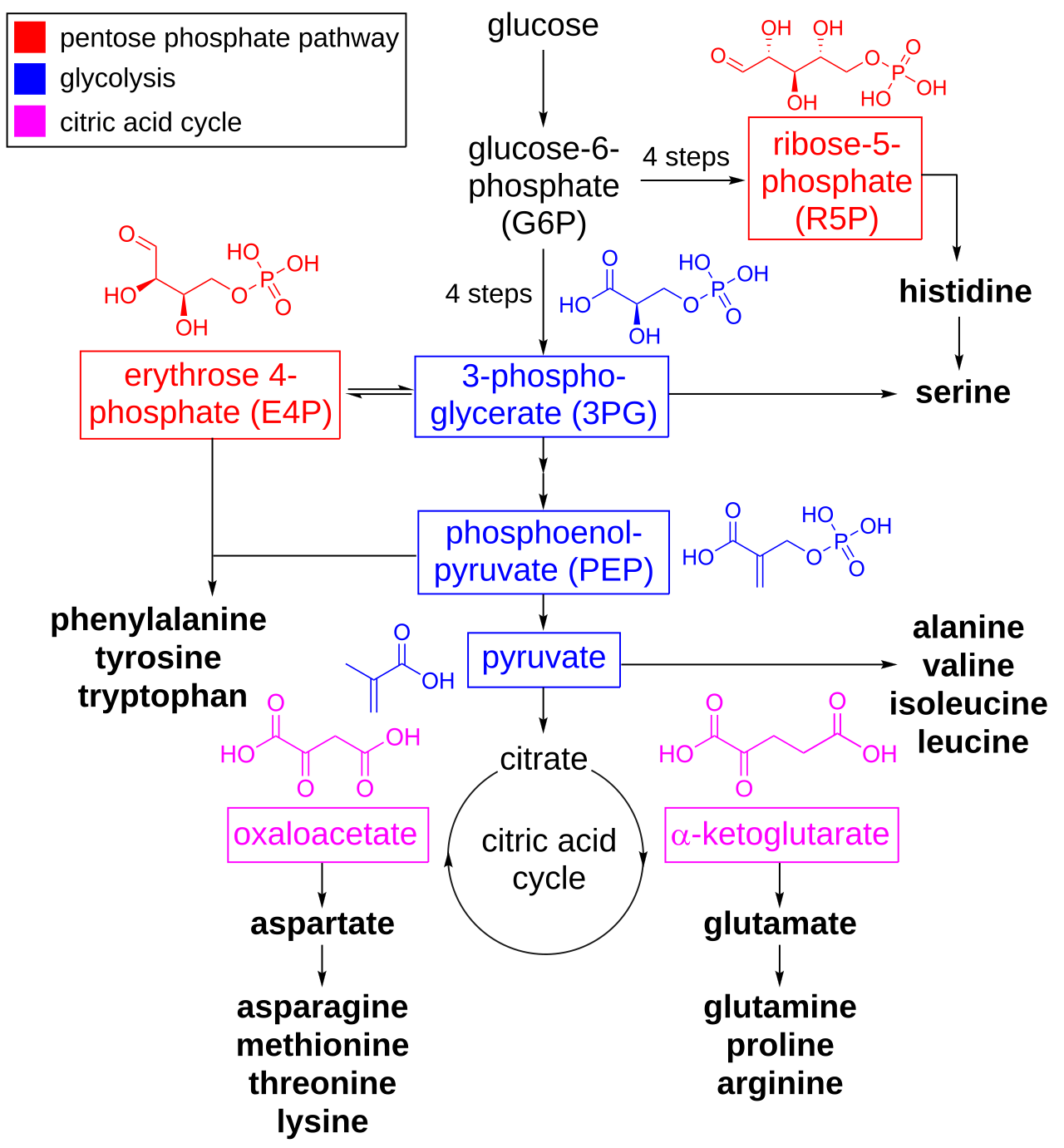
Amino acid biosynthesis pathways are the series of chemical reactions that occur in the cell to produce amino acids. These pathways involve the conversion of simple molecules, such as glucose and ammonia, into amino acids. The amino acid biosynthesis pathways are regulated by enzymes and are influenced by various factors, such as the availability of substrates and the energy status of the cell. Understanding the amino acid biosynthesis pathways is essential for understanding the mechanisms of amino acid synthesis and protein synthesis. The amino acid biosynthesis pathways are also important for the production of pharmaceuticals and food products.
👀 The Importance of Dietary Amino Acids
Dietary amino acids play a crucial role in the synthesis of proteins and other biomolecules. The diet must provide the essential amino acids, which cannot be synthesized by the human body. The quality of the diet is determined by the presence of all the essential amino acids in sufficient amounts. A diet that lacks one or more essential amino acids can lead to malnutrition and other health problems. The dietary amino acids are also important for the synthesis of hormones and neurotransmitters, which are essential for maintaining various bodily functions. For example, the amino acid tryptophan is converted into serotonin, which is a neurotransmitter that regulates mood and appetite.
🔍 Amino Acid Synthesis in Microorganisms
Microorganisms, such as bacteria and yeast, are able to synthesize all the amino acids. These microorganisms have evolved complex amino acid biosynthesis pathways that allow them to produce all the amino acids from simple molecules, such as glucose and ammonia. The amino acid biosynthesis pathways in microorganisms are regulated by enzymes and are influenced by various factors, such as the availability of substrates and the energy status of the cell. Understanding the amino acid biosynthesis pathways in microorganisms is essential for understanding the mechanisms of amino acid synthesis and protein synthesis. The amino acid biosynthesis pathways in microorganisms are also important for the production of pharmaceuticals and food products.
🧬 Genetic Regulation of Amino Acid Synthesis
The genetic regulation of amino acid synthesis is a complex process that involves the regulation of gene expression and enzyme activity. The amino acid biosynthesis pathways are regulated by transcription factors and enzymes that respond to changes in the availability of substrates and the energy status of the cell. The genetic regulation of amino acid synthesis is essential for maintaining the balance of amino acids in the cell and for regulating the synthesis of proteins and other biomolecules. For example, the amino acid tryptophan is regulated by a complex feedback mechanism that involves the regulation of gene expression and enzyme activity.
📊 Amino Acid Metabolism and Human Health
Amino acid metabolism and human health are closely linked. The amino acids play a central role in various bodily functions, including the synthesis of proteins, hormones, and neurotransmitters. The dietary amino acids are also important for maintaining the balance of amino acids in the body and for regulating the synthesis of proteins and other biomolecules. A diet that lacks one or more essential amino acids can lead to malnutrition and other health problems. For example, a diet that lacks the amino acid lysine can lead to protein deficiency and other health problems.
🌎 Amino Acid Synthesis in Plants and Animals
Amino acid synthesis in plants and animals is a complex process that involves the regulation of gene expression and enzyme activity. The amino acid biosynthesis pathways in plants and animals are regulated by transcription factors and enzymes that respond to changes in the availability of substrates and the energy status of the cell. The amino acid biosynthesis pathways in plants and animals are also influenced by various factors, such as the availability of light and water. Understanding the amino acid biosynthesis pathways in plants and animals is essential for understanding the mechanisms of amino acid synthesis and protein synthesis.
🔬 Amino Acid Analysis and Detection Methods
Amino acid analysis and detection methods are essential for understanding the mechanisms of amino acid synthesis and protein synthesis. The amino acid analysis and detection methods include various techniques, such as hplc, mass spectrometry, and nmr spectroscopy. These techniques allow for the detection and quantification of amino acids in various samples, including biological samples and food products. Understanding the amino acid analysis and detection methods is essential for maintaining the quality of food products and for regulating the synthesis of proteins and other biomolecules.
Key Facts
- Year
- 1950
- Origin
- University of California, Berkeley
- Category
- Biochemistry
- Type
- Biological Process
Frequently Asked Questions
What is amino acid synthesis?
Amino acid synthesis is the process by which the amino acids are produced in living organisms. This process is crucial for the production of proteins, which are the building blocks of life. The substrates for amino acid synthesis are various compounds in the organism's diet or growth media.
What are essential amino acids?
The essential amino acids are histidine, isoleucine, leucine, lysine, methionine, phenylalanine, threonine, tryptophan, and valine. These amino acids cannot be synthesized by the human body and must be obtained through the diet.
What is the role of dietary amino acids in human health?
The dietary amino acids play a crucial role in the synthesis of proteins and other biomolecules. The diet must provide the essential amino acids, which cannot be synthesized by the human body. A diet that lacks one or more essential amino acids can lead to malnutrition and other health problems.
How are amino acid biosynthesis pathways regulated?
The amino acid biosynthesis pathways are regulated by enzymes and are influenced by various factors, such as the availability of substrates and the energy status of the cell. The genetic regulation of amino acid synthesis is a complex process that involves the regulation of gene expression and enzyme activity.
What are the methods for amino acid analysis and detection?
The amino acid analysis and detection methods include various techniques, such as hplc, mass spectrometry, and nmr spectroscopy. These techniques allow for the detection and quantification of amino acids in various samples, including biological samples and food products.