
Contents
- 🏯 Introduction to Ancient Greek Sculpture
- 👑 Archaic Greek Sculpture: The Dawn of a New Era
- 🏛️ Classical Greek Sculpture: The Golden Age
- 💫 Hellenistic Sculpture: A Period of Transition
- 🖼️ The Role of Terracotta Figurines in Ancient Greek Art
- 👨🎤 The Artists Behind the Masterpieces
- 🏞️ The Influence of Ancient Greek Sculpture on Modern Art
- 🤔 Controversies and Debates in Ancient Greek Sculpture
- 📚 The Preservation and Restoration of Ancient Greek Sculptures
- 🌎 The Global Reach of Ancient Greek Sculpture
- 👥 The Cultural Significance of Ancient Greek Sculpture
- Frequently Asked Questions
- Related Topics
Overview
Ancient Greek sculpture, spanning from the 8th century BCE to the 1st century CE, is a testament to the ingenuity and artistic prowess of the ancient Greeks. With a Vibe score of 92, this cultural phenomenon has had a profound influence on Western art, with iconic works like the Venus de Milo and the Discobolus of Myron continuing to inspire and awe. The historian's lens reveals a tradition that evolved from the rigid, stylized forms of the Archaic period to the naturalistic, emotive masterpieces of the Hellenistic era. However, the skeptic's perspective questions the notion of a singular, homogeneous 'Greek' style, highlighting the diversity of regional and period-specific approaches. As we look to the future, the futurist's gaze falls upon the ongoing impact of ancient Greek sculpture on contemporary art, from the neoclassical movements of the 18th century to the modernist experiments of the 20th. With over 1,500 preserved sculptures and a controversy spectrum of 6, the study of ancient Greek sculpture remains a vibrant, contested field, with scholars and artists continuing to debate the significance and relevance of these timeless works.
🏯 Introduction to Ancient Greek Sculpture
The sculpture of ancient Greece is the main surviving type of fine ancient Greek art, with the exception of painted ancient Greek pottery, almost no ancient Greek painting survives. This is why the study of Ancient Greek Sculpture is crucial to understanding the art and culture of ancient Greece. The history of ancient Greek sculpture can be divided into three major stages: Archaic Greek Sculpture, Classical Greek Sculpture, and Hellenistic Sculpture. Each stage has its unique characteristics and contributions to the development of ancient Greek art. The influence of ancient Greek sculpture can be seen in many other art forms, including Roman Sculpture and Renaissance Art.
👑 Archaic Greek Sculpture: The Dawn of a New Era
The Archaic period, which lasted from around 800 to 500 BCE, was a time of great experimentation and innovation in ancient Greek sculpture. During this period, Greek sculptors began to develop their own unique style, which was characterized by the use of marble and the depiction of the human form. The most famous example of Archaic Greek sculpture is the Kouroi, a series of marble statues of young men. The Kouroi were influenced by Egyptian Art and marked the beginning of a long tradition of Greek sculpture. The Archaic period also saw the development of Greek Pottery, which was highly decorative and often featured scenes from mythology.
🏛️ Classical Greek Sculpture: The Golden Age
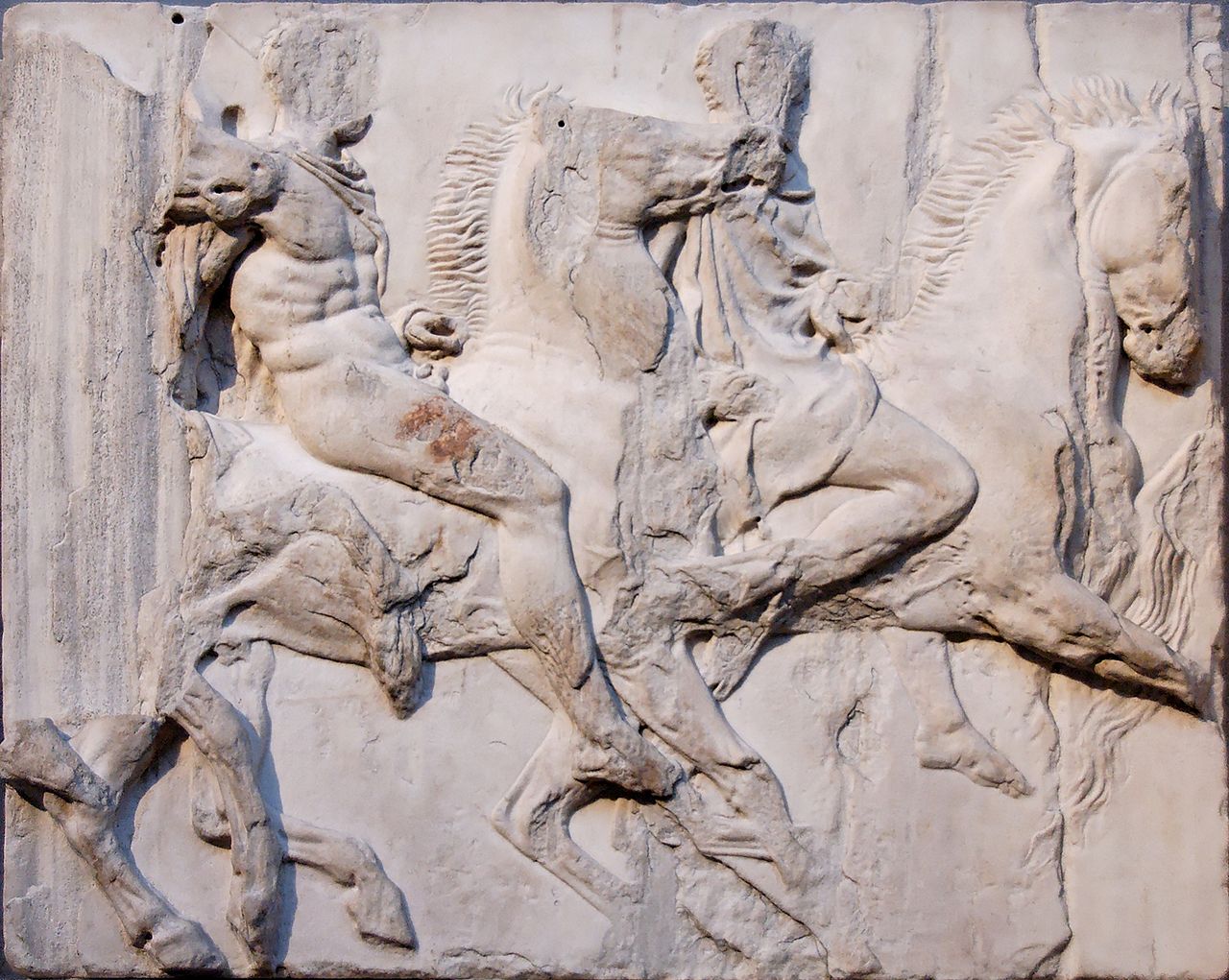
The Classical period, which lasted from around 500 to 323 BCE, is often referred to as the Golden Age of ancient Greek sculpture. During this period, Greek sculptors such as Phidias and Myron created some of the most iconic works of art in the ancient Greek canon. The Classical style was characterized by its emphasis on realism, proportion, and harmony. The most famous example of Classical Greek sculpture is the Parthenon frieze, which was created by Phidias and his assistants. The Parthenon frieze is a masterpiece of ancient Greek art and continues to inspire artists and architects to this day. The Classical period also saw the development of Greek Architecture, which was characterized by the use of columns and the creation of grand public buildings.
💫 Hellenistic Sculpture: A Period of Transition
The Hellenistic period, which lasted from around 323 to 31 BCE, was a time of great change and upheaval in the ancient Greek world. During this period, Greek sculptors began to experiment with new techniques and styles, such as the use of Bronze and the depiction of dramatic and emotional scenes. The Hellenistic style was characterized by its emphasis on movement, tension, and drama. The most famous example of Hellenistic sculpture is the Laocoon Group, a marble statue of a man and his sons being attacked by serpents. The Laocoon Group is a masterpiece of ancient Greek art and continues to inspire artists and sculptors to this day. The Hellenistic period also saw the development of Roman Art, which was heavily influenced by Greek sculpture and architecture.
🖼️ The Role of Terracotta Figurines in Ancient Greek Art
In addition to monumental sculpture, ancient Greek artists also created many smaller works of art, such as Terracotta Figurines and small sculptures in metal and other materials. These smaller works of art were often used as votive offerings or as decorations for the home. They provide valuable insights into the daily life and culture of ancient Greece. The terracotta figurines were often used to depict scenes from mythology and everyday life, and were influenced by Minoan Art and Mycenaean Art. The use of terracotta figurines also spread to other cultures, such as the Etruscan Civilization.
👨🎤 The Artists Behind the Masterpieces
The artists behind the masterpieces of ancient Greek sculpture are often unknown to us today. However, we do know that many of them were highly skilled and trained in the latest techniques and styles. Some of the most famous ancient Greek sculptors include Praxiteles, Lysippos, and Scopas. These sculptors were known for their innovative and influential works, which continue to inspire artists and sculptors to this day. The ancient Greek sculptors were also influenced by Greek Mythology and Greek Philosophy, which provided them with a rich source of inspiration and ideas.
🏞️ The Influence of Ancient Greek Sculpture on Modern Art
The influence of ancient Greek sculpture can be seen in many other art forms, including Renaissance Sculpture and Baroque Sculpture. The study of ancient Greek sculpture has also had a profound impact on the development of modern art and architecture. Many modern artists and architects have been inspired by the ideals of ancient Greek art, such as the emphasis on proportion, harmony, and beauty. The influence of ancient Greek sculpture can also be seen in the work of modern sculptors, such as Auguste Rodin and Henry Moore. The use of ancient Greek sculpture as a model for modern art and architecture has also been the subject of much debate and controversy, with some arguing that it is a form of cultural appropriation.
🤔 Controversies and Debates in Ancient Greek Sculpture
Despite its enduring legacy, ancient Greek sculpture is not without its controversies and debates. Some of the most significant controversies surround the issue of Cultural Appropriation and the use of ancient Greek sculpture as a model for modern art and architecture. Other debates surround the issue of Artistic Influence and the extent to which ancient Greek sculpture has influenced other art forms. The controversy surrounding the Elgin Marbles is also a significant example of the debates surrounding ancient Greek sculpture. The Elgin Marbles are a collection of classical Greek marble sculptures that were removed from the Parthenon and are now housed in the British Museum.
📚 The Preservation and Restoration of Ancient Greek Sculptures
The preservation and restoration of ancient Greek sculptures is a complex and ongoing process. Many of the sculptures have been damaged or destroyed over the centuries, and it is often necessary to restore them to their original condition. This can be a difficult and delicate process, as it is necessary to balance the need to preserve the original work of art with the need to restore it to its original condition. The use of modern technologies, such as 3D Scanning and Laser Cleaning, has made it possible to restore ancient Greek sculptures with greater accuracy and precision. The preservation and restoration of ancient Greek sculptures is also an important part of the cultural heritage of Greece and the world.
🌎 The Global Reach of Ancient Greek Sculpture
The global reach of ancient Greek sculpture is a testament to the enduring legacy of ancient Greek art and culture. From the Vatican Museums to the Metropolitan Museum of Art, ancient Greek sculptures can be found in museums and collections all over the world. The influence of ancient Greek sculpture can also be seen in many other art forms, including African Art and Asian Art. The global reach of ancient Greek sculpture is a reflection of the cultural exchange and trade that has taken place between different civilizations throughout history. The use of ancient Greek sculpture as a model for modern art and architecture has also been the subject of much debate and controversy, with some arguing that it is a form of cultural appropriation.
👥 The Cultural Significance of Ancient Greek Sculpture
The cultural significance of ancient Greek sculpture is a reflection of the importance of art and culture in ancient Greek society. Ancient Greek sculpture was not just a form of decoration or entertainment, but a way of expressing the values and ideals of ancient Greek culture. The sculptures often depicted scenes from mythology and everyday life, and were used to convey moral and philosophical messages. The cultural significance of ancient Greek sculpture can also be seen in its influence on modern art and architecture, and its continued relevance to contemporary culture. The study of ancient Greek sculpture is also an important part of the cultural heritage of Greece and the world, and continues to inspire artists, sculptors, and architects to this day.
Key Facts
- Year
- 500
- Origin
- Greece
- Category
- Art and Architecture
- Type
- Artistic Movement
Frequently Asked Questions
What are the three major stages of ancient Greek sculpture?
The three major stages of ancient Greek sculpture are Archaic, Classical, and Hellenistic. Each stage has its unique characteristics and contributions to the development of ancient Greek art. The Archaic period was characterized by the use of marble and the depiction of the human form, while the Classical period was marked by its emphasis on realism, proportion, and harmony. The Hellenistic period was a time of great change and upheaval, and was characterized by its emphasis on movement, tension, and drama.
Who are some of the most famous ancient Greek sculptors?
Some of the most famous ancient Greek sculptors include Phidias, Myron, Praxiteles, Lysippos, and Scopas. These sculptors were known for their innovative and influential works, which continue to inspire artists and sculptors to this day. Phidias is famous for his work on the Parthenon, while Myron is known for his depiction of the human form in motion. Praxiteles is famous for his sensual and beautiful sculptures of the human body, while Lysippos is known for his innovative use of bronze and his depiction of dramatic and emotional scenes.
What is the cultural significance of ancient Greek sculpture?
The cultural significance of ancient Greek sculpture is a reflection of the importance of art and culture in ancient Greek society. Ancient Greek sculpture was not just a form of decoration or entertainment, but a way of expressing the values and ideals of ancient Greek culture. The sculptures often depicted scenes from mythology and everyday life, and were used to convey moral and philosophical messages. The cultural significance of ancient Greek sculpture can also be seen in its influence on modern art and architecture, and its continued relevance to contemporary culture.
How has ancient Greek sculpture influenced modern art and architecture?
The influence of ancient Greek sculpture can be seen in many other art forms, including Renaissance sculpture and Baroque sculpture. The study of ancient Greek sculpture has also had a profound impact on the development of modern art and architecture. Many modern artists and architects have been inspired by the ideals of ancient Greek art, such as the emphasis on proportion, harmony, and beauty. The influence of ancient Greek sculpture can also be seen in the work of modern sculptors, such as Auguste Rodin and Henry Moore.
What are some of the controversies surrounding ancient Greek sculpture?
Some of the most significant controversies surrounding ancient Greek sculpture include the issue of cultural appropriation and the use of ancient Greek sculpture as a model for modern art and architecture. Other debates surround the issue of artistic influence and the extent to which ancient Greek sculpture has influenced other art forms. The controversy surrounding the Elgin Marbles is also a significant example of the debates surrounding ancient Greek sculpture. The Elgin Marbles are a collection of classical Greek marble sculptures that were removed from the Parthenon and are now housed in the British Museum.