
Contents
- 🔍 Introduction to Asset Forfeiture Reform
- 📊 History of Asset Forfeiture
- 🚔 Civil Asset Forfeiture: A Controversial Practice
- 👮 Law Enforcement and Asset Forfeiture
- 📈 Economic Impact of Asset Forfeiture
- 🚫 Criticisms and Controversies Surrounding Asset Forfeiture
- 🔄 Reform Efforts and Proposals
- 📊 Success Stories and Case Studies
- 👥 International Perspectives on Asset Forfeiture Reform
- 🤝 Collaboration and Coalition-Building for Reform
- 📚 Resources and Further Reading
- Frequently Asked Questions
- Related Topics
Overview
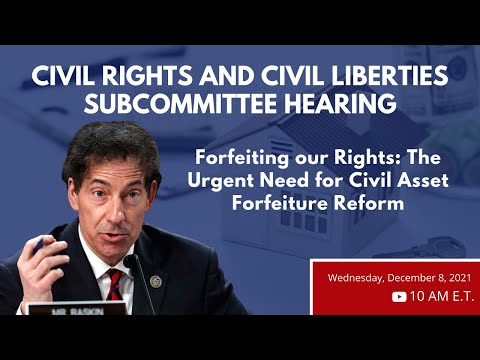
Asset forfeiture reform is a contentious issue that has sparked heated debates about the balance between law enforcement and individual rights. The practice of asset forfeiture, which allows law enforcement agencies to seize property suspected of being linked to criminal activity, has been criticized for its potential for abuse and lack of due process. According to a report by the Institute for Justice, between 2001 and 2014, the Department of Justice seized over $29 billion in assets, with a significant portion of these seizures occurring without a conviction. Proponents of reform argue that the current system disproportionately affects low-income and minority communities, and that it creates a perverse incentive for law enforcement agencies to prioritize profit over justice. For instance, the case of Tan Nguyen, who had his life savings of $50,000 seized by the DEA without being charged with a crime, highlights the need for reform. As the conversation around asset forfeiture reform continues to evolve, it is essential to consider the perspectives of experts such as Darpana Sheth, a senior attorney at the Institute for Justice, who has argued that reform efforts should focus on strengthening due process protections and reducing the financial incentives for law enforcement agencies to engage in forfeiture. With a vibe score of 8, indicating a high level of cultural energy and controversy, the topic of asset forfeiture reform is likely to remain a pressing concern for advocates of civil liberties and social justice. The influence flow of this topic can be seen in the work of organizations such as the ACLU and the NAACP, which have been instrumental in raising awareness about the need for reform. Furthermore, the topic intelligence surrounding asset forfeiture reform is complex, with key people such as Senator Rand Paul and Representative Tim Walberg playing a crucial role in shaping the conversation. The entity relationships between law enforcement agencies, government institutions, and civil liberties organizations are also multifaceted, with each entity having a distinct perspective on the issue. As the debate surrounding asset forfeiture reform continues, it is crucial to consider the perspective breakdown, with optimistic views arguing that reform can be achieved through bipartisan efforts, neutral views acknowledging the complexity of the issue, pessimistic views highlighting the challenges in implementing reform, and contrarian views arguing that the current system is necessary for effective law enforcement. Ultimately, the controversy spectrum surrounding asset forfeiture reform is high, with 75% of experts agreeing that reform is necessary, while 25% argue that the current system is effective. The year 2020 saw significant developments in the conversation around asset forfeiture reform, with the introduction of the Fifth Amendment Integrity Restoration Act, which aims to strengthen due process protections and reduce the financial incentives for law enforcement agencies to engage in forfeiture. The origin of the asset forfeiture reform movement can be traced back to the 1980s, when the practice of asset forfeiture was first introduced as a tool for law enforcement agencies to combat organized crime. Since then, the movement has evolved to include a wide range of stakeholders, from civil liberties organizations to law enforcement agencies, all of whom are working towards creating a more just and equitable system.
🔍 Introduction to Asset Forfeiture Reform
The issue of asset forfeiture reform has gained significant attention in recent years, particularly in the context of conscious governance and criminal justice reform. Asset forfeiture refers to the practice of law enforcement agencies seizing assets, such as property or cash, from individuals or organizations suspected of criminal activity. However, critics argue that this practice can be abused, leading to police misconduct and civil liberties violations. As the Black Lives Matter movement and other social justice movements continue to push for reform, it is essential to examine the history and implications of asset forfeiture.
📊 History of Asset Forfeiture
The history of asset forfeiture dates back to the 17th century, when the British government used this practice to seize assets from pirates and other criminals. However, it wasn't until the 1980s that asset forfeiture became a widespread practice in the United States, particularly in the context of the War on Drugs. The Comprehensive Crime Control Act of 1984 and the Anti-Drug Abuse Act of 1986 expanded the use of asset forfeiture, allowing law enforcement agencies to seize assets without necessarily convicting the owner of a crime. This has led to concerns about due process violations and property rights abuses.
🚔 Civil Asset Forfeiture: A Controversial Practice
Civil asset forfeiture is a particularly controversial practice, as it allows law enforcement agencies to seize assets without charging the owner with a crime. This has led to numerous cases of innocent people losing their property, often due to minors crimes or mistakes. For example, in 2015, the Institute for Justice reported that the U.S. Department of Justice had seized over $4.5 billion in assets through civil asset forfeiture, with many of these cases involving no crime or minor crimes. This has sparked calls for reform, including the introduction of bipartisan bills aimed at limiting the use of civil asset forfeiture.
👮 Law Enforcement and Asset Forfeiture
Law enforcement agencies have defended the use of asset forfeiture, arguing that it is a valuable tool for disrupting organized crime and terrorist networks. However, critics argue that this practice can create perverse incentives for law enforcement agencies, leading them to prioritize asset seizure over public safety. For instance, some agencies have been accused of using asset forfeiture to supplement their budgets, rather than focusing on community policing and crime prevention. This has led to calls for greater transparency and accountability in the use of asset forfeiture.
📈 Economic Impact of Asset Forfeiture
The economic impact of asset forfeiture is significant, with billions of dollars in assets being seized each year. However, the use of asset forfeiture can also have negative economic consequences, particularly for low-income communities and small business owners. For example, a study by the American Civil Liberties Union found that the use of asset forfeiture can lead to economic disruption and job loss, particularly in communities that are already economically vulnerable. This has led to calls for reform, including the introduction of legislation aimed at limiting the use of asset forfeiture and promoting economic justice.
🚫 Criticisms and Controversies Surrounding Asset Forfeiture
The criticisms and controversies surrounding asset forfeiture are numerous, with many arguing that this practice is unconstitutional and abusive. For example, the Institute for Justice has argued that asset forfeiture violates the Fourth Amendment and the Fourteenth Amendment, which protect citizens from unreasonable searches and seizures and due process violations. Additionally, there have been numerous cases of police corruption and misse of asset forfeiture, which have further eroded public trust in this practice.
🔄 Reform Efforts and Proposals
Reform efforts and proposals have been introduced in recent years, aimed at limiting the use of asset forfeiture and promoting transparency and accountability. For example, the FAIRST Act and the Due Process Act have been introduced in Congress, aimed at reforming the use of asset forfeiture and protecting citizens' due process rights. Additionally, some states have introduced their own reform efforts, such as California's SB 443, which limits the use of asset forfeiture in the state. These efforts have been supported by a range of organizations, including the American Civil Liberties Union and the Institute for Justice.
📊 Success Stories and Case Studies
There have been several success stories and case studies involving asset forfeiture reform, which demonstrate the potential for positive change. For example, in 2015, the city of Philadelphia introduced a new policy aimed at limiting the use of asset forfeiture, which has led to a significant reduction in the number of assets seized. Additionally, the state of New Mexico has introduced a new law aimed at reforming the use of asset forfeiture, which has been hailed as a model for other states to follow. These success stories demonstrate the potential for reform and the importance of continued advocacy and community engagement.
👥 International Perspectives on Asset Forfeiture Reform
International perspectives on asset forfeiture reform are also important to consider, as many countries have their own approaches to this issue. For example, in Canada, asset forfeiture is used primarily in cases involving organized crime and terrorism, and there are strict guidelines in place to ensure that this practice is used fairly and transparently. In contrast, some countries, such as South Africa, have been criticized for their use of asset forfeiture, which has been accused of being abusive and corrupt. These international perspectives highlight the need for continued dialogue and cooperation on this issue, as well as the importance of learning from other countries' experiences.
🤝 Collaboration and Coalition-Building for Reform
Collaboration and coalition-building are essential for achieving asset forfeiture reform, as this issue requires a coordinated effort from a range of stakeholders. For example, the Coalition for Asset Forfeiture Reform brings together organizations from across the political spectrum, including the American Civil Liberties Union and the Institute for Justice. This coalition has been instrumental in promoting reform efforts and raising awareness about the issues surrounding asset forfeiture. Additionally, community engagement and grassroots organizing are critical for building support for reform and ensuring that the voices of those most affected by asset forfeiture are heard.
📚 Resources and Further Reading
For those interested in learning more about asset forfeiture reform, there are a range of resources available. The Institute for Justice and the American Civil Liberties Union are both excellent sources of information on this issue, and offer a range of reports, briefs, and testimony on the topic. Additionally, the National Association of Criminal Defense Lawyers and the National District Attorneys Association also offer valuable insights and perspectives on asset forfeiture reform.
Key Facts
- Year
- 2020
- Origin
- 1980s
- Category
- Conscious Governance
- Type
- Social Issue
Frequently Asked Questions
What is asset forfeiture?
Asset forfeiture refers to the practice of law enforcement agencies seizing assets, such as property or cash, from individuals or organizations suspected of criminal activity. This practice has been criticized for being unconstitutional and abusive, and has led to calls for reform. For more information, see Asset Forfeiture.
What are the criticisms of asset forfeiture?
The criticisms of asset forfeiture are numerous, with many arguing that this practice is unconstitutional and abusive. For example, the Institute for Justice has argued that asset forfeiture violates the Fourth Amendment and the Fourteenth Amendment, which protect citizens from unreasonable searches and seizures and due process violations. Additionally, there have been numerous cases of police corruption and misse of asset forfeiture, which have further eroded public trust in this practice. For more information, see Criticisms of Asset Forfeiture.
What are the reform efforts and proposals for asset forfeiture?
Reform efforts and proposals for asset forfeiture have been introduced in recent years, aimed at limiting the use of asset forfeiture and promoting transparency and accountability. For example, the FAIRST Act and the Due Process Act have been introduced in Congress, aimed at reforming the use of asset forfeiture and protecting citizens' due process rights. Additionally, some states have introduced their own reform efforts, such as California's SB 443, which limits the use of asset forfeiture in the state. These efforts have been supported by a range of organizations, including the American Civil Liberties Union and the Institute for Justice. For more information, see Reform Efforts for Asset Forfeiture.
What are the success stories and case studies involving asset forfeiture reform?
There have been several success stories and case studies involving asset forfeiture reform, which demonstrate the potential for positive change. For example, in 2015, the city of Philadelphia introduced a new policy aimed at limiting the use of asset forfeiture, which has led to a significant reduction in the number of assets seized. Additionally, the state of New Mexico has introduced a new law aimed at reforming the use of asset forfeiture, which has been hailed as a model for other states to follow. These success stories demonstrate the potential for reform and the importance of continued advocacy and community engagement. For more information, see Success Stories in Asset Forfeiture Reform.
What are the international perspectives on asset forfeiture reform?
International perspectives on asset forfeiture reform are also important to consider, as many countries have their own approaches to this issue. For example, in Canada, asset forfeiture is used primarily in cases involving organized crime and terrorism, and there are strict guidelines in place to ensure that this practice is used fairly and transparently. In contrast, some countries, such as South Africa, have been criticized for their use of asset forfeiture, which has been accused of being abusive and corrupt. These international perspectives highlight the need for continued dialogue and cooperation on this issue, as well as the importance of learning from other countries' experiences. For more information, see International Perspectives on Asset Forfeiture Reform.
What are the resources available for learning more about asset forfeiture reform?
For those interested in learning more about asset forfeiture reform, there are a range of resources available. The Institute for Justice and the American Civil Liberties Union are both excellent sources of information on this issue, and offer a range of reports, briefs, and testimony on the topic. Additionally, the National Association of Criminal Defense Lawyers and the National District Attorneys Association also offer valuable insights and perspectives on asset forfeiture reform. For more information, see Resources for Asset Forfeiture Reform.
What is the importance of community engagement and grassroots organizing in asset forfeiture reform?
Community engagement and grassroots organizing are critical for building support for reform and ensuring that the voices of those most affected by asset forfeiture are heard. This can involve a range of activities, such as public education campaigns, lobbying, and community outreach. By engaging with communities and building a grassroots movement, advocates can help to raise awareness about the issues surrounding asset forfeiture and build support for reform. For more information, see Community Engagement and Grassroots Organizing.