
Contents
- 🌟 Introduction to Bioluminescence
- 🔬 The Science of Bioluminescence
- 🌿 Bioluminescent Organisms
- 🐳 Marine Bioluminescence
- 🐜 Terrestrial Bioluminescence
- 🔭 Bioluminescence in Fungi
- 🧬 Microorganisms and Bioluminescence
- 🌈 Evolution of Bioluminescence
- 🔍 Bioluminescence in Research
- 👥 Applications of Bioluminescence
- 🚀 Future of Bioluminescence
- Frequently Asked Questions
- Related Topics
Overview
Bioluminescence is a fascinating phenomenon that has captivated humans for centuries. It is the production of light by an organism as the result of a chemiluminescence reaction, and it occurs in a wide variety of organisms, including marine vertebrates and invertebrates, terrestrial arthropods such as fireflies, some fungi, and microorganisms such as some bacteria and dinoflagellates. Bioluminescence has evolved independently at least 94 times, first emerging in octocorals some 540 million years ago. The study of bioluminescence is an active area of research, with scientists seeking to understand the mechanisms and functions of this phenomenon. Biological research has led to a greater understanding of the complex interactions between organisms and their environments. Ecology plays a crucial role in understanding the role of bioluminescence in ecosystems.
🔬 The Science of Bioluminescence
The science of bioluminescence is complex and involves a series of chemical reactions that result in the production of light. These reactions involve a molecule called luciferin and an enzyme called luciferase, which react to produce light. The light is then emitted by the organism, and it can be used for a variety of purposes, including communication, mate attraction, and predator avoidance. Biochemistry has helped us understand the chemical reactions involved in bioluminescence. molecular biology has also played a key role in understanding the genetic basis of bioluminescence. Genetics has helped us understand how bioluminescence is inherited and how it evolves over time.
🌿 Bioluminescent Organisms
Bioluminescent organisms can be found in a wide range of environments, from the deep sea to the forest floor. Some of the most well-known bioluminescent organisms include fireflies, glowworms, and squid. These organisms use bioluminescence for a variety of purposes, including communication, mate attraction, and predator avoidance. Entomology has helped us understand the behavior and ecology of bioluminescent insects. Marine biology has helped us understand the behavior and ecology of bioluminescent marine organisms. Ecology has helped us understand the role of bioluminescence in ecosystems.
🐳 Marine Bioluminescence
Marine bioluminescence is a fascinating phenomenon that can be observed in a wide range of marine organisms, including dinoflagellates, copepods, and squid. These organisms use bioluminescence for a variety of purposes, including communication, mate attraction, and predator avoidance. Oceanography has helped us understand the distribution and abundance of bioluminescent marine organisms. Marine ecology has helped us understand the role of bioluminescence in marine ecosystems. Conservation biology has helped us understand the impact of human activities on bioluminescent marine organisms.
🐜 Terrestrial Bioluminescence
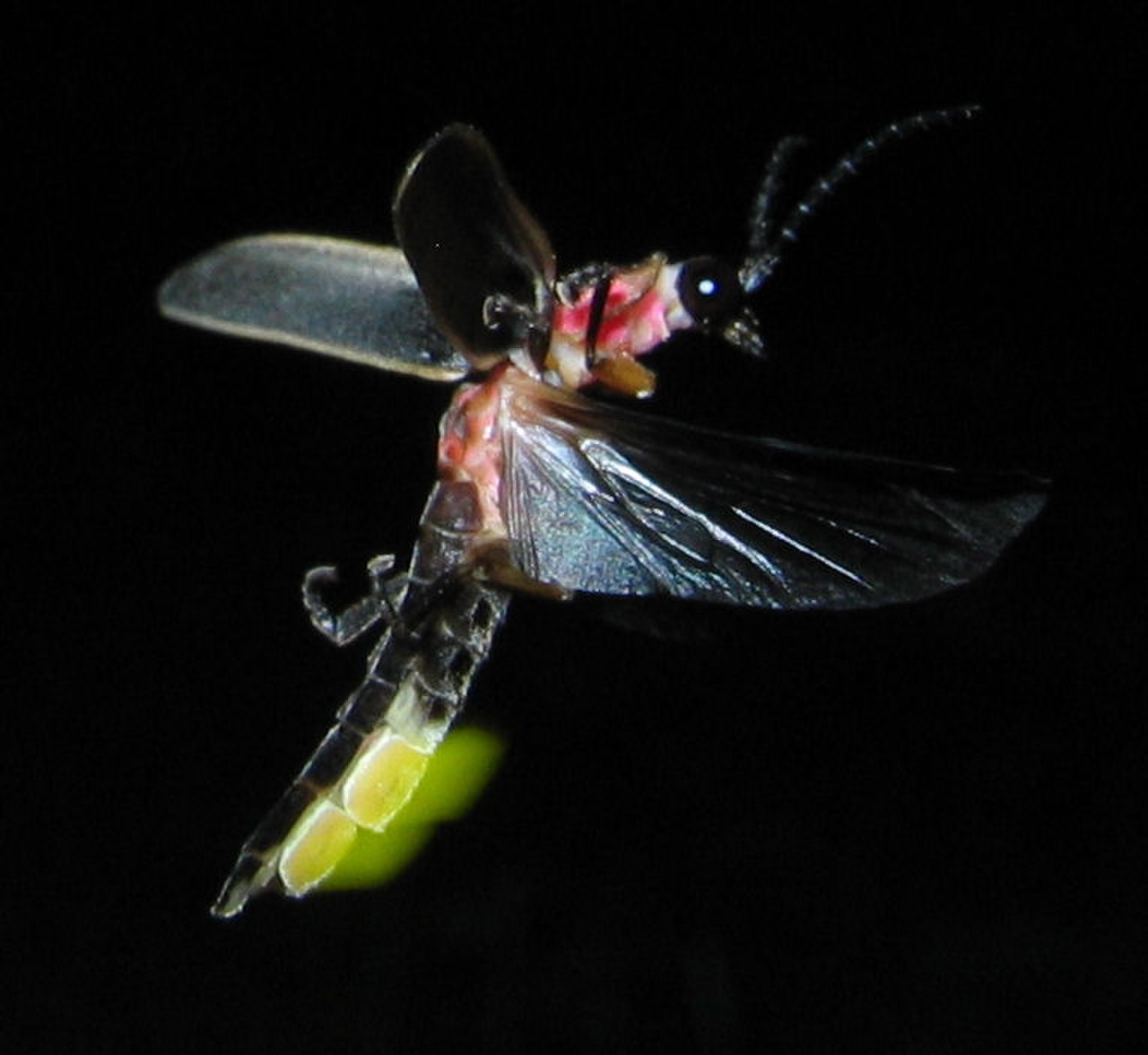
Terrestrial bioluminescence is less well-known than marine bioluminescence, but it is still a fascinating phenomenon that can be observed in a wide range of terrestrial organisms, including fireflies, glowworms, and fungi. These organisms use bioluminescence for a variety of purposes, including communication, mate attraction, and predator avoidance. Entomology has helped us understand the behavior and ecology of bioluminescent insects. Mycolology has helped us understand the behavior and ecology of bioluminescent fungi. Ecology has helped us understand the role of bioluminescence in terrestrial ecosystems.
🔭 Bioluminescence in Fungi
Bioluminescence in fungi is a fascinating phenomenon that can be observed in a wide range of fungal species, including Armillaria mellea and Omphalotus nidiformis. These fungi use bioluminescence for a variety of purposes, including communication, mate attraction, and predator avoidance. Mycolology has helped us understand the behavior and ecology of bioluminescent fungi. Fungal ecology has helped us understand the role of bioluminescence in fungal ecosystems. Biological research has led to a greater understanding of the complex interactions between fungi and their environments.
🧬 Microorganisms and Bioluminescence
Microorganisms such as bacteria and dinoflagellates are also capable of producing bioluminescence. These microorganisms use bioluminescence for a variety of purposes, including communication, mate attraction, and predator avoidance. Microbiology has helped us understand the behavior and ecology of bioluminescent microorganisms. Ecology has helped us understand the role of bioluminescence in microbial ecosystems. Biological research has led to a greater understanding of the complex interactions between microorganisms and their environments.
🌈 Evolution of Bioluminescence
The evolution of bioluminescence is a complex and fascinating topic that has been studied by scientists for many years. Bioluminescence has evolved independently at least 94 times, first emerging in octocorals some 540 million years ago. Evolutionary biology has helped us understand the mechanisms and processes that have led to the evolution of bioluminescence. Phylogeny has helped us understand the relationships between different bioluminescent organisms. Biological research has led to a greater understanding of the complex interactions between organisms and their environments.
🔍 Bioluminescence in Research
Bioluminescence has a wide range of applications in research, including biological research, medical research, and environmental monitoring. Bioluminescent organisms can be used as indicators of environmental health, and bioluminescent molecules can be used as tools for understanding biological processes. Biotechnology has helped us develop new technologies and products based on bioluminescence. Biomedical research has helped us understand the potential medical applications of bioluminescence. Ecology has helped us understand the role of bioluminescence in ecosystems.
👥 Applications of Bioluminescence
The applications of bioluminescence are diverse and widespread, ranging from biological research to medical research and environmental monitoring. Bioluminescent organisms can be used as indicators of environmental health, and bioluminescent molecules can be used as tools for understanding biological processes. Biotechnology has helped us develop new technologies and products based on bioluminescence. Biomedical research has helped us understand the potential medical applications of bioluminescence. Ecology has helped us understand the role of bioluminescence in ecosystems.
🚀 Future of Bioluminescence
The future of bioluminescence is exciting and full of possibilities. As scientists continue to study bioluminescence and its many applications, we can expect to see new technologies and products emerge. Biotechnology will play a key role in the development of new bioluminescent technologies. Biomedical research will help us understand the potential medical applications of bioluminescence. Ecology will help us understand the role of bioluminescence in ecosystems. Conservation biology will help us understand the impact of human activities on bioluminescent organisms.
Key Facts
- Year
- 1962
- Origin
- Discovery of GFP by Osamu Shimomura
- Category
- Biology
- Type
- Biological Phenomenon
Frequently Asked Questions
What is bioluminescence?
Bioluminescence is the production of light by an organism as the result of a chemiluminescence reaction. It occurs in a wide variety of organisms, including marine vertebrates and invertebrates, terrestrial arthropods such as fireflies, some fungi, and microorganisms such as some bacteria and dinoflagellates. Bioluminescence has evolved independently at least 94 times, first emerging in octocorals some 540 million years ago. Biological research has led to a greater understanding of the complex interactions between organisms and their environments. Ecology plays a crucial role in understanding the role of bioluminescence in ecosystems.
What are some examples of bioluminescent organisms?
Some examples of bioluminescent organisms include fireflies, glowworms, squid, dinoflagellates, and fungi. These organisms use bioluminescence for a variety of purposes, including communication, mate attraction, and predator avoidance. Entomology has helped us understand the behavior and ecology of bioluminescent insects. Marine biology has helped us understand the behavior and ecology of bioluminescent marine organisms.
What are some applications of bioluminescence?
Bioluminescence has a wide range of applications in research, including biological research, medical research, and environmental monitoring. Bioluminescent organisms can be used as indicators of environmental health, and bioluminescent molecules can be used as tools for understanding biological processes. Biotechnology has helped us develop new technologies and products based on bioluminescence. Biomedical research has helped us understand the potential medical applications of bioluminescence.
How does bioluminescence work?
Bioluminescence involves a series of chemical reactions that result in the production of light. These reactions involve a molecule called luciferin and an enzyme called luciferase, which react to produce light. The light is then emitted by the organism, and it can be used for a variety of purposes, including communication, mate attraction, and predator avoidance. Biochemistry has helped us understand the chemical reactions involved in bioluminescence. molecular biology has also played a key role in understanding the genetic basis of bioluminescence.
What is the future of bioluminescence?
The future of bioluminescence is exciting and full of possibilities. As scientists continue to study bioluminescence and its many applications, we can expect to see new technologies and products emerge. Biotechnology will play a key role in the development of new bioluminescent technologies. Biomedical research will help us understand the potential medical applications of bioluminescence. Ecology will help us understand the role of bioluminescence in ecosystems. Conservation biology will help us understand the impact of human activities on bioluminescent organisms.
What are some potential risks associated with bioluminescence?
Some potential risks associated with bioluminescence include the impact of human activities on bioluminescent organisms and ecosystems. Conservation biology has helped us understand the impact of human activities on bioluminescent organisms. Ecology has helped us understand the role of bioluminescence in ecosystems. Biological research has led to a greater understanding of the complex interactions between organisms and their environments.
How can bioluminescence be used in environmental monitoring?
Bioluminescent organisms can be used as indicators of environmental health, and bioluminescent molecules can be used as tools for understanding biological processes. Environmental monitoring has helped us understand the impact of human activities on bioluminescent organisms and ecosystems. Ecology has helped us understand the role of bioluminescence in ecosystems. Biological research has led to a greater understanding of the complex interactions between organisms and their environments.