
Contents
- 🌊 Introduction to Marine Ecology
- 🌴 Marine Ecosystems: A Diverse Range
- 🐳 The Oceanic Zone: Open Ocean Ecosystems
- 🐚 The Benthic Zone: Life on the Seafloor
- 🌊 The Intertidal Zone: A Dynamic Environment
- 🏞️ Near-Shore Zones: Coastal Ecosystems
- 🌴 Coral Reefs: Biodiverse Ecosystems
- 🌊 Deep-Sea Ecosystems: Hydrothermal Vents
- 📊 The Importance of Marine Ecology
- 🚨 Threats to Marine Ecosystems
- 🌟 Conservation Efforts: Protecting Marine Ecosystems
- 🔮 The Future of Marine Ecology
- Frequently Asked Questions
- Related Topics
Overview
Marine ecology, with a vibe score of 8, is a multifaceted field that encompasses the study of marine organisms and their interactions with the environment. The works of pioneers like Rachel Carson, who published 'The Sea Around Us' in 1951, have significantly influenced the field. However, the topic is not without controversy, with debates surrounding the impact of human activities such as overfishing and pollution on marine ecosystems. According to a report by the National Oceanic and Atmospheric Administration (NOAA), approximately 80% of marine pollution comes from land-based activities. The study of marine ecology has led to a greater understanding of the importance of preserving these ecosystems, with many organizations, such as the Ocean Conservancy, working to protect marine habitats. As we move forward, it is essential to consider the long-term effects of human actions on marine ecosystems and to develop sustainable practices to mitigate these impacts. With the help of researchers like Dr. Sylvia Earle, who has dedicated her career to marine conservation, we can work towards preserving the delicate balance of marine ecology for future generations.
🌊 Introduction to Marine Ecology
The delicate balance of marine ecology is a complex and fascinating topic. Marine ecosystems, which cover over 70% of the Earth's surface, are home to a vast array of plant and animal species. These ecosystems can be divided into different zones, including the oceanic zone, benthic zone, and intertidal zone. Each of these zones has its unique characteristics and supports a diverse range of life. For example, the oceanic zone is home to animals such as whales, sharks, and tuna, while the benthic zone is home to many invertebrates. The study of marine ecology is crucial for understanding the health of our planet and the impact of human activities on the environment. As we explore the different aspects of marine ecology, we will also examine the role of marine conservation and the importance of preserving these ecosystems for future generations.
🌴 Marine Ecosystems: A Diverse Range
Marine ecosystems are the largest of Earth's aquatic ecosystems and exist in waters that have a high salt content. These systems contrast with freshwater ecosystems, which have a lower salt content. Marine waters cover more than 70% of the surface of the Earth and account for more than 97% of Earth's water supply and 90% of habitable space on Earth. The average salinity of seawater is 35 parts per thousand of water, but actual salinity varies among different marine ecosystems. For example, the salinity of estuaries and mangroves can be lower due to the influx of freshwater from rivers and streams. Understanding the different types of marine ecosystems is essential for managing and conserving these ecosystems. This includes the study of ecosystem services and the impact of human activities on the environment.
🐳 The Oceanic Zone: Open Ocean Ecosystems
The oceanic zone is the vast open part of the ocean where animals such as whales, sharks, and tuna live. This zone is characterized by the absence of light, which limits the growth of phytoplankton and other primary producers. As a result, the oceanic zone is often referred to as a 'desert' due to its low productivity. However, this zone is also home to a diverse range of species, including seabirds and marine mammals. The oceanic zone is also an important component of the global carbon cycle, with many species playing a crucial role in the transport of carbon from the surface to the deep ocean. For example, phytoplankton are responsible for absorbing carbon dioxide from the atmosphere, while zooplankton and other marine animals help to transport carbon to the deep ocean through their biological pump mechanism.
🐚 The Benthic Zone: Life on the Seafloor
The benthic zone consists of substrates below water where many invertebrates live. This zone is characterized by the presence of a solid substrate, such as sand, mud, or rock, which provides a habitat for a diverse range of species. The benthic zone is often divided into different sub-zones, including the littoral zone and the abyssal zone. Each of these sub-zones has its unique characteristics and supports a distinct community of species. For example, the littoral zone is home to many species of corals and sponges, while the abyssal zone is characterized by the presence of deep-sea fish and invertebrates. The study of the benthic zone is essential for understanding the ecology of marine ecosystems and the impact of human activities on the environment. This includes the study of benthic ecology and the role of benthic organisms in the marine ecosystem.
🌊 The Intertidal Zone: A Dynamic Environment
The intertidal zone is the area between high and low tides. This zone is characterized by the presence of a dynamic environment, with species having to adapt to changing conditions such as temperature, salinity, and moisture. The intertidal zone is home to a diverse range of species, including mollusks, crustaceans, and algae. This zone is also an important component of the marine ecosystem, providing a habitat for many species of fish and invertebrates. The intertidal zone is also an important area for shorebird migration and breeding, with many species relying on this zone for food and shelter. For example, the salt marsh is an important habitat for many species of shorebirds and waterfowl. The study of the intertidal zone is essential for understanding the ecology of marine ecosystems and the impact of human activities on the environment.
🏞️ Near-Shore Zones: Coastal Ecosystems
Near-shore zones, also known as neritic zones, can include mudflats, seagrass meadows, mangroves, rocky intertidal systems, salt marshes, coral reefs, kelp forests, and lagoons. Each of these zones has its unique characteristics and supports a diverse range of species. For example, the mangrove is an important habitat for many species of fish and invertebrates, while the coral reef is home to a diverse range of species, including corals, fish, and invertebrates. The study of near-shore zones is essential for understanding the ecology of marine ecosystems and the impact of human activities on the environment. This includes the study of coastal ecology and the role of coastal organisms in the marine ecosystem.
🌴 Coral Reefs: Biodiverse Ecosystems
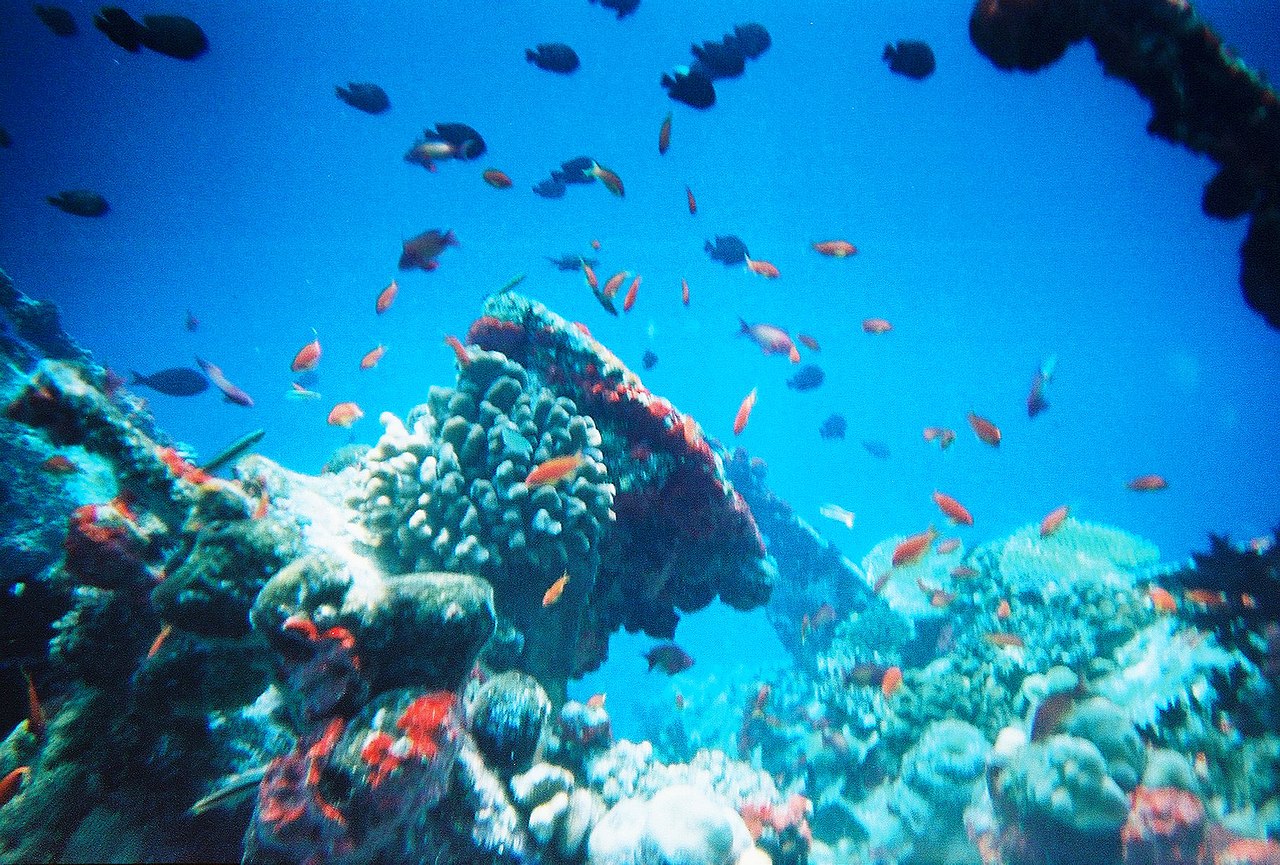
Coral reefs are some of the most biodiverse ecosystems on the planet, with many species of corals, fish, and invertebrates living among the coral structure. Coral reefs are formed by the growth of coral polyps, which secrete a hard, calcium carbonate exoskeleton. This structure provides a habitat for many species, including fish, sea turtles, and invertebrates. Coral reefs are also an important component of the marine ecosystem, providing shoreline protection, water filtration, and a source of food for many species. However, coral reefs are facing many threats, including climate change, pollution, and overfishing. For example, coral bleaching is a major threat to coral reefs, with many species of coral being sensitive to changes in water temperature and chemistry.
🌊 Deep-Sea Ecosystems: Hydrothermal Vents
Deep-sea ecosystems, such as hydrothermal vents, are unique and fascinating environments. Hydrothermal vents are characterized by the presence of hot water and minerals, which support a diverse range of species. These species, including giant tube worms and vent crabs, are able to survive in this extreme environment due to the presence of chemosynthetic sulfur bacteria. These bacteria are able to convert chemical energy into biological energy, providing a source of food for many species. The study of deep-sea ecosystems is essential for understanding the ecology of marine ecosystems and the impact of human activities on the environment. This includes the study of deep-sea ecology and the role of deep-sea organisms in the marine ecosystem.
📊 The Importance of Marine Ecology
The importance of marine ecology cannot be overstated. Marine ecosystems provide many benefits to humans, including food security, shoreline protection, and water filtration. Marine ecosystems are also an important component of the global carbon cycle, with many species playing a crucial role in the transport of carbon from the surface to the deep ocean. However, marine ecosystems are facing many threats, including climate change, pollution, and overfishing. For example, ocean acidification is a major threat to marine ecosystems, with many species of corals and shellfish being sensitive to changes in water chemistry. The study of marine ecology is essential for understanding the impact of human activities on the environment and for developing effective conservation strategies.
🚨 Threats to Marine Ecosystems
Threats to marine ecosystems are numerous and varied. Climate change is a major threat, with many species being sensitive to changes in water temperature and chemistry. Pollution is also a major threat, with many species being affected by the presence of pollutants such as plastics and chemicals. Overfishing is also a major threat, with many species being overfished and many ecosystems being degraded. For example, the cod fishery in the North Atlantic is a classic example of overfishing, with the population being severely depleted due to overfishing. The study of these threats is essential for understanding the impact of human activities on the environment and for developing effective conservation strategies. This includes the study of marine conservation and the role of marine protected areas in the conservation of marine ecosystems.
🌟 Conservation Efforts: Protecting Marine Ecosystems
Conservation efforts are essential for protecting marine ecosystems. This includes the establishment of marine protected areas, which provide a safe haven for many species. It also includes the implementation of sustainable fishing practices, which help to reduce the impact of fishing on marine ecosystems. Additionally, reducing pollution is essential for protecting marine ecosystems, with many species being affected by the presence of pollutants. For example, the Great Pacific Garbage Patch is a major threat to marine ecosystems, with many species being affected by the presence of plastics and other pollutants. The study of conservation efforts is essential for understanding the impact of human activities on the environment and for developing effective conservation strategies.
🔮 The Future of Marine Ecology
The future of marine ecology is uncertain, with many species and ecosystems facing numerous threats. However, there is also hope for the future, with many conservation efforts underway to protect marine ecosystems. For example, the establishment of marine protected areas is a major step forward in the conservation of marine ecosystems. Additionally, the implementation of sustainable fishing practices is essential for reducing the impact of fishing on marine ecosystems. The study of marine ecology is essential for understanding the impact of human activities on the environment and for developing effective conservation strategies. This includes the study of marine ecology and the role of marine ecologists in the conservation of marine ecosystems.
Key Facts
- Year
- 1951
- Origin
- The publication of 'The Sea Around Us' by Rachel Carson
- Category
- Environmental Science
- Type
- Scientific Field
Frequently Asked Questions
What is the average salinity of seawater?
The average salinity of seawater is 35 parts per thousand of water. However, actual salinity varies among different marine ecosystems. For example, the salinity of estuaries and mangroves can be lower due to the influx of freshwater from rivers and streams.
What is the importance of marine ecology?
Marine ecology is essential for understanding the impact of human activities on the environment and for developing effective conservation strategies. Marine ecosystems provide many benefits to humans, including food security, shoreline protection, and water filtration.
What are the main threats to marine ecosystems?
The main threats to marine ecosystems are climate change, pollution, and overfishing. Climate change is a major threat, with many species being sensitive to changes in water temperature and chemistry. Pollution is also a major threat, with many species being affected by the presence of pollutants such as plastics and chemicals.
What is the role of marine protected areas in conservation?
Marine protected areas play a crucial role in the conservation of marine ecosystems. They provide a safe haven for many species and help to reduce the impact of human activities on the environment. The establishment of marine protected areas is a major step forward in the conservation of marine ecosystems.
What is the future of marine ecology?
The future of marine ecology is uncertain, with many species and ecosystems facing numerous threats. However, there is also hope for the future, with many conservation efforts underway to protect marine ecosystems. The study of marine ecology is essential for understanding the impact of human activities on the environment and for developing effective conservation strategies.