
Contents
- 🌟 Introduction to Business Continuity
- 📈 Understanding Business Continuity Planning
- 🚨 The Importance of Risk Assessment
- 💡 Implementing Prevention and Recovery Systems
- 📊 Business Impact Analysis and Acceptable Levels
- 🌐 The Role of Disaster Recovery in Business Continuity
- 📈 Best Practices for Business Continuity Management
- 🤝 Collaboration and Communication in Business Continuity
- 📊 Metrics for Measuring Business Continuity Effectiveness
- 🔮 The Future of Business Continuity and Resilience
- 📚 Conclusion and Recommendations
- Frequently Asked Questions
- Related Topics
Overview
Business continuity refers to the processes and procedures that organizations put in place to ensure they can continue operating during and after a disruption, such as a natural disaster, cyber attack, or global pandemic. According to a study by the Business Continuity Institute, 71% of organizations have experienced at least one disruption in the past year, with the average cost of a disruption being $1.4 million. Companies like IBM and Microsoft have implemented robust business continuity plans, which include backup systems, emergency response protocols, and employee training programs. However, a survey by the Ponemon Institute found that 60% of small businesses do not have a business continuity plan in place, leaving them vulnerable to disruptions. As the threat landscape continues to evolve, business continuity is becoming an increasingly important aspect of organizational resilience. By 2025, the global business continuity management market is expected to reach $1.3 billion, with a growth rate of 12% per year.
🌟 Introduction to Business Continuity
Business continuity is a critical aspect of Business Operations that ensures an organization's ability to continue delivering products or services at pre-defined acceptable levels following a disruptive incident. As defined by Business Continuity Institute, business continuity is 'the capability of an organization to continue the delivery of products or services at pre-defined acceptable levels following a disruptive incident'. This concept is closely related to Disaster Recovery and Risk Management. Effective business continuity planning involves creating systems of prevention and recovery to deal with potential threats to a company, enabling ongoing operations before and during execution of disaster recovery. For instance, companies like IBM and Amazon have implemented robust business continuity plans to ensure minimal disruption to their operations.
📈 Understanding Business Continuity Planning
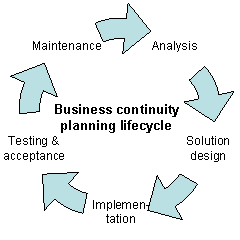
Business continuity planning is the process of creating systems of prevention and recovery to deal with potential threats to a company. This process involves Risk Assessment, Business Impact Analysis, and the development of strategies to mitigate risks and ensure continuity of operations. As noted by ISO 22301, business continuity planning is essential for organizations to ensure their resilience and ability to respond to disruptions. The goal of business continuity planning is to enable ongoing operations before and during execution of disaster recovery, ensuring that the organization can continue to deliver products or services at pre-defined acceptable levels. Companies like Google and Microsoft have invested heavily in business continuity planning to minimize the impact of disruptions on their operations.
🚨 The Importance of Risk Assessment
Risk assessment is a critical component of business continuity planning, as it helps organizations identify potential threats and develop strategies to mitigate them. As outlined in NIST Special Publication 800-34, risk assessment involves identifying, assessing, and prioritizing risks to an organization's operations. This process involves analyzing the likelihood and potential impact of various risks, such as Cybersecurity threats, Natural Disasters, and Supply Chain Disruptions. By conducting a thorough risk assessment, organizations can develop effective strategies to prevent or mitigate the impact of disruptions, ensuring the continuity of their operations. For example, companies like Cisco and Oracle have implemented robust risk assessment processes to identify and mitigate potential threats to their operations.
💡 Implementing Prevention and Recovery Systems
Implementing prevention and recovery systems is a critical aspect of business continuity planning. As noted by Disaster Recovery Journal, these systems involve the development of strategies and procedures to prevent or mitigate the impact of disruptions, as well as the development of plans to recover from disruptions. This may include the implementation of Backup and Recovery systems, Disaster Recovery as a Service, and Business Continuity Planning Software. By implementing these systems, organizations can ensure the continuity of their operations and minimize the impact of disruptions. Companies like Salesforce and SAP have implemented robust prevention and recovery systems to ensure the continuity of their operations.
📊 Business Impact Analysis and Acceptable Levels
Business impact analysis is a critical component of business continuity planning, as it helps organizations identify the potential impact of disruptions on their operations. As outlined in Business Continuity Planning Guidelines, business impact analysis involves assessing the potential impact of disruptions on an organization's operations, including the potential financial, operational, and reputational impacts. This process involves identifying the organization's critical functions and processes, as well as the resources required to support them. By conducting a thorough business impact analysis, organizations can develop effective strategies to mitigate the impact of disruptions and ensure the continuity of their operations. For instance, companies like Accenture and Deloitte have conducted business impact analyses to identify and mitigate potential risks to their operations.
🌐 The Role of Disaster Recovery in Business Continuity
Disaster recovery is a critical component of business continuity, as it involves the recovery of an organization's operations following a disruption. As noted by Disaster Recovery Institute, disaster recovery involves the restoration of an organization's systems, data, and infrastructure, as well as the recovery of its critical functions and processes. This process involves the implementation of Disaster Recovery Plans, which outline the procedures and protocols for recovering from disruptions. By implementing effective disaster recovery plans, organizations can minimize the impact of disruptions and ensure the continuity of their operations. Companies like HP and Dell have implemented robust disaster recovery plans to ensure the continuity of their operations.
📈 Best Practices for Business Continuity Management
Best practices for business continuity management involve the implementation of a comprehensive business continuity plan, which includes Risk Assessment, Business Impact Analysis, and the development of strategies to mitigate risks and ensure continuity of operations. As outlined in Business Continuity Management Best Practices, this plan should be regularly reviewed and updated to ensure that it remains effective and relevant. Additionally, organizations should conduct regular Business Continuity Exercises to test their plans and identify areas for improvement. By following these best practices, organizations can ensure the continuity of their operations and minimize the impact of disruptions. For example, companies like Ernst and Young and KPMG have implemented robust business continuity management practices to ensure the continuity of their operations.
🤝 Collaboration and Communication in Business Continuity
Collaboration and communication are critical components of business continuity, as they involve the coordination of efforts and resources to ensure the continuity of an organization's operations. As noted by Business Continuity Institute, collaboration and communication involve the development of relationships with stakeholders, including employees, customers, and suppliers, as well as the development of plans and procedures for communicating with these stakeholders during a disruption. By implementing effective collaboration and communication strategies, organizations can ensure that all stakeholders are informed and involved in the business continuity process, minimizing the impact of disruptions and ensuring the continuity of operations. Companies like Facebook and Twitter have implemented robust collaboration and communication strategies to ensure the continuity of their operations.
📊 Metrics for Measuring Business Continuity Effectiveness
Metrics for measuring business continuity effectiveness involve the tracking and analysis of key performance indicators, such as RTO and RPO. As outlined in Business Continuity Metrics, these metrics help organizations assess the effectiveness of their business continuity plans and identify areas for improvement. Additionally, organizations should conduct regular Business Continuity Reviews to assess the effectiveness of their plans and identify areas for improvement. By tracking and analyzing these metrics, organizations can ensure that their business continuity plans are effective and relevant, minimizing the impact of disruptions and ensuring the continuity of their operations. For instance, companies like AT&T and Verizon have implemented robust metrics to measure the effectiveness of their business continuity plans.
🔮 The Future of Business Continuity and Resilience
The future of business continuity and resilience involves the implementation of emerging technologies, such as Artificial Intelligence and Cloud Computing, to support business continuity planning and disaster recovery. As noted by Gartner, these technologies can help organizations improve their resilience and ability to respond to disruptions, minimizing the impact of disruptions and ensuring the continuity of operations. Additionally, organizations should prioritize Cybersecurity and Data Protection to prevent and mitigate the impact of cyber threats. By investing in these technologies and prioritizing cybersecurity and data protection, organizations can ensure the continuity of their operations and minimize the impact of disruptions. Companies like Microsoft and Google are already investing in these technologies to improve their business continuity and resilience.
📚 Conclusion and Recommendations
In conclusion, business continuity is a critical aspect of Business Operations that ensures an organization's ability to continue delivering products or services at pre-defined acceptable levels following a disruptive incident. As outlined in Business Continuity Planning Guidelines, organizations should implement a comprehensive business continuity plan, which includes Risk Assessment, Business Impact Analysis, and the development of strategies to mitigate risks and ensure continuity of operations. By following these guidelines and implementing effective business continuity plans, organizations can minimize the impact of disruptions and ensure the continuity of their operations. For example, companies like IBM and Amazon have implemented robust business continuity plans to ensure the continuity of their operations.
Key Facts
- Year
- 2022
- Origin
- The concept of business continuity originated in the 1970s, with the first business continuity plans being developed by large corporations in the United States and Europe.
- Category
- Business Operations
- Type
- Concept
Frequently Asked Questions
What is business continuity?
Business continuity is the capability of an organization to continue the delivery of products or services at pre-defined acceptable levels following a disruptive incident. It involves the implementation of systems of prevention and recovery to deal with potential threats to a company, enabling ongoing operations before and during execution of disaster recovery. As noted by Business Continuity Institute, business continuity is essential for organizations to ensure their resilience and ability to respond to disruptions. Companies like IBM and Amazon have implemented robust business continuity plans to ensure minimal disruption to their operations.
Why is business continuity planning important?
Business continuity planning is important because it helps organizations prepare for and respond to disruptions, minimizing the impact on their operations and ensuring the continuity of their products or services. As outlined in Business Continuity Planning Guidelines, business continuity planning involves the development of strategies and procedures to prevent or mitigate the impact of disruptions, as well as the development of plans to recover from disruptions. By implementing effective business continuity plans, organizations can ensure the continuity of their operations and minimize the impact of disruptions. For example, companies like Google and Microsoft have invested heavily in business continuity planning to minimize the impact of disruptions on their operations.
What are the key components of business continuity planning?
The key components of business continuity planning include Risk Assessment, Business Impact Analysis, and the development of strategies to mitigate risks and ensure continuity of operations. As noted by ISO 22301, business continuity planning is essential for organizations to ensure their resilience and ability to respond to disruptions. Additionally, organizations should conduct regular Business Continuity Exercises to test their plans and identify areas for improvement. By following these guidelines and implementing effective business continuity plans, organizations can minimize the impact of disruptions and ensure the continuity of their operations. Companies like Ernst and Young and KPMG have implemented robust business continuity management practices to ensure the continuity of their operations.
How can organizations measure the effectiveness of their business continuity plans?
Organizations can measure the effectiveness of their business continuity plans by tracking and analyzing key performance indicators, such as RTO and RPO. As outlined in Business Continuity Metrics, these metrics help organizations assess the effectiveness of their business continuity plans and identify areas for improvement. Additionally, organizations should conduct regular Business Continuity Reviews to assess the effectiveness of their plans and identify areas for improvement. By tracking and analyzing these metrics, organizations can ensure that their business continuity plans are effective and relevant, minimizing the impact of disruptions and ensuring the continuity of their operations. For instance, companies like AT&T and Verizon have implemented robust metrics to measure the effectiveness of their business continuity plans.
What is the role of disaster recovery in business continuity?
Disaster recovery is a critical component of business continuity, as it involves the recovery of an organization's operations following a disruption. As noted by Disaster Recovery Institute, disaster recovery involves the restoration of an organization's systems, data, and infrastructure, as well as the recovery of its critical functions and processes. By implementing effective disaster recovery plans, organizations can minimize the impact of disruptions and ensure the continuity of their operations. Companies like HP and Dell have implemented robust disaster recovery plans to ensure the continuity of their operations.
How can organizations ensure the continuity of their operations during a disruption?
Organizations can ensure the continuity of their operations during a disruption by implementing a comprehensive business continuity plan, which includes Risk Assessment, Business Impact Analysis, and the development of strategies to mitigate risks and ensure continuity of operations. As outlined in Business Continuity Planning Guidelines, organizations should also conduct regular Business Continuity Exercises to test their plans and identify areas for improvement. By following these guidelines and implementing effective business continuity plans, organizations can minimize the impact of disruptions and ensure the continuity of their operations. For example, companies like IBM and Amazon have implemented robust business continuity plans to ensure minimal disruption to their operations.
What are the benefits of business continuity planning?
The benefits of business continuity planning include minimizing the impact of disruptions, ensuring the continuity of operations, and reducing the risk of financial losses. As noted by Business Continuity Institute, business continuity planning is essential for organizations to ensure their resilience and ability to respond to disruptions. By implementing effective business continuity plans, organizations can ensure the continuity of their operations and minimize the impact of disruptions. Companies like Google and Microsoft have invested heavily in business continuity planning to minimize the impact of disruptions on their operations.