
Contents
- 🌿 Introduction to Cacao
- 🍫 History of Cacao
- 🌱 Cacao Tree and Cultivation
- 🍵 Cacao Processing and Production
- 👥 Cacao Trade and Economics
- 🌎 Cacao and the Environment
- 🍴 Cacao and Health
- 🤝 Cacao and Social Justice
- 📊 Cacao Market Trends
- 🌟 Cacao Innovation and Future
- 📚 Conclusion and Further Reading
- Frequently Asked Questions
- Related Topics
Overview
Cacao, the main ingredient in chocolate, has a rich and complex history spanning over 3,000 years, with its origins dating back to ancient Mesoamerica. The cacao tree, native to the Amazon rainforest, was considered a sacred plant by the Olmec and Mayan civilizations, who used its beans to create a bitter drink used in rituals and ceremonies. Today, cacao is a multibillion-dollar industry, with over 4 million metric tons of beans produced annually, primarily in West Africa. However, the industry is plagued by issues of deforestation, child labor, and low farmer incomes, sparking debates about sustainability and fair trade. As the demand for high-quality, sustainable chocolate continues to grow, companies like Tony's Chocolonely and Taza Chocolate are leading the charge in promoting fair trade practices and environmentally friendly production methods. With a vibe score of 8, cacao is a topic that resonates deeply with many, from chocolate enthusiasts to environmental activists, and its future will be shaped by the tensions between economic growth, social justice, and environmental sustainability.
🌿 Introduction to Cacao
Cacao, the main ingredient in Chocolate, has a rich and complex history that spans over 3,000 years. The Theobroma cacao tree, native to the Amazon Rainforest, was first domesticated by the Olmec Civilization in what is now Mexico. Today, cacao is grown in many countries around the world, with Côte d'Ivoire and Ghana being the largest producers. The International Cocoa Organization plays a crucial role in regulating the global cacao trade. As a Food and Agriculture commodity, cacao has a significant impact on the global economy and the environment.
🍫 History of Cacao
The history of cacao is a long and fascinating one, with evidence of cacao consumption dating back to the Mayans and Aztecs. The Spanish Conquest of the Aztec Empire in the 16th century led to the introduction of cacao to Europe, where it became a popular ingredient among the wealthy. The Industrial Revolution further increased the demand for cacao, leading to the establishment of large-scale cacao plantations in West Africa. Today, cacao is an important crop for many small-scale farmers, who rely on Fairtrade and Organic Farming practices to ensure a sustainable income. The Cocoa Industry is also exploring new technologies, such as Vertical Farming, to improve efficiency and reduce environmental impact.
🌱 Cacao Tree and Cultivation
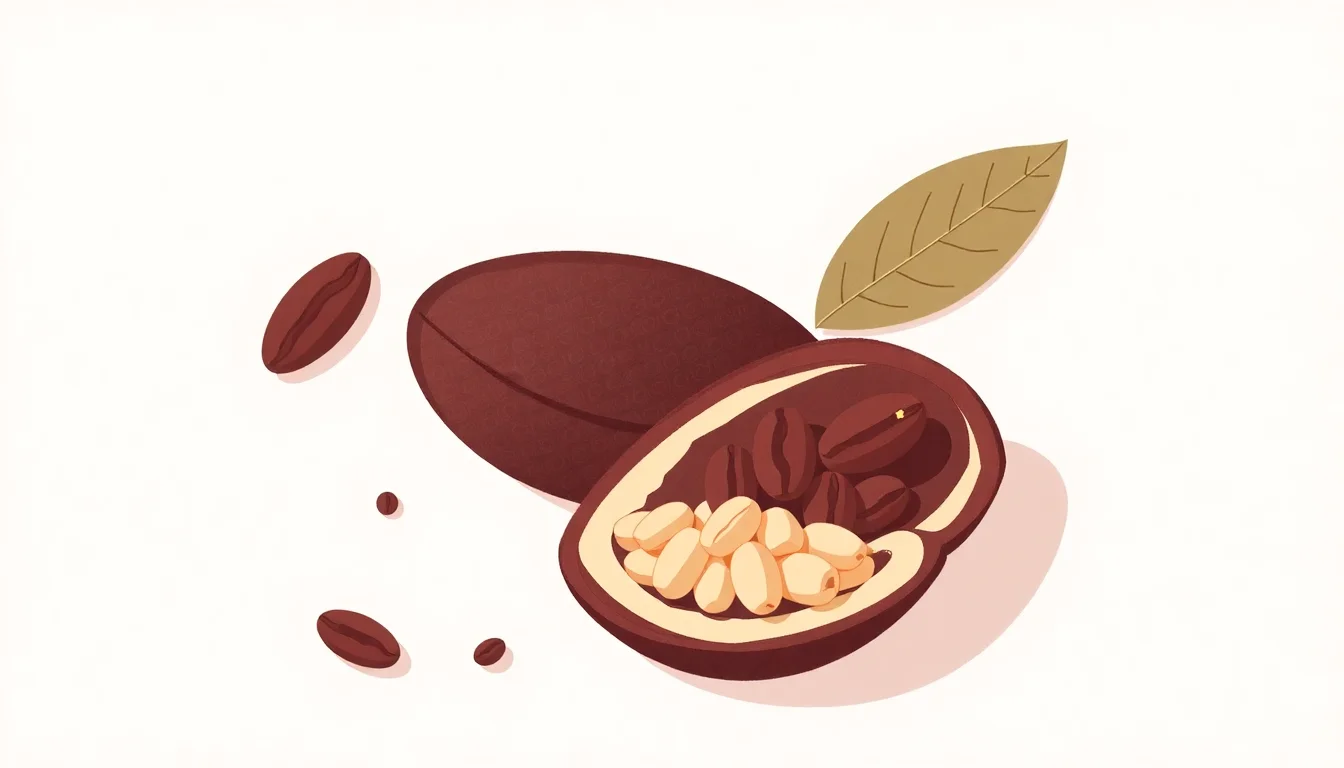
The cacao tree is a delicate and sensitive plant that requires specific conditions to thrive. Cacao trees are typically grown in Tropical Regions with high temperatures and high humidity. The trees are Pollination-dependent, and the Cacao Pod is harvested when it is ripe and contains 20-40 Cacao Beans. The Cacao Butter and Cacao Solids are then extracted from the beans through a process of Fermentation and Roasting. The Cocoa Butter Pressing process is also crucial in determining the quality of the final product. Companies like Mondelez International and Nestle are working to improve the sustainability of their cacao sourcing practices.
🍵 Cacao Processing and Production
Cacao processing and production involve several steps, from Harvesting to Grinding. The quality of the cacao beans is crucial in determining the flavor and texture of the final product. The Cocoa Grinding process involves the use of Stone Grinders or Ball Mills to grind the cacao beans into a fine paste. The Conching process, which involves agitating and aerating the chocolate mixture, is also important in developing the flavor and texture of the chocolate. Companies like Lindt and Ghirardelli are known for their high-quality chocolate products, which are made using traditional techniques and high-quality cacao beans.
👥 Cacao Trade and Economics
The cacao trade is a complex and often controversial industry, with many players involved in the production, processing, and distribution of cacao. The Cocoa Price is determined by the New York Board of Trade and the London International Financial Futures and Options Exchange. The Cocoa Futures market is also an important factor in determining the price of cacao. The World Bank and the International Monetary Fund have also played a role in shaping the cacao trade, particularly in West Africa. The Fairtrade Movement has also had a significant impact on the cacao industry, promoting fair prices and better working conditions for small-scale farmers.
🌎 Cacao and the Environment
Cacao production has a significant impact on the environment, particularly in terms of Deforestation and Water Pollution. The Cocoa Industry has been criticized for its role in contributing to Climate Change and Biodiversity Loss. However, many companies and organizations are working to promote Sustainable Agriculture practices and reduce the environmental impact of cacao production. The Rainforest Alliance and the World Wildlife Fund are two organizations that are working to promote sustainable cacao production and protect the environment. The United Nations has also launched initiatives to promote sustainable agriculture and reduce poverty among small-scale farmers.
🍴 Cacao and Health
Cacao has been shown to have several health benefits, including reducing Inflammation and improving Heart Health. The Flavonoids present in cacao have been shown to have Antioxidant properties, which can help to protect against Cell Damage and reduce the risk of certain diseases. However, cacao can also have negative health effects, particularly when consumed in excess. The World Health Organization recommends moderate consumption of cacao and chocolate products. The American Heart Association also provides guidance on healthy eating habits, including the consumption of cacao and chocolate.
📊 Cacao Market Trends
The cacao market is a complex and dynamic industry, with many trends and factors influencing the market. The Cocoa Price is a key factor in determining the profitability of cacao production and trade. The Sustainable Agriculture movement is also having an impact on the cacao market, with many consumers seeking out sustainable and environmentally-friendly cacao products. The E-commerce platform is also changing the way cacao is traded and consumed, with many online retailers offering a wide range of cacao and chocolate products. Companies like Amazon and Alibaba are also playing a significant role in shaping the cacao market.
🌟 Cacao Innovation and Future
The cacao industry is constantly evolving, with new technologies and innovations emerging all the time. The Vertical Farming movement is one example of how cacao production is being transformed, with many companies investing in indoor cacao production. The Genetic Engineering of cacao trees is also being explored, with the potential to improve yields and disease resistance. The Cocoa Industry is also exploring new products and applications for cacao, such as Cacao Husk Tea and Cacao Butter for cosmetics. The Food Tech industry is also playing a significant role in shaping the future of cacao production and consumption.
📚 Conclusion and Further Reading
In conclusion, cacao is a complex and multifaceted crop that has a rich history and a significant impact on the environment and human health. As the demand for cacao continues to grow, it is essential that the industry prioritizes sustainability, fairness, and transparency. For further reading, see Cacao History, Cocoa Industry, and Sustainable Agriculture. The Cacao Pod is also a fascinating topic, with many uses and applications beyond chocolate production.
Key Facts
- Year
- 1500
- Origin
- Mesoamerica
- Category
- Food and Agriculture
- Type
- Commodity
Frequently Asked Questions
What is cacao?
Cacao is the main ingredient in chocolate, derived from the seeds of the cacao tree. It has a rich history and cultural significance, and is an important crop for many small-scale farmers. The Cacao Tree is native to the Amazon Rainforest and is now grown in many countries around the world. For more information, see Cacao.
Where is cacao grown?
Cacao is grown in many countries around the world, with Côte d'Ivoire and Ghana being the largest producers. The Cacao Industry is a significant contributor to the economies of these countries. Other major cacao-producing countries include Indonesia, Brazil, and Ecuador. For more information, see Cacao Production.
What are the health benefits of cacao?
Cacao has been shown to have several health benefits, including reducing Inflammation and improving Heart Health. The Flavonoids present in cacao have been shown to have Antioxidant properties, which can help to protect against Cell Damage and reduce the risk of certain diseases. However, cacao can also have negative health effects, particularly when consumed in excess. For more information, see Cacao Health Benefits.
What is the environmental impact of cacao production?
Cacao production has a significant impact on the environment, particularly in terms of Deforestation and Water Pollution. The Cocoa Industry has been criticized for its role in contributing to Climate Change and Biodiversity Loss. However, many companies and organizations are working to promote Sustainable Agriculture practices and reduce the environmental impact of cacao production. For more information, see Cacao Environmental Impact.
What is the future of the cacao industry?
The cacao industry is constantly evolving, with new technologies and innovations emerging all the time. The Vertical Farming movement is one example of how cacao production is being transformed, with many companies investing in indoor cacao production. The Genetic Engineering of cacao trees is also being explored, with the potential to improve yields and disease resistance. For more information, see Cacao Industry Future.
How can I support sustainable cacao production?
There are many ways to support sustainable cacao production, including buying Fairtrade and Organic cacao products, supporting small-scale farmers, and promoting Sustainable Agriculture practices. The Rainforest Alliance and the World Wildlife Fund are two organizations that are working to promote sustainable cacao production and protect the environment. For more information, see Sustainable Cacao.
What is the difference between cacao and cocoa?
Cacao and cocoa are often used interchangeably, but they refer to different parts of the cacao tree. Cacao refers to the seeds of the cacao tree, while cocoa refers to the powder or butter derived from the seeds. The Cocoa Industry uses both terms to describe different products and processes. For more information, see Cacao vs Cocoa.