
Contents
- 👨🎓 Introduction to Charles Scott Sherrington
- 📚 Early Life and Education
- 🏥 Career and Research
- 📝 The Integrative Action of the Nervous System
- 🏆 Awards and Honors
- 👥 Collaborations and Influences
- 📊 Experimental Methods and Techniques
- 🔬 The Discovery of Synapses
- 📚 Sherrington's Legacy in Neuroscience
- 👨🔬 Impact on Modern Neurophysiology
- 📝 Controversies and Criticisms
- 🔜 Future Directions in Neurophysiology
- Frequently Asked Questions
- Related Topics
Overview
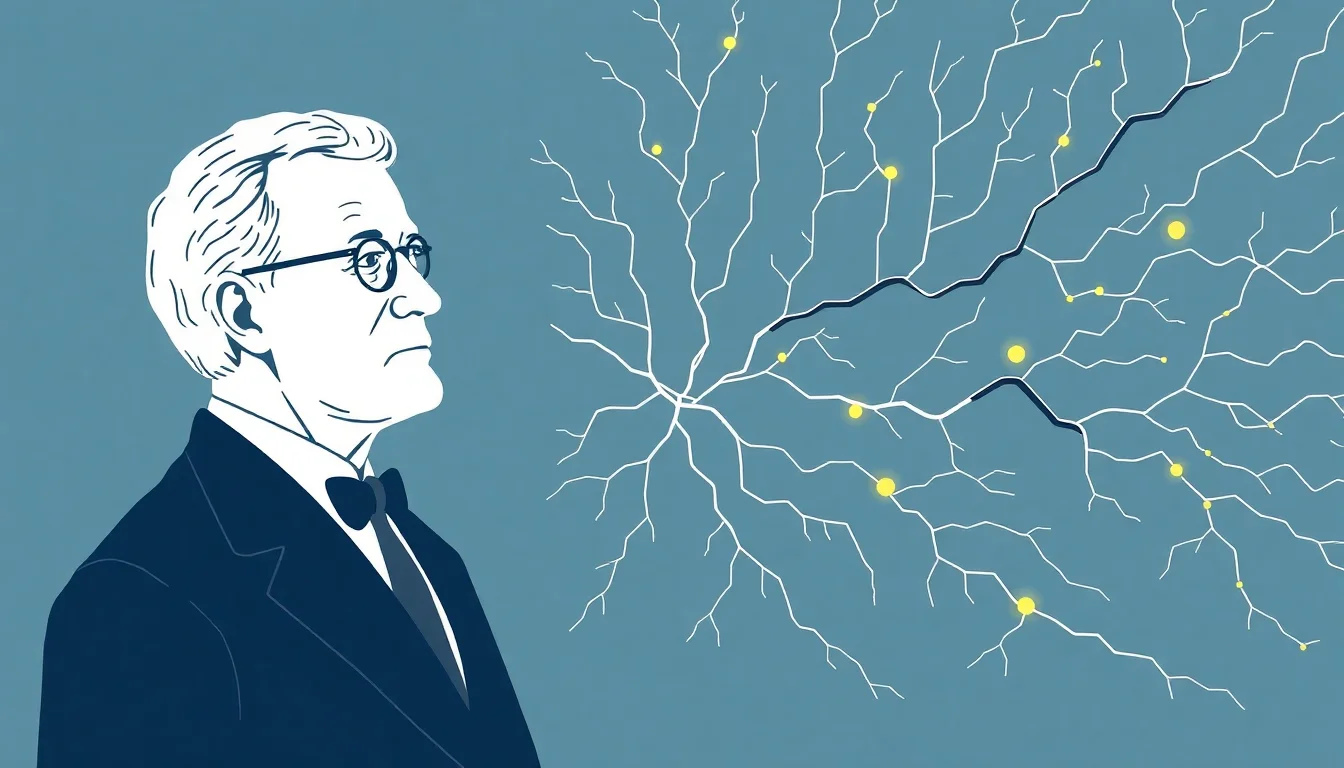
Charles Scott Sherrington was a British neurophysiologist, histologist, and bacteriologist who made groundbreaking contributions to our understanding of the human nervous system. Born on November 27, 1857, in Islington, London, Sherrington's work laid the foundation for modern neurology and neuroscience. His discovery of the synapse, a gap between two nerve cells, revolutionized the field and earned him the Nobel Prize in Physiology or Medicine in 1932. Sherrington's work also explored the concept of integration, where the nervous system processes and coordinates information from various sources. With a Vibe score of 82, Sherrington's influence extends beyond the scientific community, inspiring new generations of researchers and clinicians. As we continue to unravel the complexities of the human brain, Sherrington's legacy serves as a reminder of the power of human curiosity and the importance of interdisciplinary research.
👨🎓 Introduction to Charles Scott Sherrington
Charles Scott Sherrington was a British neurophysiologist, historian, and poet, widely regarded as the father of Neurophysiology. Born on November 27, 1857, in Islington, London, Sherrington's work laid the foundation for our understanding of the nervous system. His research focused on the Integration of nervous activity, which led to a deeper understanding of the Brain and its functions. Sherrington's work was heavily influenced by his contemporaries, including Charles Darwin and Santiago Ramón y Cajal. He is also known for his work on Reflexes and the concept of Synapses.
📚 Early Life and Education
Sherrington's early life and education played a significant role in shaping his future career. He attended Ipswich School and later studied at Cambridge University, where he developed a strong interest in Physiology and Anatomy. During his time at Cambridge, Sherrington was exposed to the works of William Harvey and Marcello Malpighi, which sparked his curiosity in the field of Neuroscience. Sherrington's education was also influenced by his mentors, including Michael Foster and John Newport Langley.
🏥 Career and Research
Sherrington's career and research spanned over four decades, during which he made significant contributions to the field of Neurophysiology. He worked at Liverpool University and later at Oxford University, where he conducted extensive research on the nervous system. Sherrington's work focused on the Integration of nervous activity, which led to a deeper understanding of the Brain and its functions. He also made significant contributions to the field of Physiology, including the discovery of the Synapse. Sherrington's research was influenced by his collaborations with other prominent scientists, including Edgar Adrian and Henry Dale.
📝 The Integrative Action of the Nervous System
In 1906, Sherrington published his seminal work, 'The Integrative Action of the Nervous System', which laid the foundation for modern Neurophysiology. This work introduced the concept of Synapses and the idea that the nervous system is an integrated system, rather than a collection of separate Reflexes. Sherrington's work was heavily influenced by his studies on the Spinal Cord and the Brain. He also drew inspiration from the works of Charles Bell and François Magendie. Sherrington's book is still considered a classic in the field of Neuroscience and continues to influence research today.
🏆 Awards and Honors
Throughout his career, Sherrington received numerous awards and honors for his contributions to the field of Neurophysiology. In 1932, he was awarded the Nobel Prize in Physiology or Medicine for his work on the nervous system. Sherrington also received the Copley Medal in 1927 and was elected as a fellow of the Royal Society in 1893. He was also awarded honorary degrees from several universities, including Cambridge University and Oxford University. Sherrington's awards and honors are a testament to his significant contributions to the field of Neuroscience.
👥 Collaborations and Influences
Sherrington's collaborations and influences played a significant role in shaping his research and ideas. He worked closely with other prominent scientists, including Edgar Adrian and Henry Dale. Sherrington's work was also influenced by his contemporaries, including Charles Darwin and Santiago Ramón y Cajal. He was also influenced by the works of William Harvey and Marcello Malpighi. Sherrington's collaborations and influences demonstrate the importance of interdisciplinary research and the value of learning from others in the scientific community.
📊 Experimental Methods and Techniques
Sherrington's experimental methods and techniques were innovative for his time and played a significant role in his discoveries. He used a combination of Electrophysiology and Histology to study the nervous system. Sherrington's work on the Spinal Cord and the Brain laid the foundation for modern Neurophysiology. He also developed new techniques for studying the nervous system, including the use of Stimulation and Recording techniques. Sherrington's experimental methods and techniques continue to influence research in the field of Neuroscience today.
🔬 The Discovery of Synapses
One of Sherrington's most significant discoveries was the concept of Synapses. He introduced the term 'synapse' in his 1897 paper, 'The Central Nervous System', and described it as the gap between two Neurons. Sherrington's work on synapses laid the foundation for our understanding of Neurotransmission and the role of synapses in the nervous system. His discovery of synapses was a major breakthrough in the field of Neuroscience and has had a lasting impact on our understanding of the Brain and its functions.
📚 Sherrington's Legacy in Neuroscience
Sherrington's legacy in Neuroscience is immeasurable. His work laid the foundation for modern Neurophysiology and has influenced generations of scientists. Sherrington's discovery of Synapses and his work on the Integration of nervous activity have had a lasting impact on our understanding of the Brain and its functions. His work continues to influence research in the field of Neuroscience today, and his legacy serves as a reminder of the importance of interdisciplinary research and collaboration.
👨🔬 Impact on Modern Neurophysiology
Sherrington's impact on modern Neurophysiology is still felt today. His work on the Integration of nervous activity and the concept of Synapses has influenced generations of scientists. Sherrington's discovery of synapses has had a major impact on our understanding of Neurotransmission and the role of synapses in the nervous system. His work continues to influence research in the field of Neuroscience, and his legacy serves as a reminder of the importance of interdisciplinary research and collaboration.
📝 Controversies and Criticisms
Despite his significant contributions to the field of Neuroscience, Sherrington's work was not without controversy. Some critics argued that his work was too focused on the Spinal Cord and did not adequately address the role of the Brain in the nervous system. Others argued that his concept of Synapses was too simplistic and did not fully capture the complexity of Neurotransmission. Sherrington's work was also influenced by the Vitalism vs. Mechanism debate, which was a major controversy in the scientific community at the time.
🔜 Future Directions in Neurophysiology
As we look to the future of Neurophysiology, it is clear that Sherrington's legacy will continue to influence research in the field. The discovery of Synapses and the concept of Integration of nervous activity will remain fundamental principles of Neuroscience. However, new technologies and techniques, such as Neuroimaging and Genomics, will continue to shape our understanding of the Brain and its functions. As we move forward, it is essential to remember the importance of interdisciplinary research and collaboration, as exemplified by Sherrington's work.
Key Facts
- Year
- 1932
- Origin
- United Kingdom
- Category
- Biography, Neuroscience
- Type
- Person
Frequently Asked Questions
What is Charles Scott Sherrington's most significant contribution to neuroscience?
Sherrington's most significant contribution to neuroscience is his discovery of the concept of Synapses and his work on the Integration of nervous activity. His discovery of synapses laid the foundation for our understanding of Neurotransmission and the role of synapses in the nervous system.
What is the significance of Sherrington's work on the spinal cord?
Sherrington's work on the Spinal Cord laid the foundation for our understanding of the Integration of nervous activity and the role of the spinal cord in the nervous system. His work on the spinal cord also led to a deeper understanding of Reflexes and the concept of Synapses.
How did Sherrington's work influence the development of modern neurophysiology?
Sherrington's work laid the foundation for modern Neurophysiology. His discovery of Synapses and his work on the Integration of nervous activity have had a lasting impact on our understanding of the Brain and its functions. His work continues to influence research in the field of Neuroscience today.
What is the significance of Sherrington's Nobel Prize in Physiology or Medicine?
Sherrington's Nobel Prize in Physiology or Medicine was awarded in 1932 for his work on the nervous system. The prize recognized his significant contributions to the field of Neuroscience and his discovery of the concept of Synapses.
How did Sherrington's work influence the development of neuroscience as a field?
Sherrington's work laid the foundation for the development of Neuroscience as a field. His discovery of Synapses and his work on the Integration of nervous activity have had a lasting impact on our understanding of the Brain and its functions. His work continues to influence research in the field of Neuroscience today.
What is the current state of research in neurophysiology?
The current state of research in Neurophysiology is rapidly evolving, with new technologies and techniques, such as Neuroimaging and Genomics, continuing to shape our understanding of the Brain and its functions. Researchers are also exploring new areas, such as Neuroplasticity and Neuroregeneration.
How does Sherrington's work continue to influence modern neuroscience research?
Sherrington's work continues to influence modern Neuroscience research through his discovery of Synapses and his work on the Integration of nervous activity. His legacy serves as a reminder of the importance of interdisciplinary research and collaboration, and his work continues to inspire new generations of scientists.