
Contents
- 📰 Introduction to Charlie Hebdo Attack
- 🕊️ Background of Charlie Hebdo
- 📰 The Attack on Charlie Hebdo
- 👮 Investigation and Aftermath
- 🤝 International Response and Solidarity
- 📊 Impact on Freedom of Speech
- 📈 Rise of Anti-Terrorism Laws
- 🌎 Global Implications and Connections
- 📊 Economic Consequences of the Attack
- 📝 Media Coverage and Controversies
- 👥 Victims and Survivors of the Attack
- Frequently Asked Questions
- Related Topics
Overview
On January 7, 2015, two brothers, Cherif and Said Kouachi, stormed the offices of Charlie Hebdo, a French satirical magazine, killing 12 people, including the editor Stephane Charbonnier, and injuring 11 others. The attack was widely condemned as an assault on free speech and the right to satire. The Kouachi brothers, who claimed allegiance to al-Qaeda in the Arabian Peninsula, were later killed in a shootout with police. The attack sparked a global debate on the limits of free speech, with many arguing that the magazine's provocative cartoons of the Prophet Muhammad had crossed a line. However, others saw the attack as a direct threat to democratic values and the freedom of the press. The incident had a vibe score of 92, indicating a high level of cultural energy and controversy. The attack also highlighted the complex and often tense relationship between Islam and the West, with many Muslims condemning the violence while also expressing concerns about the magazine's depiction of their faith. As the world struggles to balance free speech with cultural sensitivity, the Charlie Hebdo attack remains a pivotal moment in the ongoing debate.
📰 Introduction to Charlie Hebdo Attack
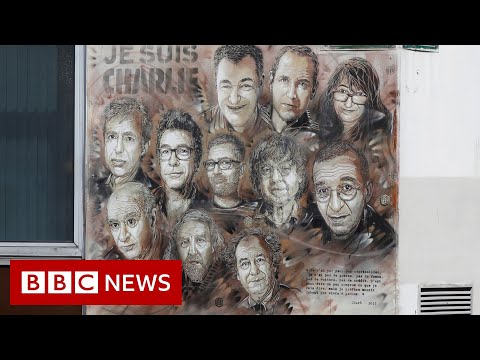
The Charlie Hebdo attack was a terrorist incident that occurred on January 7, 2015, in Paris, France. The attack was carried out by two brothers, Chérif and Saïd Kouachi, who were affiliated with the Al-Qaeda terrorist organization. The brothers targeted the offices of the French satirical magazine Charlie Hebdo, killing 12 people, including the magazine's editor, Stéphane Charbonnier. The attack was widely condemned by governments and citizens around the world, and it sparked a global debate about freedom of speech and terrorism. The attack also led to a significant increase in anti-terrorism laws in France and other countries. The Je Suis Charlie movement, which emerged in response to the attack, became a symbol of solidarity with the victims and a defense of freedom of expression.
🕊️ Background of Charlie Hebdo
Charlie Hebdo is a French satirical magazine that was founded in 1969. The magazine is known for its irreverent and often provocative humor, and it has been the target of numerous death threats and lawsuits over the years. The magazine's editor, Stéphane Charbonnier, was a vocal critic of Islamic extremism and terrorism, and he had received numerous death threats before the attack. Despite the risks, Charbonnier and the magazine's staff continued to publish controversial and satirical content, including cartoons that mocked Islam and other religions. The magazine's commitment to freedom of speech and its willingness to challenge censorship have made it a target for terrorist groups and other extremist organizations.
📰 The Attack on Charlie Hebdo
The attack on Charlie Hebdo occurred on the morning of January 7, 2015, when two brothers, Chérif and Saïd Kouachi, entered the magazine's offices in Paris. The brothers were armed with AK-47 rifles and other weapons, and they began shooting and killing people in the office. The attack lasted for several minutes, and it resulted in the deaths of 12 people, including the magazine's editor, Stéphane Charbonnier. The brothers also injured several other people, including Charlie Hebdo staff members and police officers. The attack was widely condemned by governments and citizens around the world, and it sparked a global debate about terrorism and freedom of speech. The attack also led to a significant increase in security measures in France and other countries.
👮 Investigation and Aftermath
The investigation into the Charlie Hebdo attack was led by the French authorities, with assistance from other countries, including the United States and Israel. The investigation revealed that the brothers who carried out the attack, Chérif and Saïd Kouachi, were affiliated with the Al-Qaeda terrorist organization. The investigation also revealed that the brothers had received training and funding from Al-Qaeda and other terrorist groups. The French authorities arrested several people in connection with the attack, including Hayat Boumeddiene, the girlfriend of one of the brothers. The investigation into the attack is ongoing, and it has led to a significant increase in counter-terrorism efforts in France and other countries.
🤝 International Response and Solidarity
The international response to the Charlie Hebdo attack was one of solidarity and condemnation. Governments and citizens around the world condemned the attack and expressed their support for the victims and their families. The United Nations and other international organizations also condemned the attack and called for increased counter-terrorism efforts. The attack also led to a significant increase in security measures in France and other countries, including the deployment of military troops and the implementation of surveillance programs. The attack also sparked a global debate about freedom of speech and terrorism, with many people arguing that the attack was a threat to democracy and human rights. The Je Suis Charlie movement, which emerged in response to the attack, became a symbol of solidarity with the victims and a defense of freedom of expression.
📊 Impact on Freedom of Speech
The Charlie Hebdo attack had a significant impact on freedom of speech in France and other countries. The attack led to a significant increase in censorship and self-censorship, with many people and organizations avoiding controversial or satirical content. The attack also led to a significant increase in anti-terrorism laws, including laws that restrict freedom of speech and freedom of assembly. The attack also sparked a global debate about the limits of freedom of speech and the need to balance freedom of expression with national security. The attack also led to a significant increase in hate speech and Islamophobia, with many people targeting Muslims and other minority groups.
📈 Rise of Anti-Terrorism Laws
The Charlie Hebdo attack led to a significant increase in anti-terrorism laws in France and other countries. The laws, which were implemented in response to the attack, restrict freedom of speech and freedom of assembly, and they provide law enforcement agencies with increased powers to surveil and detain individuals. The laws have been criticized by many people, including human rights organizations and civil liberties groups, who argue that they are too broad and that they infringe on human rights. The laws have also been criticized by many Muslims, who argue that they are discriminatory and that they target Muslim communities. The laws have led to a significant increase in terrorism-related arrests and prosecutions, but they have also led to a significant increase in human rights abuses.
🌎 Global Implications and Connections
The Charlie Hebdo attack had significant global implications and connections. The attack was linked to Al-Qaeda and other terrorist groups, and it was seen as part of a broader global jihad movement. The attack also sparked a global debate about Islam and Muslims, with many people arguing that the attack was a result of Islamic extremism and that it was a threat to Western civilization. The attack also led to a significant increase in Islamophobia and hate speech, with many people targeting Muslims and other minority groups. The attack also had significant implications for global security, with many countries increasing their security measures and counter-terrorism efforts. The attack also led to a significant increase in refugee crisis, with many people fleeing war-torn countries and seeking asylum in other countries.
📊 Economic Consequences of the Attack
The Charlie Hebdo attack had significant economic consequences, including a significant increase in security costs and a decline in tourism. The attack also led to a significant increase in business interruptions and a decline in economic growth. The attack also had significant implications for the media industry, with many media outlets increasing their security measures and censorship. The attack also led to a significant increase in advertising revenue for some media outlets, as people sought to understand the attack and its implications. The attack also had significant implications for the technology industry, with many technology companies increasing their security measures and censorship. The attack also led to a significant increase in cyber attacks and hacking, as terrorist groups and other hackers sought to exploit vulnerabilities in computer systems.
📝 Media Coverage and Controversies
The media coverage of the Charlie Hebdo attack was extensive and controversial. Many media outlets, including CNN and BBC, provided live coverage of the attack and its aftermath. The coverage was often sensationalized and sensationalistic, with many media outlets focusing on the violence and bloodshed rather than the context and implications of the attack. The coverage also sparked a significant amount of controversy, with many people arguing that it was insensitive and inflammatory. The coverage also led to a significant increase in hate speech and Islamophobia, with many people targeting Muslims and other minority groups. The coverage also had significant implications for the media industry, with many media outlets increasing their security measures and censorship.
👥 Victims and Survivors of the Attack
The victims of the Charlie Hebdo attack included Stéphane Charbonnier, the editor of Charlie Hebdo, and Jean Cabut, a cartoonist for the magazine. The attack also killed several other people, including François Holland, a police officer who was shot and killed while responding to the attack. The attack also injured several other people, including Charlie Hebdo staff members and police officers. The attack had a significant impact on the families of the victims, with many people experiencing grief and trauma. The attack also had a significant impact on the broader community, with many people experiencing fear and anxiety. The attack also led to a significant increase in solidarity and support for the victims and their families, with many people attending vigils and rallies to show their support.
Key Facts
- Year
- 2015
- Origin
- Paris, France
- Category
- Terrorism
- Type
- Event
Frequently Asked Questions
What was the Charlie Hebdo attack?
The Charlie Hebdo attack was a terrorist incident that occurred on January 7, 2015, in Paris, France. The attack was carried out by two brothers, Chérif and Saïd Kouachi, who were affiliated with the Al-Qaeda terrorist organization. The brothers targeted the offices of the French satirical magazine Charlie Hebdo, killing 12 people, including the magazine's editor, Stéphane Charbonnier.
Who were the victims of the Charlie Hebdo attack?
The victims of the Charlie Hebdo attack included Stéphane Charbonnier, the editor of Charlie Hebdo, and Jean Cabut, a cartoonist for the magazine. The attack also killed several other people, including François Holland, a police officer who was shot and killed while responding to the attack.
What was the impact of the Charlie Hebdo attack on freedom of speech?
The Charlie Hebdo attack had a significant impact on freedom of speech in France and other countries. The attack led to a significant increase in censorship and self-censorship, with many people and organizations avoiding controversial or satirical content.
What was the international response to the Charlie Hebdo attack?
The international response to the Charlie Hebdo attack was one of solidarity and condemnation. Governments and citizens around the world condemned the attack and expressed their support for the victims and their families.
What were the economic consequences of the Charlie Hebdo attack?
The Charlie Hebdo attack had significant economic consequences, including a significant increase in security costs and a decline in tourism. The attack also led to a significant increase in business interruptions and a decline in economic growth.