
Contents
- 🌊 Introduction to Clams
- 🐚 Bivalve Molluscs: The Anatomy of Clams
- 🌴 Habitat and Distribution of Clams
- 🍴 Edible Clams: A Culinary Perspective
- 🐟 Freshwater vs Marine Clams: What's the Difference?
- 🌊 The Importance of Clams in Marine Ecosystems
- 🌴 Clam Burrowing: A Complex Behavior
- 🐚 Clam Shells: A Protective Armor
- 🌊 Clam Diversity: A Global Perspective
- 🌴 Threats to Clam Populations: A Growing Concern
- 🐟 Conservation Efforts: Protecting Clam Habitats
- 🌊 The Future of Clams: A Sustainable Approach
- Frequently Asked Questions
- Related Topics
Overview
Clams, with over 150 species, have been a vital part of marine ecosystems for millions of years, serving as both a food source and a filter for the ocean. The history of clam consumption dates back to ancient civilizations, with evidence of clam farming found in the ruins of the Roman Empire. From the giant clam, which can live up to 100 years and weigh over 200 kilograms, to the tiny pea clam, these mollusks have adapted to various environments, including freshwater and brackish waters. Clams have a significant impact on the economy, with the global clam market valued at over $1.5 billion annually. However, their populations are threatened by climate change, overfishing, and habitat destruction, sparking debates about sustainable fishing practices and conservation efforts. As researchers continue to study clams, they are discovering new species and learning more about the complex relationships between clams and their ecosystems, highlighting the need for further research and protection of these vital marine animals.
🌊 Introduction to Clams
Clams are a type of bivalve mollusc that are often overlooked, yet they play a vital role in the ocean's ecosystem. With over 150 species, clams can be found in both freshwater and marine environments. They are characterized by their two shells of equal size, connected by two adductor muscles, and a powerful burrowing foot. Clams are a type of infauna, spending most of their lives buried in the sand or mud of the sea floor or riverbeds. For more information on marine biology, visit the marine biology page.
🐚 Bivalve Molluscs: The Anatomy of Clams
The anatomy of clams is fascinating, with their two shells, also known as valves, being connected by two adductor muscles. These muscles allow clams to open and close their shells, which is essential for feeding and breathing. Clams also have a powerful burrowing foot, which they use to dig into the sand or mud. This foot is made up of a long, muscular siphon that can extend from the clam's shell, allowing it to breathe and feed. To learn more about the anatomy of clams, visit the bivalve molluscs page. Clams are also closely related to other molluscs, such as oysters and mussels.
🌴 Habitat and Distribution of Clams
Clams can be found in a variety of habitats, including coral reefs, estuaries, and mangroves. They prefer to live in areas with soft sediment, such as sand or mud, where they can burrow and hide from predators. The turbidity of the water also plays a role in determining where clams can live, with some species preferring clearer water and others preferring more turbid water. For example, the giant clam is found in the warm, tropical waters of the Indo-Pacific region. To learn more about the different types of habitats where clams can be found, visit the marine habitats page.
🍴 Edible Clams: A Culinary Perspective
Clams have been a food source for humans for thousands of years, with many species being considered edible. In fact, clams are one of the most widely consumed types of seafood in the world. They are a good source of protein and are low in fat, making them a popular choice for health-conscious consumers. Clams can be prepared in a variety of ways, including steaming, boiling, and frying. For more information on the culinary uses of clams, visit the seafood cuisine page. Clams are also an important part of many coastal cultures, where they are often used in traditional dishes and ceremonies.
🐟 Freshwater vs Marine Clams: What's the Difference?
While clams can be found in both freshwater and marine environments, there are some key differences between the two. Freshwater clams, such as the freshwater clam, are typically smaller than marine clams and have a more limited range of habitats. Marine clams, on the other hand, can be found in a wider range of habitats, including coral reefs and deep-sea environments. To learn more about the differences between freshwater and marine clams, visit the freshwater vs marine page. Freshwater clams are also more susceptible to invasive species and water pollution.
🌊 The Importance of Clams in Marine Ecosystems
Clams play a vital role in the ocean's ecosystem, serving as both a food source and a habitat for other animals. They are an important part of the marine food chain, with many species of fish and invertebrates relying on them for food. Clams also help to filter the water, removing plankton and other small particles that can cloud the water. For more information on the importance of clams in marine ecosystems, visit the marine ecosystems page. Clams are also closely related to other benthic organisms, such as sea stars and sea urchins.
🌴 Clam Burrowing: A Complex Behavior
Clam burrowing is a complex behavior that involves the use of the clam's powerful foot to dig into the sand or mud. This behavior is essential for clams, as it allows them to hide from predators and protect themselves from strong currents. Clams can burrow to depths of up to 10 cm, depending on the species and the type of sediment. To learn more about clam burrowing, visit the clam burrowing page. Clam burrowing is also an important process in shaping the seafloor and creating habitat for other animals.
🐚 Clam Shells: A Protective Armor
Clam shells are a protective armor that helps to safeguard the clam's soft body. The shells are made up of two valves, which are connected by a hinge and can be closed tightly to protect the clam from predators. The shells are also used for defense, with some species of clams being able to close their shells quickly to prevent predators from getting inside. For more information on clam shells, visit the clam shells page. Clam shells are also an important part of the fossil record, providing valuable information about the evolution of clams over time.
🌊 Clam Diversity: A Global Perspective
There is a great diversity of clams found around the world, with over 150 species identified. The greatest diversity of clams is found in North America, where there are over 100 species. Clams can be found in a wide range of habitats, including coral reefs, estuaries, and mangroves. To learn more about the diversity of clams, visit the clam diversity page. Clams are also an important part of many marine ecosystems, playing a vital role in maintaining the balance of these ecosystems.
🌴 Threats to Clam Populations: A Growing Concern
Clam populations are facing a growing number of threats, including overfishing, habitat destruction, and climate change. Many species of clams are being overfished, with some species being harvested at unsustainable levels. To learn more about the threats facing clam populations, visit the clam conservation page. Clam populations are also vulnerable to disease and parasites, which can have a significant impact on clam populations.
🐟 Conservation Efforts: Protecting Clam Habitats
Conservation efforts are underway to protect clam habitats and prevent overfishing. These efforts include the establishment of marine protected areas, where clams and other marine species can thrive without being disturbed. To learn more about conservation efforts, visit the conservation efforts page. Conservation efforts are also focused on reducing the impact of human activities on clam populations, such as reducing pollution and coastal development.
🌊 The Future of Clams: A Sustainable Approach
The future of clams is uncertain, with many species facing a range of threats. However, by taking a sustainable approach to clam fishing and conservation, we can help to ensure the long-term survival of these important species. This includes implementing sustainable fishing practices and protecting clam habitats from degradation. To learn more about sustainable approaches to clam conservation, visit the sustainable conservation page. The future of clams is also closely tied to the future of the ocean and the planet as a whole.
Key Facts
- Year
- 2022
- Origin
- Ancient Rome
- Category
- Marine Biology
- Type
- Marine Species
Frequently Asked Questions
What is the difference between a clam and a mussel?
Clams and mussels are both types of bivalve molluscs, but they belong to different families and have some distinct characteristics. Clams have a more rounded shell and a shorter siphon than mussels, and they are typically found in sand or mud. Mussels, on the other hand, have a more elongated shell and a longer siphon, and they are typically found in rocky areas. For more information on the differences between clams and mussels, visit the clams vs mussels page.
Are all clams edible?
No, not all clams are edible. While many species of clams are considered edible and are consumed by humans, some species are not safe to eat. For example, some species of clams can contain toxins that can be harmful to humans if ingested. It's always best to consult with a trusted field guide or an expert before attempting to eat a clam. To learn more about edible clams, visit the edible clams page.
How do clams burrow into the sand?
Clams use their powerful foot to burrow into the sand. They extend their foot from their shell and use it to dig into the sand, creating a hole that they can then withdraw into. The foot is also used to help the clam move through the sand and to anchor itself in place. For more information on clam burrowing, visit the clam burrowing page.
What is the largest species of clam?
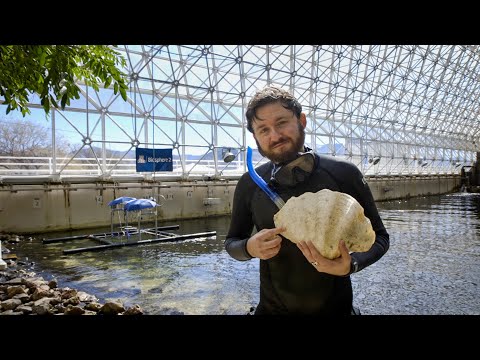
The largest species of clam is the giant clam, which can grow up to 1.2 meters in length and weigh up to 200 kg. Giant clams are found in the warm, tropical waters of the Indo-Pacific region and are considered to be one of the most impressive species of clams in the world. To learn more about giant clams, visit the giant clams page.
How can I help protect clam populations?
There are several ways to help protect clam populations, including supporting sustainable fishing practices, reducing pollution, and protecting clam habitats from degradation. You can also support conservation efforts by donating to organizations that work to protect marine habitats and species. To learn more about how you can help protect clam populations, visit the clam conservation page.
What is the most common species of clam?
The most common species of clam is the quahog clam, which is found in the coastal waters of North America. Quahog clams are an important food source for many species of fish and invertebrates, and they are also harvested by humans for food. To learn more about quahog clams, visit the quahog clams page.
How long do clams live?
The lifespan of clams varies depending on the species, but most clams can live for several years. Some species of clams, such as the giant clam, can live for up to 100 years or more in the wild. To learn more about the lifespan of clams, visit the clam lifespan page.