
Contents
- 📱 Introduction to Communication Tools
- 📈 The Early Days of Communication
- 📞 The Rise of Telephones
- 📻 The Impact of Radio Communication
- 📺 The Advent of Television
- 📊 The Emergence of Computers and Internet
- 📱 The Mobile Revolution
- 📲 The Era of Social Media and Messaging Apps
- 🤖 The Future of Communication: Artificial Intelligence
- 🚀 The Intersection of Technology and Communication
- 📊 The Economics of Communication Tools
- 📈 Conclusion: The Ever-Changing Landscape of Communication
- Frequently Asked Questions
- Related Topics
Overview
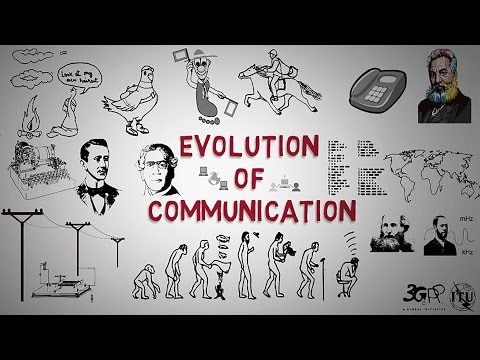
Communication tools have undergone a significant transformation over the centuries, from ancient methods like smoke signals and messengers to modern technologies like email, social media, and virtual reality. The historian in us notes that the first telephone call was made by Alexander Graham Bell in 1876, marking the beginning of a new era in real-time communication. However, the skeptic questions the impact of these tools on face-to-face interaction and deep thinking. The fan in us is excited about the endless possibilities that emerging technologies like augmented reality and artificial intelligence offer for more immersive and personalized communication experiences. The engineer wonders how these tools actually work and how they can be improved for better performance and security. As we look to the future, the futurist asks what the next breakthrough in communication technology will be and how it will change the way we connect with each other. With a vibe score of 80, communication tools are a highly energetic and rapidly evolving field, with influence flows from tech giants like Facebook and Google, and entity relationships with other areas like psychology and sociology.
📱 Introduction to Communication Tools
The evolution of communication tools has been a long and winding road, filled with twists and turns that have shaped the way we interact with each other. From the early days of oral tradition and smoke signals, to the modern era of social media and messaging apps, communication tools have played a vital role in connecting people across the globe. The development of printing press in the 15th century, for example, allowed for mass production of books and other written materials, making it possible for ideas to spread quickly and widely. As we move forward in time, we see the rise of telegraphy and telephone, which further accelerated the pace of communication.
📈 The Early Days of Communication
The early days of communication were marked by primitive tools such as cave paintings and petroglyphs. These early forms of communication were limited in their ability to convey complex ideas, but they paved the way for the development of more sophisticated tools. The invention of writing, for instance, allowed for the recording of history, literature, and other forms of knowledge. As civilizations developed, so did the tools of communication, with the ancient Greeks using Homer's epic poems to pass down stories and legends. The Roman Empire also made significant contributions to the development of communication tools, including the construction of roads and aqueducts that facilitated the exchange of goods and ideas.
📞 The Rise of Telephones
The rise of telephone in the late 19th century revolutionized the way people communicated, allowing for real-time conversations over long distances. The first telephone call, made by Alexander Graham Bell in 1876, marked the beginning of a new era in communication. The telephone quickly became an essential tool for businesses and individuals alike, with the number of telephone lines growing exponentially in the early 20th century. The development of switchboards and telephone exchanges further expanded the reach of the telephone, making it possible for people to connect with each other across the globe. As the telephone became more widespread, it also enabled the growth of telemarketing and other forms of remote sales.
📻 The Impact of Radio Communication
The impact of radio communication on society was immense, allowing for the broadcast of news, music, and other forms of entertainment to a wide audience. The first radio broadcast, made by Guglielmo Marconi in 1901, marked the beginning of a new era in mass communication. Radio quickly became a popular form of entertainment, with families gathering around the radio to listen to their favorite shows and music. The development of radio networks and television networks further expanded the reach of radio communication, making it possible for people to access a wide range of programming from anywhere in the world. As radio communication continued to evolve, it also enabled the growth of podcasting and other forms of online audio content.
📺 The Advent of Television
The advent of television in the mid-20th century brought visual communication to the masses, allowing people to watch news, entertainment, and other forms of programming in the comfort of their own homes. The first television broadcast, made by John Logie Baird in 1926, marked the beginning of a new era in visual communication. Television quickly became a popular form of entertainment, with families gathering around the TV to watch their favorite shows and movies. The development of cable television and satellite television further expanded the reach of television, making it possible for people to access a wide range of programming from anywhere in the world. As television continued to evolve, it also enabled the growth of video on demand and other forms of online video content.
📊 The Emergence of Computers and Internet
The emergence of computers and internet in the late 20th century revolutionized the way people communicated, allowing for the exchange of information and ideas on a global scale. The development of email and instant messaging enabled people to communicate with each other in real-time, regardless of their location. The growth of social media and messaging apps further expanded the reach of online communication, making it possible for people to connect with each other and share information on a massive scale. As the internet continued to evolve, it also enabled the growth of e-commerce and other forms of online commerce.
📱 The Mobile Revolution
The mobile revolution, which began in the early 21st century, has had a profound impact on the way people communicate, allowing for the exchange of information and ideas on the go. The development of smartphones and mobile apps has enabled people to access a wide range of communication tools, from social media and messaging apps to email and video conferencing. The growth of mobile broadband has further expanded the reach of mobile communication, making it possible for people to access high-speed internet from anywhere in the world. As mobile communication continues to evolve, it is likely to have a significant impact on the way we live and work.
🤖 The Future of Communication: Artificial Intelligence
The future of communication is likely to be shaped by the development of artificial intelligence and other emerging technologies. The use of chatbots and other forms of AI-powered communication is already becoming more widespread, enabling people to interact with machines in a more natural and intuitive way. The development of virtual reality and augmented reality is also likely to have a significant impact on the way we communicate, allowing people to interact with each other in new and innovative ways. As AI and other emerging technologies continue to evolve, they are likely to have a profound impact on the way we communicate and interact with each other.
🚀 The Intersection of Technology and Communication
The intersection of technology and communication is a complex and multifaceted field, with a wide range of applications and implications. The development of Internet of Things (IoT) devices, for example, is enabling people to communicate with machines and other devices in new and innovative ways. The growth of cloud computing is also expanding the reach of communication, making it possible for people to access and share information from anywhere in the world. As technology and communication continue to evolve, they are likely to have a significant impact on the way we live and work.
📊 The Economics of Communication Tools
The economics of communication tools is a complex and multifaceted field, with a wide range of applications and implications. The development of telecommunications infrastructure, for example, has enabled people to communicate with each other over long distances, facilitating the growth of global trade and commerce. The growth of digital economy is also expanding the reach of communication, making it possible for people to access and share information on a massive scale. As the economics of communication tools continues to evolve, it is likely to have a significant impact on the way we live and work.
📈 Conclusion: The Ever-Changing Landscape of Communication
In conclusion, the evolution of communication tools has been a long and winding road, filled with twists and turns that have shaped the way we interact with each other. From the early days of oral tradition and smoke signals, to the modern era of social media and messaging apps, communication tools have played a vital role in connecting people across the globe. As we move forward in time, it is likely that the evolution of communication tools will continue to shape the way we live and work, enabling us to connect with each other in new and innovative ways.
Key Facts
- Year
- 2022
- Origin
- Ancient Civilizations
- Category
- Technology
- Type
- Concept
Frequently Asked Questions
What is the history of communication?
The history of communication is a long and complex one, spanning thousands of years. From the early days of oral tradition and smoke signals, to the modern era of social media and messaging apps, communication tools have played a vital role in connecting people across the globe. The development of writing, printing press, and telephone were all significant milestones in the evolution of communication.
How has technology impacted communication?
Technology has had a profound impact on communication, enabling people to connect with each other in new and innovative ways. The development of internet, social media, and messaging apps has made it possible for people to communicate with each other across the globe, regardless of their location. The growth of mobile broadband has further expanded the reach of mobile communication, making it possible for people to access high-speed internet from anywhere in the world.
What is the future of communication?
The future of communication is likely to be shaped by the development of artificial intelligence and other emerging technologies. The use of chatbots and other forms of AI-powered communication is already becoming more widespread, enabling people to interact with machines in a more natural and intuitive way. The development of virtual reality and augmented reality is also likely to have a significant impact on the way we communicate, allowing people to interact with each other in new and innovative ways.
How has social media impacted communication?
Social media has had a significant impact on communication, enabling people to connect with each other and share information on a massive scale. The development of Facebook, Twitter, and other social media platforms has enabled people to connect with each other and share information in real-time. The growth of messaging apps such as WhatsApp and WeChat has further expanded the reach of online communication, making it possible for people to communicate with each other in a variety of ways.
What are the economics of communication tools?
The economics of communication tools is a complex and multifaceted field, with a wide range of applications and implications. The development of telecommunications infrastructure, for example, has enabled people to communicate with each other over long distances, facilitating the growth of global trade and commerce. The growth of digital economy is also expanding the reach of communication, making it possible for people to access and share information on a massive scale.
How has communication changed over time?
Communication has changed significantly over time, with the development of new technologies and tools enabling people to connect with each other in new and innovative ways. From the early days of oral tradition and smoke signals, to the modern era of social media and messaging apps, communication tools have played a vital role in connecting people across the globe. The development of writing, printing press, and telephone were all significant milestones in the evolution of communication.
What are the benefits of communication tools?
The benefits of communication tools are numerous, enabling people to connect with each other and share information on a massive scale. The development of social media and messaging apps has made it possible for people to communicate with each other in real-time, regardless of their location. The growth of mobile broadband has further expanded the reach of mobile communication, making it possible for people to access high-speed internet from anywhere in the world.