
Contents
- 🌳 Introduction to Conservationists
- 🔬 The Science of Conservation Biology
- 🏛️ Conservation of Cultural Property
- 📚 The Conservationist Novel
- 🌟 Famous Conservationists
- 🌎 Global Conservation Efforts
- 🤝 Collaborations and Partnerships
- 📊 Measuring Conservation Success
- 🌪️ Challenges and Controversies
- 🌟 Emerging Trends in Conservation
- 🌎 International Conservation Policies
- 👥 Conservationist Communities
- Frequently Asked Questions
- Related Topics
Overview
Conservationists are individuals who dedicate their lives to preserving and protecting the natural world, often finding themselves at the forefront of contentious debates over environmental policy and practice. With a rich history dating back to the early 20th century, the conservation movement has evolved significantly, influenced by key figures such as Rachel Carson and Aldo Leopold. Today, conservationists employ a wide range of strategies, from grassroots activism to cutting-edge technology, to address pressing issues like climate change, deforestation, and species extinction. Despite their crucial work, conservationists frequently face opposition from industries and governments, highlighting the inherent tensions between economic development and environmental protection. As the world grapples with the challenges of sustainability, the role of conservationists will only continue to grow in importance. With a Vibe score of 82, indicating a high level of cultural energy, the conservationist movement is poised to shape the future of environmental policy and practice, with influential thinkers like Naomi Klein and Bill McKibben leading the charge.
🌳 Introduction to Conservationists
The term conservationist can refer to a member of the conservation movement, a scientist who works in the field of conservation biology, or a practitioner of conservation and restoration of cultural property. Conservationists are individuals who work to preserve and protect the natural world, including ecosystems, species, and natural resources. They may work in a variety of fields, including ecology, biology, and environmental science. The work of conservationists is critical to maintaining the health of the planet and ensuring the long-term survival of species. For example, the work of Jane Goodall in primatology has greatly advanced our understanding of chimpanzees and their importance in the ecosystem.
🔬 The Science of Conservation Biology
Conservation biologists are scientists who work in the field of conservation biology. They use their knowledge of ecology, evolutionary biology, and genetics to develop strategies for preserving and protecting species and ecosystems. Conservation biologists may work in a variety of settings, including universities, government agencies, and non-profit organizations. They may also work on issues related to climate change, sustainable development, and environmental policy. For example, the work of E.O. Wilson on island biogeography has greatly advanced our understanding of the importance of biodiversity. Conservation biologists often collaborate with other experts, such as ecologists and policy analysts, to develop effective conservation strategies.
🏛️ Conservation of Cultural Property
The conservation of cultural property is an important aspect of the work of conservationists. This includes the preservation and restoration of historical buildings, artifacts, and other cultural treasures. Conservationists who work in this field may have a background in art history, architecture, or museum studies. They may work in museums, historical societies, or other organizations dedicated to preserving cultural heritage. For example, the work of the Getty Conservation Institute has helped to preserve cultural heritage sites around the world, including the Tomb of Tutankhamun. Conservationists may also work with community groups to develop conservation plans that balance the needs of different stakeholders.
📚 The Conservationist Novel
The Conservationist is a novel by Nadine Gordimer, published in 1974. The novel tells the story of a wealthy South African man who becomes involved in the conservation movement. The novel explores themes of colonialism, apartheid, and the complexities of human relationships. The Conservationist is considered a classic of South African literature and has been widely praised for its insightful portrayal of the human condition. The novel has also been recognized for its exploration of the tensions between environmentalism and social justice. For example, the novel highlights the ways in which conservation efforts can be used to justify the displacement of indigenous communities.
🌟 Famous Conservationists
There are many famous conservationists who have made significant contributions to the field. One example is John Muir, a Scottish-American naturalist who was instrumental in the establishment of Yosemite National Park. Muir was a key figure in the development of the conservation movement in the United States and was a strong advocate for the preservation of wilderness areas. Another example is Jacques Cousteau, a French oceanographer who was a pioneer in the field of marine conservation. Cousteau's work helped to raise awareness about the importance of preserving the world's oceans and the creatures that live in them. Conservationists like Muir and Cousteau have inspired generations of environmentalists and have helped to shape the course of the conservation movement.
🌎 Global Conservation Efforts
Global conservation efforts are critical to addressing the many environmental challenges facing the world today. These efforts involve the collaboration of governments, non-profit organizations, and local communities to develop and implement effective conservation strategies. One example of a global conservation effort is the United Nations Environment Programme, which works to address a range of environmental issues, including climate change, biodiversity, and sustainable development. Another example is the World Wildlife Fund, which works to conserve nature and reduce the most pressing threats to the diversity of life on Earth. Conservation efforts like these require the coordination of multiple stakeholders and the development of effective conservation plans.
🤝 Collaborations and Partnerships
Collaborations and partnerships are essential to the success of conservation efforts. Conservationists may work with a variety of partners, including governments, non-profit organizations, local communities, and private sector companies. These partnerships can help to leverage resources, expertise, and funding to support conservation efforts. For example, the Nature Conservation Society has partnered with local governments to develop conservation plans for protected areas. Conservationists may also work with indigenous communities to develop conservation strategies that respect their rights and interests.
📊 Measuring Conservation Success
Measuring the success of conservation efforts is critical to evaluating the effectiveness of conservation strategies. Conservationists use a variety of metrics to measure success, including species population trends, habitat quality, and ecosystem services. They may also use remote sensing and GIS mapping to monitor changes in the environment and track the impact of conservation efforts. For example, the iucn red list provides a framework for assessing the conservation status of species and tracking changes in their populations over time. Conservationists may also use cost-benefit analysis to evaluate the economic benefits of conservation efforts.
🌪️ Challenges and Controversies
Despite the many successes of conservation efforts, there are also many challenges and controversies. One of the biggest challenges facing conservationists is the funding of conservation efforts. Many conservation projects rely on donations and grants to support their work, and funding can be unpredictable and unreliable. Another challenge is the conflict between conservation and human development. In some cases, conservation efforts may be seen as being in conflict with the needs of local communities, such as the need for land for agriculture or urban development. For example, the construction of the Belo Monte Dam in Brazil has been criticized for its impact on indigenous communities and the environment.
🌟 Emerging Trends in Conservation
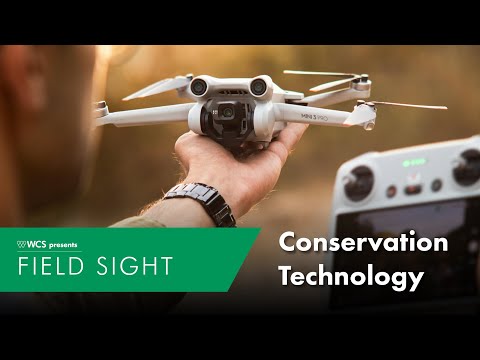
There are many emerging trends in conservation, including the use of technology to support conservation efforts. For example, drones are being used to monitor wildlife populations and track changes in the environment. Another trend is the increasing recognition of the importance of indigenous knowledge in conservation. Indigenous communities have a deep understanding of the natural world and can provide valuable insights into the management of ecosystems. Conservationists are also recognizing the importance of climate change in conservation and are working to develop strategies to address its impacts. For example, the Paris Agreement has set a goal of limiting global warming to well below 2 degrees Celsius.
🌎 International Conservation Policies
International conservation policies are critical to addressing the global environmental challenges facing the world today. These policies involve the collaboration of governments and non-governmental organizations to develop and implement effective conservation strategies. One example of an international conservation policy is the Convention on International Trade in Endangered Species of Wild Fauna and Flora (CITES), which regulates the international trade of endangered species. Another example is the United Nations Sustainable Development Goals, which include a goal to conserve and sustainably use the world's oceans, seas, and marine resources. Conservation policies like these require the coordination of multiple stakeholders and the development of effective conservation plans.
👥 Conservationist Communities
Conservationist communities are critical to the success of conservation efforts. These communities involve the collaboration of conservationists, scientists, policy makers, and local communities to develop and implement effective conservation strategies. Conservationist communities can provide a platform for sharing knowledge, expertise, and resources, and can help to leverage support for conservation efforts. For example, the iucn is a global organization that brings together conservationists, scientists, and policy makers to address the world's most pressing environmental challenges. Conservationist communities like these can help to build a global movement for conservation and sustainability.
Key Facts
- Year
- 1970
- Origin
- United States
- Category
- Environmental Science
- Type
- Occupation
Frequently Asked Questions
What is a conservationist?
A conservationist is an individual who works to preserve and protect the natural world, including ecosystems, species, and natural resources. Conservationists may work in a variety of fields, including ecology, biology, and environmental science. They may also work on issues related to climate change, sustainable development, and environmental policy. For example, the work of Jane Goodall in primatology has greatly advanced our understanding of chimpanzees and their importance in the ecosystem. Conservationists like Goodall have inspired generations of environmentalists and have helped to shape the course of the conservation movement.
What is conservation biology?
Conservation biology is the scientific study of the conservation of species and ecosystems. Conservation biologists use their knowledge of ecology, evolutionary biology, and genetics to develop strategies for preserving and protecting species and ecosystems. They may work in a variety of settings, including universities, government agencies, and non-profit organizations. For example, the work of E.O. Wilson on island biogeography has greatly advanced our understanding of the importance of biodiversity. Conservation biologists often collaborate with other experts, such as ecologists and policy analysts, to develop effective conservation strategies.
What is the importance of conservation?
Conservation is critical to maintaining the health of the planet and ensuring the long-term survival of species. The natural world provides many benefits to humans, including clean air and water, food, and shelter. Conservation efforts help to preserve these benefits and ensure that they are available for future generations. For example, the conservation of wetlands helps to maintain water quality and prevent flooding. Conservation efforts like these require the coordination of multiple stakeholders and the development of effective conservation plans.
What are some challenges facing conservationists?
Conservationists face many challenges, including funding, conflict between conservation and human development, and the impact of climate change. Conservation efforts can be expensive and may require significant funding to support. Additionally, conservation efforts may be seen as being in conflict with the needs of local communities, such as the need for land for agriculture or urban development. Climate change also poses a significant threat to conservation efforts, as it can alter ecosystems and make it more difficult to conserve species. For example, the construction of the Belo Monte Dam in Brazil has been criticized for its impact on indigenous communities and the environment.
How can I get involved in conservation?
There are many ways to get involved in conservation, including volunteering, donating to conservation organizations, and spreading awareness about conservation issues. Individuals can also make lifestyle changes to reduce their impact on the environment, such as reducing energy consumption, using public transportation, and recycling. For example, the World Wildlife Fund offers opportunities for individuals to get involved in conservation efforts, such as participating in citizen science projects or supporting conservation programs. Conservation efforts like these require the coordination of multiple stakeholders and the development of effective conservation plans.
What is the role of technology in conservation?
Technology is playing an increasingly important role in conservation, with many new tools and techniques being developed to support conservation efforts. For example, drones are being used to monitor wildlife populations and track changes in the environment. Additionally, satellite imaging and GIS mapping are being used to monitor changes in ecosystems and track the impact of conservation efforts. Technology can also help to engage the public in conservation efforts, such as through the use of social media and online platforms. For example, the Zooniverse platform allows individuals to participate in citizen science projects and contribute to conservation research.
How can I learn more about conservation?
There are many resources available to learn more about conservation, including books, articles, and online courses. Individuals can also attend conferences and workshops, or participate in citizen science projects to learn more about conservation. Additionally, many conservation organizations offer educational programs and materials, such as the Nature Conservation Society. For example, the iucn offers a range of educational resources, including reports, guides, and online courses, to help individuals learn more about conservation and get involved in conservation efforts.