
Contents
- 🌆 Introduction to Construction Materials
- 🏗️ History of Building Materials
- 🌿 Natural Materials in Construction
- 🏭 Manufacturing of Building Materials
- 👨💼 Specialty Trades in Construction
- 🏠 Habitat and Structure Construction
- 🌈 Sustainable Building Materials
- 🚧 Modern Construction Materials
- 🤝 Global Construction Material Market
- 📊 Future of Construction Materials
- 🌐 Construction Material Innovations
- 📚 Conclusion
- Frequently Asked Questions
- Related Topics
Overview
Construction materials have been the backbone of human innovation, from the ancient Egyptians' use of limestone and granite to the modern era's emphasis on sustainability and smart materials. The history of construction materials is marked by significant milestones, including the development of concrete by the Romans, the introduction of steel in the Industrial Revolution, and the recent advancements in materials science. Today, the construction industry is shifting towards eco-friendly materials, such as cross-laminated timber, low-carbon concrete, and recycled plastics. However, the adoption of new materials is often hindered by concerns over cost, durability, and regulatory frameworks. As the world grapples with the challenges of climate change, urbanization, and resource depletion, the development of innovative construction materials will play a crucial role in shaping the future of our built environment. With a vibe score of 8, construction materials are a topic of significant cultural energy, reflecting our collective desire for sustainable, resilient, and aesthetically pleasing buildings and infrastructure.
🌆 Introduction to Construction Materials
The use of construction materials dates back to ancient civilizations, with evidence of construction history showing the use of natural materials like clay, rocks, and wood. These materials were used to build structures like bridges and homes, showcasing the ingenuity of early builders. As civilizations evolved, so did the development of new materials and techniques, such as masonry and carpentry. Today, the construction industry relies on a wide range of materials, from natural to synthetic, to build modern structures. The construction industry is a significant sector, with a global market size of over $10 trillion. The use of construction materials is typically segmented into specific specialty trades, such as insulation, plumbing, and roofing work.
🏗️ History of Building Materials
The history of building materials is a long and fascinating one, with ancient Egypt and ancient Rome being two of the most notable civilizations to contribute to its development. The use of stone and brick in these civilizations led to the creation of iconic structures like the pyramids and the Colosseum. As time passed, new materials and techniques were developed, such as the use of concrete in modern construction. The industrial revolution also played a significant role in the development of new building materials, with the introduction of steel and glass. Today, we have a wide range of materials to choose from, including sustainable materials like recycled materials and low-carbon materials.
🌿 Natural Materials in Construction
Natural materials have been used in construction for centuries, with wood being one of the most widely used materials. Other natural materials like clay, rocks, and sand have also been used to build structures like homes and bridges. The use of natural materials has several benefits, including sustainability and energy efficiency. However, natural materials also have some drawbacks, such as durability issues and maintenance requirements. Despite these challenges, natural materials remain a popular choice for construction, with many architects and builders opting for green building materials. The use of natural materials is also influenced by climate and geography, with different regions having access to different types of materials. For example, tropical regions often use bamboo and palm leaves in construction.
🏭 Manufacturing of Building Materials
The manufacturing of building materials is a significant industry, with many countries having established manufacturing facilities. The production of materials like cement, steel, and glass requires large amounts of energy and resources. However, the industry is also shifting towards more sustainable materials and practices, with a focus on reducing carbon emissions and waste. The use of recycled materials and low-carbon materials is becoming increasingly popular, with many manufacturers investing in research and development to create new and innovative materials. The construction materials market is a complex and dynamic industry, with many players competing for market share. The market is also influenced by government regulations and economic trends.
👨💼 Specialty Trades in Construction
Specialty trades play a crucial role in the construction industry, with carpentry, insulation, plumbing, and roofing work being some of the most important trades. These trades require specialized skills and knowledge, with many workers undergoing apprenticeships and training programs to learn their craft. The use of specialty materials like drywall and plywood also requires specialized skills and equipment. The construction workforce is a significant sector, with many workers employed in the industry. However, the industry is also facing challenges like labor shortages and skills gap. The use of technology and innovation is helping to address these challenges, with many companies investing in construction technology and building information modeling.
🏠 Habitat and Structure Construction
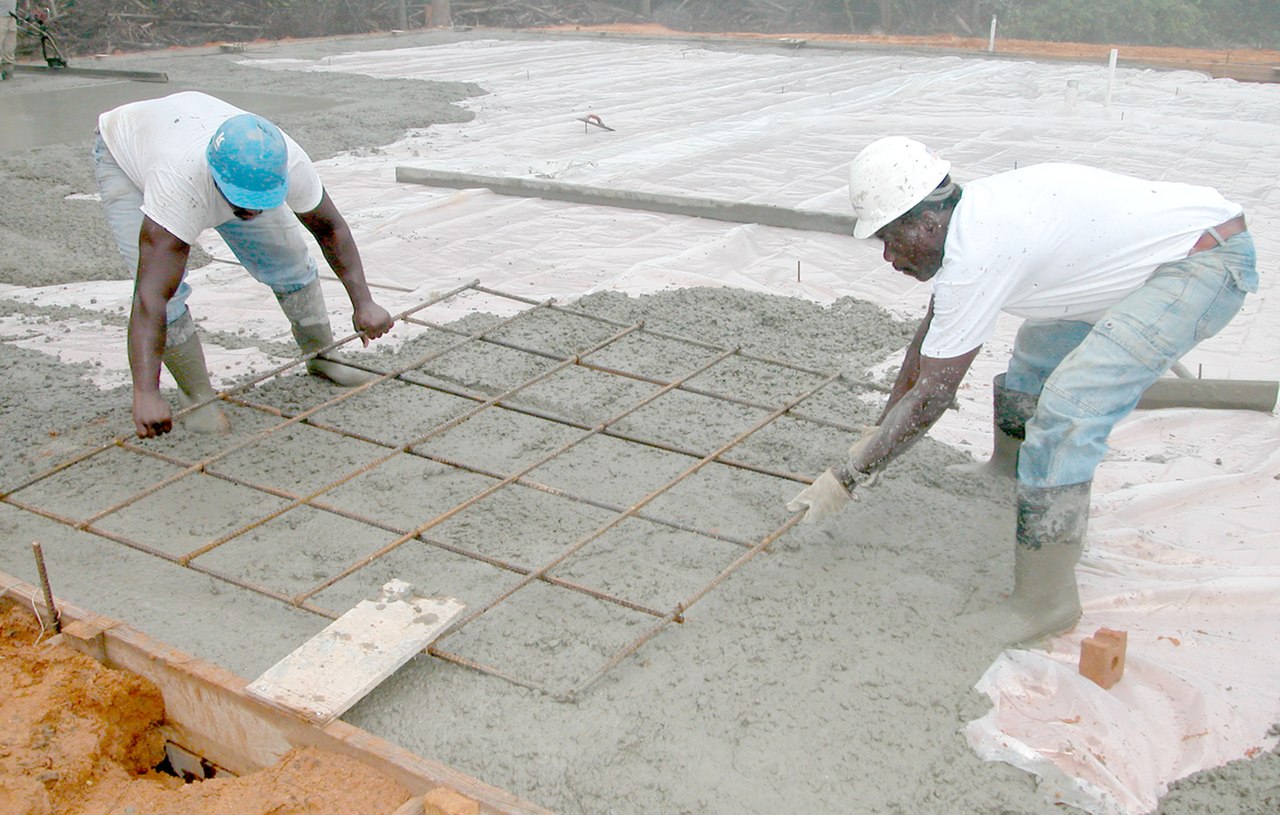
The construction of habitats and structures like homes and bridges requires a wide range of materials and skills. The use of building materials like wood, steel, and concrete is critical to the construction process, with many builders opting for sustainable materials and practices. The construction process involves several stages, from design and planning to execution and completion. The use of project management tools and techniques is essential to ensuring the successful completion of construction projects. The construction industry is a significant sector, with many companies and organizations involved in the construction process. The industry is also influenced by government policies and economic trends.
🌈 Sustainable Building Materials
Sustainable building materials are becoming increasingly popular, with many builders and architects opting for green building materials. The use of recycled materials, low-carbon materials, and sustainable wood is helping to reduce the environmental impact of construction. The sustainable construction movement is gaining momentum, with many companies and organizations investing in research and development to create new and innovative materials. The use of building information modeling and construction technology is also helping to improve the sustainability of construction projects. The green building market is a growing sector, with many opportunities for companies and organizations to invest in sustainable construction. The market is also influenced by government regulations and economic trends.
🚧 Modern Construction Materials
Modern construction materials are designed to be stronger, more durable, and more sustainable than ever before. The use of advanced materials like fiber-reinforced polymer and nanomaterials is becoming increasingly popular, with many builders and architects opting for these materials in construction projects. The construction materials market is a complex and dynamic industry, with many players competing for market share. The market is also influenced by government regulations and economic trends. The use of technology and innovation is helping to drive the development of new and innovative materials, with many companies investing in research and development. The modern construction industry is a significant sector, with many companies and organizations involved in the construction process.
🤝 Global Construction Material Market
The global construction material market is a significant sector, with a market size of over $10 trillion. The market is driven by urbanization, population growth, and infrastructure development. The use of sustainable materials and practices is becoming increasingly popular, with many companies and organizations investing in research and development to create new and innovative materials. The construction materials market is a complex and dynamic industry, with many players competing for market share. The market is also influenced by government regulations and economic trends. The global construction industry is a significant sector, with many companies and organizations involved in the construction process.
📊 Future of Construction Materials
The future of construction materials is exciting and uncertain, with many new and innovative materials being developed. The use of advanced materials like fiber-reinforced polymer and nanomaterials is becoming increasingly popular, with many builders and architects opting for these materials in construction projects. The construction materials market is a complex and dynamic industry, with many players competing for market share. The market is also influenced by government regulations and economic trends. The use of technology and innovation is helping to drive the development of new and innovative materials, with many companies investing in research and development. The future of construction is likely to be shaped by sustainability and technology.
🌐 Construction Material Innovations
Construction material innovations are helping to drive the development of new and innovative materials. The use of advanced materials like fiber-reinforced polymer and nanomaterials is becoming increasingly popular, with many builders and architects opting for these materials in construction projects. The construction materials market is a complex and dynamic industry, with many players competing for market share. The market is also influenced by government regulations and economic trends. The use of technology and innovation is helping to drive the development of new and innovative materials, with many companies investing in research and development. The innovation in construction industry is a significant sector, with many companies and organizations involved in the construction process.
📚 Conclusion
In conclusion, construction materials are the building blocks of civilization, with a wide range of materials and skills required to construct habitats and structures like homes and bridges. The use of sustainable materials and practices is becoming increasingly popular, with many companies and organizations investing in research and development to create new and innovative materials. The construction industry is a significant sector, with many companies and organizations involved in the construction process. The industry is also influenced by government policies and economic trends. The future of construction is likely to be shaped by sustainability and technology.
Key Facts
- Year
- 2023
- Origin
- Vibepedia.wiki
- Category
- Construction and Architecture
- Type
- Topic
Frequently Asked Questions
What are the most commonly used construction materials?
The most commonly used construction materials include wood, steel, concrete, and brick. These materials are widely available and have been used in construction for centuries. However, the use of sustainable materials like recycled materials and low-carbon materials is becoming increasingly popular. The construction materials market is a complex and dynamic industry, with many players competing for market share.
What is the importance of sustainable construction materials?
Sustainable construction materials are important because they help reduce the environmental impact of construction. The use of recycled materials, low-carbon materials, and sustainable wood can help reduce carbon emissions and waste. The sustainable construction movement is gaining momentum, with many companies and organizations investing in research and development to create new and innovative materials. The green building market is a growing sector, with many opportunities for companies and organizations to invest in sustainable construction.
What is the future of construction materials?
The future of construction materials is exciting and uncertain, with many new and innovative materials being developed. The use of advanced materials like fiber-reinforced polymer and nanomaterials is becoming increasingly popular, with many builders and architects opting for these materials in construction projects. The construction materials market is a complex and dynamic industry, with many players competing for market share. The market is also influenced by government regulations and economic trends.
What are the benefits of using sustainable construction materials?
The benefits of using sustainable construction materials include reducing carbon emissions and waste, improving energy efficiency, and promoting sustainability. The use of recycled materials, low-carbon materials, and sustainable wood can help reduce the environmental impact of construction. The sustainable construction movement is gaining momentum, with many companies and organizations investing in research and development to create new and innovative materials.
What is the role of technology in the construction materials industry?
Technology plays a significant role in the construction materials industry, with many companies investing in research and development to create new and innovative materials. The use of building information modeling and construction technology is helping to improve the sustainability of construction projects. The construction materials market is a complex and dynamic industry, with many players competing for market share. The market is also influenced by government regulations and economic trends.