
Contents
- 🌿 Introduction to Cosmetic Products
- 💄 History of Cosmetics
- 🌸 Natural Ingredients in Cosmetics
- 🧬 Synthetic Ingredients in Cosmetics
- 💅 Personal and Skin Care
- 🎨 Makeup and Color Cosmetics
- 🚫 Safety and Regulation of Cosmetics
- 🌟 Trends and Innovations in Cosmetics
- 👥 Impact of Social Media on Cosmetics
- 🌎 Global Cosmetics Market
- 📊 Future of Cosmetic Products
- Frequently Asked Questions
- Related Topics
Overview
The cosmetic products industry has undergone significant transformations since its inception, with ancient civilizations such as Egypt and Greece using natural ingredients like malachite and crushed mulberries for eye shadow and lip color. Today, the global market is projected to reach $805.61 billion by 2025, driven by the rise of e-commerce, social media, and influencer marketing. However, the industry is also marred by concerns over animal testing, toxic ingredients, and environmental sustainability. Key players like L'Oréal, Estee Lauder, and Unilever are investing in research and development to create more eco-friendly and inclusive product lines. The controversy surrounding cosmetic products has sparked debates over issues like diversity, body positivity, and the impact of social media on self-esteem. As the industry continues to evolve, it is likely to be shaped by emerging trends like personalized beauty, wellness, and technology-driven innovations.
🌿 Introduction to Cosmetic Products
The evolution of cosmetic products has been a long and winding road, with ancient civilizations using cosmetics to enhance their beauty and attractiveness. The use of makeup and other cosmetic products has been documented in various cultures, including the Egyptians, Greeks, and Romans. Today, the cosmetics industry is a multi-billion dollar market, with a wide range of products available to consumers. From skincare and haircare to fragrances and color cosmetics, there is a vast array of products to choose from. The use of natural ingredients in cosmetics has become increasingly popular, with many consumers seeking out products that are free from harsh chemicals and artificial additives.
💄 History of Cosmetics
The history of cosmetics dates back thousands of years, with ancient civilizations using various substances to enhance their beauty and attractiveness. The Egyptians, for example, used malachite and kohl to create eye makeup, while the Greeks and Romans used ceruse and vermillion to create lip color. The use of cosmetics continued through the Middle Ages, with the introduction of new ingredients such as rosewater and beeswax. Today, the cosmetics industry is a global market, with a wide range of products available to consumers. The use of synthetic ingredients in cosmetics has become increasingly common, with many products containing a mix of natural and synthetic ingredients. For more information on the history of cosmetics, visit the history of cosmetics page.
🌸 Natural Ingredients in Cosmetics
Many cosmetic products contain natural ingredients, such as plant extracts and essential oils. These ingredients can provide a range of benefits, including moisturizing and nourishing the skin. Some popular natural ingredients used in cosmetics include coconut oil, shea butter, and tea tree oil. The use of natural ingredients in cosmetics has become increasingly popular, with many consumers seeking out products that are free from harsh chemicals and artificial additives. For more information on natural ingredients, visit the natural ingredients page. Additionally, you can learn more about organic cosmetics and sustainable cosmetics.
🧬 Synthetic Ingredients in Cosmetics
In addition to natural ingredients, many cosmetic products also contain synthetic ingredients. These ingredients can provide a range of benefits, including improving the texture and stability of products. Some popular synthetic ingredients used in cosmetics include parabens, silicones, and fragrances. The use of synthetic ingredients in cosmetics has become increasingly common, with many products containing a mix of natural and synthetic ingredients. For more information on synthetic ingredients, visit the synthetic ingredients page. You can also learn more about cosmetic chemistry and formulation.
💅 Personal and Skin Care
Personal and skincare are important aspects of the cosmetics industry. Many products are designed to promote healthy skin, including moisturizers, cleansers, and exfoliants. The use of natural ingredients in skincare products has become increasingly popular, with many consumers seeking out products that are free from harsh chemicals and artificial additives. For more information on skincare, visit the skincare page. Additionally, you can learn more about haircare and body care.
🎨 Makeup and Color Cosmetics
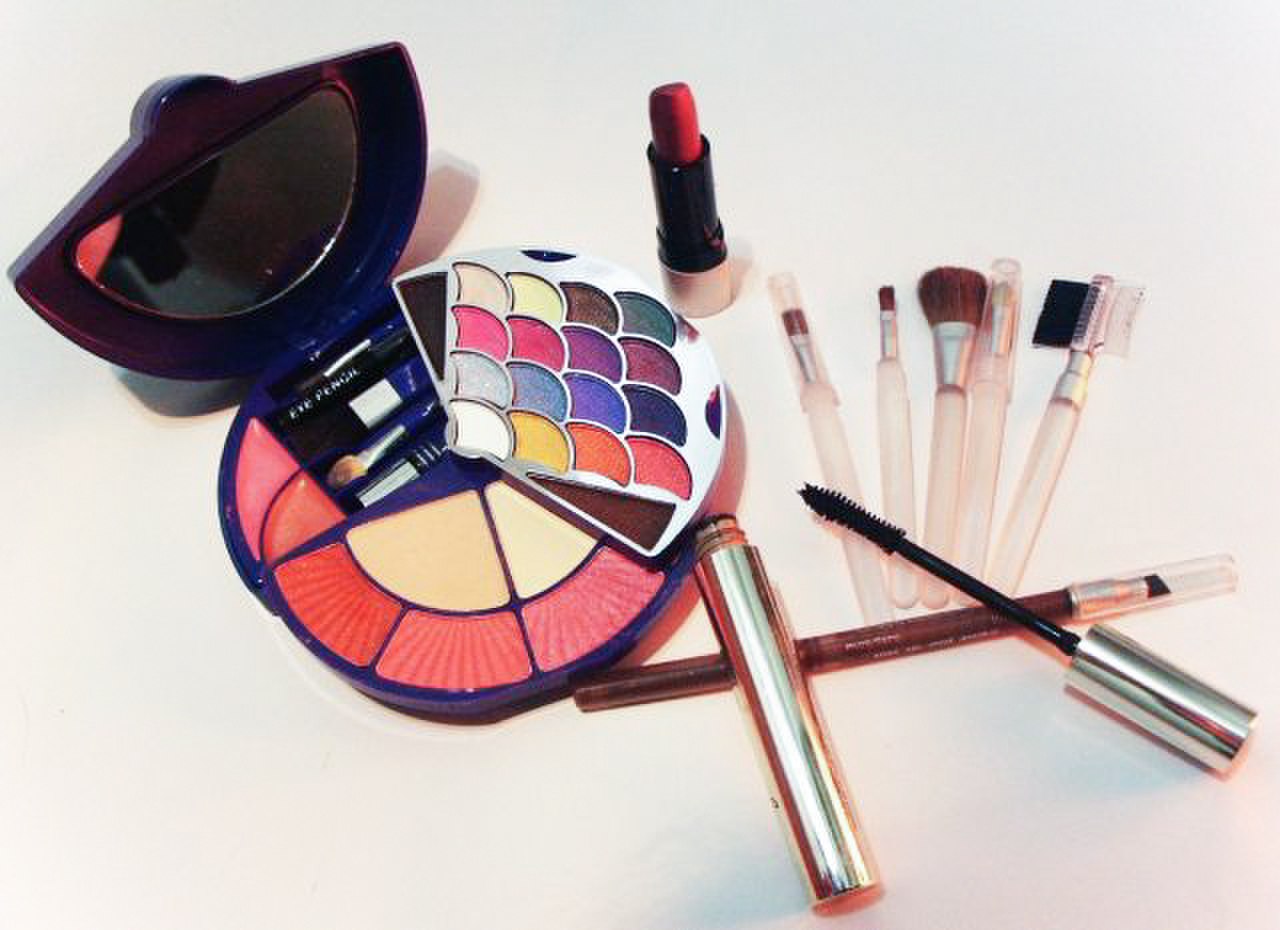
Makeup and color cosmetics are also important aspects of the cosmetics industry. Many products are designed to enhance the appearance of the face and body, including foundation, eyeshadow, and lipstick. The use of synthetic ingredients in color cosmetics has become increasingly common, with many products containing a mix of natural and synthetic ingredients. For more information on color cosmetics, visit the color cosmetics page. You can also learn more about makeup artistry and special effects makeup.
🚫 Safety and Regulation of Cosmetics
The safety and regulation of cosmetics is an important aspect of the industry. Many countries have laws and regulations in place to ensure that cosmetic products are safe for use. The use of hazardous ingredients in cosmetics is strictly regulated, and many products are subject to rigorous testing before they are released to the market. For more information on safety and regulation, visit the safety and regulation page. Additionally, you can learn more about cosmetic testing and regulatory affairs.
🌟 Trends and Innovations in Cosmetics
The cosmetics industry is constantly evolving, with new trends and innovations emerging all the time. Some popular trends in cosmetics include the use of natural ingredients, sustainable packaging, and digital beauty. The use of artificial intelligence and machine learning in cosmetics is also becoming increasingly common, with many companies using these technologies to develop new products and improve existing ones. For more information on trends and innovations, visit the trends and innovations page. You can also learn more about beauty technology and cosmetic innovation.
🌎 Global Cosmetics Market
The global cosmetics market is a multi-billion dollar industry, with a wide range of products available to consumers. The market is dominated by a few large companies, including L'Oreal, Estee Lauder, and Procter & Gamble. However, there are also many smaller companies and independent brands that are making a significant impact in the market. For more information on the global cosmetics market, visit the global cosmetics market page. You can also learn more about cosmetic industry and beauty market.
📊 Future of Cosmetic Products
The future of cosmetic products is likely to be shaped by a range of factors, including technological advancements, changing consumer preferences, and evolving regulatory requirements. Some potential trends and innovations that may shape the future of cosmetics include the use of personalized beauty products, sustainable packaging, and digital beauty. For more information on the future of cosmetics, visit the future of cosmetics page. Additionally, you can learn more about cosmetic innovation and beauty technology.
Key Facts
- Year
- 2025
- Origin
- Ancient Egypt and Greece
- Category
- Beauty and Personal Care
- Type
- Industry
Frequently Asked Questions
What are cosmetics?
Cosmetics are substances that are intended for application to the body for cleansing, beautifying, promoting attractiveness, or altering appearance. They are mixtures of chemical compounds derived from either natural sources or created synthetically. For more information, visit the cosmetics page. You can also learn more about cosmetic ingredients and cosmetic products.
What are the different types of cosmetics?
There are many different types of cosmetics, including skincare products, haircare products, fragrances, and color cosmetics. Each type of cosmetic has its own unique characteristics and uses. For more information, visit the cosmetics page. You can also learn more about makeup and personal care.
What are the benefits of using natural ingredients in cosmetics?
The use of natural ingredients in cosmetics can provide a range of benefits, including moisturizing and nourishing the skin. Natural ingredients can also be gentler on the skin than synthetic ingredients, making them a good option for people with sensitive skin. For more information, visit the natural ingredients page. You can also learn more about organic cosmetics and sustainable cosmetics.
How are cosmetics regulated?
The regulation of cosmetics varies by country, but most countries have laws and regulations in place to ensure that cosmetic products are safe for use. The use of hazardous ingredients in cosmetics is strictly regulated, and many products are subject to rigorous testing before they are released to the market. For more information, visit the safety and regulation page. You can also learn more about cosmetic testing and regulatory affairs.
What is the future of cosmetics?
The future of cosmetics is likely to be shaped by a range of factors, including technological advancements, changing consumer preferences, and evolving regulatory requirements. Some potential trends and innovations that may shape the future of cosmetics include the use of personalized beauty products, sustainable packaging, and digital beauty. For more information, visit the future of cosmetics page. You can also learn more about cosmetic innovation and beauty technology.
How has social media impacted the cosmetics industry?
Social media has had a significant impact on the cosmetics industry, with many companies using platforms such as Instagram and YouTube to promote their products and connect with customers. The use of influencer marketing in cosmetics has become increasingly popular, with many companies partnering with social media influencers to promote their products. For more information, visit the social media page. You can also learn more about digital marketing and cosmetic marketing.
What are some popular trends in cosmetics?
Some popular trends in cosmetics include the use of natural ingredients, sustainable packaging, and digital beauty. The use of artificial intelligence and machine learning in cosmetics is also becoming increasingly common, with many companies using these technologies to develop new products and improve existing ones. For more information, visit the trends and innovations page. You can also learn more about beauty technology and cosmetic innovation.