
Contents
- 🌎 Introduction to Counter Terrorism
- 🔍 Understanding Terrorism: Definitions and Types
- 🚨 Counterterrorism Strategies: Prevention, Deterrence, and Response
- 🕵️♀️ Intelligence Gathering and Sharing: Key to Counterterrorism
- 👮 Law Enforcement and Counterterrorism: Cooperation and Challenges
- 💻 Cyberterrorism: The Emerging Threat
- 🌍 International Cooperation: The Global Effort Against Terrorism
- 📊 Measuring Success: Evaluating Counterterrorism Efforts
- 🚫 Challenges and Controversies: Balancing Security and Civil Liberties
- 🔜 Future of Counterterrorism: Emerging Trends and Technologies
- 👥 Private Sector Involvement: Supporting Counterterrorism Efforts
- 📚 Conclusion: The Ongoing Battle Against Terrorism
- Frequently Asked Questions
- Related Topics
Overview
Counter terrorism efforts have been a cornerstone of global security initiatives since the 9/11 attacks in 2001, with the US launching the War on Terror. According to a report by the Global Terrorism Database, there were over 70,000 terrorist attacks worldwide between 2000 and 2020, resulting in more than 200,000 deaths. The controversy surrounding counter terrorism strategies, such as drone strikes and surveillance programs, has sparked heated debates among policymakers, human rights advocates, and the general public. As of 2022, the US has spent over $2.8 trillion on counter terrorism efforts, with some arguing that this has led to a significant decrease in terrorist attacks, while others claim it has created more problems than solutions. The influence of key figures, such as former CIA director John Brennan and former US President Barack Obama, has shaped the trajectory of counter terrorism policies. With the rise of new technologies and evolving terrorist tactics, the future of counter terrorism is likely to be shaped by innovative strategies and unprecedented challenges, including the potential for AI-powered terrorist attacks, which could have a devastating impact on global security, with some experts estimating that the number of such attacks could increase by as much as 500% in the next decade.
🌎 Introduction to Counter Terrorism
The global effort to combat terrorism is a complex and multifaceted one, involving counterterrorism strategies and tactics employed by governments, law-enforcement agencies, and intelligence services. As defined by the United Nations, terrorism refers to acts intended to cause death or serious bodily harm to civilians or non-combatants with the purpose of intimidating a population or compelling a government to do or abstain from doing something. To effectively counter this threat, it is essential to understand the terrorism phenomenon, including its various forms, such as domestic terrorism and international terrorism. The Global War on Terror has been a significant driver of counterterrorism efforts, with many countries implementing counterterrorism policies to prevent and respond to terrorist attacks.
🔍 Understanding Terrorism: Definitions and Types
Terrorism can take many forms, including suicide bombings, kidnappings, and cyberattacks. To develop effective counterterrorism strategies, it is crucial to understand the motivations and tactics of terrorist groups, such as Al-Qaeda and ISIS. The FBI and other law enforcement agencies play a critical role in counterterrorism efforts, working to disrupt and dismantle terrorist networks. International cooperation is also essential, with organizations like Interpol facilitating the sharing of intelligence and best practices.
🚨 Counterterrorism Strategies: Prevention, Deterrence, and Response
Counterterrorism strategies typically involve a combination of prevention, deterrence, and response measures. Intelligence agencies play a vital role in gathering and analyzing information to identify potential threats, while law enforcement agencies work to disrupt and prosecute terrorist activities. The CIA and NSA are examples of intelligence agencies involved in counterterrorism efforts. Private-sector organizations, such as security consulting firms, can also support counterterrorism efforts by providing expertise and resources.
🕵️♀️ Intelligence Gathering and Sharing: Key to Counterterrorism
Intelligence gathering and sharing are critical components of counterterrorism efforts. Signals intelligence and human intelligence are used to gather information on terrorist groups and their activities. The USA PATRIOT Act has been a significant piece of legislation in the United States, expanding the authority of law enforcement agencies to gather intelligence and conduct surveillance. International cooperation is essential, with organizations like Europol facilitating the sharing of intelligence and best practices. The Five Eyes intelligence alliance is another example of international cooperation in the field of counterterrorism.
👮 Law Enforcement and Counterterrorism: Cooperation and Challenges
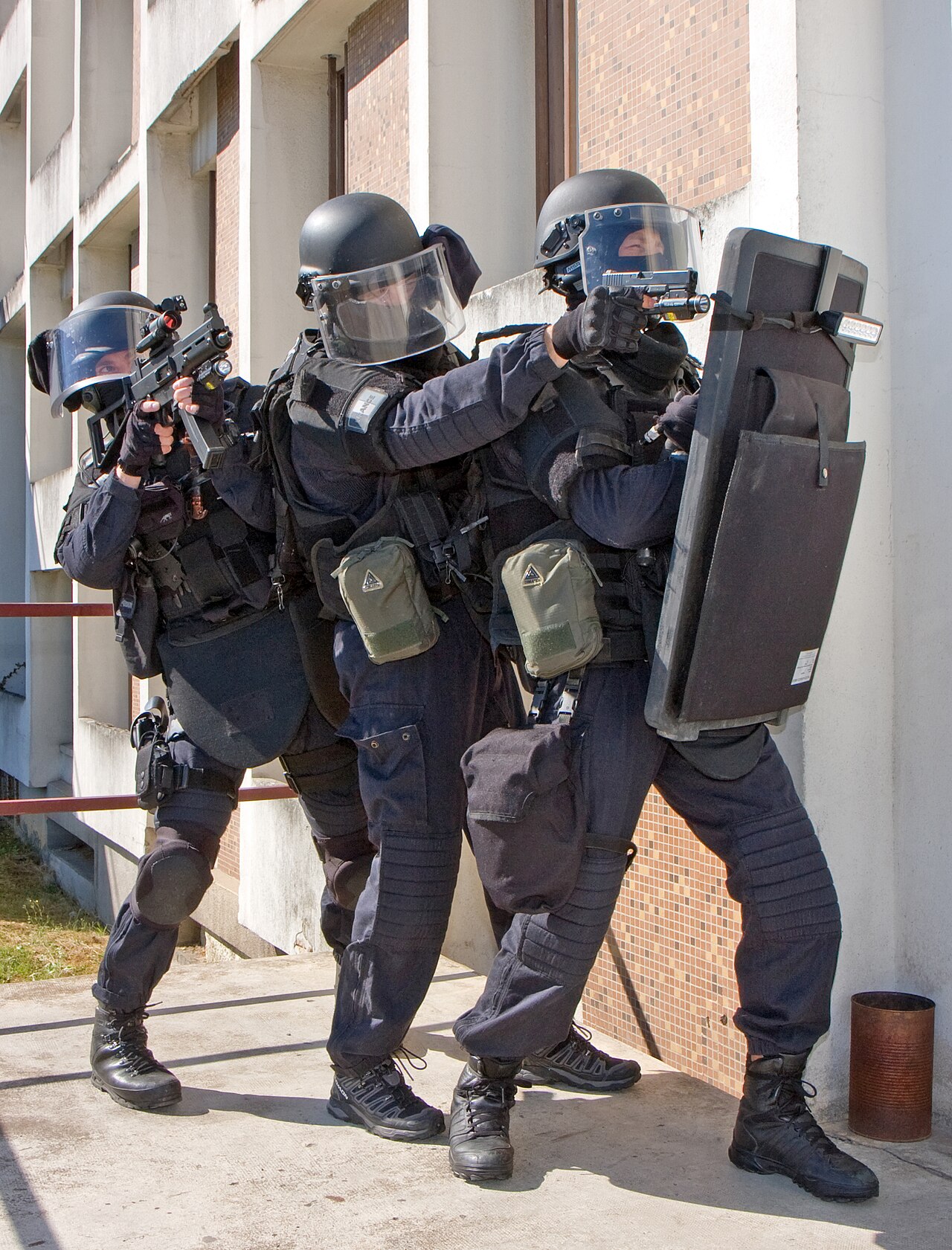
Law enforcement agencies play a crucial role in counterterrorism efforts, working to disrupt and dismantle terrorist networks. The FBI and other law enforcement agencies have developed specialized units, such as SWAT teams, to respond to terrorist threats. International cooperation is essential, with organizations like Interpol facilitating the sharing of intelligence and best practices. The United Nations Security Council has also played a significant role in shaping international counterterrorism efforts, with resolutions like UNSC Resolution 1373.
💻 Cyberterrorism: The Emerging Threat
Cyberterrorism is an emerging threat, with terrorist groups increasingly using cyberattacks to disrupt critical infrastructure and steal sensitive information. The NSA and other intelligence agencies have developed capabilities to detect and respond to cyber threats, while private-sector organizations, such as cybersecurity firms, can provide expertise and resources to support counterterrorism efforts. The Department of Homeland Security has also established the National Cybersecurity and Communications Integration Center to coordinate national efforts to prevent and respond to cyber threats.
🌍 International Cooperation: The Global Effort Against Terrorism
International cooperation is essential in the global effort against terrorism. The United Nations has played a significant role in shaping international counterterrorism efforts, with resolutions like UNSC Resolution 1373. The G8 and other international organizations have also worked to develop common standards and best practices for counterterrorism. The European Union has established the EU Counter-Terrorism Coordinator to coordinate EU efforts to prevent and respond to terrorist threats.
📊 Measuring Success: Evaluating Counterterrorism Efforts
Evaluating the success of counterterrorism efforts is a complex task, requiring the use of various metrics and indicators. The Global Terrorism Index is one example of a metric used to track trends in terrorist activity. The United States Department of State has also established the Country Reports on Terrorism to provide an annual assessment of global counterterrorism efforts. The Counterterrorism Center at West Point is another example of an organization working to evaluate and improve counterterrorism efforts.
🚫 Challenges and Controversies: Balancing Security and Civil Liberties
Counterterrorism efforts often involve a delicate balance between security and civil liberties. The USA PATRIOT Act has been criticized for its potential impact on civil liberties, while the National Security Agency has faced controversy over its surveillance activities. The American Civil Liberties Union and other organizations have worked to advocate for the protection of civil liberties in the context of counterterrorism. The United Nations Human Rights Council has also played a significant role in promoting human rights and the rule of law in the context of counterterrorism.
🔜 Future of Counterterrorism: Emerging Trends and Technologies
The future of counterterrorism will likely involve the use of emerging technologies, such as artificial intelligence and biometrics. The Department of Defense has established the Defense Advanced Research Projects Agency to develop new technologies to support counterterrorism efforts. Private-sector organizations, such as security consulting firms, can also provide expertise and resources to support the development of new counterterrorism technologies. The Counterterrorism Center at West Point is another example of an organization working to evaluate and improve counterterrorism efforts.
👥 Private Sector Involvement: Supporting Counterterrorism Efforts
Private-sector organizations can play a significant role in supporting counterterrorism efforts, providing expertise and resources to help prevent and respond to terrorist threats. The security industry has developed a range of products and services to support counterterrorism, from surveillance systems to intelligence software. The National Security Agency and other intelligence agencies have also worked with private-sector organizations to develop new technologies and capabilities to support counterterrorism efforts. The United States Chamber of Commerce has established the National Security Task Force to promote public-private partnerships in the field of counterterrorism.
📚 Conclusion: The Ongoing Battle Against Terrorism
In conclusion, the global effort to combat terrorism is a complex and multifaceted one, involving a range of strategies and tactics employed by governments, law-enforcement agencies, and intelligence services. To effectively counter the threat of terrorism, it is essential to understand the terrorism phenomenon, including its various forms and motivations. International cooperation and the use of emerging technologies will be critical in the future of counterterrorism, as will the protection of civil liberties and the promotion of human rights.
Key Facts
- Year
- 2001
- Origin
- September 11 attacks, USA
- Category
- Global Security
- Type
- Global Security Initiative
Frequently Asked Questions
What is counterterrorism?
Counterterrorism refers to the laws, policies, and operational measures used to prevent, deter, and respond to terrorism. These efforts involve a range of tactics and strategies employed by governments, law-enforcement agencies, intelligence services, and private-sector organizations. The United Nations has played a significant role in shaping international counterterrorism efforts, with resolutions like UNSC Resolution 1373. The Global War on Terror has been a significant driver of counterterrorism efforts, with many countries implementing counterterrorism policies to prevent and respond to terrorist attacks.
What are the different types of terrorism?
Terrorism can take many forms, including domestic terrorism and international terrorism. Domestic terrorism refers to terrorist activities that occur within a country's borders, while international terrorism involves terrorist activities that cross national borders. The FBI and other law enforcement agencies have developed specialized units to respond to terrorist threats, including SWAT teams. The United Nations has also established the UN Counter-Terrorism Centre to provide technical assistance and capacity-building programs to support counterterrorism efforts.
How do intelligence agencies contribute to counterterrorism efforts?
Intelligence agencies play a vital role in gathering and analyzing information to identify potential threats. The CIA and NSA are examples of intelligence agencies involved in counterterrorism efforts. These agencies use a range of techniques, including signals intelligence and human intelligence, to gather information on terrorist groups and their activities. The Five Eyes intelligence alliance is another example of international cooperation in the field of counterterrorism.
What is the role of law enforcement agencies in counterterrorism?
Law enforcement agencies play a crucial role in counterterrorism efforts, working to disrupt and dismantle terrorist networks. The FBI and other law enforcement agencies have developed specialized units, such as SWAT teams, to respond to terrorist threats. International cooperation is essential, with organizations like Interpol facilitating the sharing of intelligence and best practices. The United Nations Security Council has also played a significant role in shaping international counterterrorism efforts, with resolutions like UNSC Resolution 1373.
How can private-sector organizations support counterterrorism efforts?
Private-sector organizations can play a significant role in supporting counterterrorism efforts, providing expertise and resources to help prevent and respond to terrorist threats. The security industry has developed a range of products and services to support counterterrorism, from surveillance systems to intelligence software. The National Security Agency and other intelligence agencies have also worked with private-sector organizations to develop new technologies and capabilities to support counterterrorism efforts.
What are the challenges and controversies surrounding counterterrorism efforts?
Counterterrorism efforts often involve a delicate balance between security and civil liberties. The USA PATRIOT Act has been criticized for its potential impact on civil liberties, while the National Security Agency has faced controversy over its surveillance activities. The American Civil Liberties Union and other organizations have worked to advocate for the protection of civil liberties in the context of counterterrorism. The United Nations Human Rights Council has also played a significant role in promoting human rights and the rule of law in the context of counterterrorism.
What is the future of counterterrorism?
The future of counterterrorism will likely involve the use of emerging technologies, such as artificial intelligence and biometrics. The Department of Defense has established the Defense Advanced Research Projects Agency to develop new technologies to support counterterrorism efforts. Private-sector organizations, such as security consulting firms, can also provide expertise and resources to support the development of new counterterrorism technologies.